
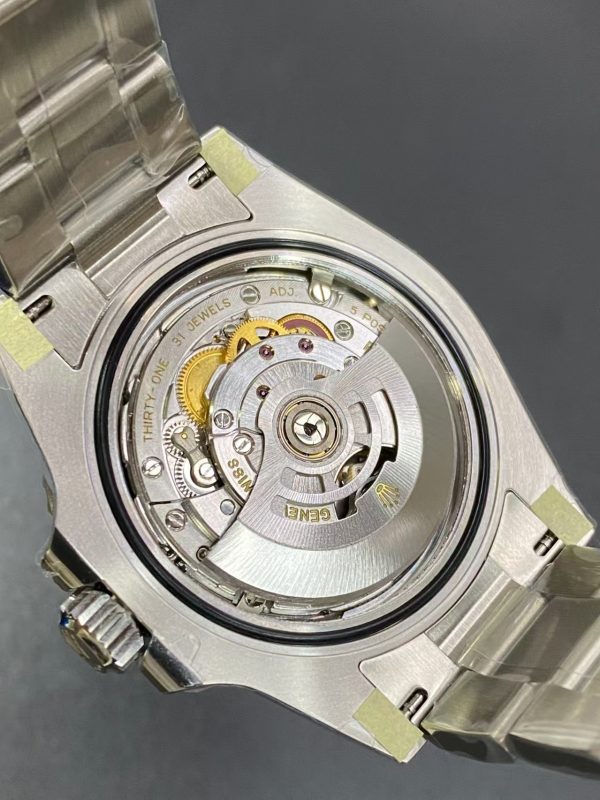
Instead of listing movements one by one, it makes more sense to approach this topic from a practical angle: which movements actually hold up after months of real use, which ones begin showing problems early, and how factories position them across different models.
At the current stage of the replica market, movement selection has become the single biggest factor separating an average build from a true high-end super clone. Case finishing and dial printing have improved dramatically across almost every major factory. The movement is now the part that determines whether a watch still feels impressive six months later — or starts feeling disappointing after six days.
Most movements used today come from three production centers: Dandong, Shanghai, and Hangzhou. Each follows a different philosophy in engineering, stability, servicing tolerance, and cost control. Understanding those differences is far more useful than memorizing movement names alone.
Dandong Movements: Why Most “Top Tier” Replicas Depend on Them
If there is one consistent pattern across recent releases, it is this: when a factory wants to position a watch as a serious flagship model, it usually relies on a Dandong-based movement.
The reason is not marketing hype. It is long-term consistency under real use.
Many movements perform adequately when brand new. The real difference appears after several months of daily wear. Dandong calibers generally maintain stable amplitude, smoother winding feel, and more predictable date changes over time, while lower-cost alternatives often begin showing weaker power efficiency or inconsistent behavior.
This is one reason experienced buyers increasingly prioritize movement source over cosmetic details alone.
Dandong 4130: Still the Benchmark for Replica Chronographs
The Dandong 4130 remains the reference point for modern replica chronographs. Not because it is the most complicated movement available, but because it solved the biggest problem older chronograph replicas struggled with: instability during regular operation.
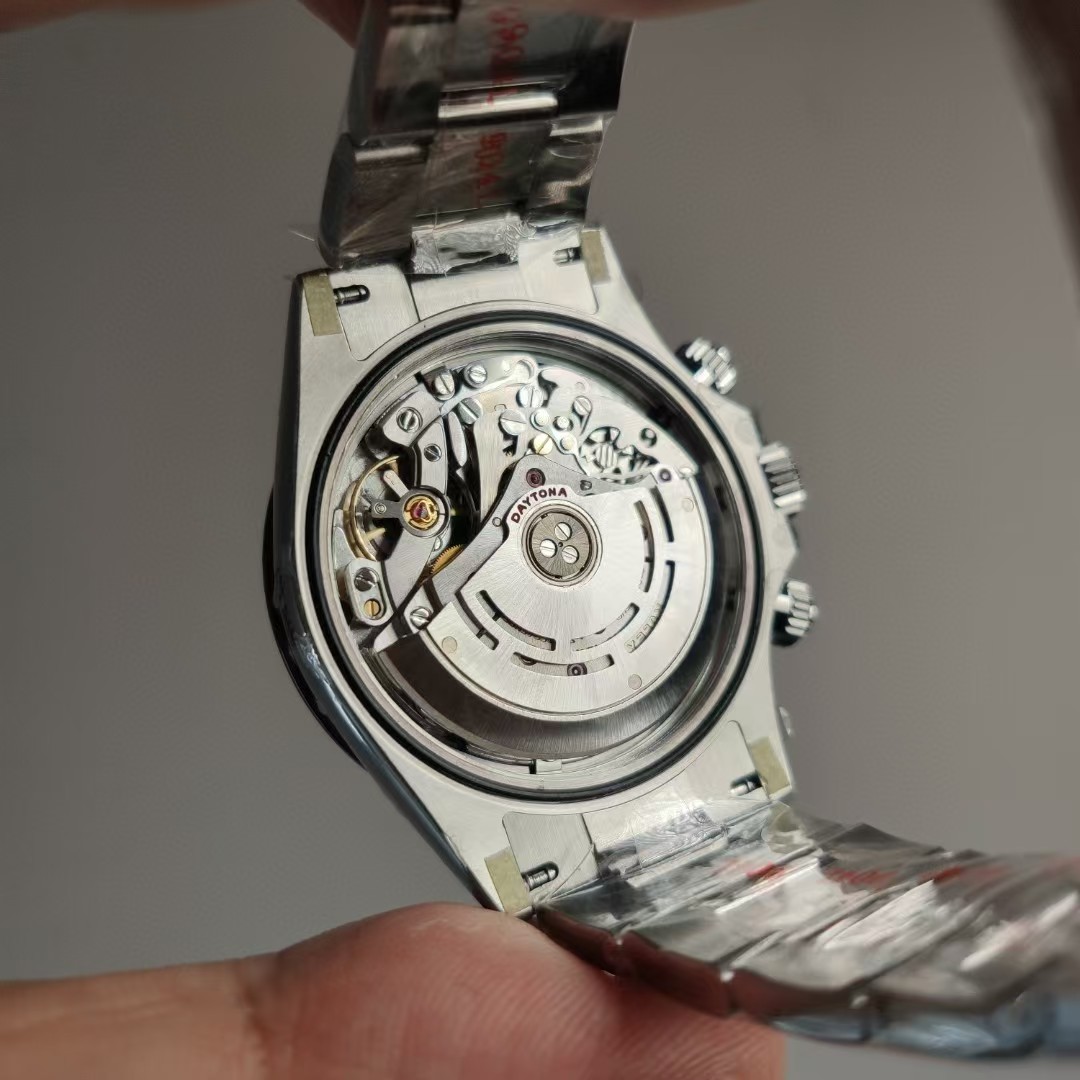
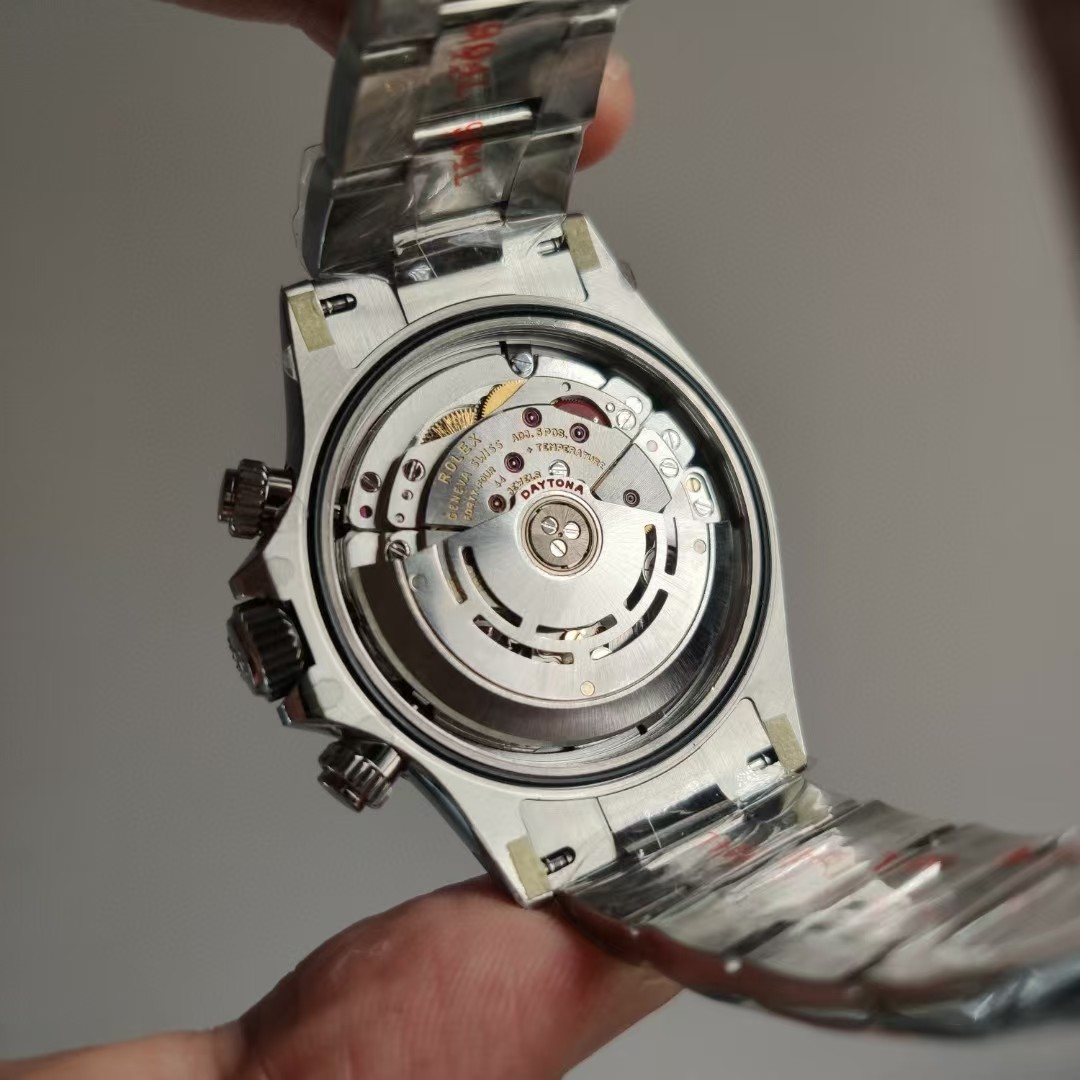
Earlier chronograph builds often developed issues after repeated use of the pushers. Owners would eventually notice rough reset action, inconsistent chrono engagement, or reduced power reserve once the chronograph function stayed active for extended periods.
The Dandong 4130 dramatically reduced those problems.
In practical daily wear, this matters more than specifications on paper. A watch that can survive repeated starts, stops, and resets without immediately feeling fragile creates a completely different ownership experience.
That is why the movement became widely adopted across factories including Clean, VS, BT, and newer Noob releases. Large-scale adoption usually signals one thing in the replica industry: the failure rate is manageable enough for factories to trust it repeatedly.
Today, many experienced collectors no longer ask:
“Is the case shape accurate?”
Instead, they ask:
“Which movement is inside?”
That shift says a lot about how the replica market has evolved.
Dandong 3235 (VS Custom): One of the Most Balanced Daily Wear Movements
For non-chronograph models, the conversation usually centers around clone 3235 movements. Among them, the VS-developed Dandong 3235 stands out for one simple reason: it behaves predictably in real-world use.
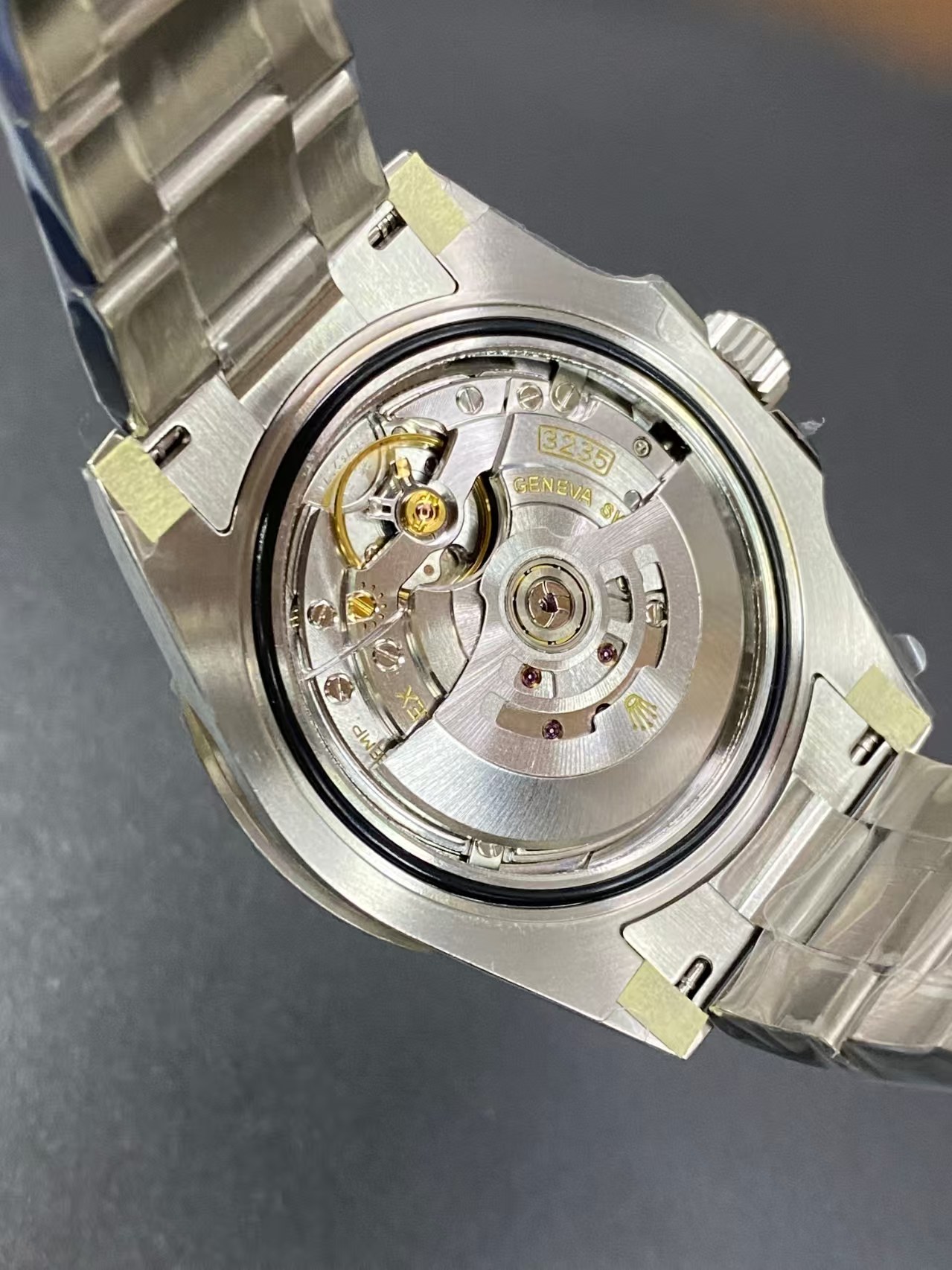
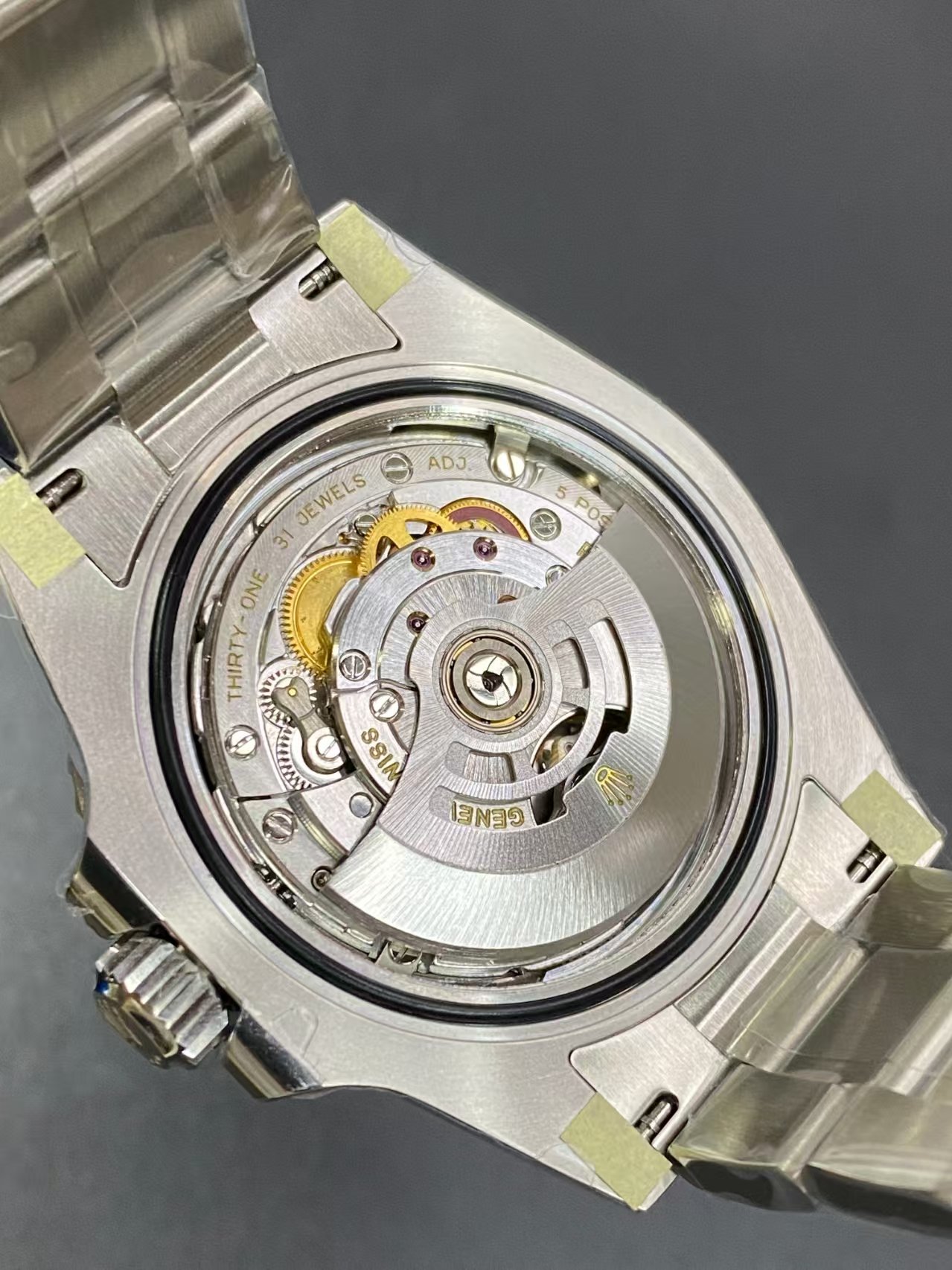
Used across Datejust, Submariner 41mm, Oyster Perpetual, and Yacht-Master models, this movement typically delivers around 70+ hours of power reserve.
More importantly, that reserve tends to remain stable outside ideal testing conditions.
In daily life, the difference becomes noticeable over weekends. A properly functioning VS3235 can often sit untouched from Friday evening until Monday morning and still continue running accurately. Lower reserve movements frequently stop much earlier, forcing additional winding and resetting.
That may sound minor, but over time it changes how “premium” the watch feels during ownership.
Another important detail is winding smoothness. Higher-quality Dandong movements generally produce less grinding sensation through the crown compared to many Shanghai alternatives. This is one of those small tactile details that owners notice repeatedly, even if casual buyers never mention it online.
For buyers researching the best replica Rolex movement or comparing VS3235 vs SH3235, this is usually the deciding factor: long-term consistency rather than raw specifications.
Known Weak Points: Dandong 938 and 925
Not every Dandong movement performs at the same level. Two calibers consistently show more risk in long-term ownership: the 938 and the 925.
The 938, commonly found in ultra-thin dress watch replicas, tends to develop functional issues relatively early compared to mainstream Rolex-based clone movements.
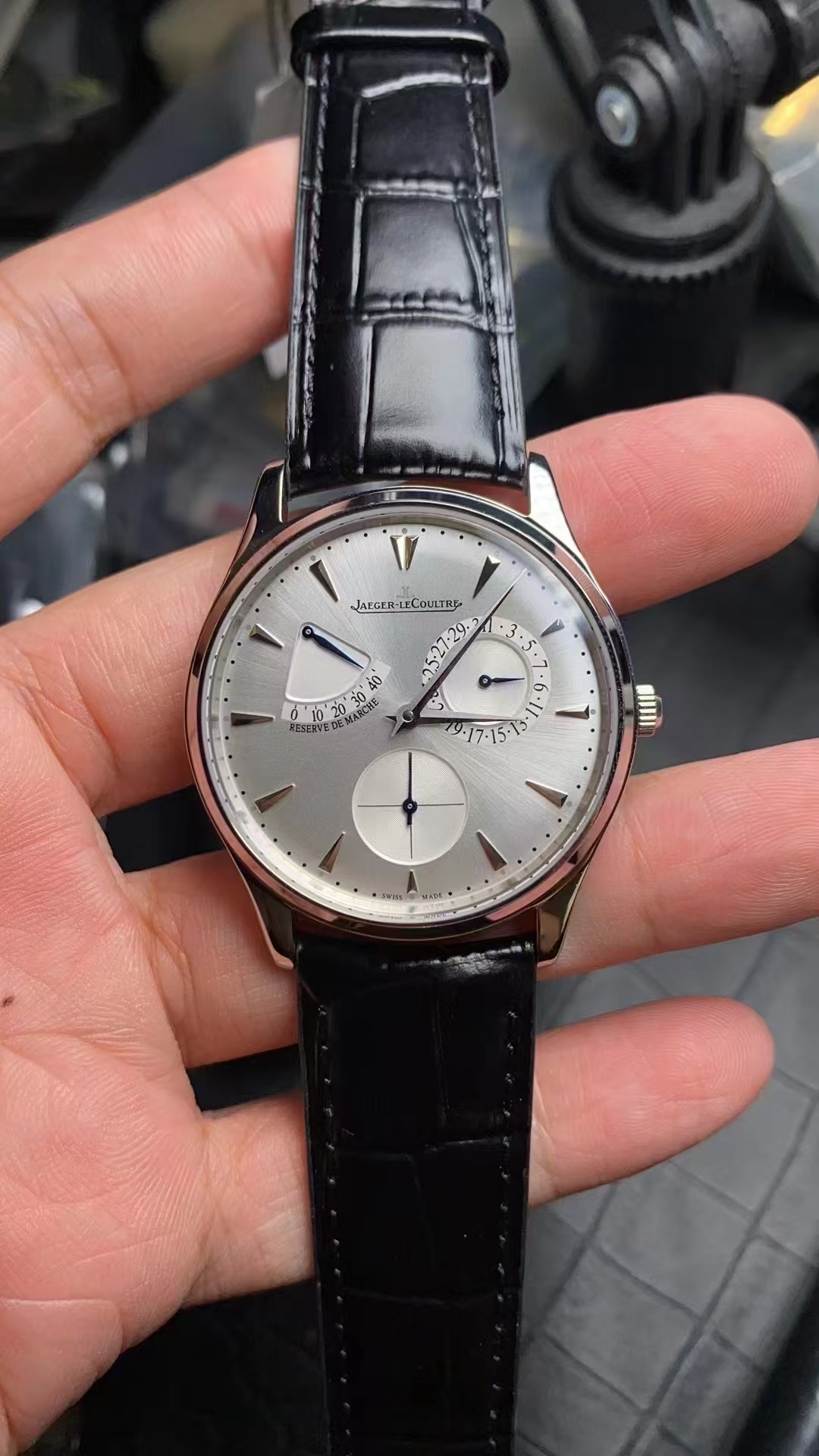
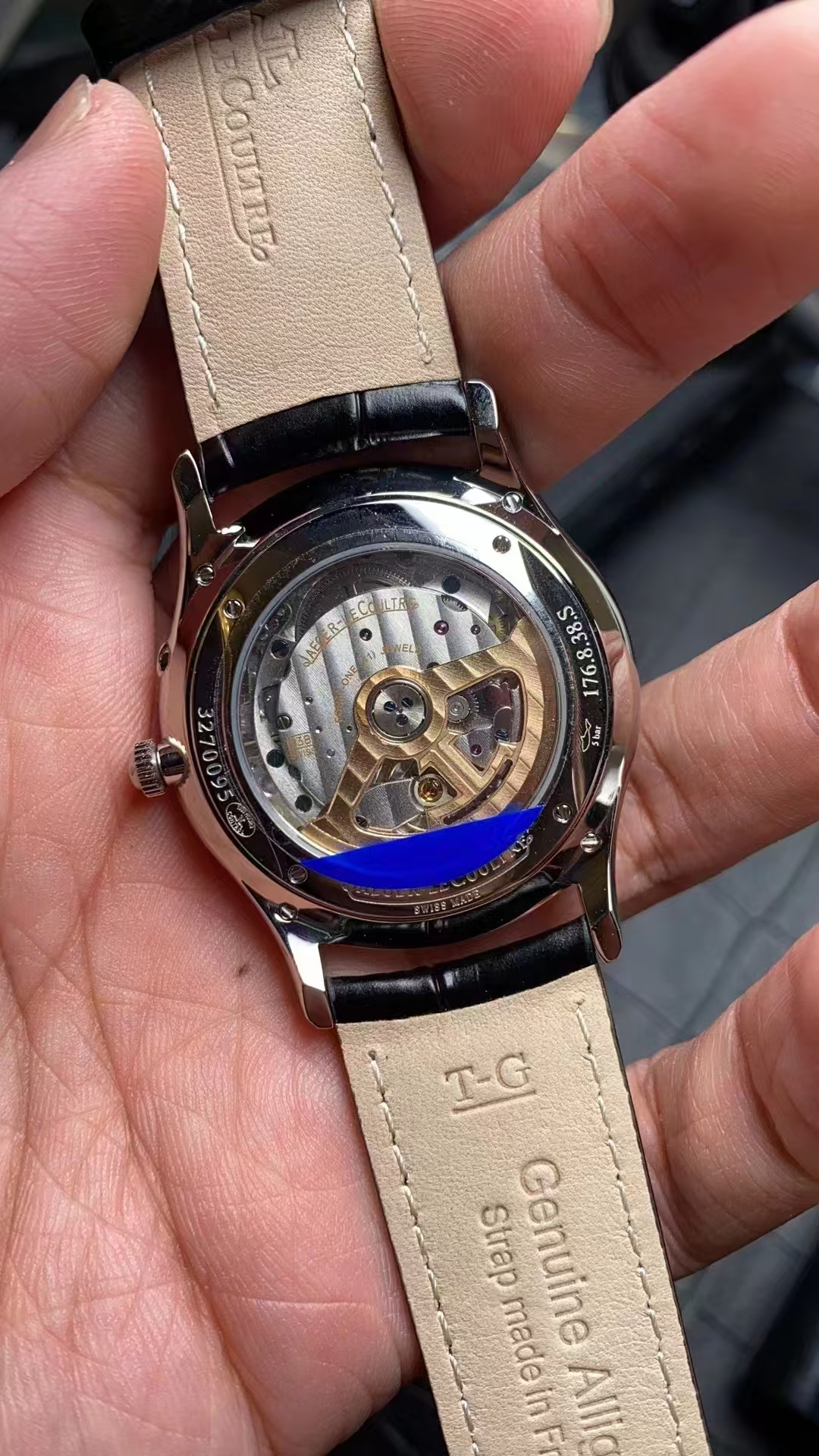
In real use, owners sometimes report weaker automatic winding efficiency, inconsistent power retention, or functional irregularities after extended wear. These are not isolated factory-specific issues. Similar patterns appear across multiple brands using the same movement architecture.
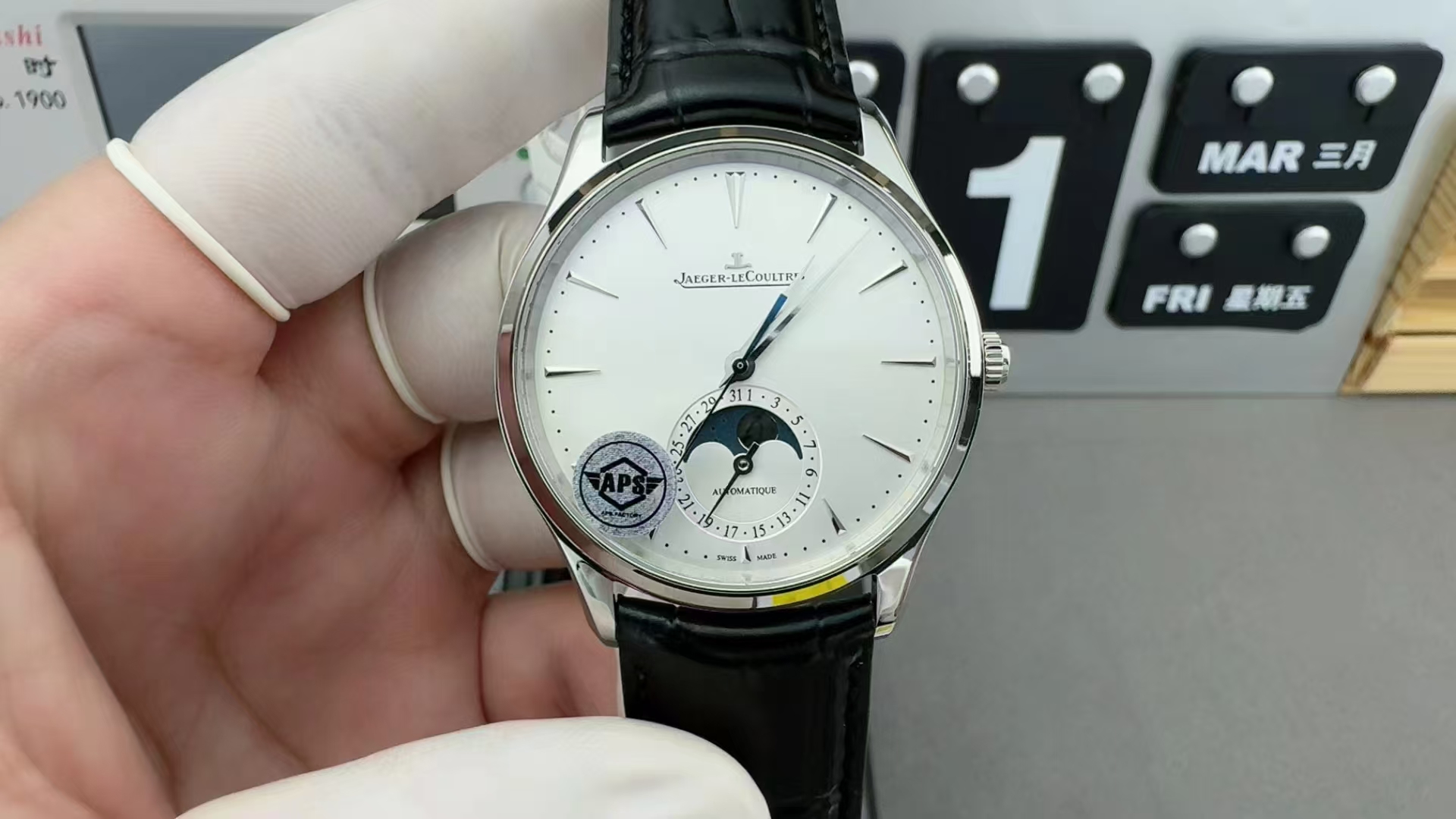
The 925, commonly used in moon phase replicas, performs somewhat better but still falls below the reliability baseline many buyers now expect from Dandong.
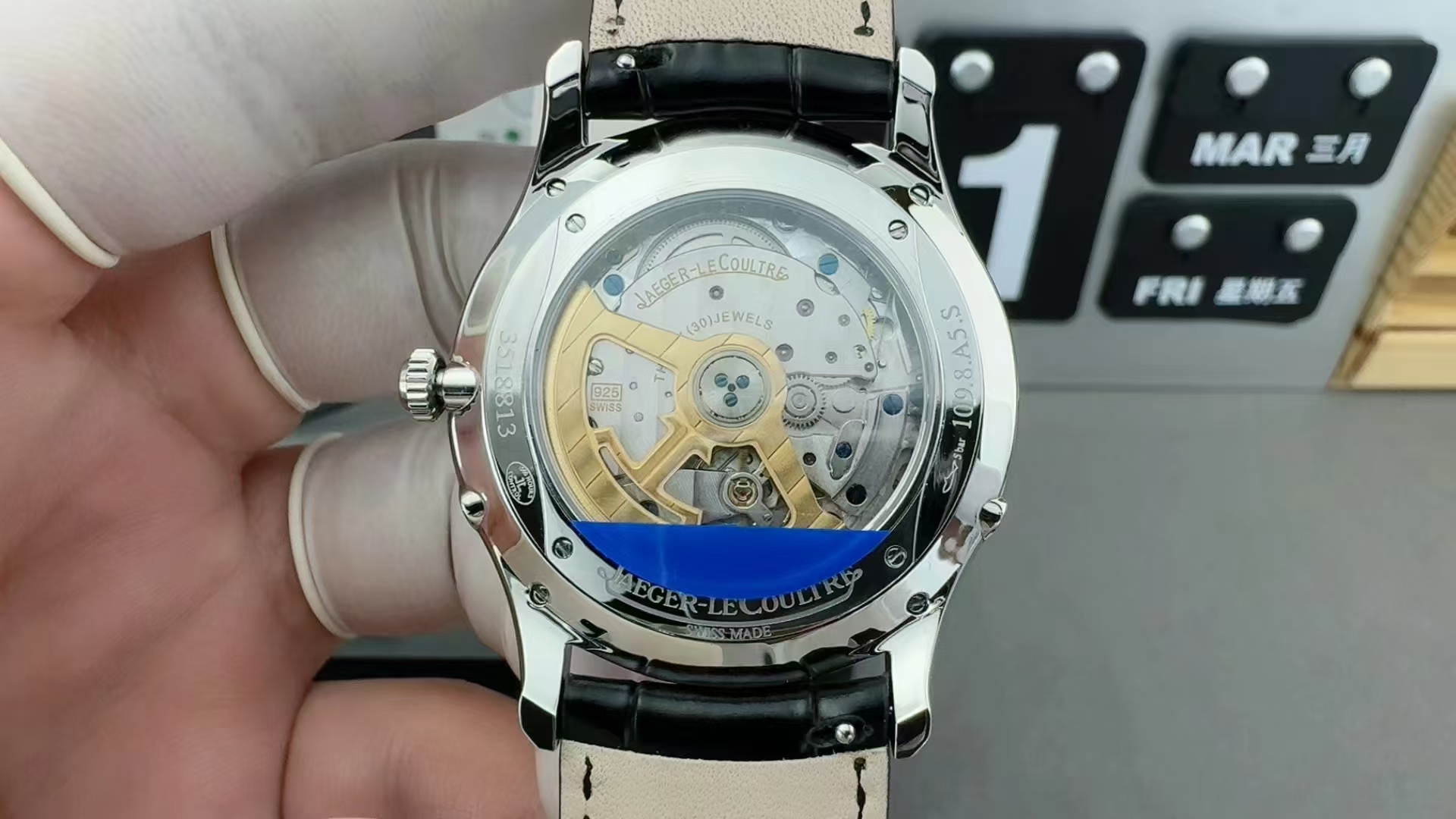
Ironically, some older 7750-based solutions can occasionally prove more durable despite being less visually refined.
This highlights an important reality of the replica market:
The most visually impressive movement is not always the safest long-term choice.
Other Important Dandong Movements
Beyond Rolex-focused calibers, Dandong also produces movements that define entire factory ecosystems.
- SL6000 – used in IWC Portuguese and Big Pilot replicas with extended reserve capability
- 8500 / 8900 – core movements behind many VS Factory Omega Seamaster models
- P.9000 – heavily associated with VS Factory Panerai replicas
These movements receive less attention in mainstream discussions, but they play a major role in factory reputation and buyer confidence.
Shanghai Movements: More Affordable, But With Noticeable Trade-Offs
Shanghai-based movements occupy a different position in the market. They are generally optimized around production efficiency and lower manufacturing cost rather than maximum refinement.
That does not automatically make them “bad.” In fact, many perform perfectly adequately for casual wear.
But the compromises become easier to notice over time.
SH3135: Mature and Still Respectable
The second-generation SH3135 is one of the more reliable Shanghai movements currently available.
Once early production problems were resolved, the movement developed a reasonably stable reputation among long-term users. Crown action feels acceptable, timekeeping is generally predictable, and servicing familiarity has improved significantly compared to earlier years.
For buyers looking for a more affordable replica Rolex movement without chasing the absolute highest tier, the SH3135 remains a sensible middle-ground option.
SH3235: Commonly Used, But Easier to Feel the Difference
Outside of VS Factory, many modern Rolex-style replicas rely on SH3235 architecture.
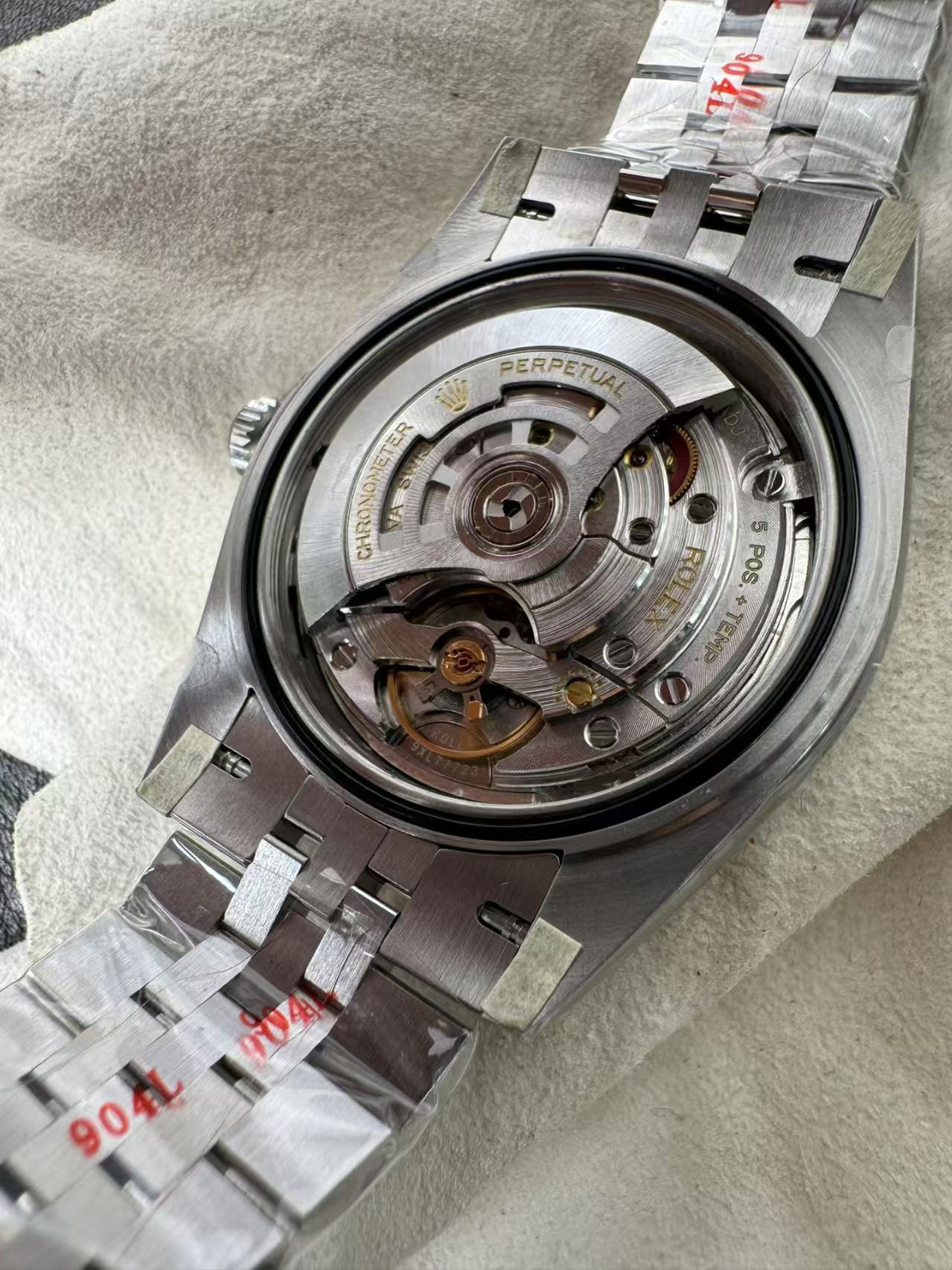
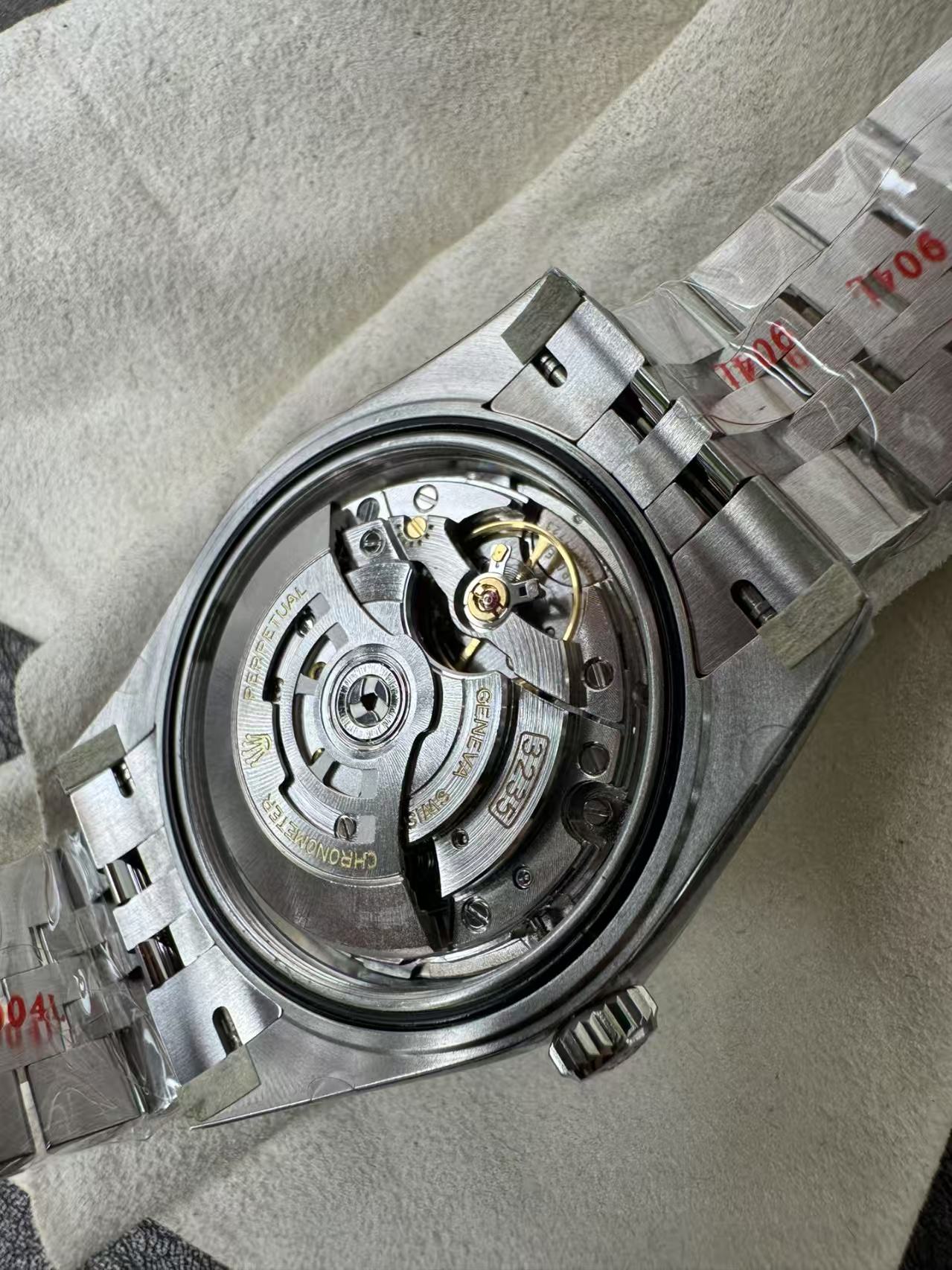
The biggest limitation is power reserve, which usually stays around 40–45 hours.
On paper, that may not sound dramatic. In actual ownership, however, the difference becomes surprisingly noticeable.
A watch worn lightly during the weekend may stop overnight by Sunday or early Monday. Owners who rotate multiple watches often notice this quickly, especially when comparing directly against VS3235-based models.
The crown feel is also typically less refined. Some examples feel slightly dry or resistant while winding, especially after prolonged use.
These are not catastrophic flaws. They simply make the watch feel less “effortless” over time.
For this reason, many experienced buyers still prefer older 40mm Submariner builds using 3135 architecture over certain 41mm SH3235 configurations.
Shanghai 7750: Popular, But Batch Consistency Remains a Concern
The Shanghai 7750 remains extremely common because of availability and relatively low production cost.
However, long-term consistency is less predictable.
Some units operate reliably for years, while others begin developing problems much earlier under continuous chronograph use. Owners occasionally report rough pusher feel, inconsistent reset alignment, or declining amplitude after heavy operation.
This uncertainty makes the movement harder to recommend as a first-choice option when more stable alternatives exist.
Many buyers only start researching clone movement quality after problems appear.
By that point, perfect dial printing and polished case finishing suddenly matter much less.
Hangzhou Movements: The Quiet Middle Ground
Compared to Dandong and Shanghai, Hangzhou movements receive far less attention online. Yet recent implementations show they can perform surprisingly well in the right watches.
The 72A0-based architecture, often modified to resemble Rolex 3235 layouts, is now used in selected Datejust and Yacht-Master replicas.
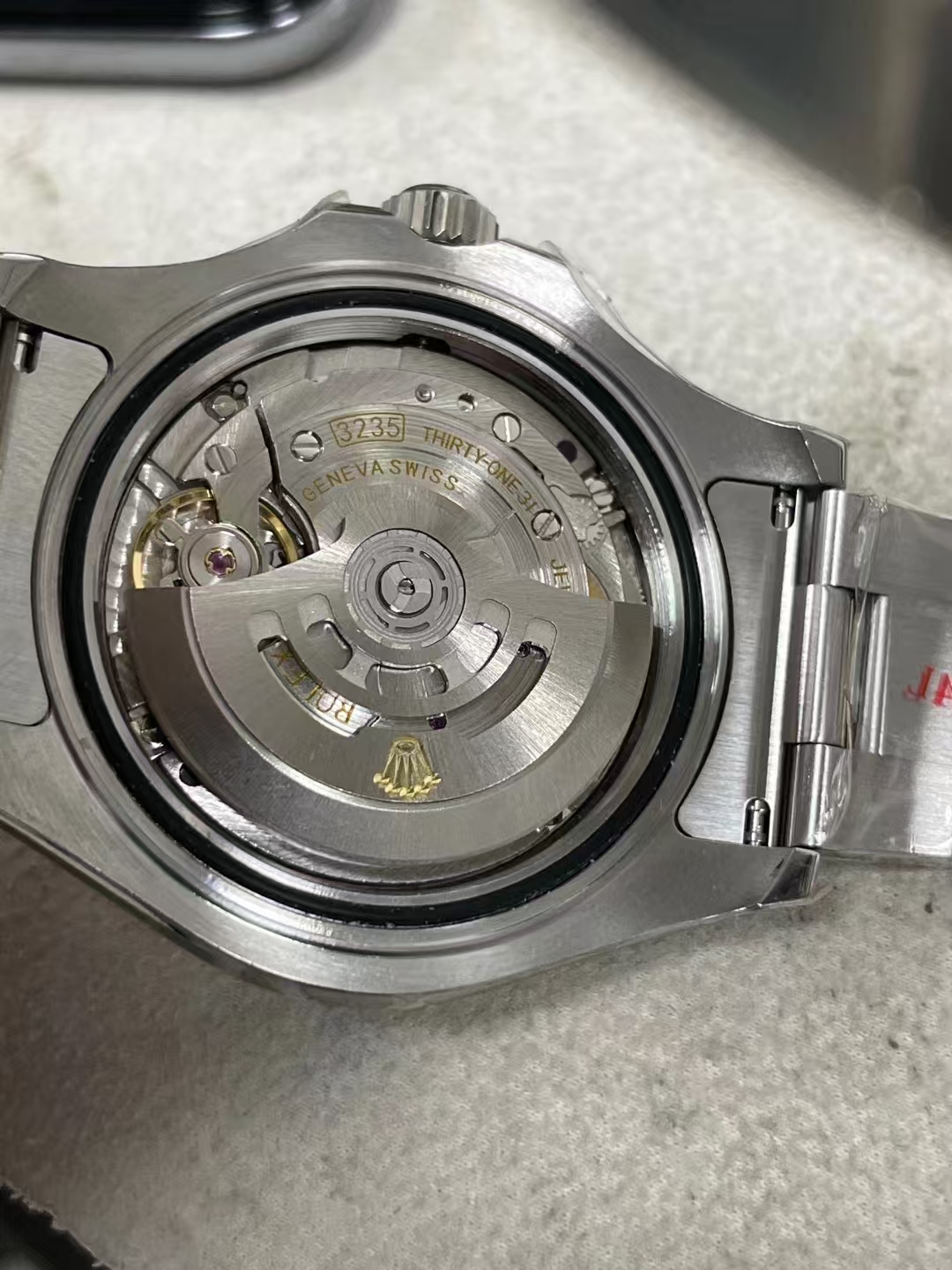
With roughly 60 hours of reserve, it sits between Shanghai and Dandong in capability.
More importantly, recent batches have shown relatively stable real-world behavior, especially considering their pricing position.
For many buyers, Hangzhou movements now represent an underrated compromise between cost, performance, and usability.
Not every replica needs to be “ultimate tier” to feel satisfying in daily wear.
Which Replica Movement Is Actually the Best?
The better question is not:
“Which movement is best?”
Instead, it is:
“Which movement best matches how the watch will actually be used?”
- If long-term reliability matters most → Dandong-based movements remain the safest overall choice
- If budget matters more than maximum refinement → Shanghai movements are usually sufficient
- If looking for balanced value → Hangzhou movements can offer a strong middle ground
There is no single answer for every watch.
But one pattern has become increasingly clear across the modern super clone market:
The closer a movement gets to consistent long-term behavior across multiple factories, the lower the ownership risk becomes.
And today, that consistency still leans heavily toward Dandong.
