
Why More Vintage Rolex Collectors Are Looking at the Explorer II 16570 Again
Over the past several years, interest in vintage Rolex replica watches has quietly returned among experienced collectors. A lot of people who already owned modern Rolex replicas from Clean, VS or other major factories eventually started paying attention to older references again. Interestingly, this shift is not really about specifications or movement upgrades. Modern replica watches are technically far more advanced, but vintage Rolex models offer something completely different. Their appeal comes more from proportions, aging details, and the feeling of an older generation Rolex that modern references no longer have.
The Explorer II 16570 is a good example of that transition period. It never had the same popularity as Daytona or Submariner, and compared with GMT-Master models, it always remained relatively low-profile. Many casual buyers even mistake it for an ordinary old Rolex at first glance. But among long-time Rolex enthusiasts, the 16570 has gradually become one of the more respected five-digit sports references because it still carries the rugged tool-watch identity Rolex had during the 1990s while already moving toward a more modern case structure and dial layout.
One problem with vintage Rolex replicas is that truly convincing versions are still very uncommon. Most high-end factories today focus almost entirely on modern Rolex models because demand is much larger and development costs are easier to justify. Factories invest heavily into Daytona, Submariner and GMT-Master II projects because those watches dominate the market. Vintage Rolex watches are much harder to reproduce accurately. The aging effect on the dial, the thickness of the printing, the bezel fading, the shape of old case edges and even the crystal height all matter much more than people expect.
Modern Rolex replicas rely heavily on precision manufacturing, but vintage Rolex pieces depend on atmosphere and character. A slightly incorrect font, a wrong lume tone or overly sharp brushing can immediately destroy the vintage feeling. That is why most vintage Rolex replicas today still remain in the middle-quality category instead of becoming true high-end projects. BP Factory continues to be one of the few manufacturers still consistently producing these older Rolex references.
This Explorer II 16570 replica is made by BP, one of the oldest factories still active in the replica watch market. Many newer buyers may not pay much attention to BP because the factory does not have the same reputation as Clean, VS or ZF in recent years, but BP has existed for a very long time and supplied Rolex replicas to dealers long before the current clone market became dominated by movement-focused competition. Their strategy has always been different from the newer factories. Instead of chasing extreme accuracy or developing expensive clone movements, BP focuses on producing a huge range of Rolex models, including many references that other factories abandoned years ago.
That is actually one reason why BP still has a place in the market. You can still find older Air-King models, vintage GMT-Master references, early Explorer versions and other uncommon Rolex watches from BP when most factories are only repeating the same modern Daytona or Submariner releases. For collectors interested in older Rolex designs, BP often becomes the only realistic option available.
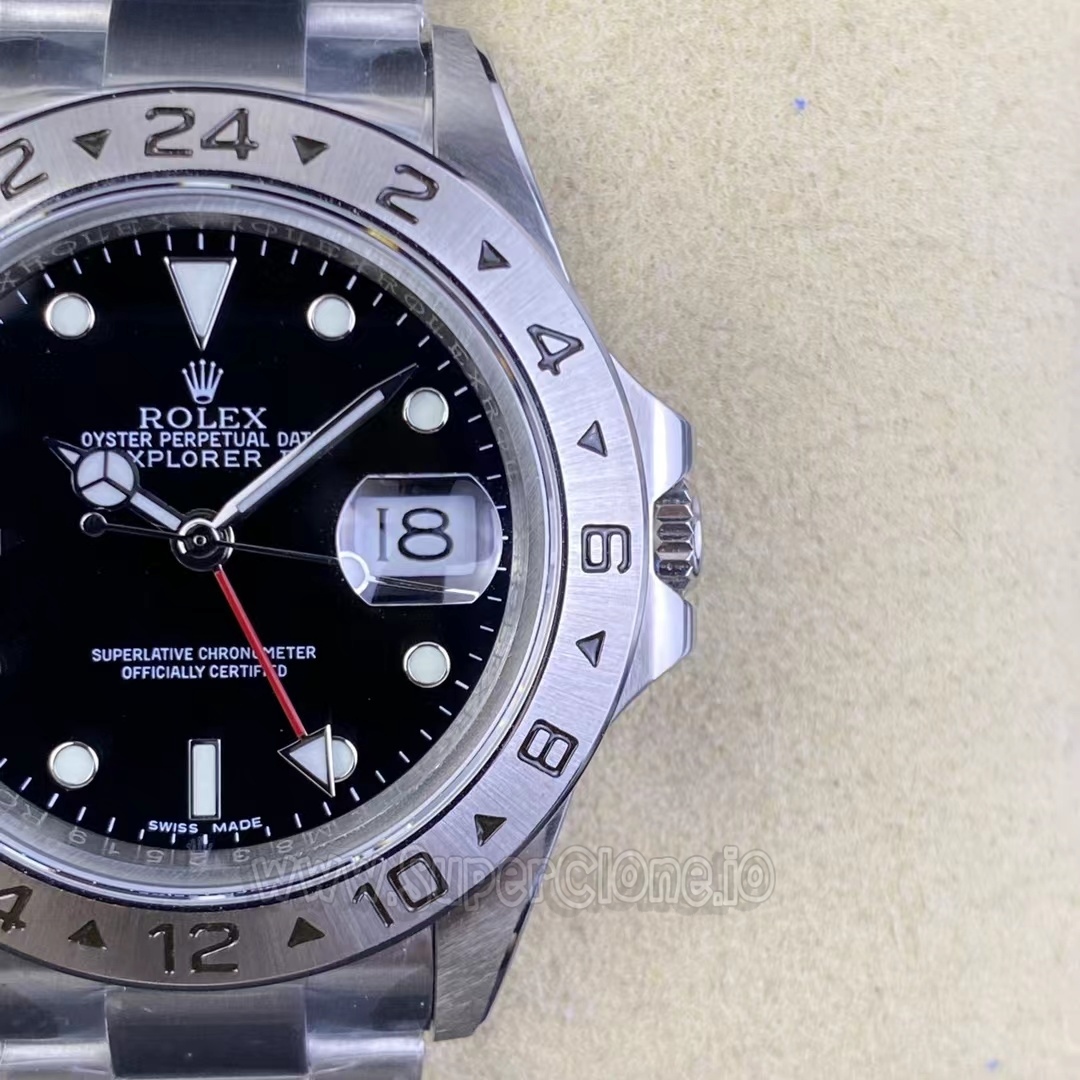
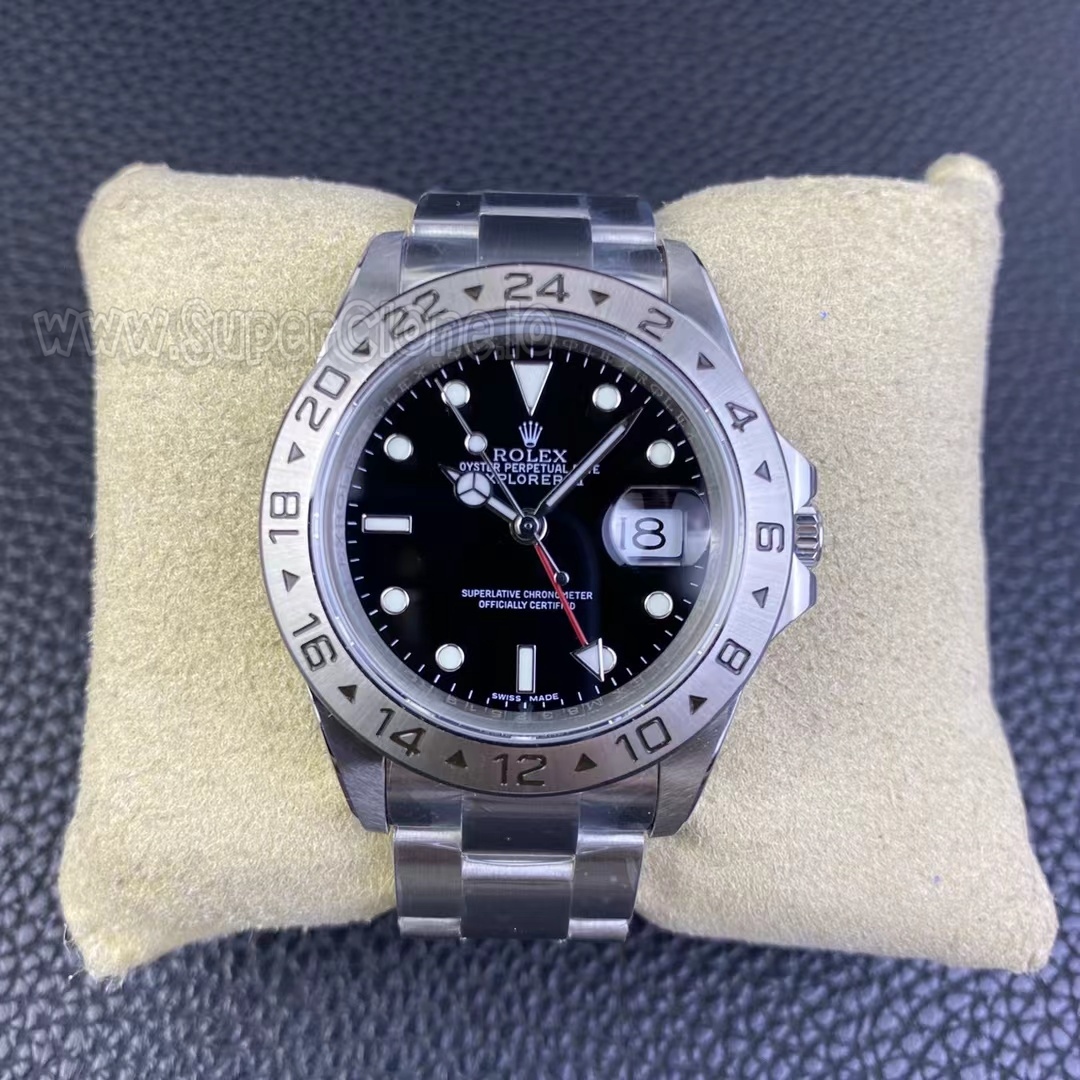
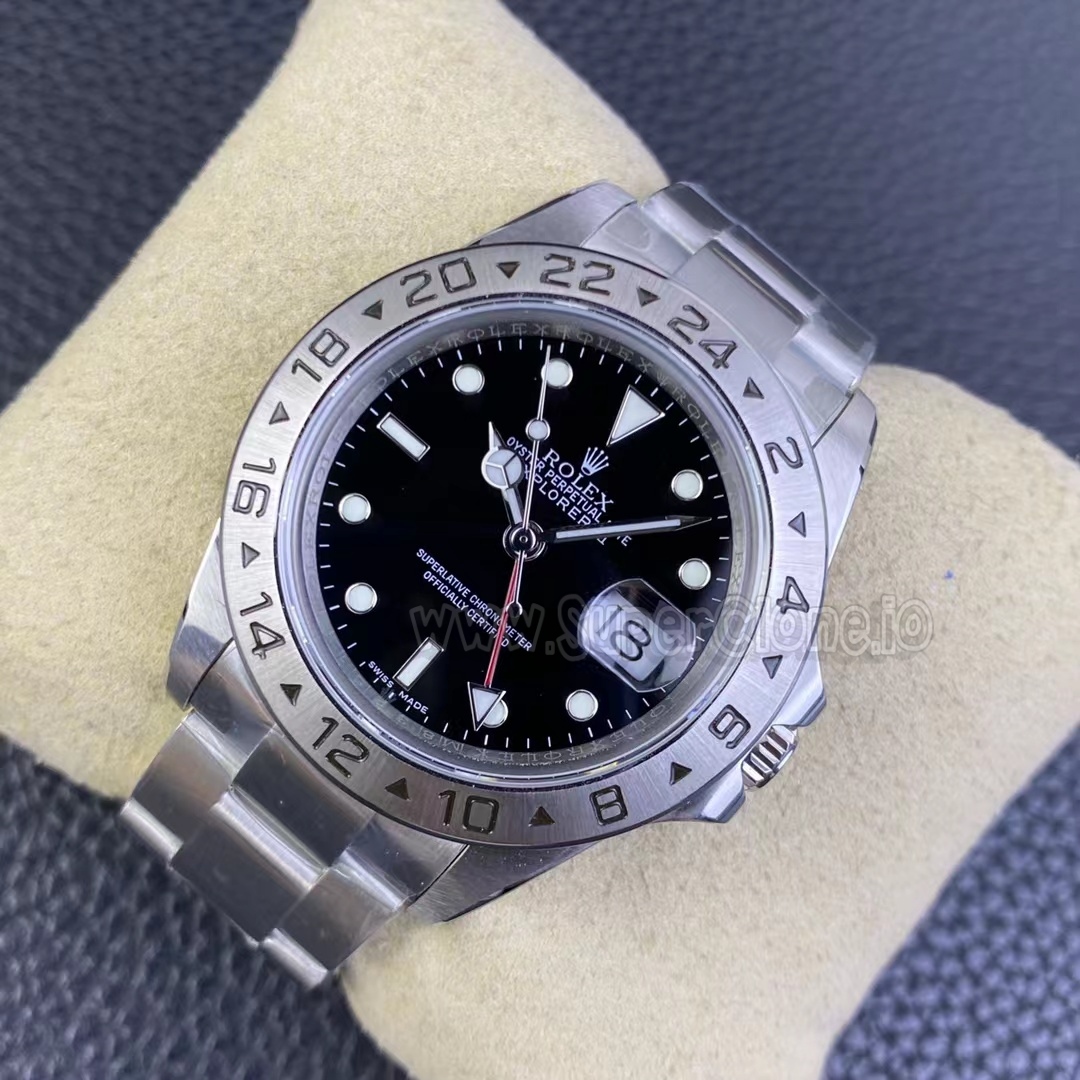
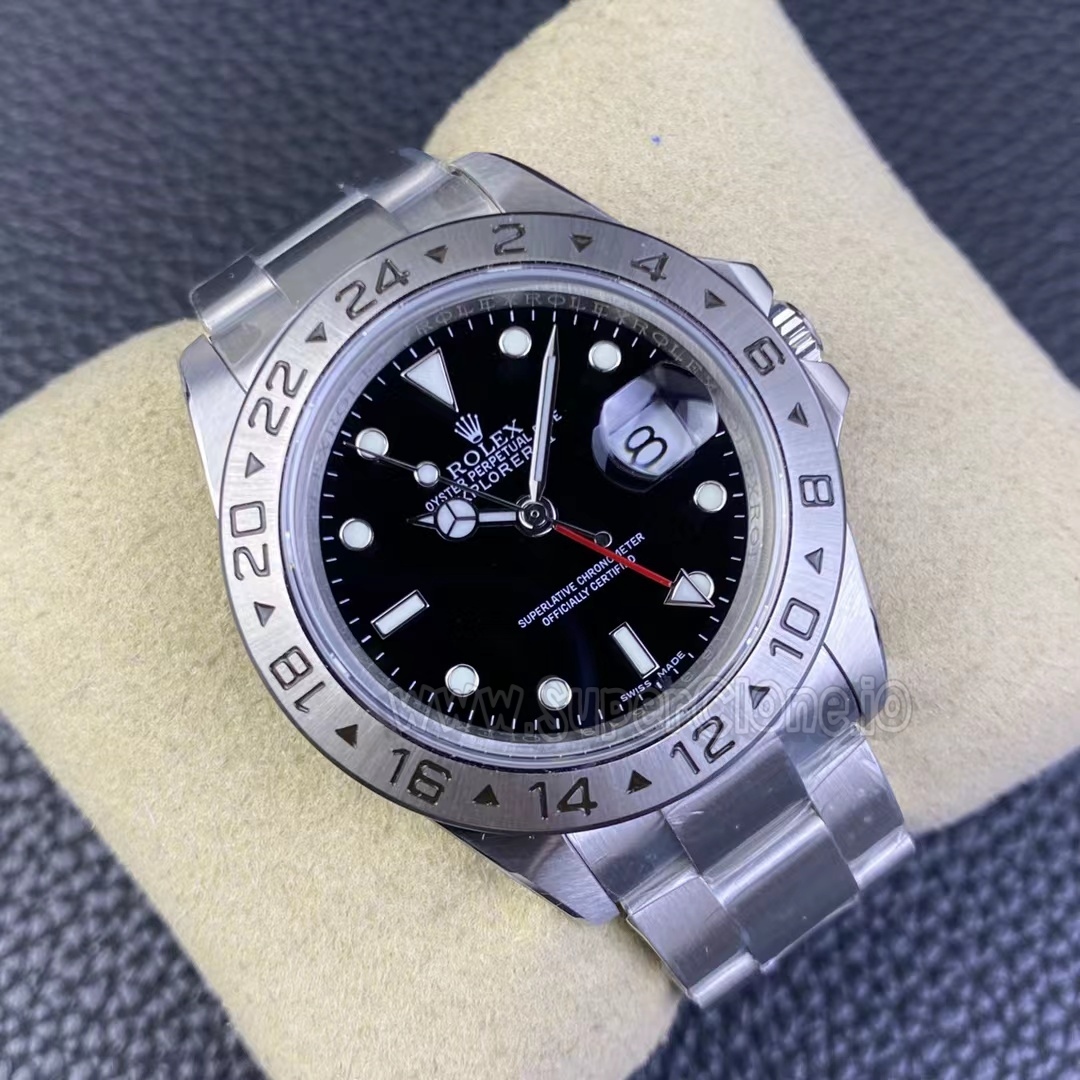
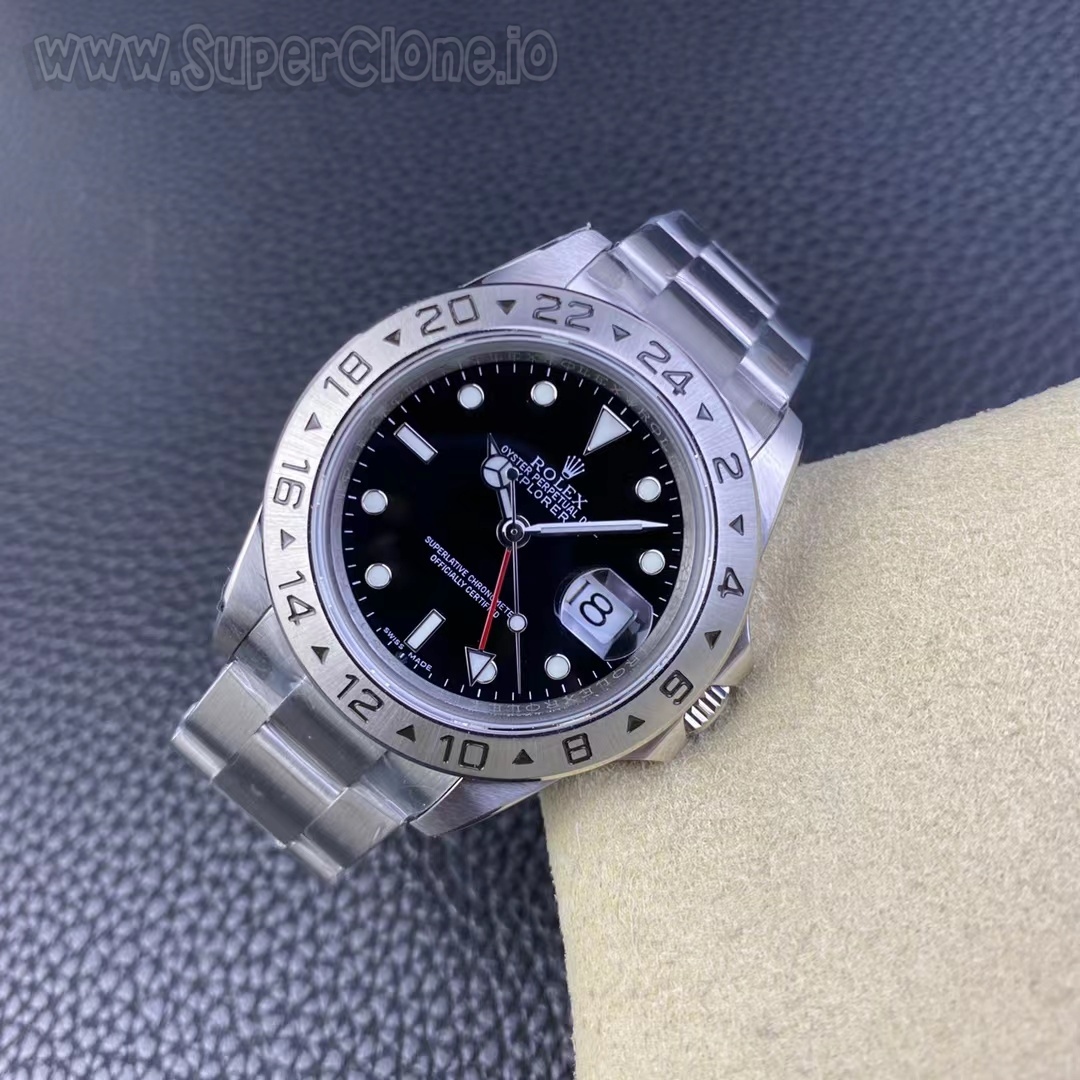
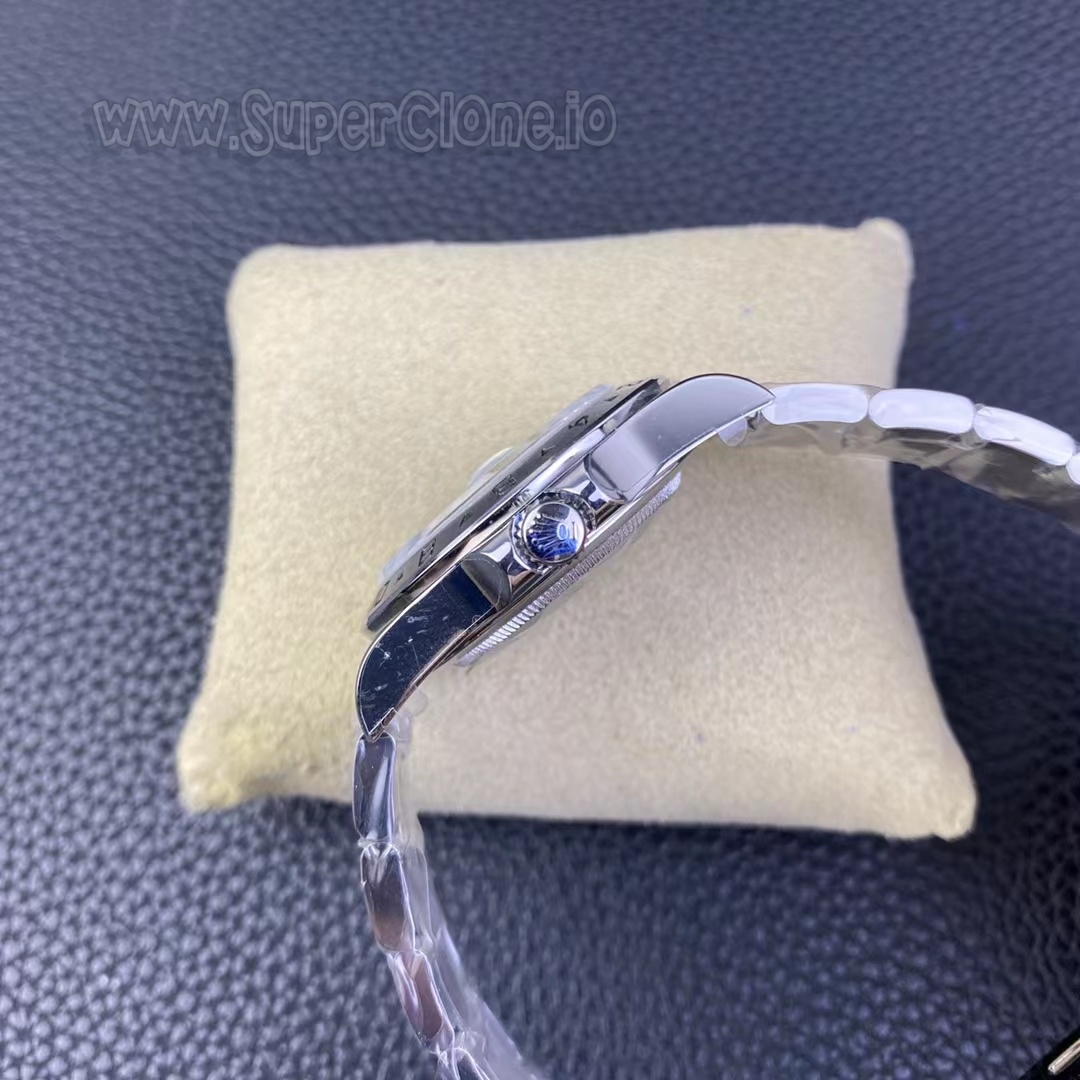
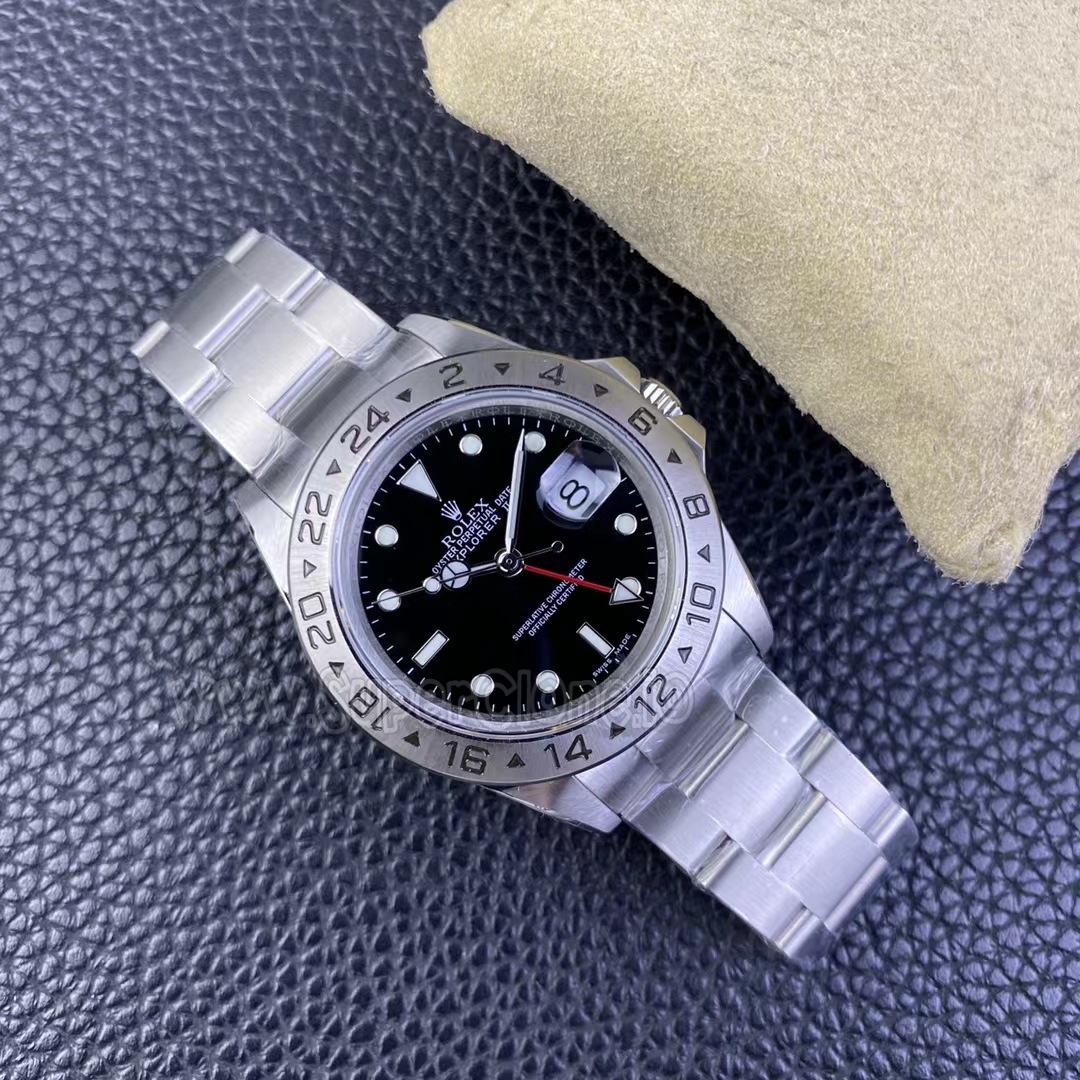
Visually, this Explorer II 16570 replica captures part of the older Rolex character reasonably well. It does not use 904L steel like many current-generation Rolex replicas. Instead, BP uses regular 316L stainless steel, which actually feels more appropriate for a vintage-style project like this. The brushing on the case is slightly rougher and less reflective than modern factory finishing, while the polished sides and edges retain a more industrial appearance that suits the Explorer II design surprisingly well.
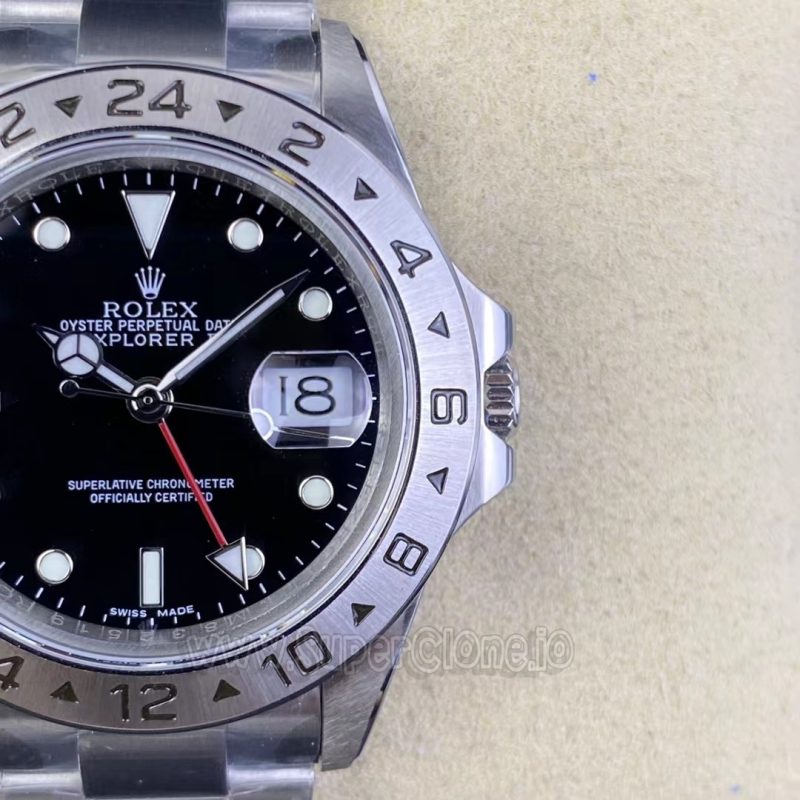
The bezel is one of the most difficult parts of the 16570 to reproduce correctly because the fixed 24-hour scale dominates the entire front profile of the watch. Incorrect fonts or badly filled black markers become obvious immediately. BP’s execution is not perfect, but at least the engraving and black coating remain relatively clean compared with many lower-grade vintage Rolex replicas. The crystal also sits slightly above the bezel, preserving some of the layered visual depth commonly seen on older Rolex sports models.
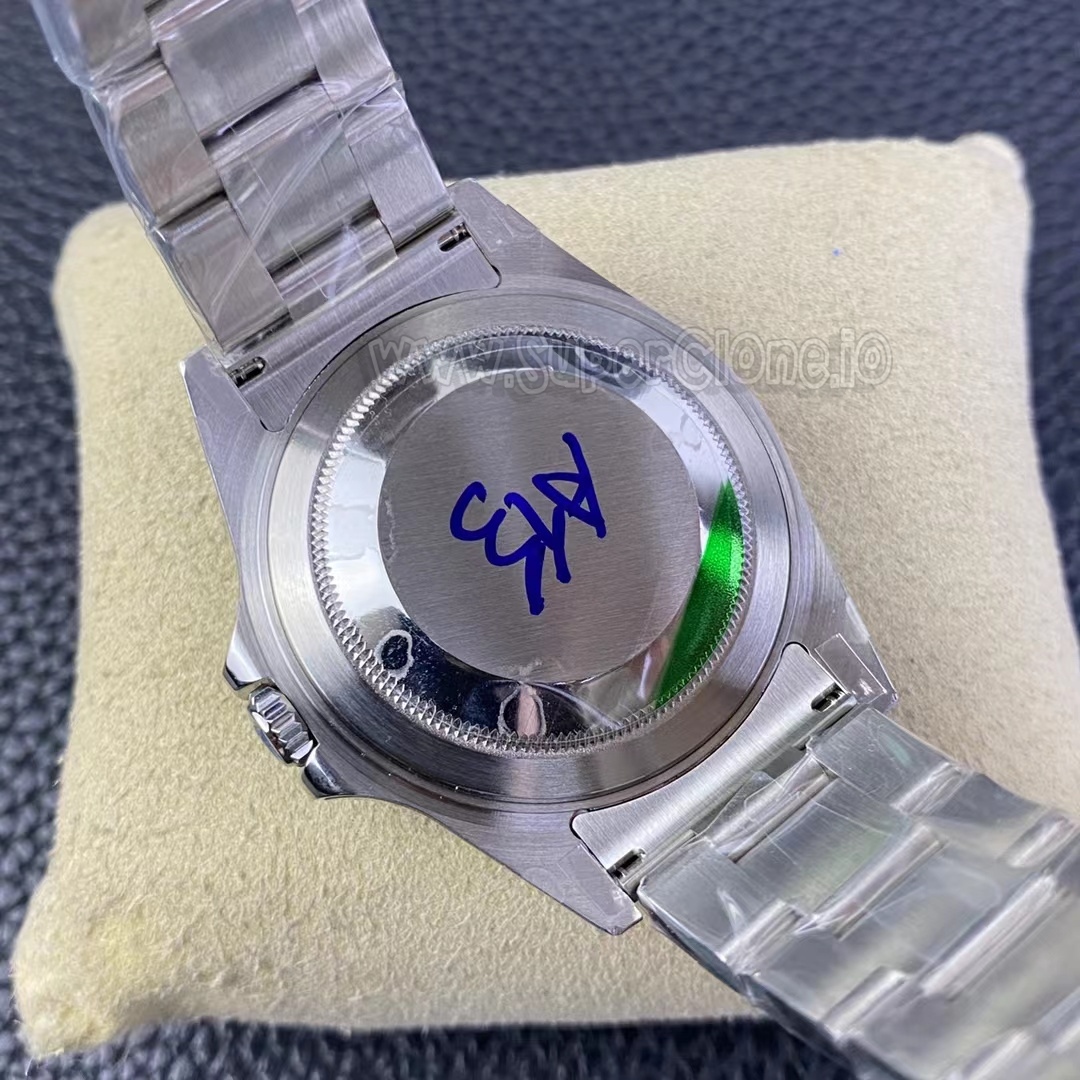
Many newer buyers still misunderstand the “AAA” or “A+” stickers commonly seen on the back of these watches. Years ago, those labels were often used inside wholesale markets to separate different quality levels, but they never truly represented top-tier replicas. Today, most genuine high-end super clone factories such as Clean, VS and ZF no longer use those stickers at all. Their products rely more on reputation, movement architecture and factory recognition rather than printed grading labels.
BP continues using these old-style stickers largely because the factory still follows many traditional practices from the older replica market. For experienced buyers, the sticker itself means very little. What matters more is case shape, dial texture, bracelet finishing and long-term movement reliability.
Inside the watch is an Asia 2836 automatic movement. Today, many collectors immediately dismiss 2836-based replicas because the market is now dominated by Dandong movements and modern clone calibers designed to replicate original Rolex structures. But historically, the 2836 and 2824 were among the most important movements in the entire replica watch industry.
For many years, almost every reliable Rolex replica depended on ETA-style architecture. These movements were simple, durable, relatively easy to service and much more forgiving than today’s heavily modified clone movements. Only after the market started prioritizing visual accuracy and movement duplication did factories aggressively begin developing fully cloned Rolex calibers.
That is why this Explorer II 16570 feels more like a continuation of the older replica watch market rather than a modern high-end product. It is not designed to impress people with extreme detail or expensive movement engineering. Instead, it delivers a simpler and more mechanical vintage Rolex feeling that many modern replicas no longer have.
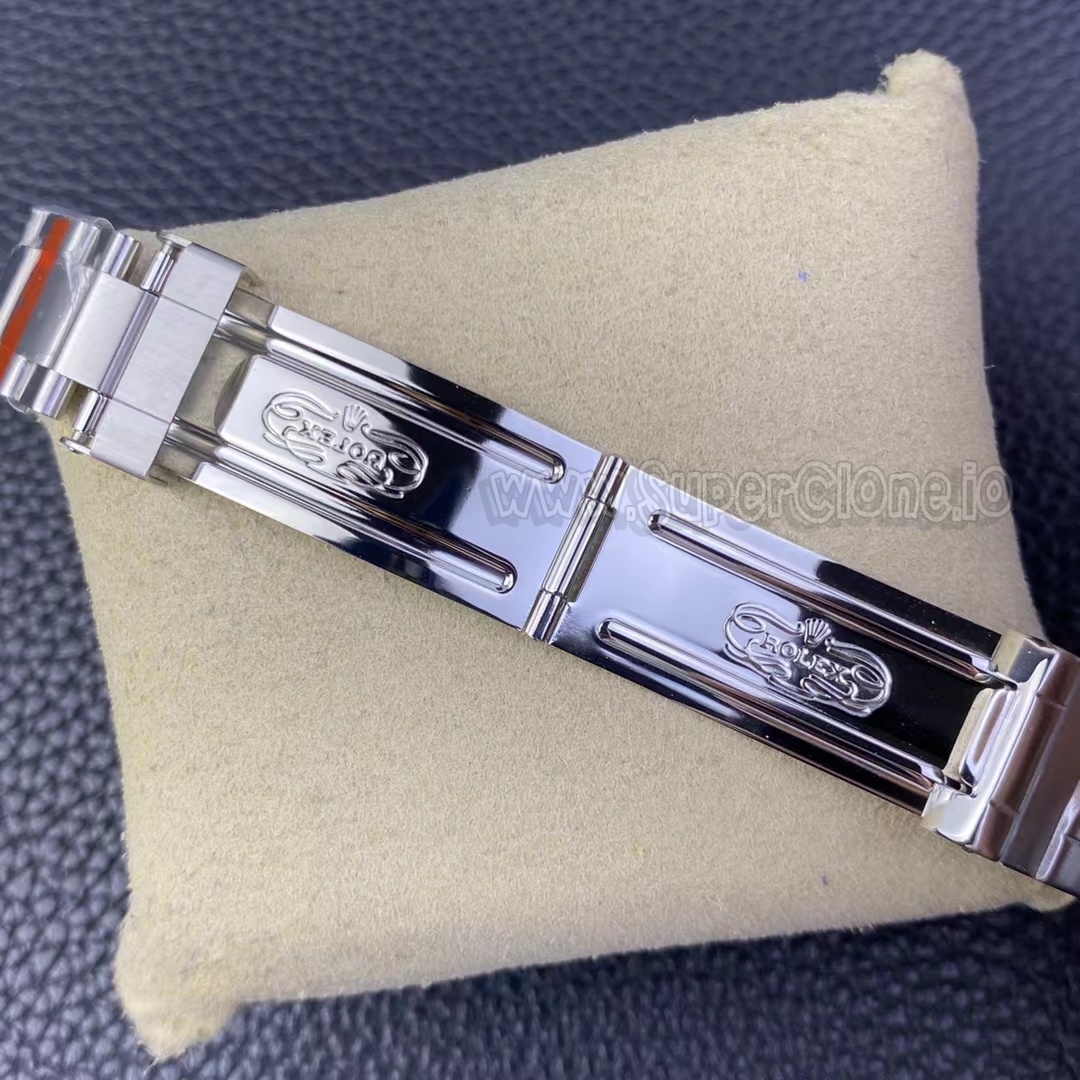
Of course, by current standards, the watch still has several weaknesses. The lugs are slightly thick, the bracelet finishing lacks refinement, the lume texture feels basic and some proportions are not completely accurate. But collectors interested in the 16570 often care less about absolute perfection and more about the overall vintage personality of the watch itself.
Modern Rolex replicas have become increasingly industrialized, with factories focusing heavily on standardization and technical upgrades. Vintage Rolex replicas operate differently. Their appeal comes from imperfection, aging and the atmosphere surrounding older Rolex references. The Explorer II 16570 belongs exactly in that category. It does not have the aggressive presence of a Daytona or the universal recognition of a Submariner, but its understated design gives it a stronger tool-watch identity that many collectors still appreciate today.
Vintage Rolex replica watches are difficult because factories are not only copying appearance. They are also trying to reproduce the feeling of a completely different Rolex era. Modern factories can create extremely accurate contemporary Rolex replicas, but reproducing the subtle details of older Rolex models remains much harder. The aging, the softer case lines and the overall worn-in personality are difficult to manufacture artificially.
This BP Factory Explorer II 16570 may not be the most accurate vintage Rolex replica available, but it still preserves part of the older market atmosphere that many collectors miss today. Ironically, after spending years chasing the newest and most advanced super clone watches, many experienced buyers eventually become more interested in these older and less perfect Rolex references instead.
