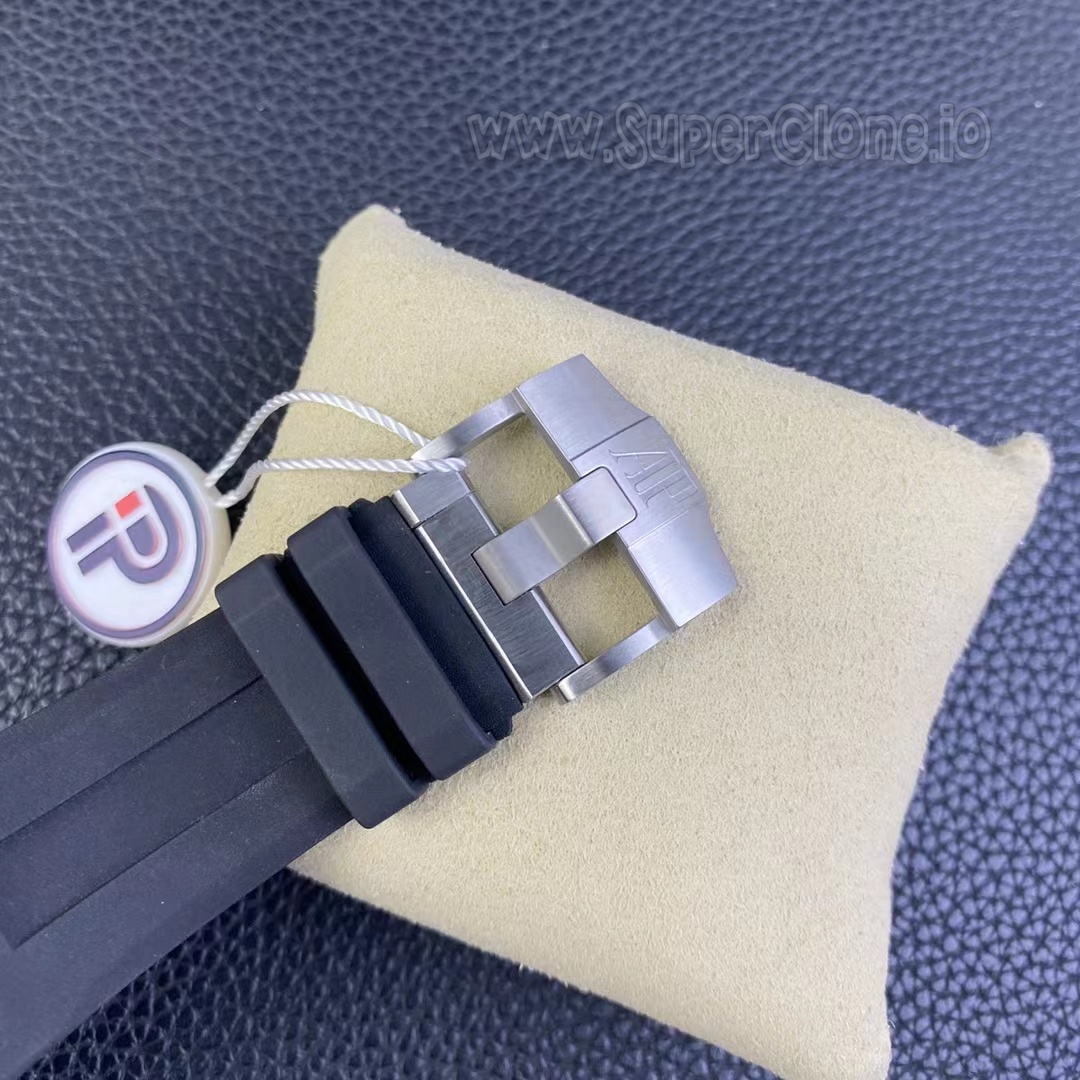
Who Actually Makes a Decent AP Royal Oak Offshore Diver 15720 Replica Today?
The Royal Oak Offshore Diver used to be one of the most recognizable AP replica models on the market. A few years back, whether folks were chatting about the 15703 or the 15710, JF was almost always the name on everyone’s lips. Their Offshore Diver replicas absolutely dominated the category for a long time, especially once they rolled out those later V10 upgrades. Back then, JF had already figured out something many factories still struggle with today: how to execute an AP case profile to look genuinely expensive instead of simply feeling like an oversized, bulky hunk of metal.
Things changed in a hurry once JF vanished from the scene. The classic 15703 and 15710 gradually became unicorn pieces—hard to source and even harder to verify batches. Meanwhile, ZF stormed into the AP market with serious aggression, though most buyers focused heavily on their Royal Oak 15400 and 15500 models rather than the Offshore Diver pieces. At the same time, APS started gaining serious traction in the AP replica scene because they were one of the few factories still willing to invest heavily in clone movement development from the ground up. Their clone 3120 movement used inside the 15400 series is already a massive leap up from older AP replica calibers, and the release of their 15710 V2 last year brought some much-needed attention back to the Offshore line again.
The New Generation Challenge: Replicating the AP 15720
But the watch discussed here is not the older 15710 reference. It is the newer generation Royal Oak Offshore Diver 15720. Compared with the previous generation, the 15720 feels noticeably more modern on the wrist. The dial layout proportions have changed, the inner rotating diving bezel mechanics feel more aggressive, and the overall visual balance moved closer to the current AP design language.
The problem is that top-tier heavyweights like ZF and APS do not currently produce a true super clone version of the 15720 reference. If you want a reasonably good replica today, there are basically only two realistic options left standing in the market: BF and IPF.
Why IPF Stands Out in Finishing Quality
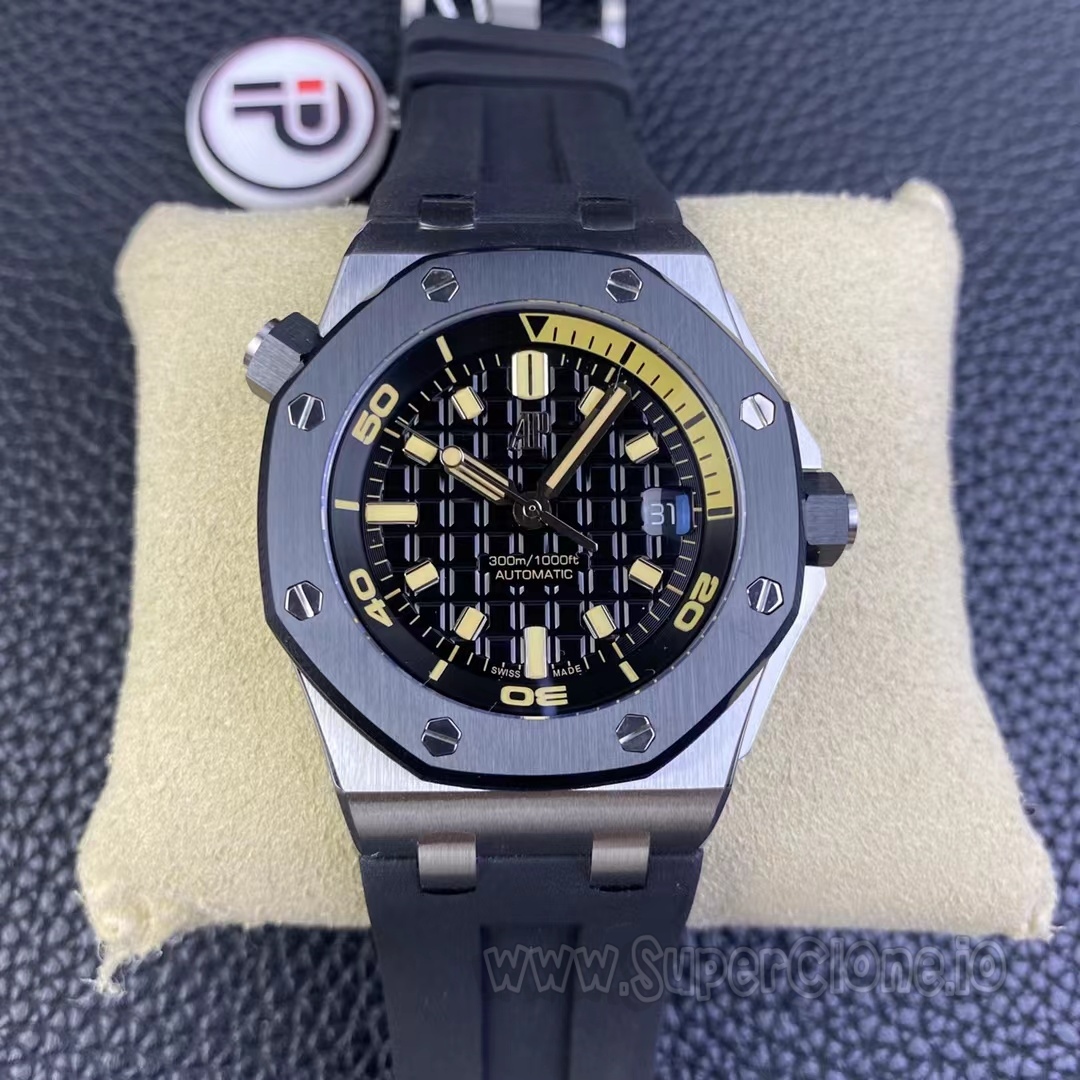
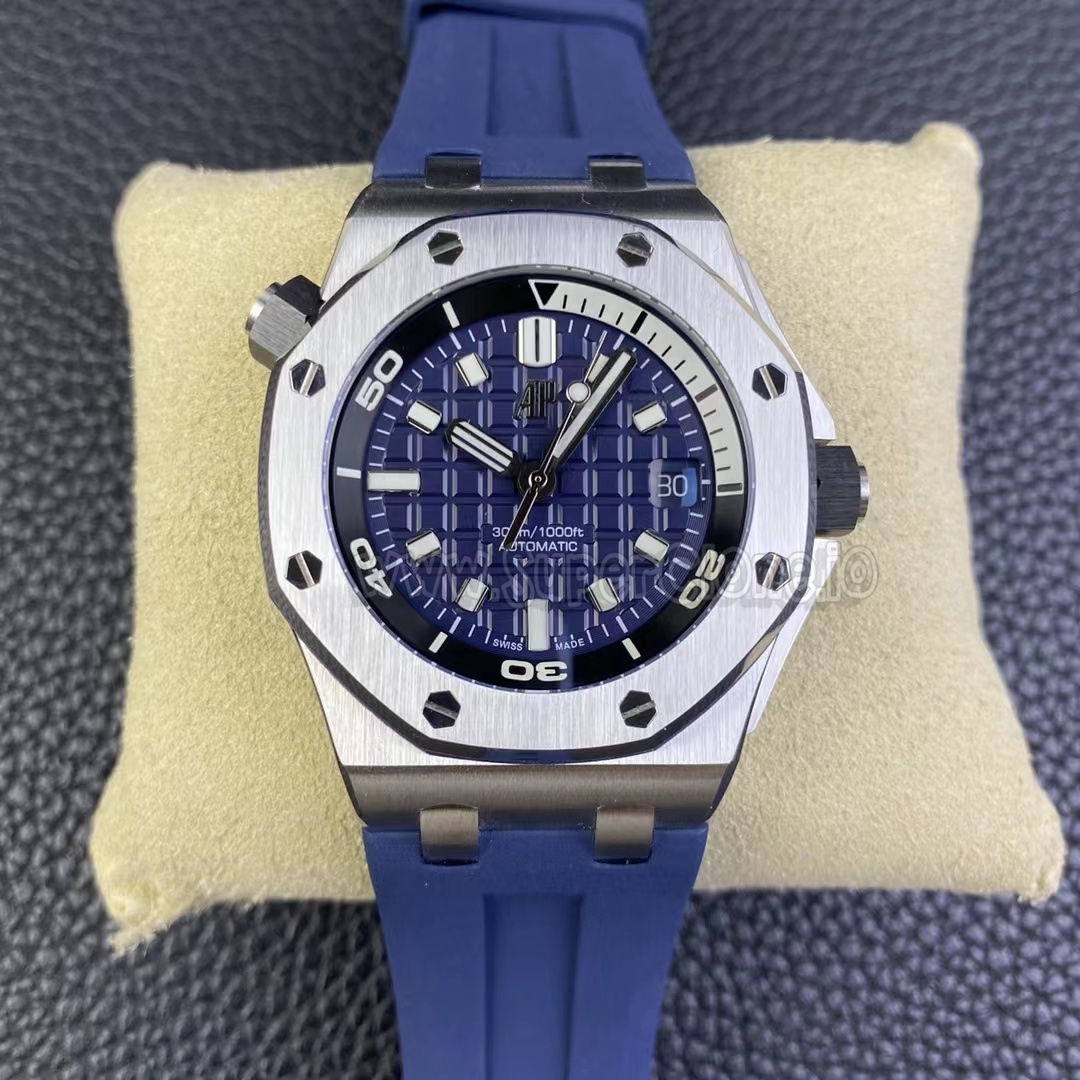
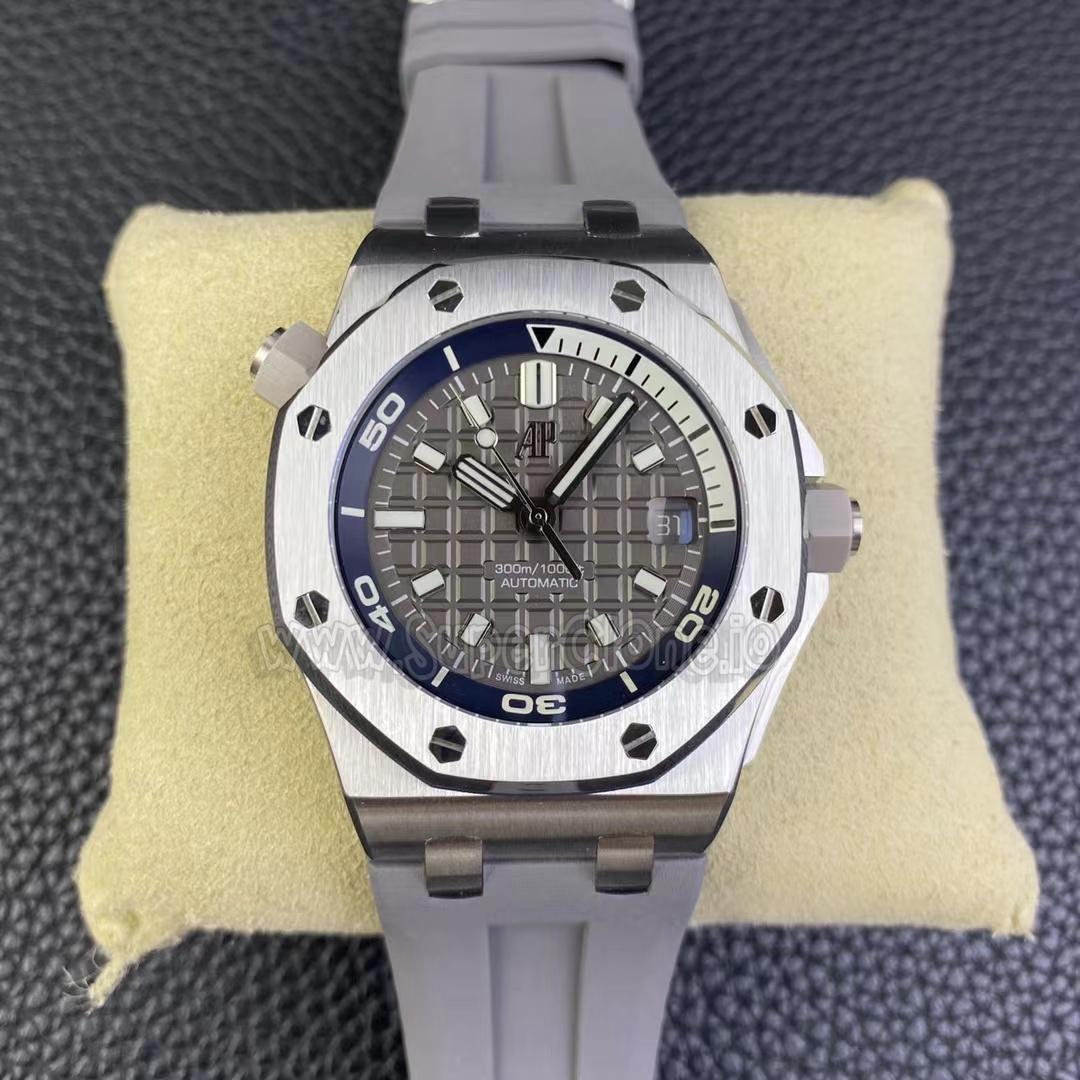
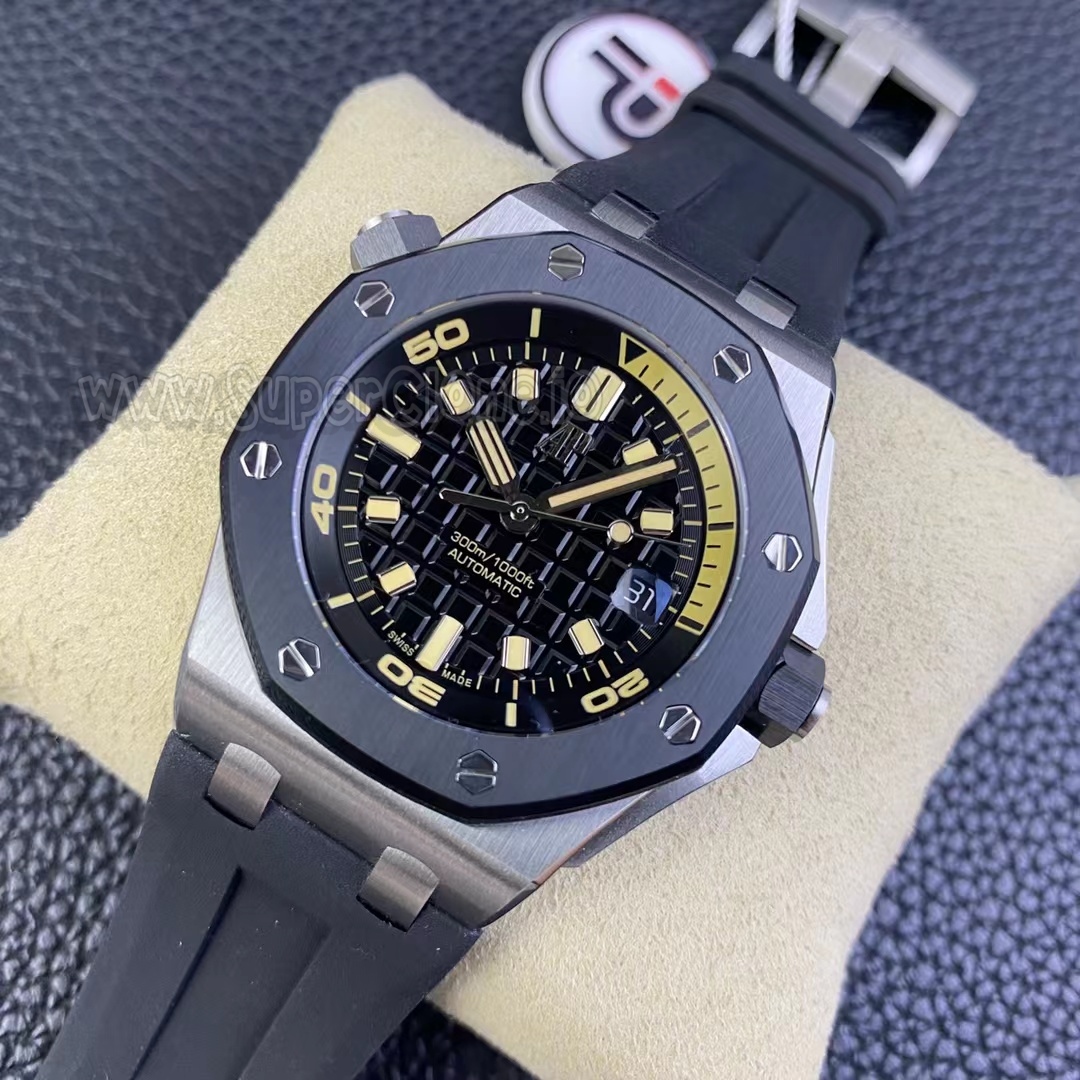
Between the two, IPF looks significantly more convincing. At least from the hands-on photos and early buyer feedback, they appear to have spent way more effort on the fine finishing instead of just copying the basic geometric shape. IPF currently offers the 15720 in black, grey, green, and blue dial options. Personally, the black version feels the most balanced because it preserves the pure tool-watch character and rugged DNA that made the Offshore Diver line attractive in the first place.
Let’s be real—the biggest challenge with any high-end AP Offshore replica has never been printing the dial. It is always the intricate case construction. Royal Oak cases are extremely angular, filled with sharp transitions, satin-brushed planes, and mirror-polished bevels. Offshore Diver models are even harder to nail because of their larger dimensions and thicker overall structure. If the vertical brushing is inconsistent or the hand-polished edges are too soft and rounded off, the watch immediately loses the premium look of an authentic AP. That was the exact reason why JF earned such a legendary reputation years ago. Their cases consistently looked sharper, cleaner, and more refined than most competitors.
An In-Depth Look at IPF Case and Bezel Craftsmanship
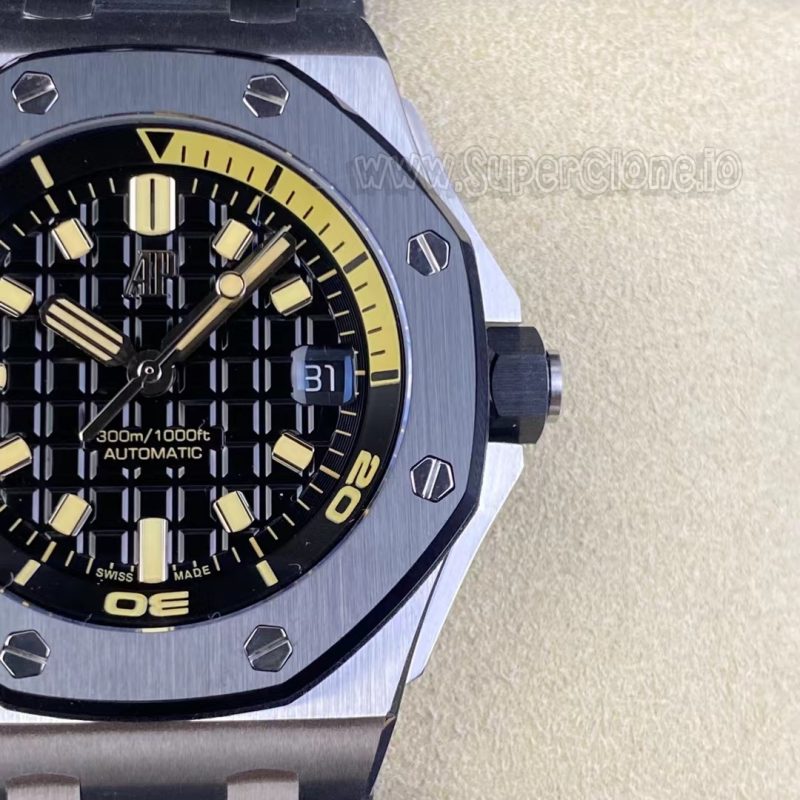
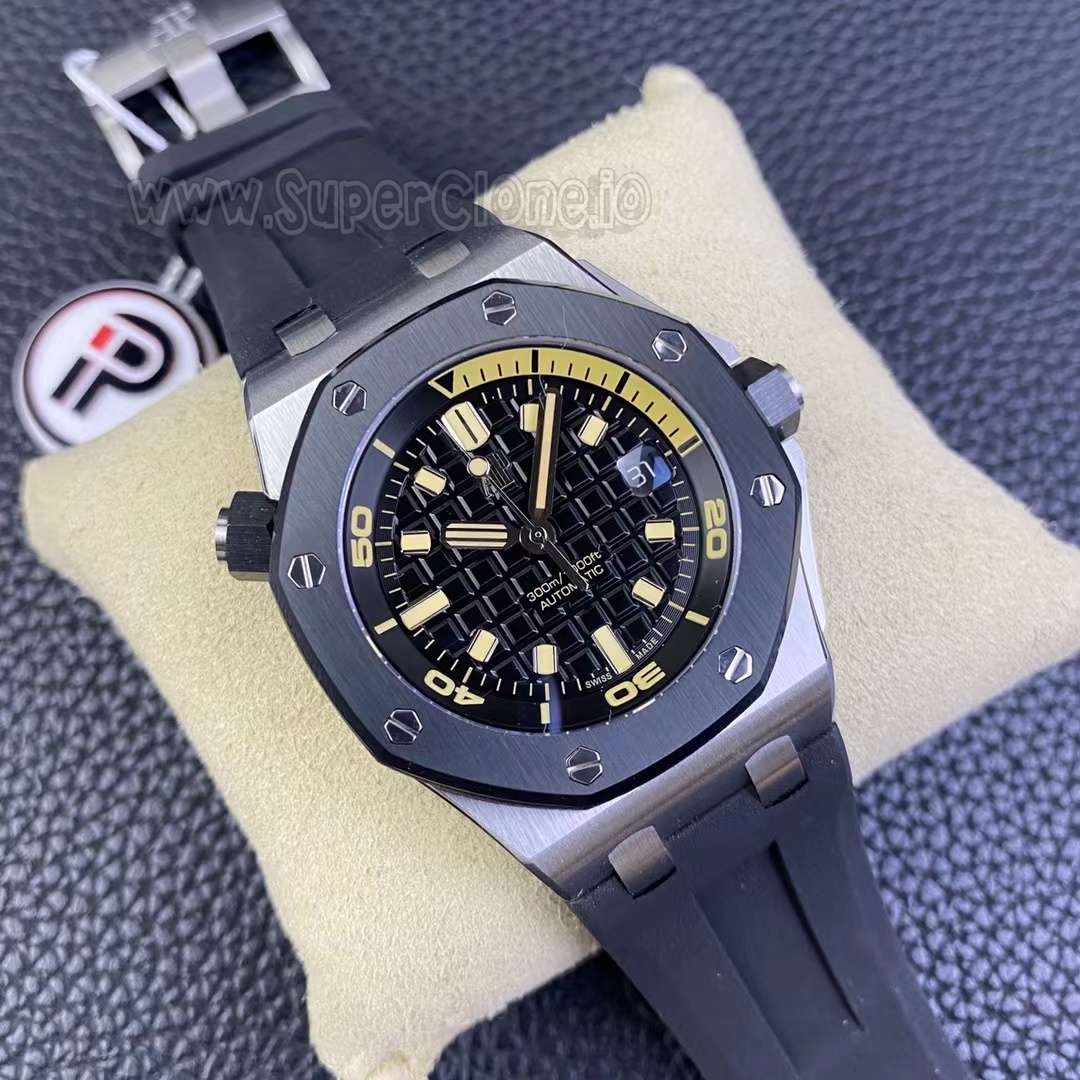
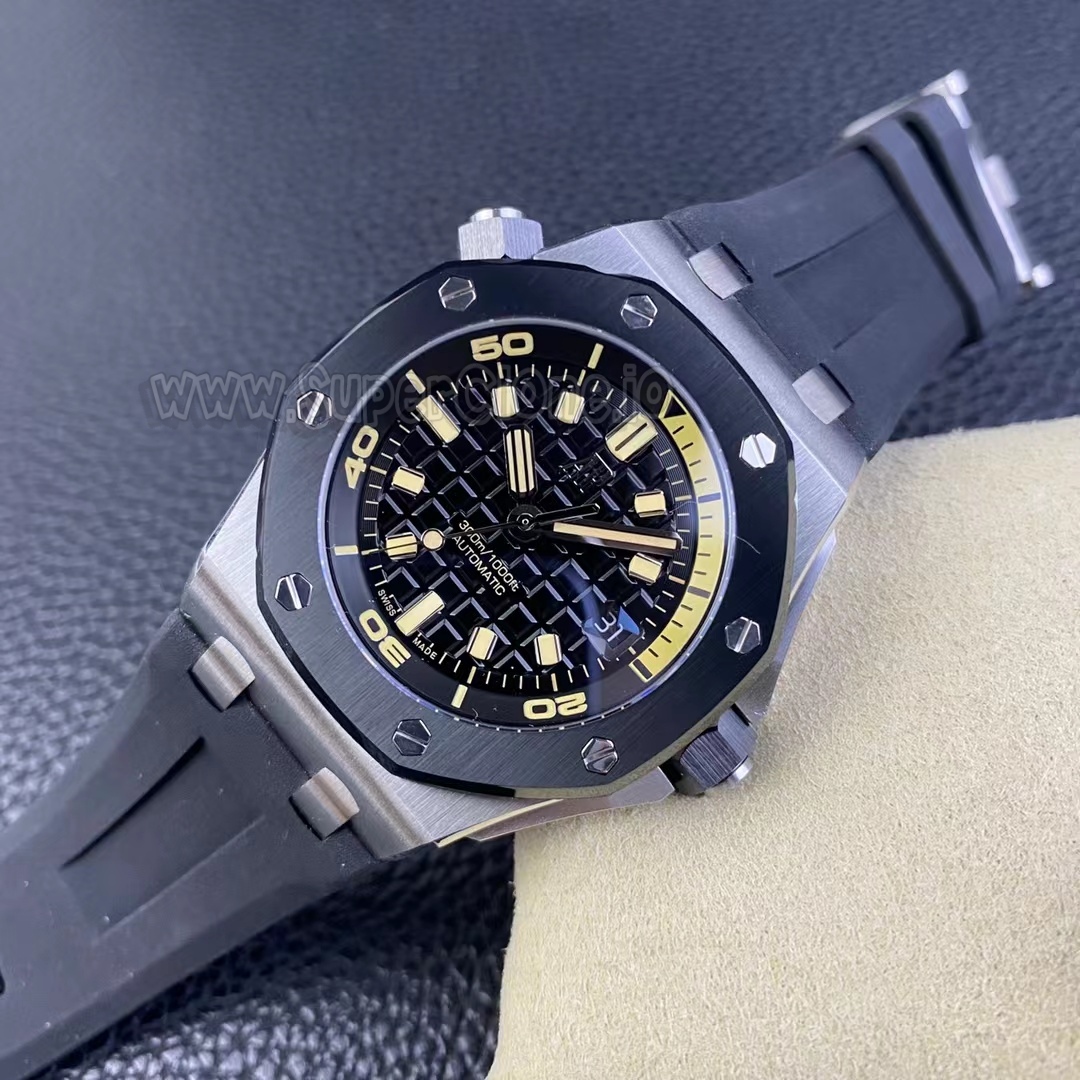
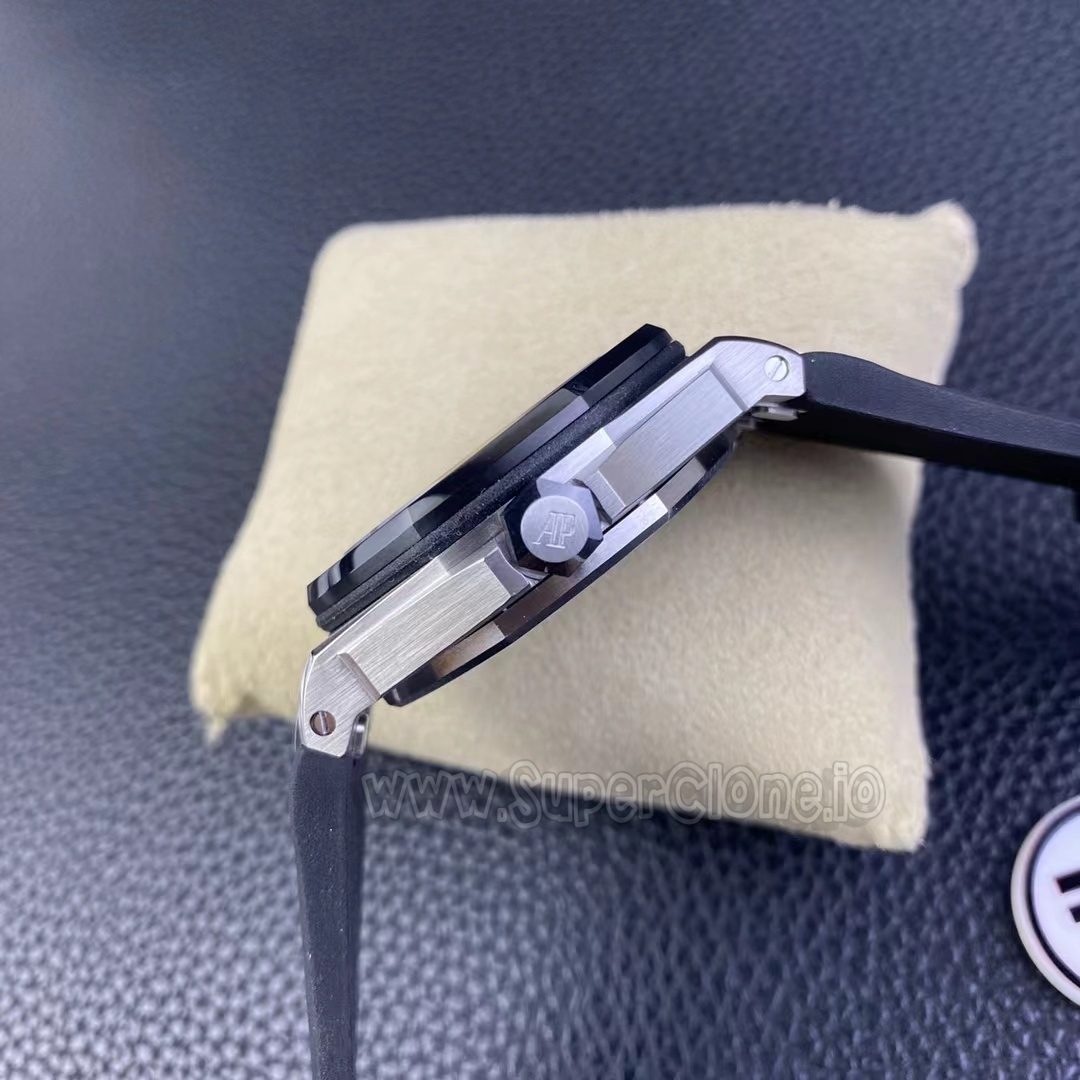
Fortunately, IPF did not drop the ball in this critical area. The watch keeps the original 42mm diameter and sits right around 14.2mm thickness, so it still packs that heavy, unmistakable Offshore presence on the wrist. The mid-case utilizes beautifully brushed stainless steel, while the black octagonal bezel is made from real ceramic featuring clean vertical brushing across the front surface and high-gloss polished edges around the sides. Since the bezel occupies such a massive portion of the watch visually, poor finishing would be easy to notice immediately. Based on the available batch photos, the grain of the brushing looks relatively clean, uniform, and consistent.
Dial Details, Font Densities, and Lume Realism
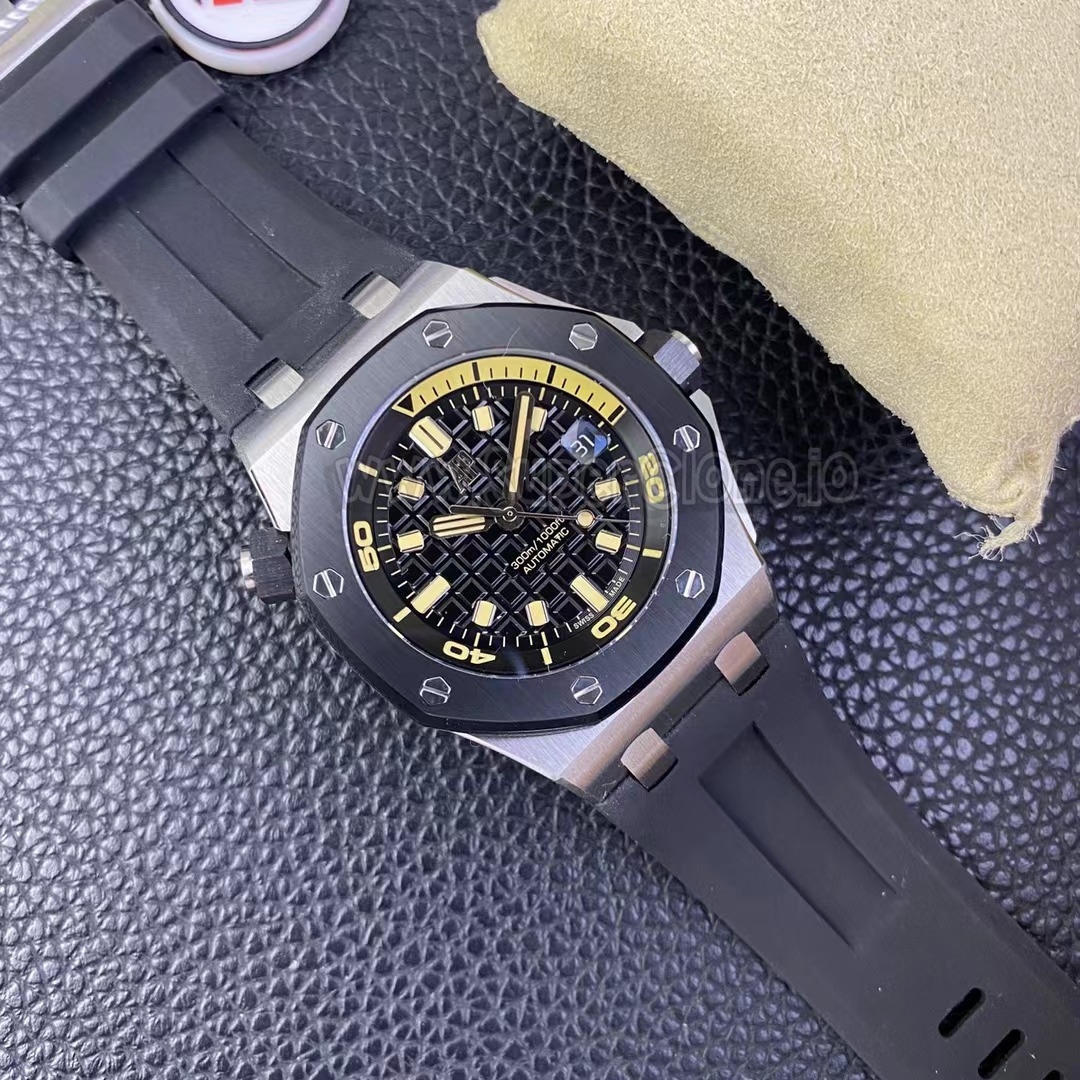
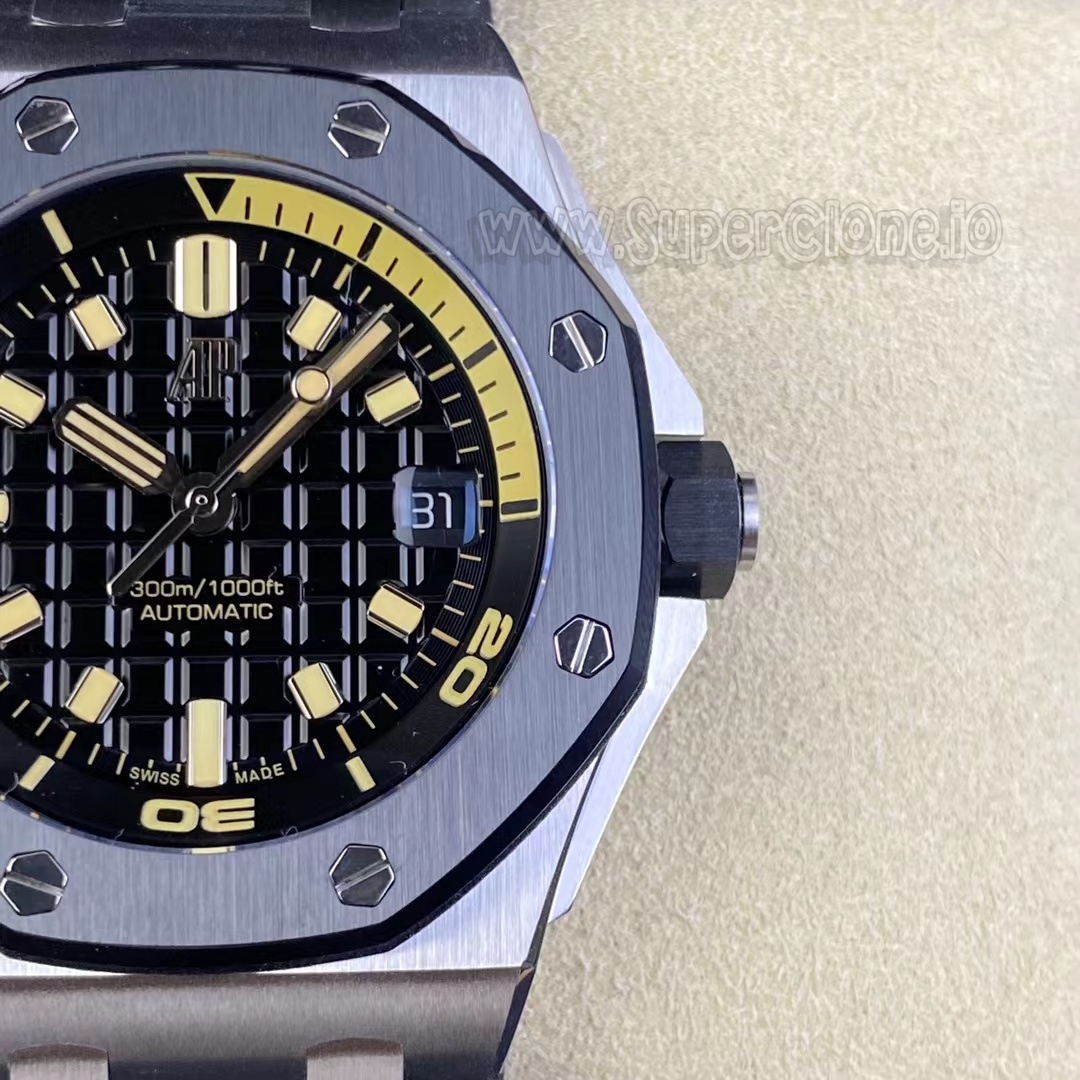
Compared with the older 15710, I still slightly prefer the previous generation’s dial layout. The 15710 had more open space and felt easier on the eyes, while the new 15720 layout looks denser and more compact due to the resized elements. The wider hour markers on the new model do allow for a stronger Super-LumiNova application and excellent night performance, but they also make the dial visually busier.
One of the strongest visual details on the black version is the yellow diving scale inside the rotating bezel. The sharp contrast between the vivid yellow numerals and the black “Méga Tapisserie” waffle dial improves legibility at a glance and gives the piece a modern, professional dive-watch appearance. The crown at 10 o’clock drives this inner ring with a smooth, tactile resistance.
Movement Breakdown: Miyota 9015 Architecture vs. Calibre 4308
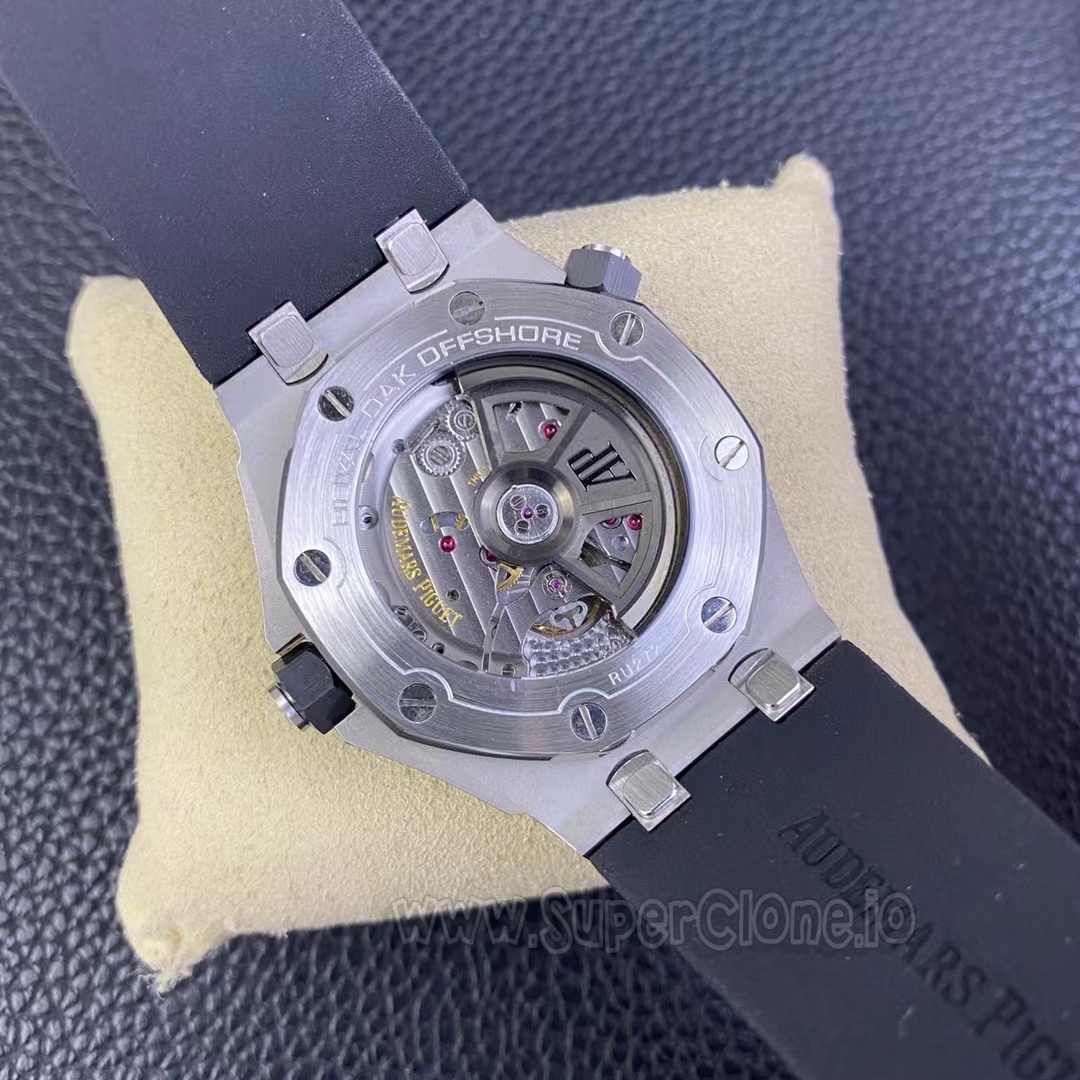
The movement clone accuracy is another area buyers care about heavily today. IPF uses a modified movement based on the ultra-reliable Japanese Miyota 9015 architecture while redesigning the top plate appearance to imitate the authentic AP Calibre 4308. Through the sapphire caseback, you can see the engraved bridges, faux jewel placements, and the large AP logo skeleton rotor. Structurally, this setup is miles ahead of the cheap, unreliable decorative plates glued onto low-end movements by budget factories, and its daily timekeeping stability should be rock-solid for long-term daily wear.
However, calling it a true 1:1 super clone 4308 engine would still be a stretch. At the moment, no replica factory has fully developed a ground-up, integrated clone 4308 movement at the same technical level as the iconic Dandong 4130 or the clone 3235 architectures found in top-tier Rolex replicas. What IPF engineered here feels more like a visually convincing, highly stable solution rather than a fully cloned, part-for-part movement replica. For regular wearing, it will perform its job flawlessly, but there is still a noticeable visual gap on the balance wheel placement when compared to top-tier integrated super clone movements.
Pull the Trigger or Wait for ZF/APS?
I still believe APS and ZF will eventually enter the 15720 market. The reason is fairly simple: the 15720 reference has already officially replaced the 15710 as the current-generation Offshore Diver platform, and AP replicas continue to maintain insane demand overall in the community.
The only real question is timing. Most major factories prioritize mainstream Royal Oak lines first because those standard profiles sell much faster and in larger quantities. Offshore projects usually come later in the release cycle. Until then, the IPF 15720 remains the most wearable, best-finished, and reliable option currently available on the market for people specifically looking to add this newer AP Diver reference to their collection.