APS Factory’s New Panda Daytona Looks Promising, But Clean Still Holds the Advantage
The replica Daytona market has been unusually predictable, if somebody wanted a reliable Panda Daytona with a clone 4130 movement, the answer was nearly always the same: buy from Clean. BT had its supporters, King occasionally attracted buyers looking for lower pricing, and New Noob entered the conversation later, but none of them seriously changed the overall direction of the market. Clean still controlled most of the attention because their Daytona consistently delivered something people valued more than cosmetic perfection — stability over time.
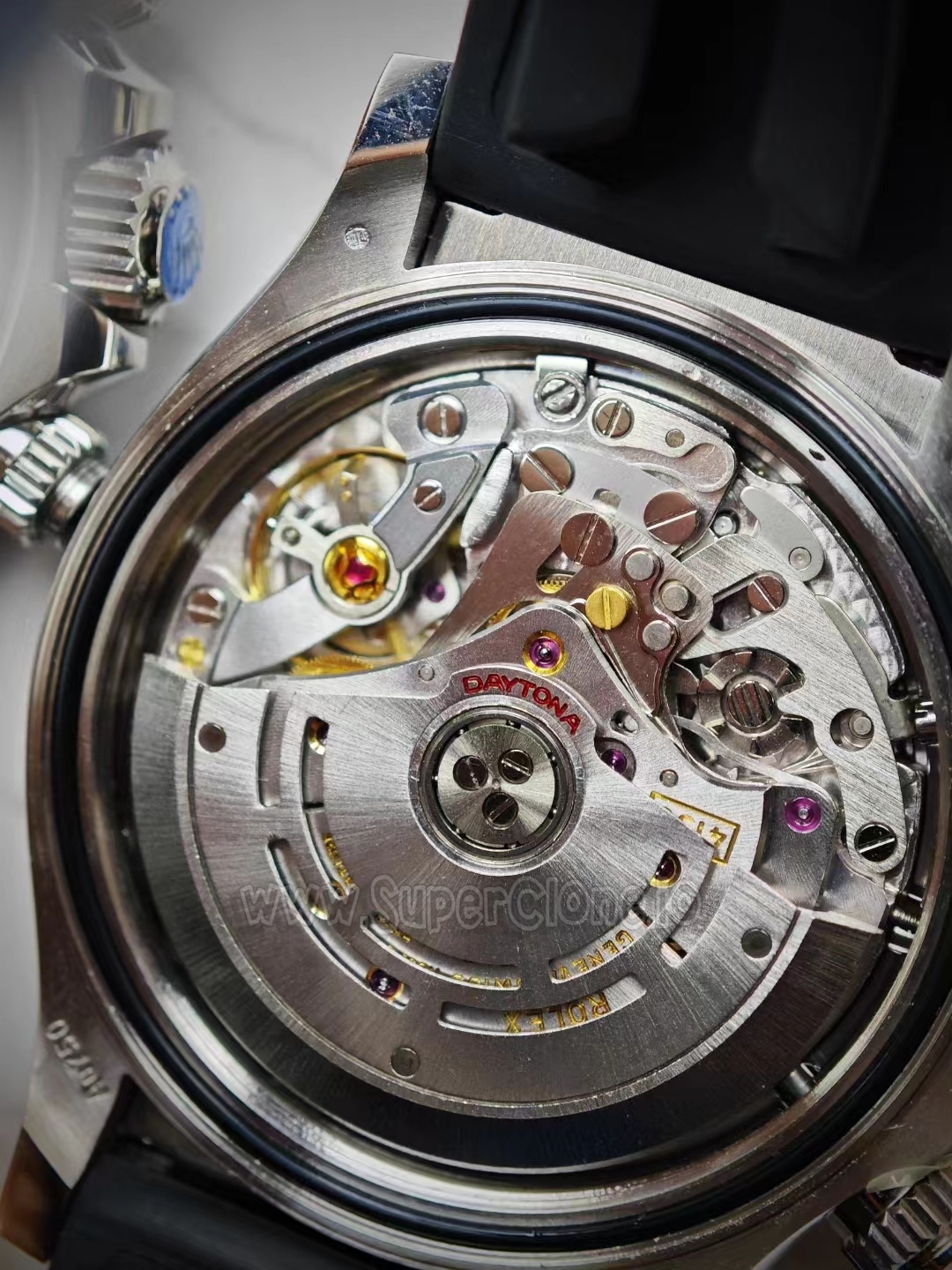
That is why APS factory entering the Daytona field matters more than another routine factory release. APS already built a reputation in AP replicas because of their movement development ability, especially with cloned calibers used in Royal Oak models. Once they announced a Panda Daytona project, many collectors immediately assumed APS would try to challenge Clean at the movement level instead of only focusing on appearance. The expectation became even higher after people learned that APS would not be using the familiar Dandong 4130.
Instead, APS introduced a Shanghai Jinghe 4130 movement inside both the black and white Panda Daytona models. That decision alone completely changed the discussion around this release. In the current market, most buyers already understand how dependable the Dandong 4130 has become after years of heavy use across multiple factories. Thousands of Daytona replicas using that movement have been circulating for a long time now, and serious complaints remain relatively rare considering the production volume. Because of that track record, any factory trying a different 4130 architecture immediately faces skepticism.
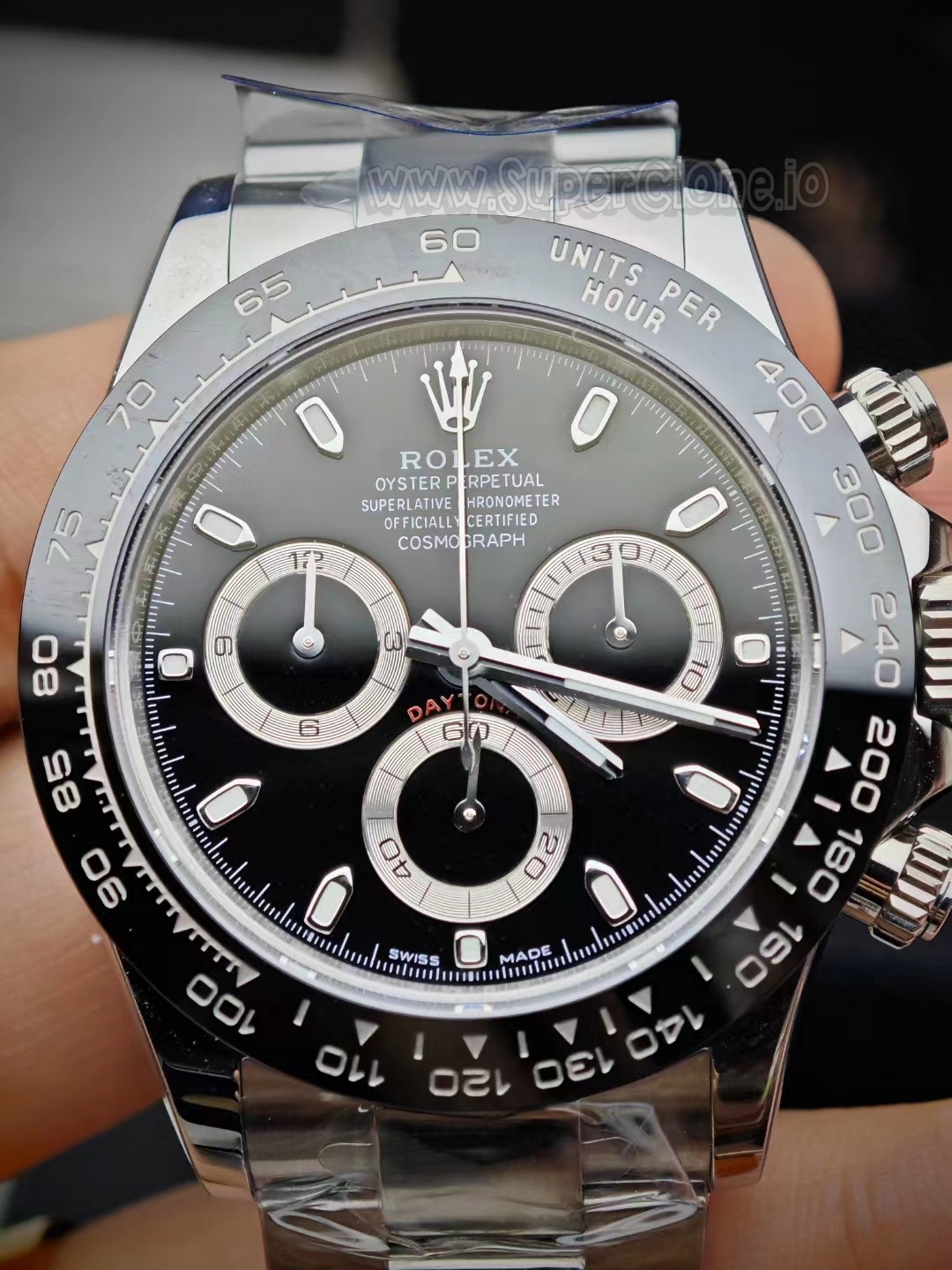
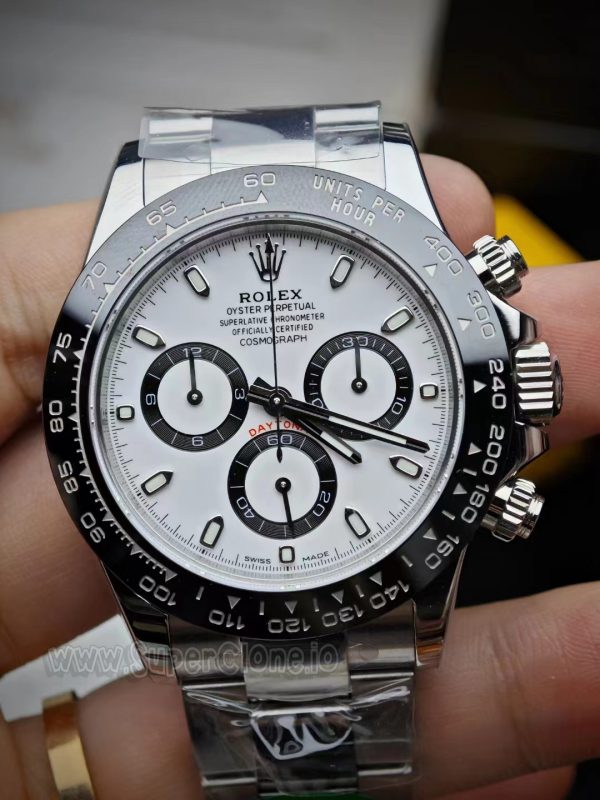
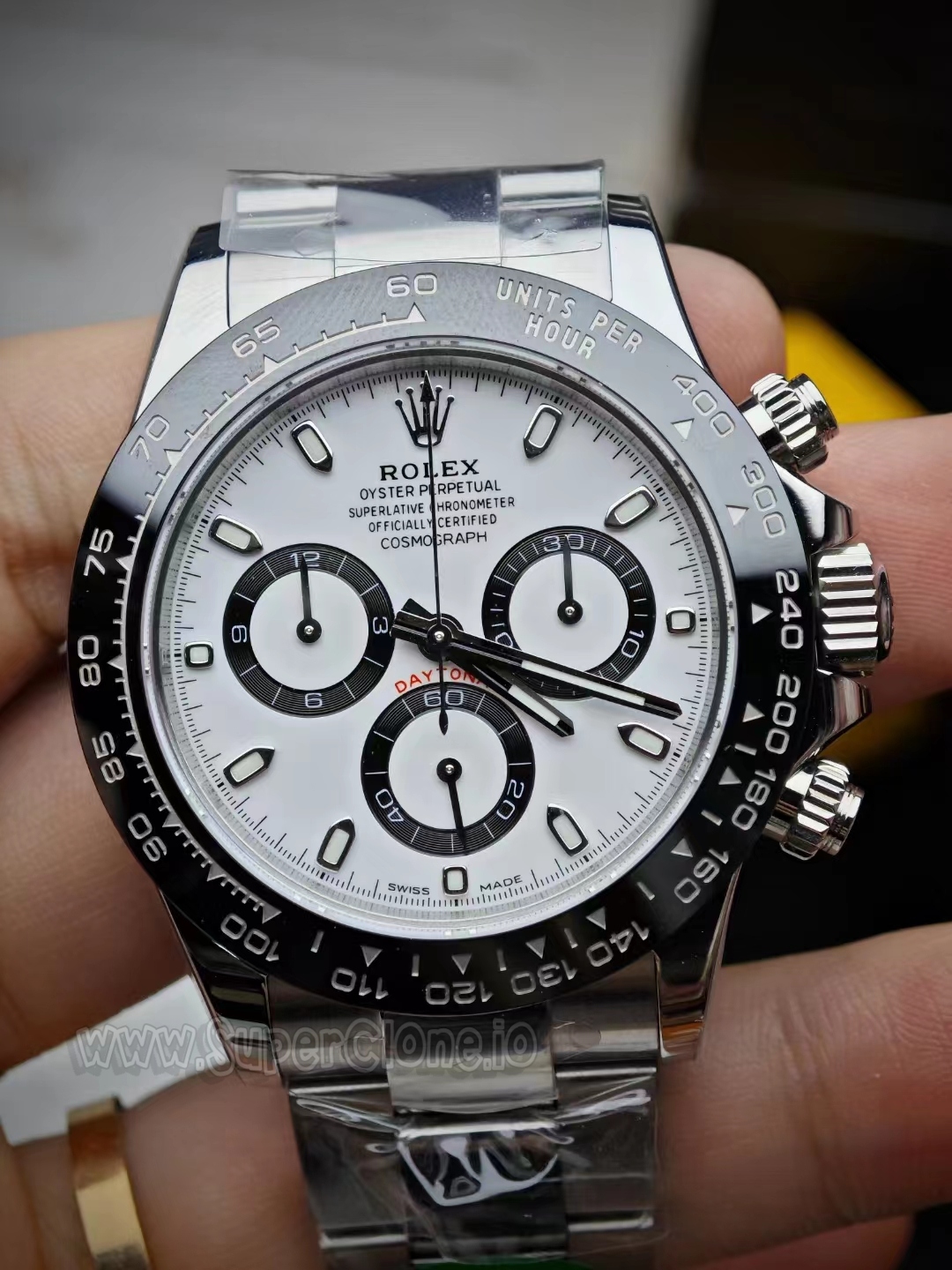
After handling the APS Daytona side by side with the Clean version, the first impression is not disappointment, but it also is not the kind of leap many people expected. APS did not arrive with a watch that suddenly makes existing Daytona options obsolete. The overall case shape looks acceptable, bezel proportions are reasonably controlled, and the finishing quality remains consistent with what APS usually delivers on higher-end projects. The watches do not feel rushed. At the same time, there also is no obvious area where APS clearly surpasses Clean.
The dial actually became one of the more surprising parts during comparison. APS has produced strong dial work on several AP projects before, so expectations were naturally high here. Under closer inspection though, the printing quality on the Daytona dial still feels slightly softer than the current Clean edition. The difference is not dramatic enough to notice instantly from distance, but once placed next to each other, Clean still appears sharper and more refined around the subdial text and marker edges.
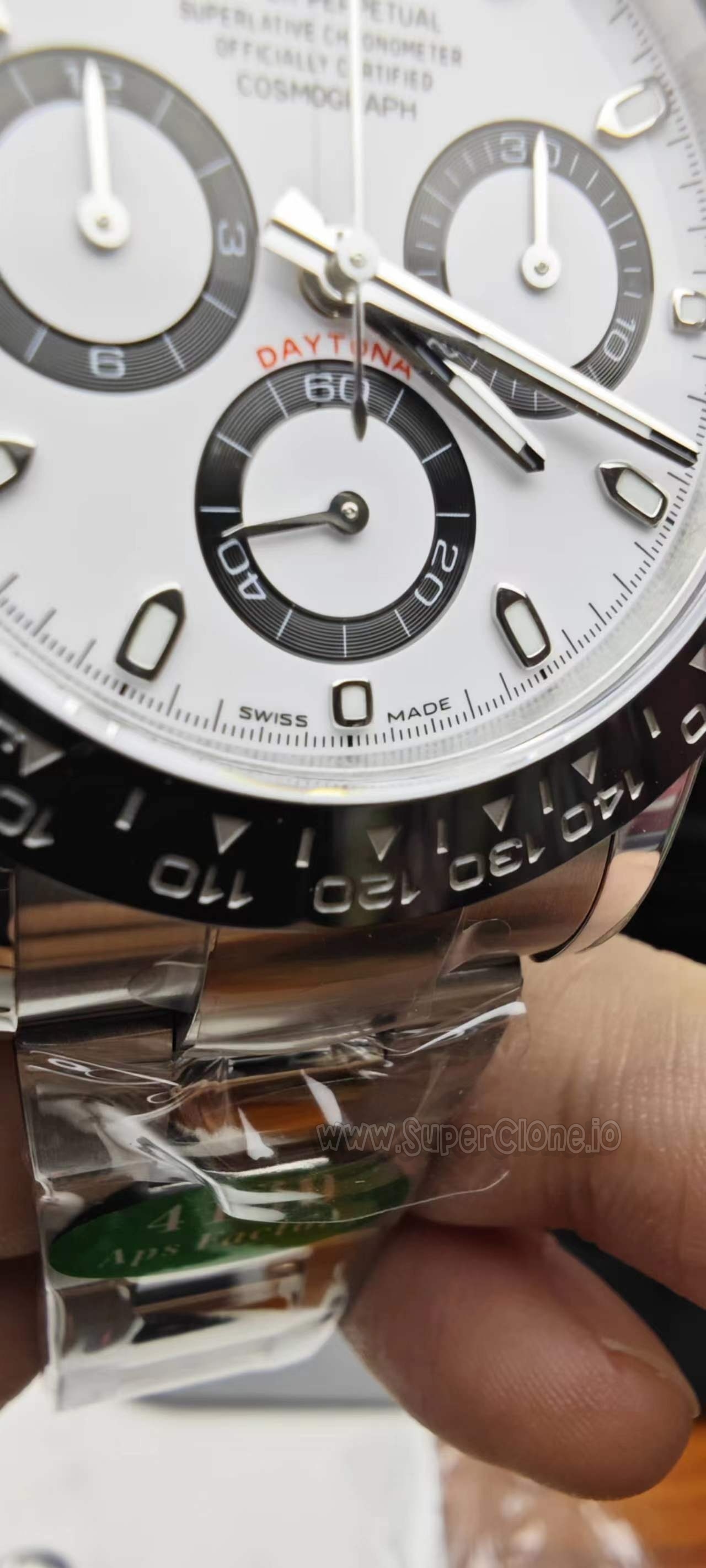
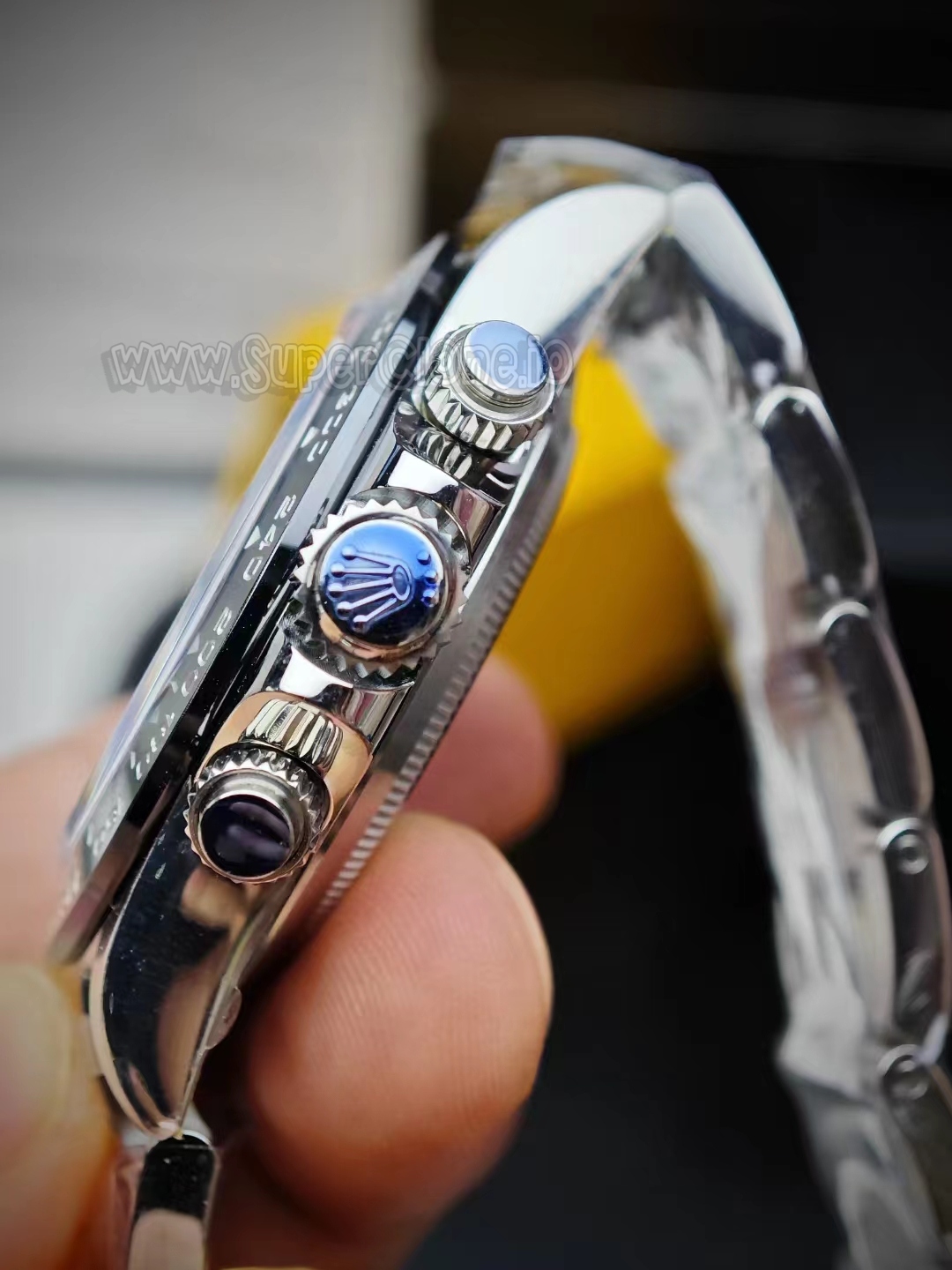
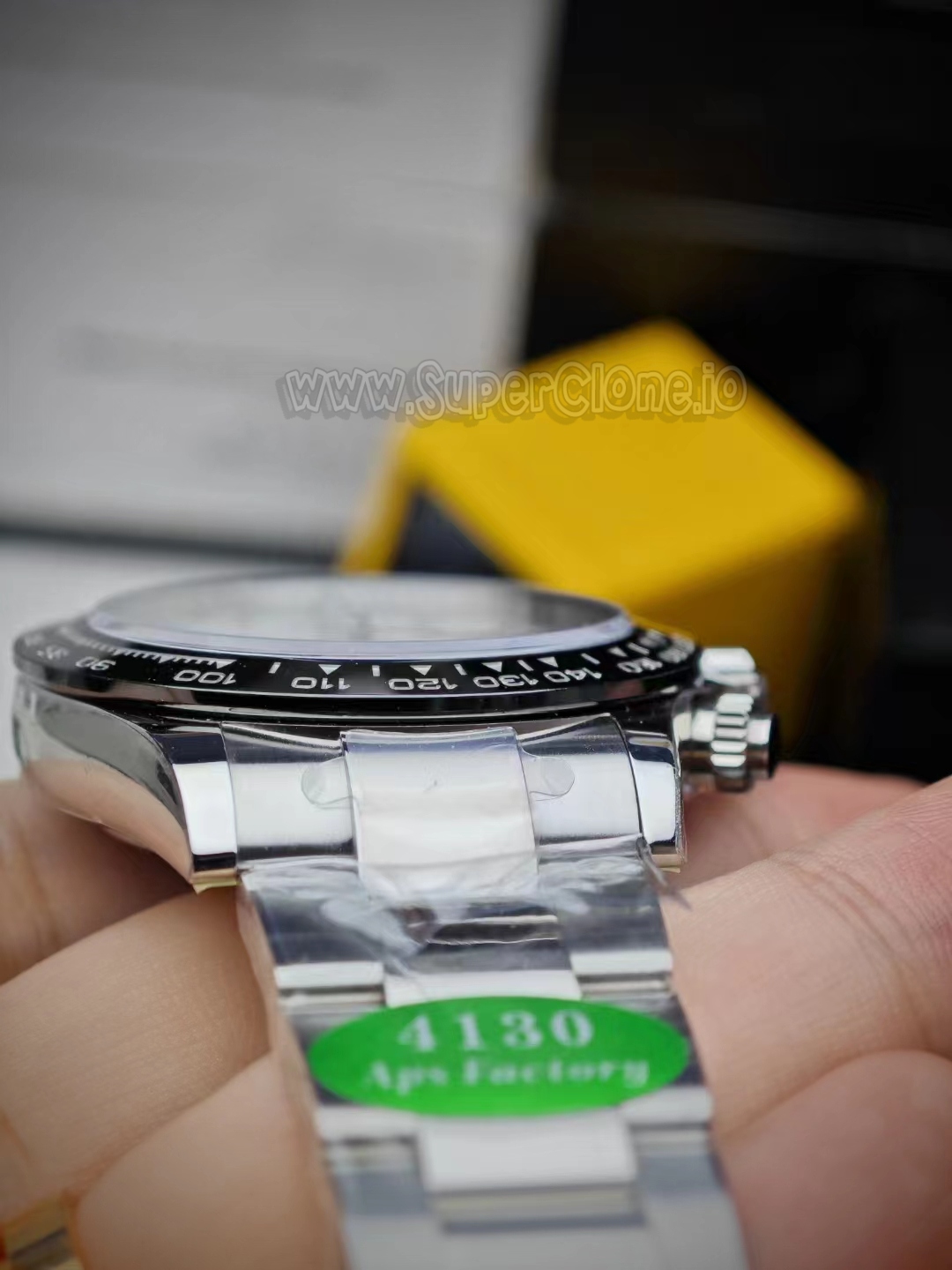
Case finishing tells a more balanced story. APS did a respectable job controlling the transitions between polished and brushed surfaces, especially around the lugs and crown guards. The visual thickness of the bezel is also fairly close to what buyers currently expect from upper-tier Daytona replicas. Nothing here feels cheap or obviously incorrect, which means APS at least entered the market at a competitive level rather than releasing a weak first attempt.
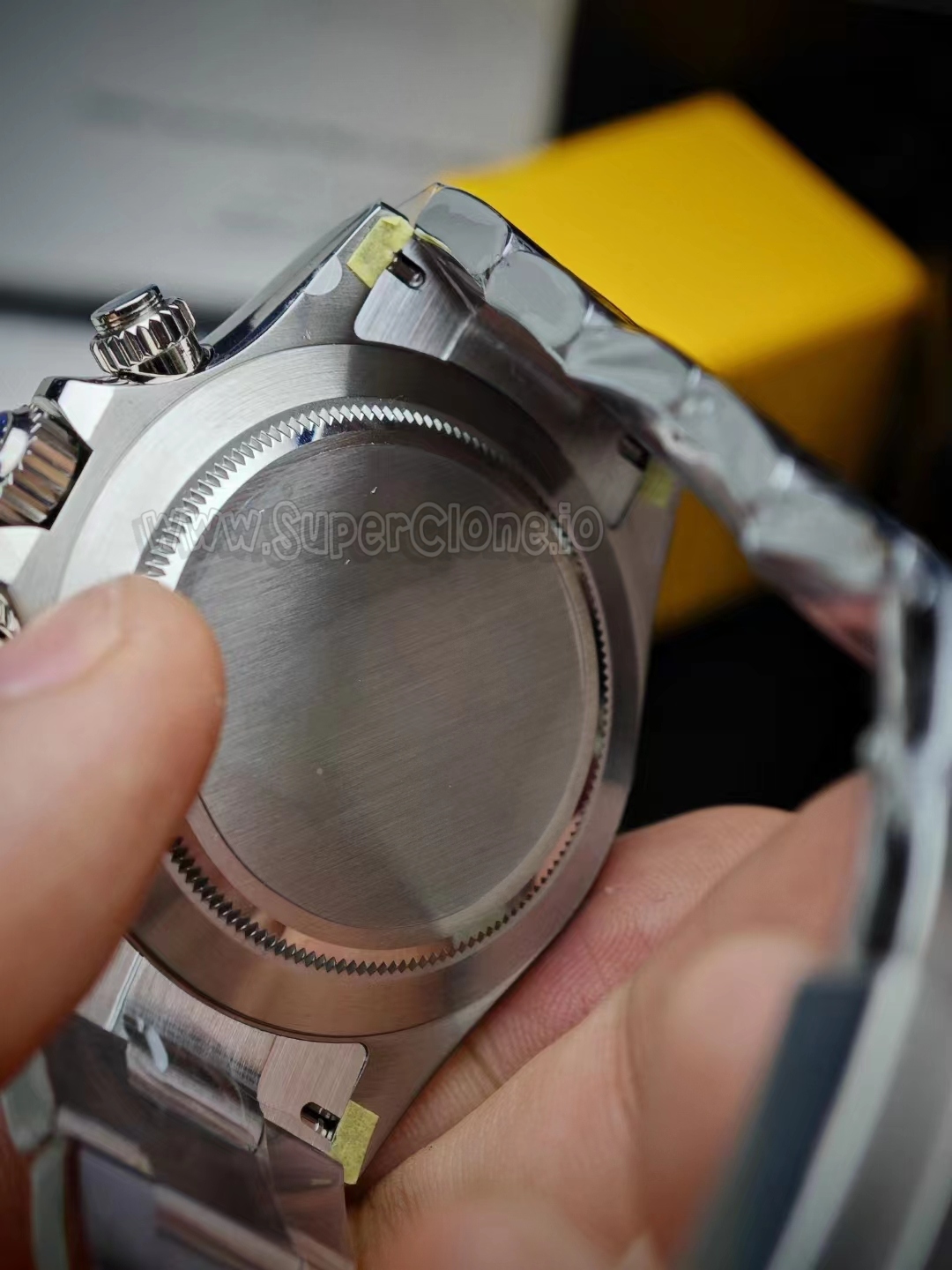
The larger concern remains the movement itself. Shanghai Jinghe is not an unknown manufacturer inside the Chinese replica movement industry. They already produced several cloned calibers before, including movements associated with AP and Patek models, so this is not a small workshop experimenting without technical experience. Their ability to manufacture a functional 4130 is believable. The problem is that the Daytona market no longer rewards “functional.” Buyers already expect long-term reliability because the Dandong 4130 established that standard years ago.
That creates a difficult situation for APS. Even if the Shanghai 4130 performs well during the first few months, collectors still need time before trusting it the same way they trust Dandong. Daytona buyers usually wear these watches heavily, especially the Panda configuration, and movement stability matters far more than temporary excitement around a new release. In many cases, the market eventually chooses the watch that creates the fewest future problems instead of the watch that wins the first week of discussion.
Another factor APS has to fight against is availability pressure surrounding Clean Daytona models. The demand became so aggressive over the last year that many dealers regularly charge premiums simply because stock disappears immediately after release batches arrive. That shortage unintentionally strengthened Clean’s position even more. Scarcity created the impression that Clean remained the safest purchase, and many buyers became unwilling to experiment elsewhere unless another factory produced something clearly superior.
Right now, APS has not reached that point yet. The watches are decent, the construction quality is not weak, and the movement may eventually prove itself after longer testing cycles. But none of those things automatically justify replacing a platform that already works extremely well. In the current state of the market, buyers usually do not leave an established Daytona unless there is a meaningful upgrade waiting on the other side.
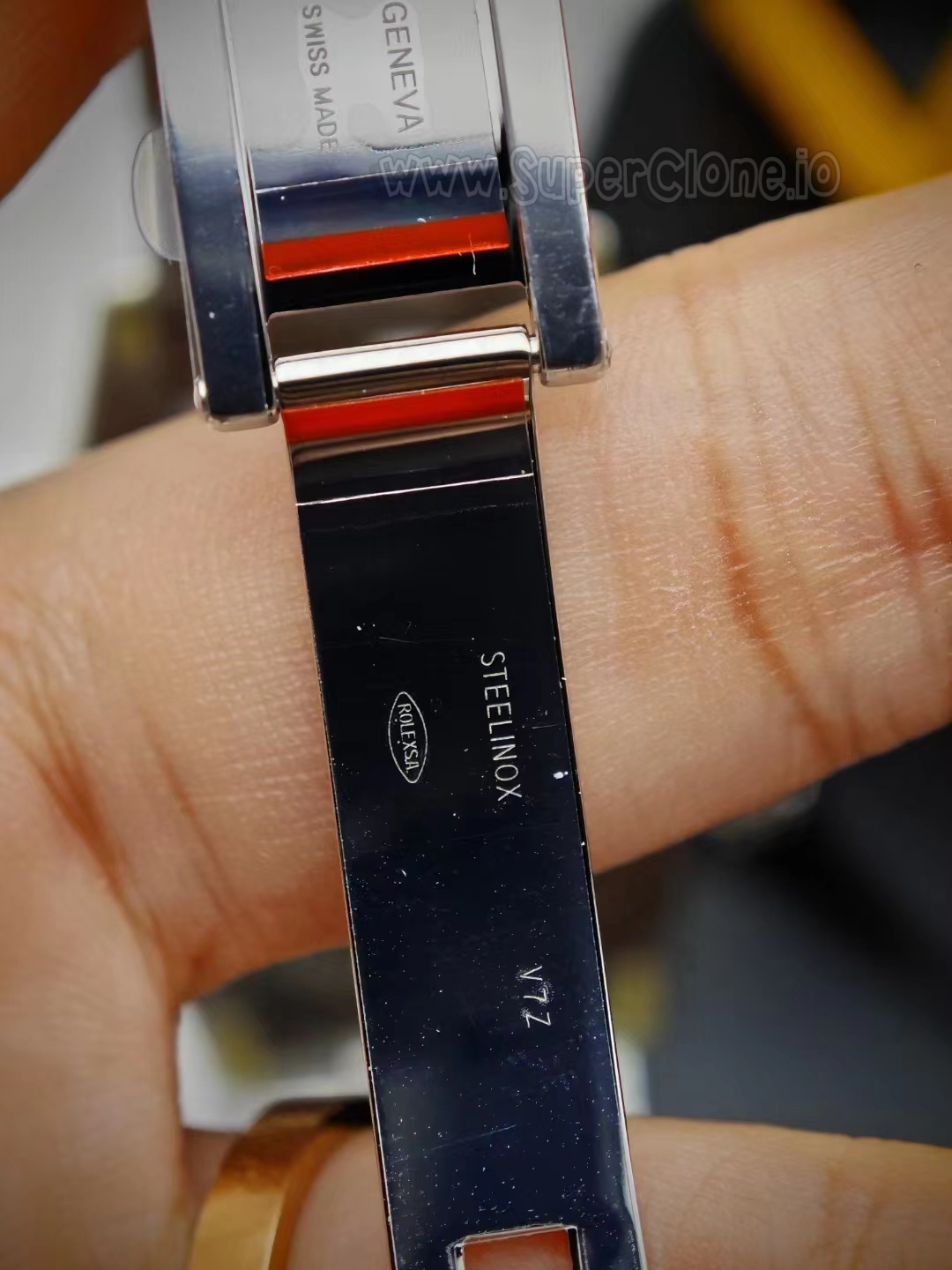
The interesting part is that APS probably understands this themselves. This release feels less like an attempt to immediately dominate the Daytona segment and more like the beginning of a longer movement strategy. If the Shanghai 4130 survives large-scale usage without major issues, APS may eventually refine the external details later. That approach would make more sense than trying to beat Clean instantly on cosmetic finishing alone.
For now, the safer choice still remains the established Dandong-based Daytona ecosystem. That does not mean APS failed. It simply means the Daytona category has become far harder to disrupt than many people realize. Once a factory earns trust in this segment, replacing that reputation takes far more than releasing another watch with a new movement inside.
Collectors interested in trying something different will still watch APS closely because movement competition is healthy for the market long term. More factories experimenting with clone chronograph calibers usually leads to better products eventually. But at this stage, this feels more like an early technical experiment than a definitive shift in the balance of power.
The replica Daytona market moves fast, but trust moves slowly. APS now has to prove that its new 4130 can survive the same pressure that made the existing super clone Daytona platform so dominant in the first place.
Shanghai 4130:
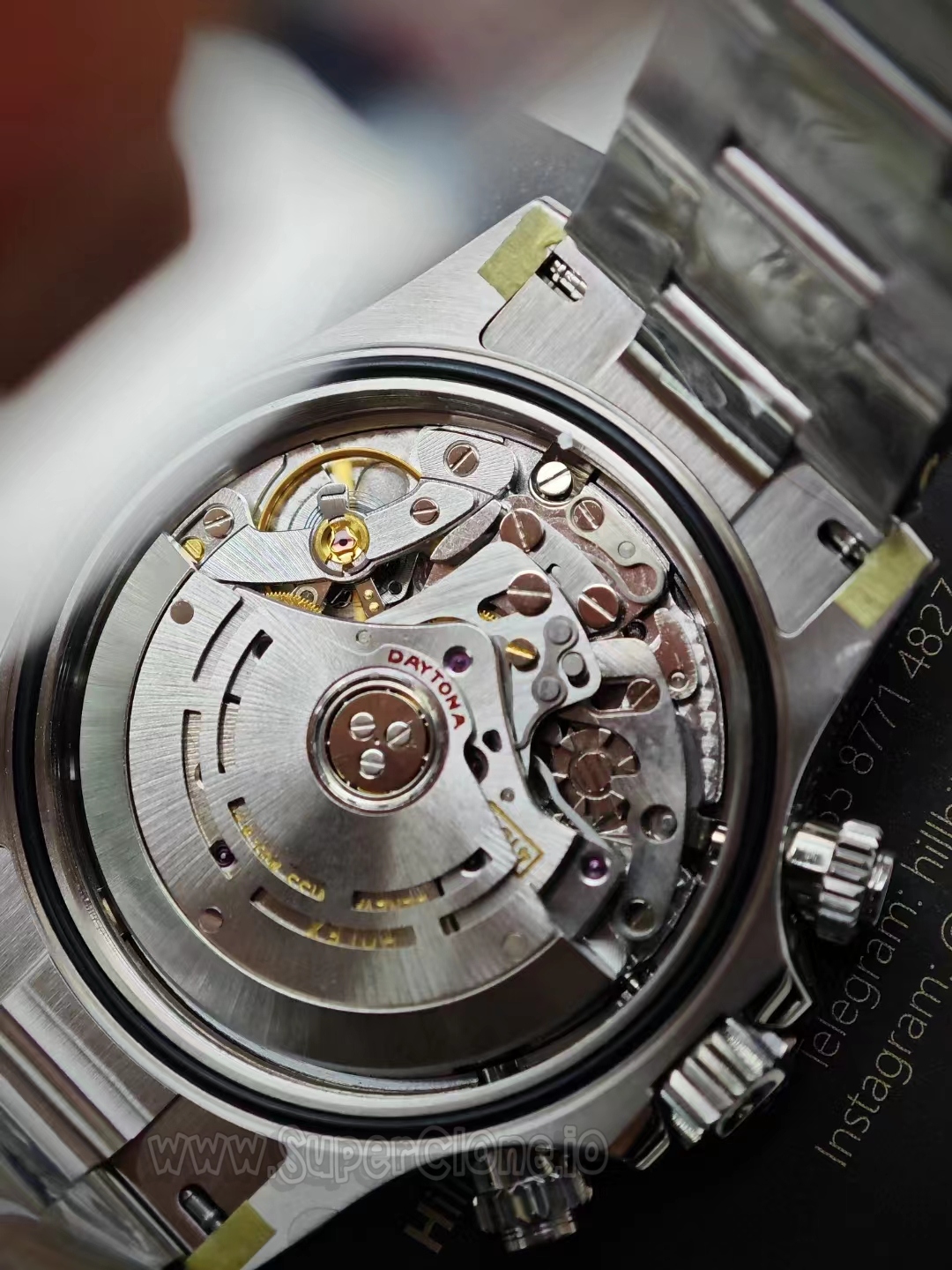
Dandong 4130: