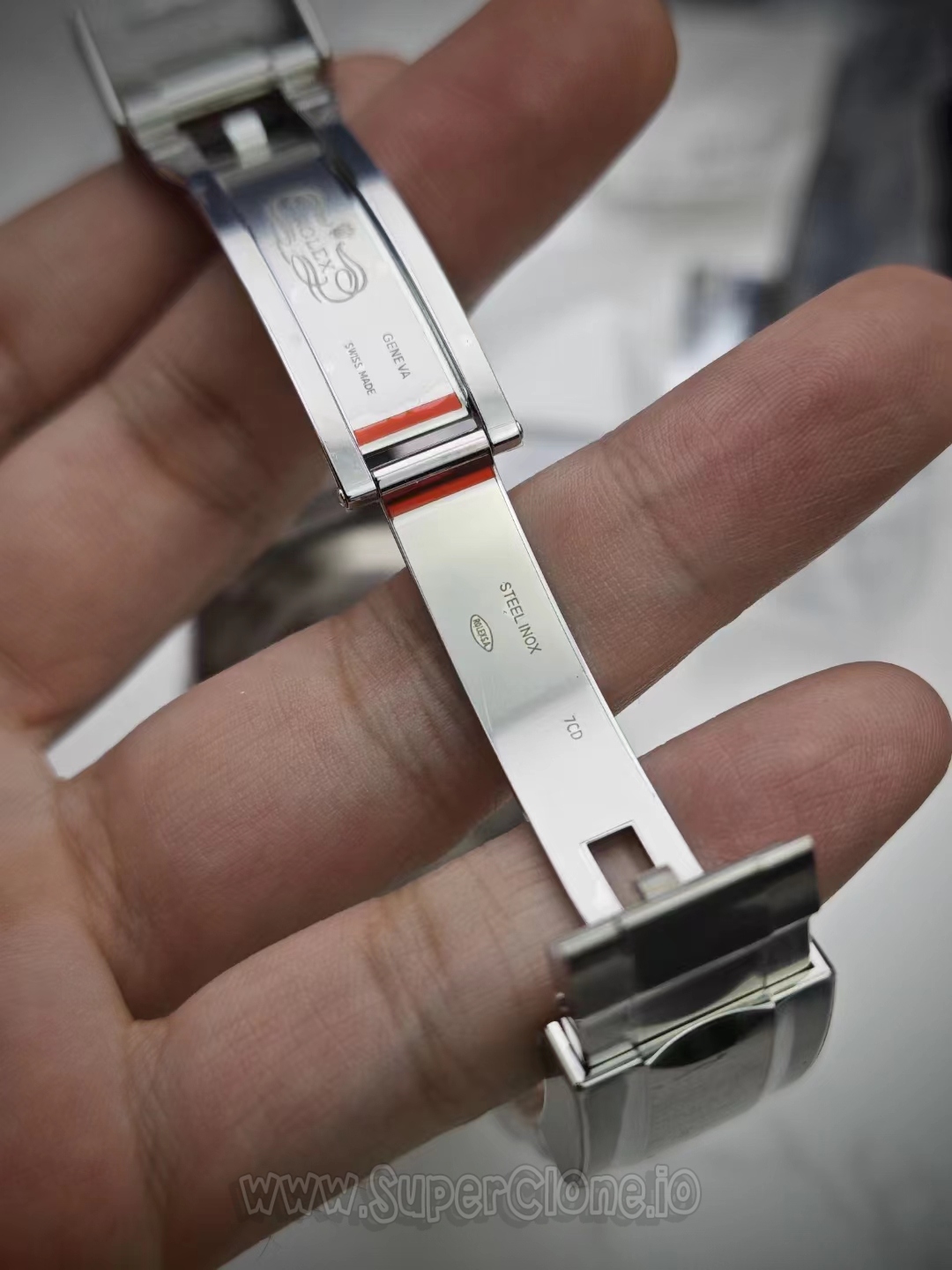
How Clean Factory Rose After Noob Disappeared
Five or six years ago, very few collectors talked seriously about Clean factory. In the forums, most discussions around replica Rolex watches were still dominated by Noob, AR, and a handful of older makers that already had stable dealer channels and loyal buyers. Clean was not even operating under the name most people know today. Back then, many enthusiasts only recognized the factory because of one specific component — the green ceramic bezel used on certain Submariner references.
Looking back now, the rise of Clean feels unusually fast for this industry. In a market where factories often disappear after one successful model, Clean managed to move from supplying watch parts into controlling a large share of the modern replica Rolex segment. Many people credit quality control, some point to better finishing, and others focus on marketing. But when you trace the timeline carefully, luck played a much bigger role than most people admit.
The interesting part is not simply that Clean became successful. The bigger story is how several major industry events happened at exactly the right time for them.
Before the Daytona Era, Clean Was Mostly Known for Ceramic Parts
Collectors who entered the hobby recently may assume Clean always operated as a complete watch factory, but that was not really the case during the earlier years. The factory was closely associated with ceramic bezel production, especially for green Submariner models. At that stage, Noob still controlled most of the attention in the Rolex category. The V12 Submariner and the 4130 Daytona from Noob were considered the safest choices for buyers who wanted a reliable high-end replica.
Even though some enthusiasts already noticed the quality of the green ceramic inserts connected to Clean, few buyers were abandoning Noob in large numbers. Brand reputation inside this niche matters more than many outsiders understand. Dealers trusted factories with stable output, forums pushed the same recommendations repeatedly, and buyers followed established patterns.
That is why Clean’s early products never created a major shift in the market by themselves.
The situation only changed after the large industry raids that forced several well-known factories out of production.
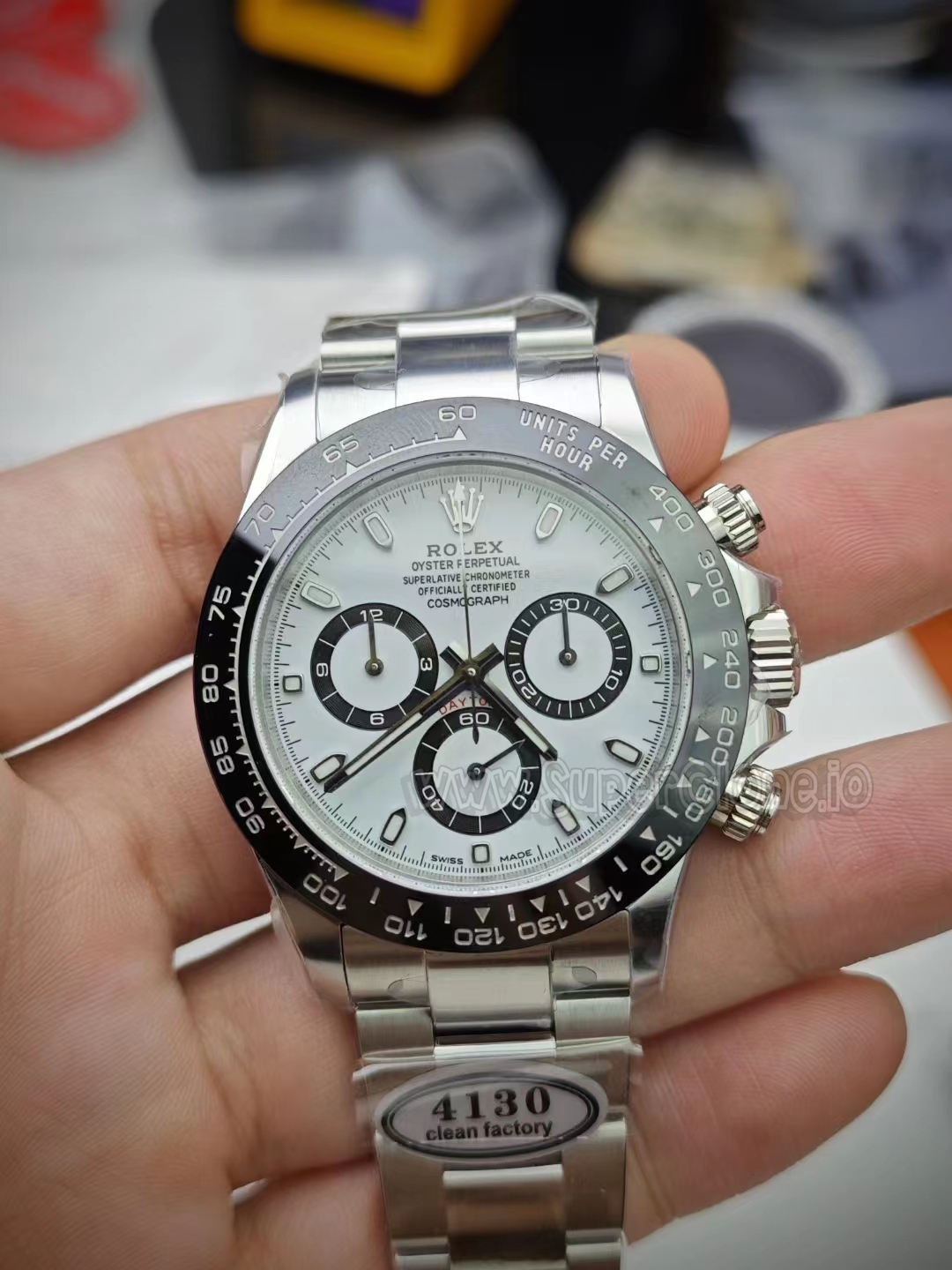
When Noob and AR disappeared, a huge vacuum suddenly appeared in the Rolex replica segment. The most important missing watch was not a Submariner or GMT-Master II. It was the Daytona equipped with the Dandong 4130 movement.
At the time, demand for the Noob Daytona became almost irrational. Dealers struggled to source inventory, forum listings became chaotic, and prices climbed far beyond normal market levels. Some buyers were willing to pay double simply because no equivalent alternative existed.
This was the moment Clean reacted correctly.
The Timing Around the Dandong 4130 Changed Everything
One of the most important details in this story is that the movement itself already existed before Clean became a dominant watch factory. The Dandong 4130 was not originally developed by Clean. Earlier development work had already been financed during the Noob era, and the movement had already proven that it could satisfy collectors who cared about correct chronograph layout and more authentic internal architecture.
Clean entered at the exact moment when the market desperately needed continuity.
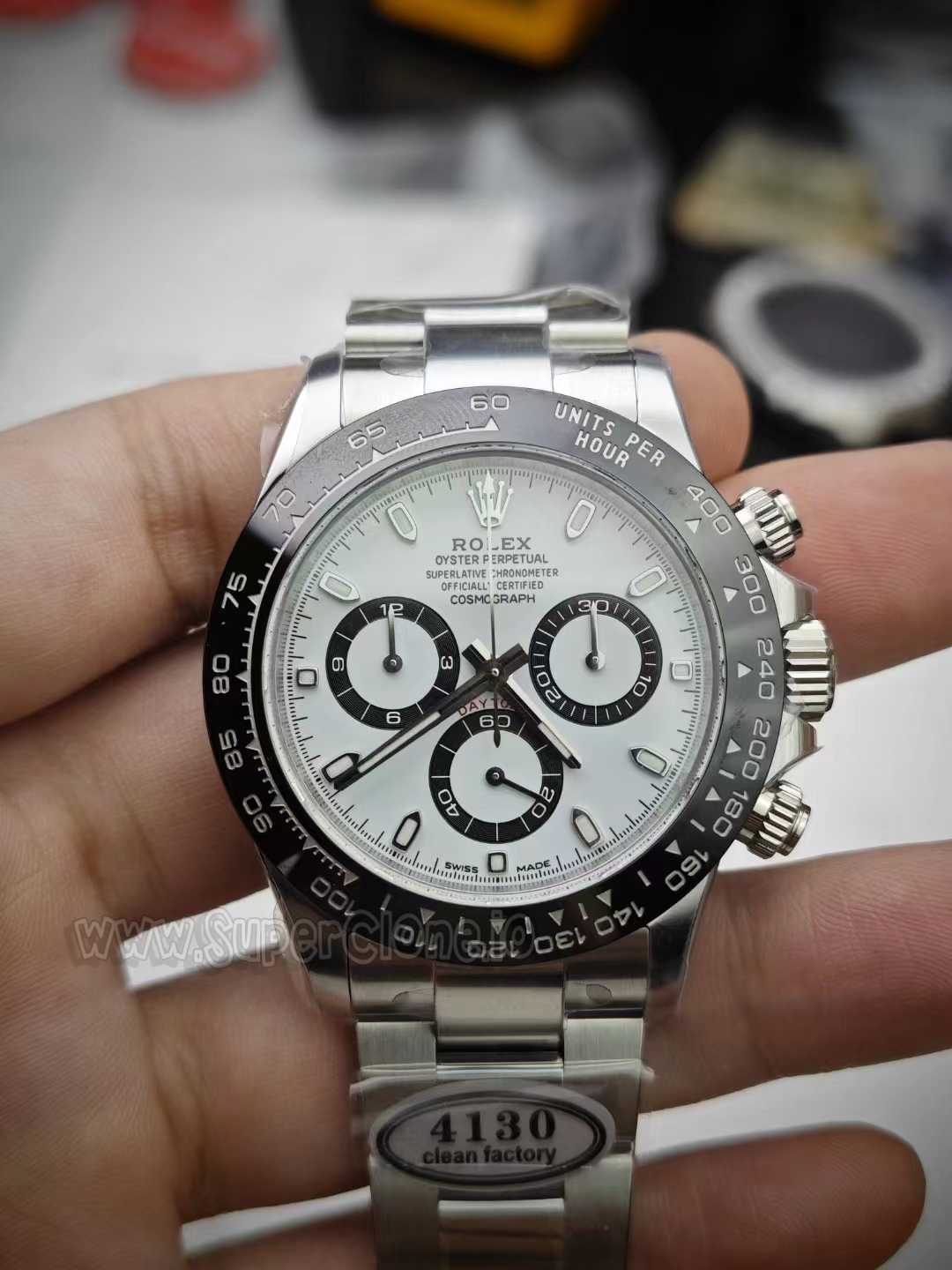
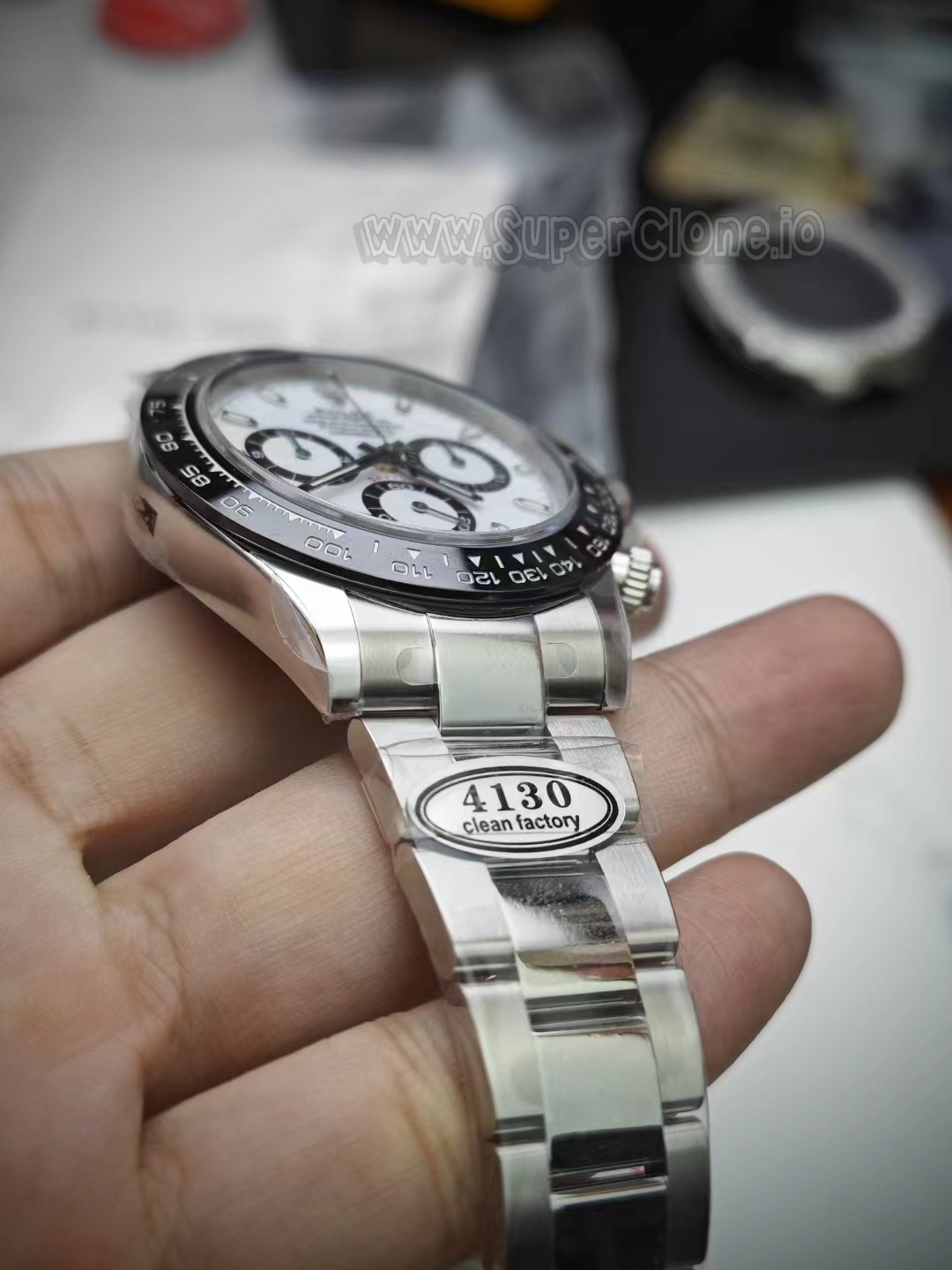
Instead of trying to reinvent the Daytona project from zero, they focused on securing access to the existing movement supply chain and stabilizing production around a watch that buyers already trusted conceptually. Once the Panda Daytona from Clean reached dealers, prices across the market gradually normalized again because collectors finally had a stable source.
That transition was probably the single biggest turning point in the company’s history.
People often describe this period as if Clean suddenly created a revolutionary product overnight. The reality was more complicated. The market conditions had already been prepared by years of demand for the Daytona platform, by previous movement development, and by the disappearance of competing factories.
Clean simply stepped into the opening faster than everyone else.
Why the Submariner Still Mattered
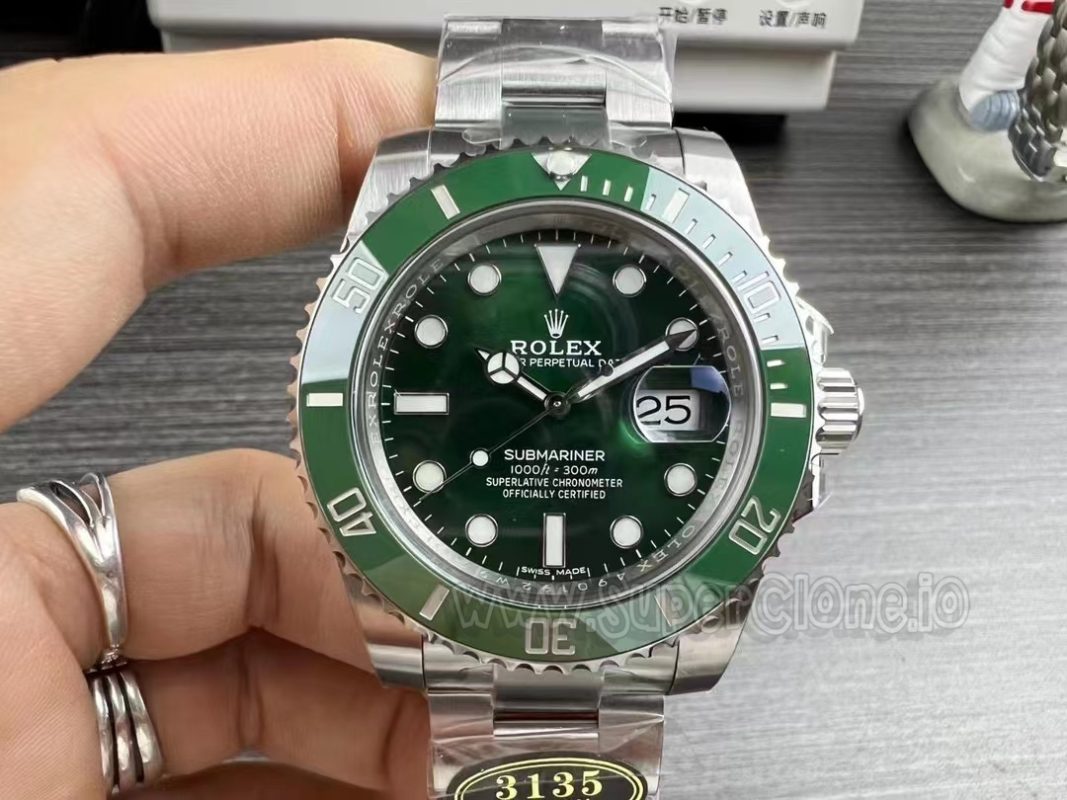
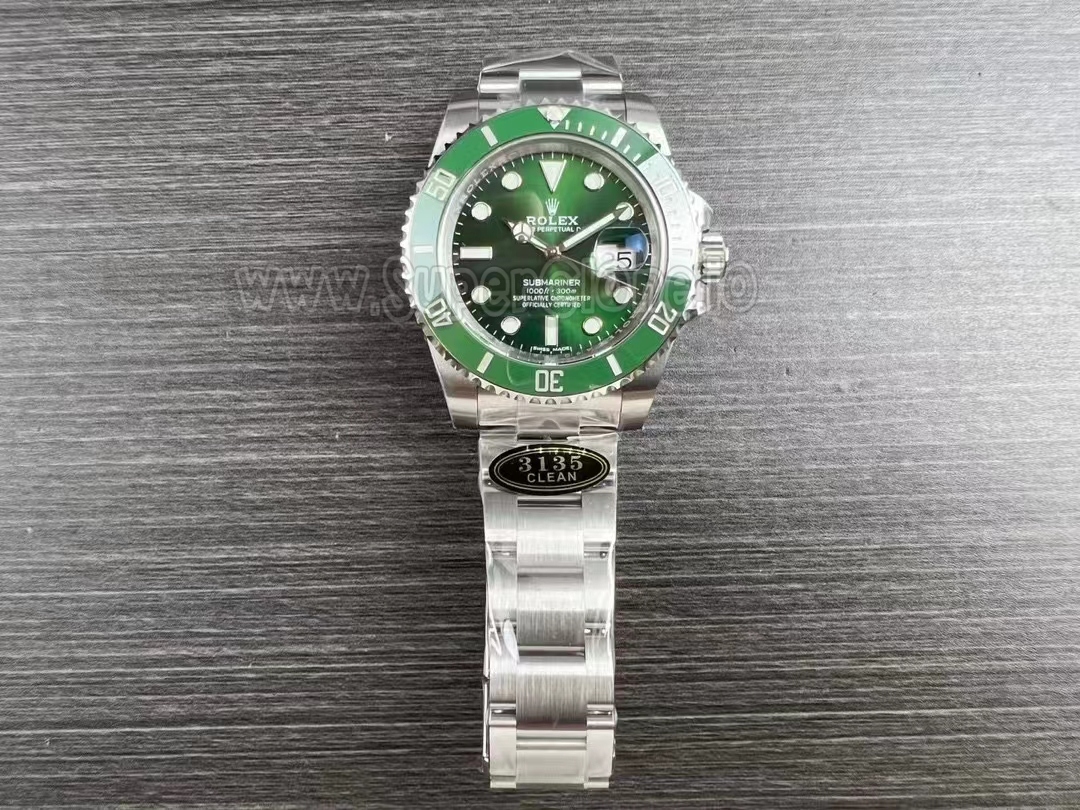
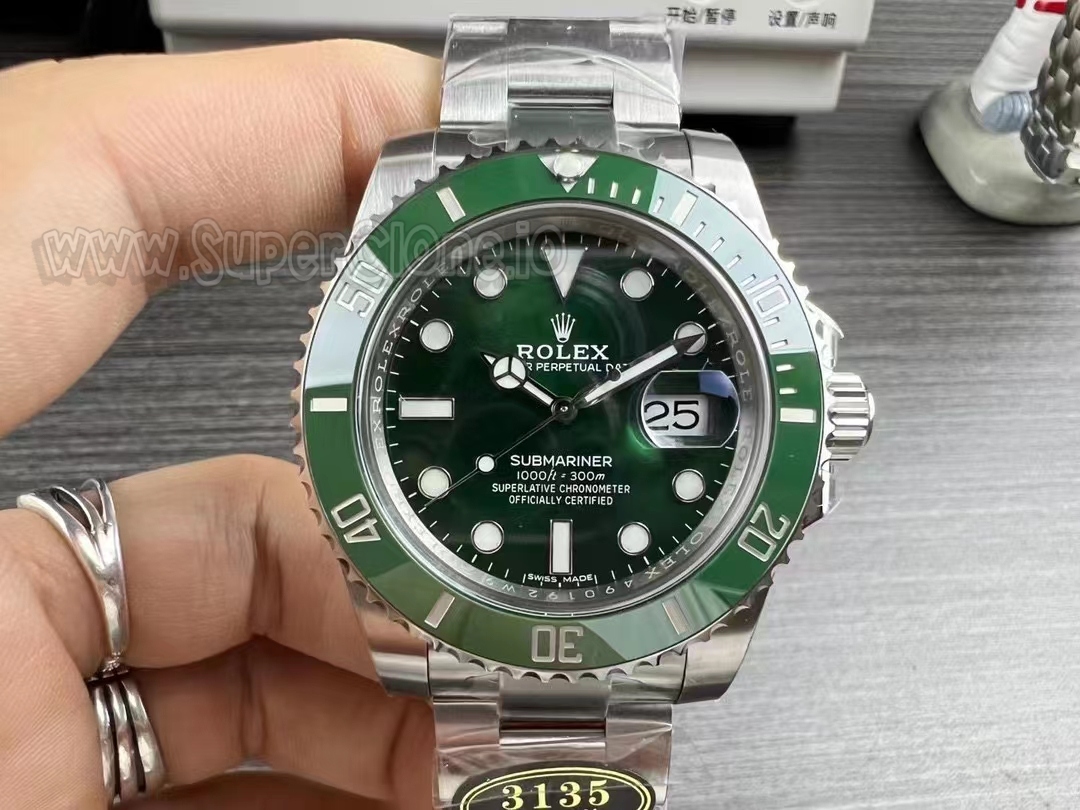
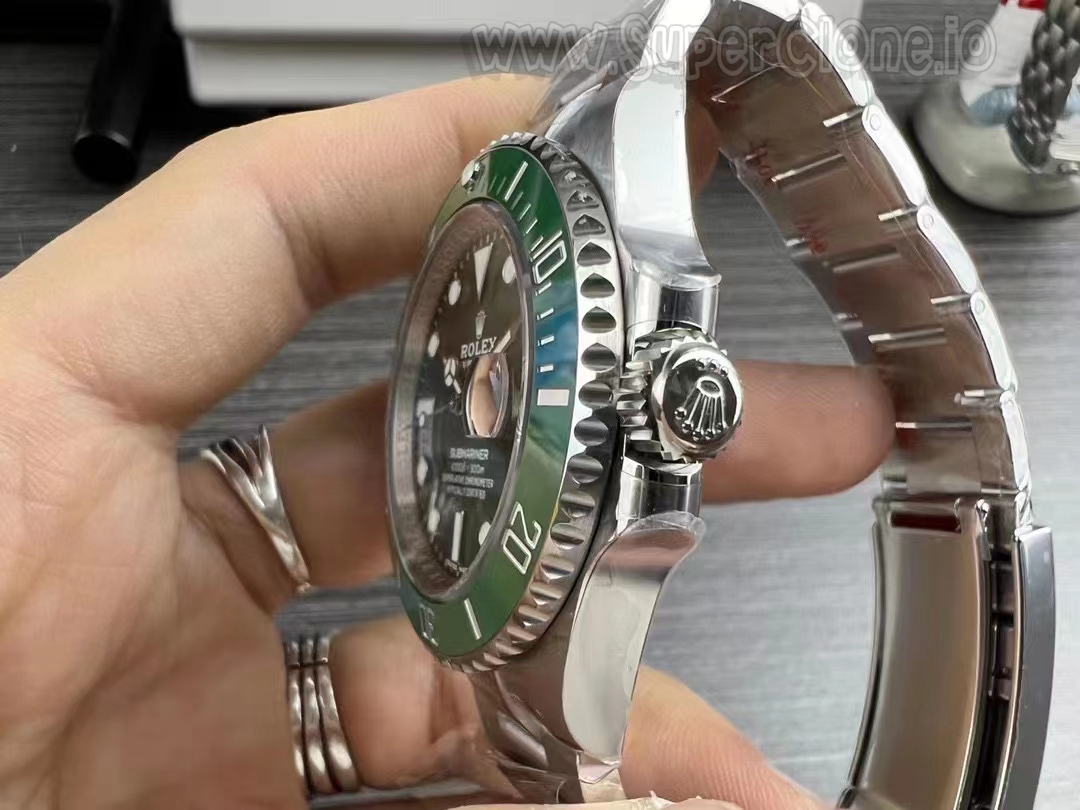
Even though the Daytona generated most of the attention, the Submariner line helped establish credibility outside the enthusiast forums. The green 116610LV became one of the factory’s most recognizable watches because buyers consistently praised the ceramic color tone and bezel appearance.
That detail sounds small, but collectors in this market obsess over tiny visual differences. The green hue on the Hulk bezel became one of the most discussed cosmetic details in replica Rolex production for years.
For many buyers, that watch became their first direct experience with Clean.
The factory also benefited from something many newer collectors overlook — the online infrastructure already existed. Forums, dealer relationships, review websites, comparison threads, and long-established customer communities had been built over many years during the Noob period.
Once Clean products entered those same channels, adoption accelerated quickly because buyers were already searching for replacements.
This is why some longtime collectors still argue that timing mattered more than innovation.
The Industry Environment Was Already Changing
Another reason for Clean’s rapid expansion was the broader shift in buyer expectations. Earlier generations of replica buyers often accepted visible flaws as long as the overall appearance looked convincing from a distance. That changed dramatically once higher-quality movements and better machining became common.
Collectors started comparing rehaut engraving alignment, bezel action, dial texture, crystal clarity, hand finishing, and even case weight. The market became more technical and much more demanding.
Factories that survived needed to deliver consistency rather than occasional standout models.
Clean entered the Rolex segment during exactly this transition period. Their watches arrived when buyers were actively searching for replacements after the collapse of older factories, but they also arrived when production standards across the industry had improved enough to support a more convincing product.
That combination helped them scale faster than many previous factories ever could.
The Legacy of Noob Still Appears in Modern Discussions
Even today, many experienced collectors continue to separate the origins of the modern Daytona platform from the factories currently producing it. Discussions about movement history almost always return to the earlier development phase associated with Noob and Dandong.
This is partly why opinions around Clean remain divided in enthusiast circles. Some collectors view the factory as a company that perfected distribution and production timing. Others believe they inherited an already-developed ecosystem and expanded it efficiently.
Both arguments contain some truth.
What cannot really be denied is that Clean understood how to stabilize supply during a chaotic period. That alone created enormous trust among dealers and repeat buyers.
In industries built around uncertainty, consistency itself becomes a competitive advantage.
From Parts Supplier to Market Leader
It is difficult to imagine now, but there was a time when collectors barely mentioned Clean alongside the biggest names in the industry. Today, conversations around replica Rolex watches almost always involve Clean and VS as the two dominant forces.
The transformation happened quickly, but not randomly.
Luck opened the door. Existing movement development lowered the barrier. Dealer networks accelerated adoption. Strong demand for the Daytona kept momentum high. Better ceramic work helped establish credibility. All of those factors connected at the right moment.
That is why the rise of Clean factory remains one of the most unusual stories in the modern replica watch market.
At the same time, the discussion around factory influence has become more complicated than before. Modern collectors no longer judge watches only by appearance. They study movement stability, bracelet finishing, crystal distortion, lume application, and case geometry in ways that were far less common several years ago.
This shift also explains why certain models from Clean became reference points in forum discussions. The factory entered the market at a moment when enthusiasts were paying closer attention to technical refinement rather than simply asking whether a watch looked genuine from across the room.
That environment helped create the modern demand for what many collectors now casually describe as a super clone, even though the phrase itself is often overused in dealer advertising.
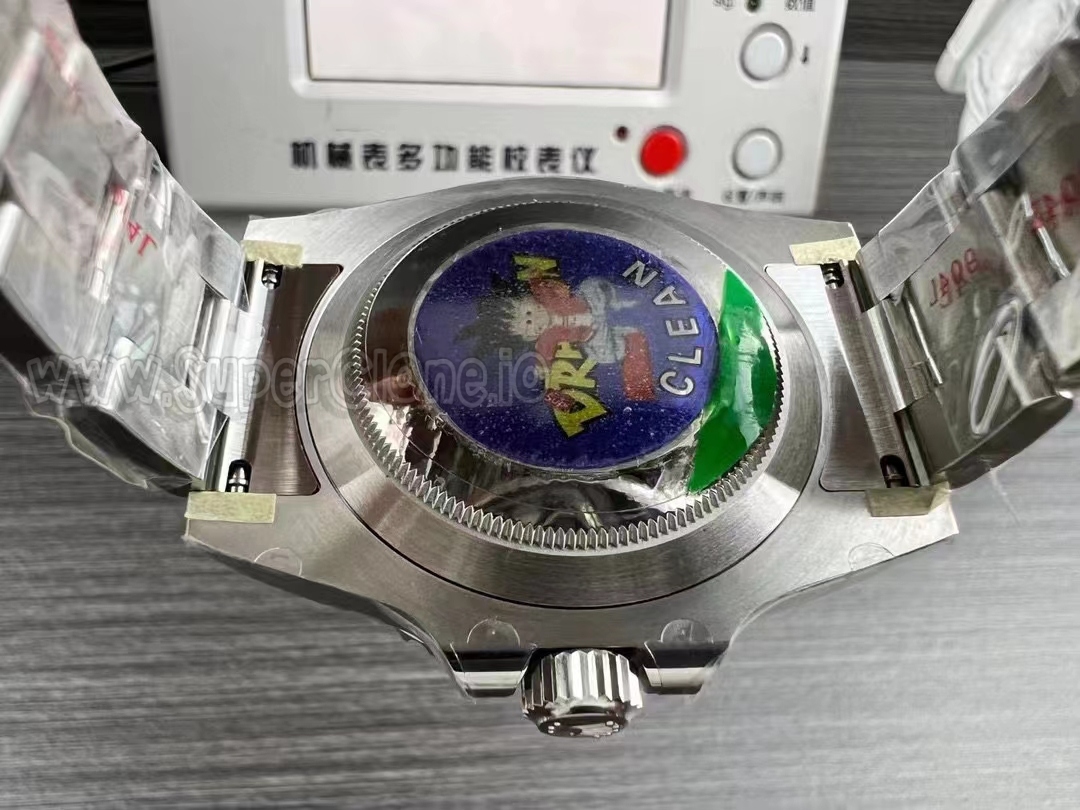
Interestingly, the factory’s reputation today still depends heavily on only a small group of Rolex references. The Panda Daytona remains the watch most closely associated with Clean’s rise, while the Hulk Submariner continues to be one of the strongest visual symbols tied to the company’s early identity.
Very few factories manage to build long-term recognition from only two or three key models, but Clean achieved exactly that during a period when the entire industry was reorganizing itself.
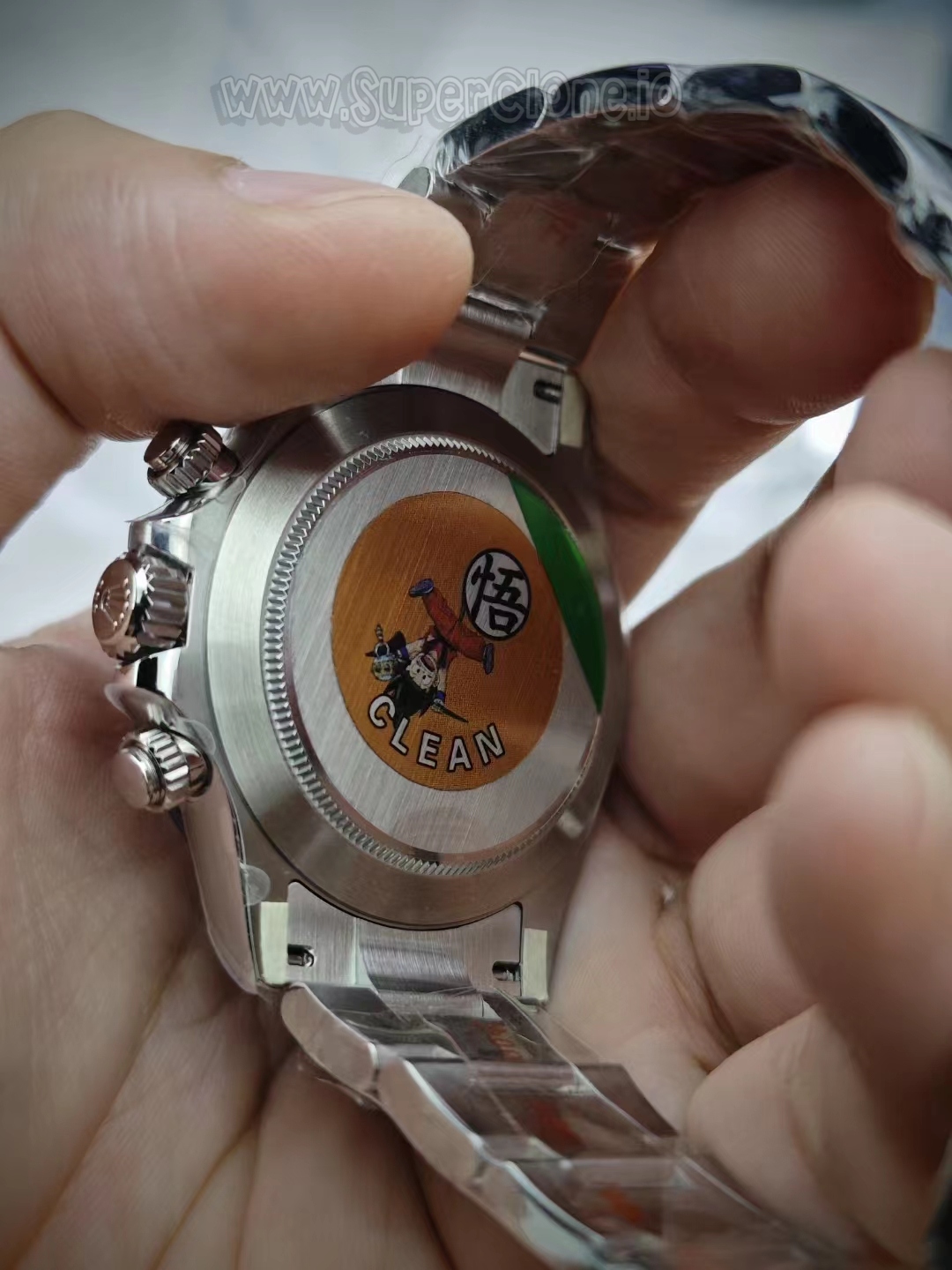
Whether another factory eventually repeats the same growth story is difficult to predict. The market today is very different from the one Clean entered years ago. Buyers have become more informed, production competition is stronger, and factories now face much heavier scrutiny from forums and reviewers.
Still, the timing behind Clean’s expansion remains one of the clearest examples of how rapidly the replica watch industry can change when supply chains, factory closures, and buyer demand all collide at the same moment.
For newer collectors, the story often sounds simple: a factory made good watches and became successful. But older enthusiasts who watched the transition happen in real time usually describe it differently. They remember the shortage of Daytona inventory, the sudden disappearance of established factories, the unstable pricing, and the rapid shift in forum recommendations.
That context explains why Clean expanded so aggressively in such a short period.
The company did not rise in a stable market. It rose during one of the most disruptive periods the replica Rolex industry had seen in years.
Today, discussions around replica Rolex production often focus on movement decoration, dial accuracy, or bracelet finishing, but the deeper business story behind Clean’s growth is still tied to timing. The company recognized an opening in the market and moved faster than its competitors.
That decision changed the balance of the modern Rolex replica segment permanently.
And while opinions about factory rankings will continue to change as new models appear, the rise of Clean remains one of the defining shifts in the modern replica watch scene.