Why the PPF Nautilus 5712 Still Gets Attention From Experienced Collectors
Among all the Nautilus replicas released in recent years, the 5712 stands out for a reason that isn’t immediately obvious to casual buyers. It isn’t the most minimal or the most complicated Patek replica out there, but it sits right in the middle of both categories—and that middle ground turned out to be the hardest to execute properly. Early versions of the 5712 already drew interest because of the asymmetric dial layout, something that distinguishes the reference from the more symmetrical 5711. But those early attempts also came with clear compromises: stiff moon phase discs, non-functioning power reserve hands, and case profiles that were visibly thicker than the genuine 8.52mm specification.
The current PPF 5712, especially after the V2 updates, has changed that reputation significantly. Among collectors who track replica movements as closely as dial printing, this particular reference has become a frequent topic not because it’s flawless—but because the factory actually went back and corrected specific flaws that earlier generations left untouched. For a long time, people assumed PPF and ZF operated as entirely separate entities. The V2 announcement, however, made it apparent that the two shared more than just component suppliers. The manufacturing overlap became harder to ignore once the movement decoration and case finishing started showing identical tooling marks and plating techniques.
The Anatomy of a High-End Modern Super Clone
What makes the watch genuinely interesting isn’t just the Nautilus silhouette. Plenty of replicas can copy a shape. The 5712’s appeal comes from how the factory re-engineered specific mechanical behaviors that had never been correctly replicated before. The moon phase disc now advances with a more convincing jump. The power reserve hand actually tracks the mainspring state instead of moving randomly with the rotor or binding with the hour wheel. Furthermore, the case back profile sits closer to the wrist because the overall movement thickness was reduced by nearly 1.2mm compared to the earliest releases. These aren’t cosmetic fixes; they change how the watch wears throughout the day.
The real turning point arrived when the factory introduced the updated clone 240 micro-rotor movement. Earlier 5712 replicas looked acceptable from twelve inches away, but the moment you wound the crown or pulled it out to set the time, the limitations became obvious. The power reserve hand on older versions often stayed at full even after the watch ran down overnight. The new movement corrected that by reconnecting the indicator to the actual barrel state. That might sound like a small engineering detail, but for anyone who has owned a genuine 5712, the power reserve display is one of the most recognizable interactive features on the dial. Having it work incorrectly ruins the entire tactile experience.
Another detail that experienced buyers check immediately is the bracelet clasp assembly. Older Nautilus bracelets never quite replicated the snap and resistance of the genuine deployant mechanism. The release button travel felt mushy, and the locking engagement lacked that crisp, definitive stop. PPF revised the clasp geometry in the V2 run, and the difference is immediately noticeable when you open and close it. The tension feels more linear, and the closing sound has a sharper metallic click instead of a dull thud. Fixing the clasp moved the PPF 5712 into a completely different tier for veteran enthusiasts.
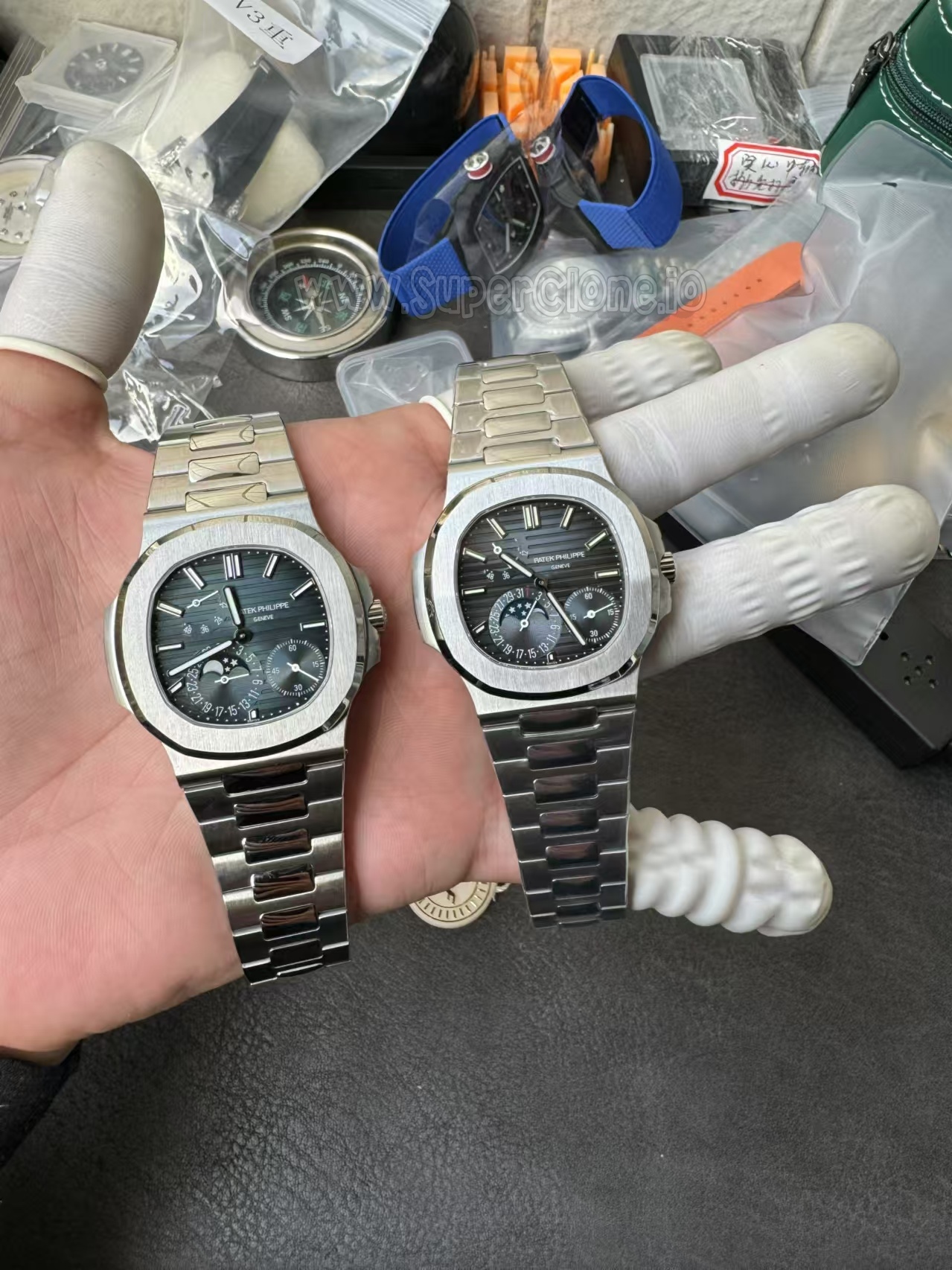
The Modding Scene: Stock PPF vs. SW Component Upgrades
At the same time, the market surrounding the 5712 has become more layered than it used to be. Dealers now offer multiple modified configurations beyond the factory-standard PPF release. One of the most common routes is swapping the original dial and hands with components from SW, a parts maker that has gained traction among enthusiasts who want improved surface finishing without going full custom.
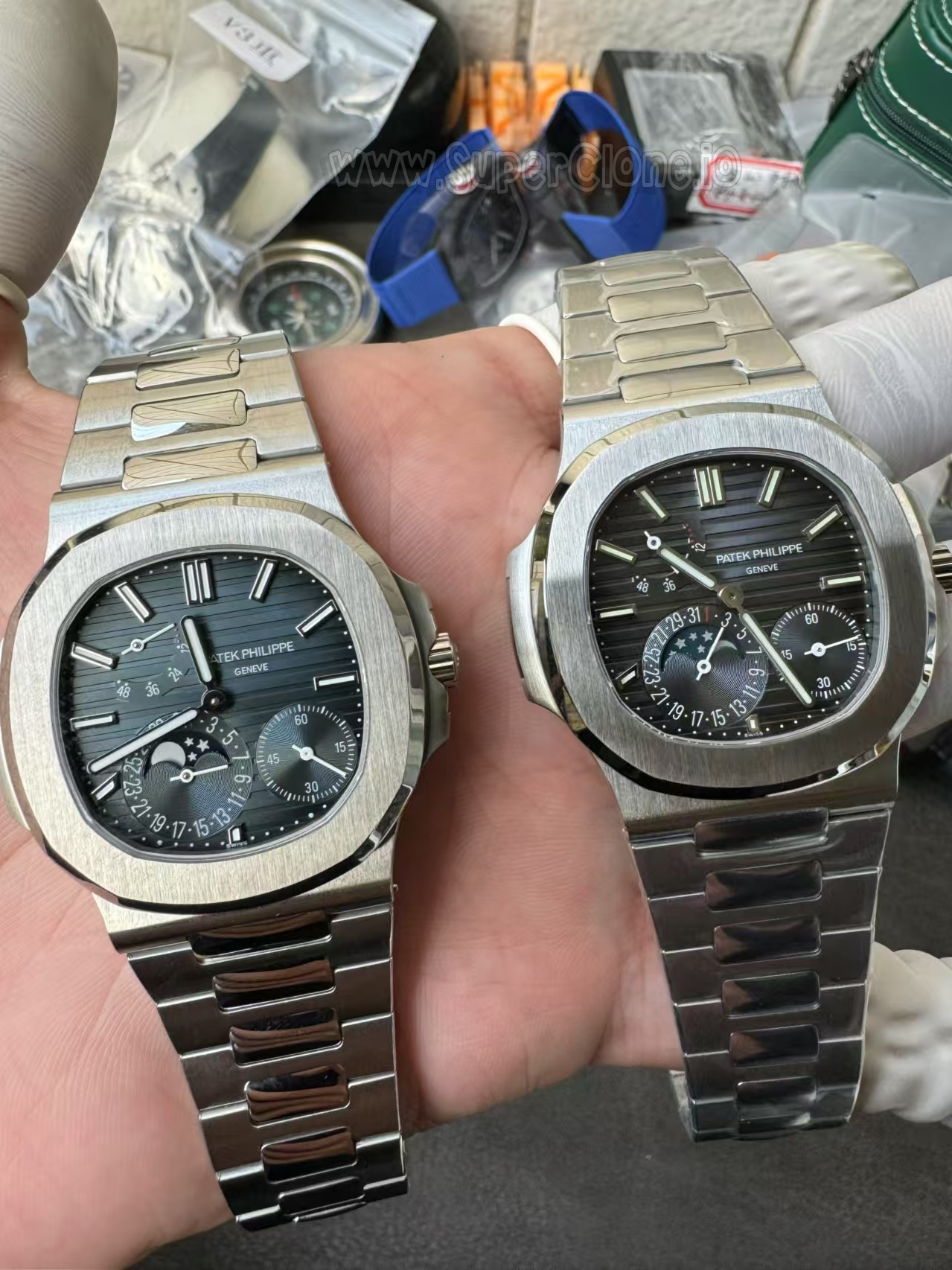
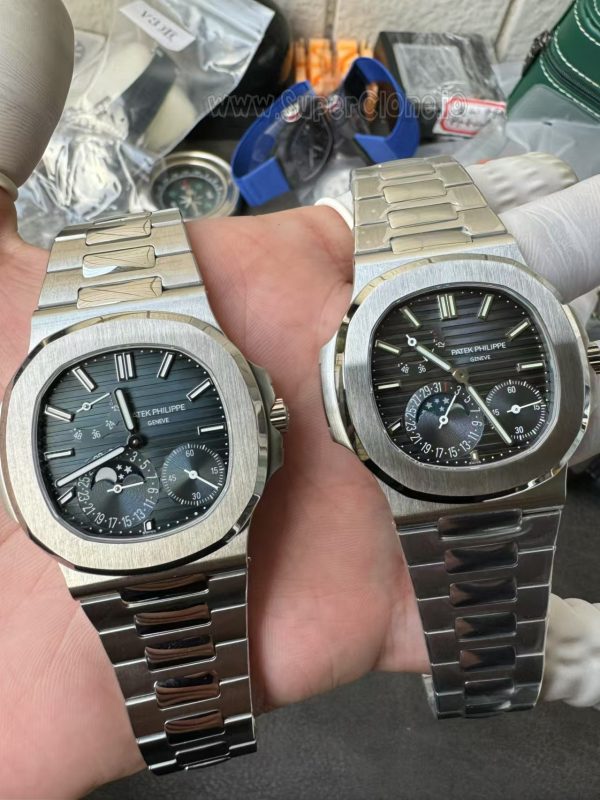
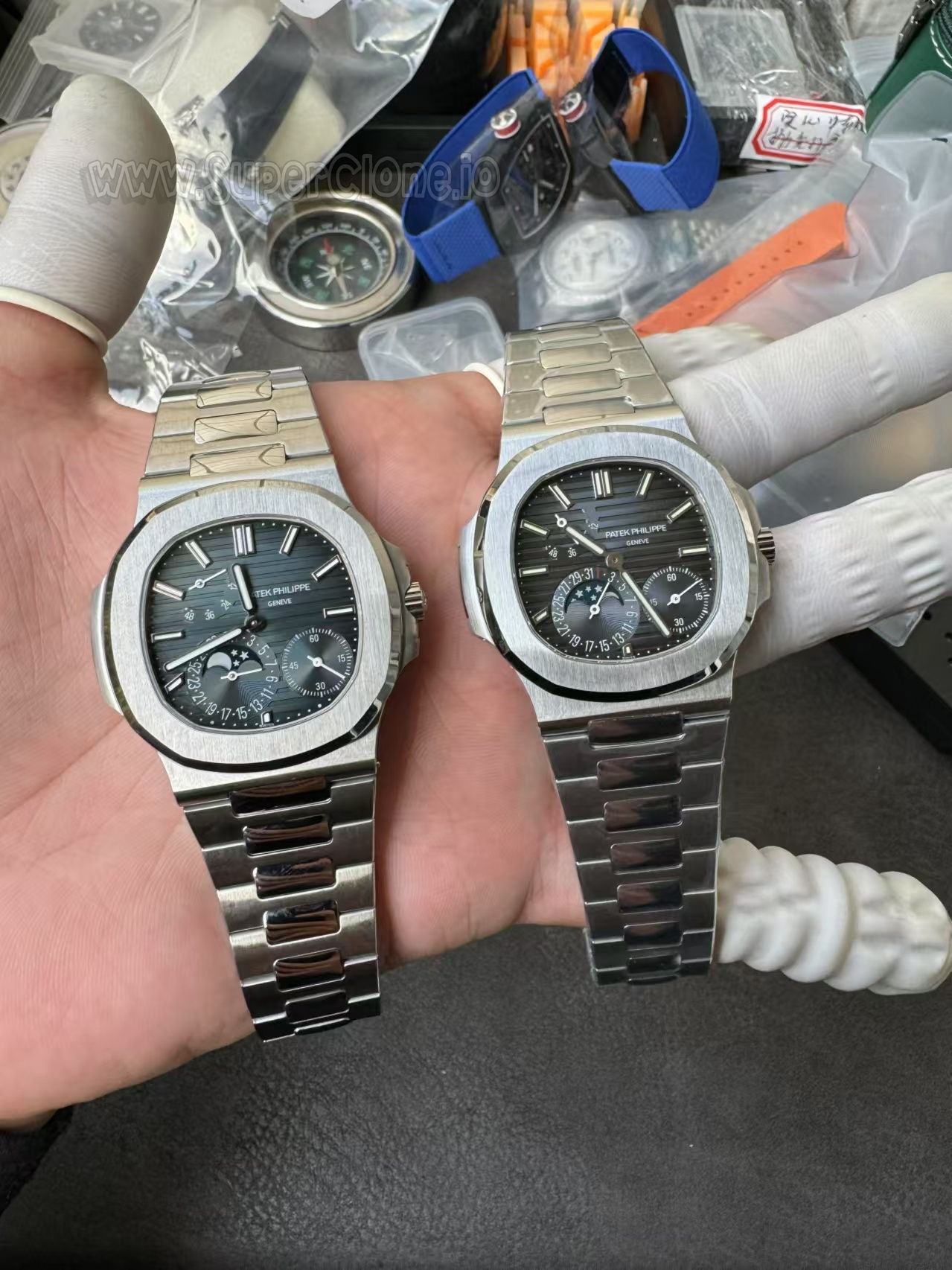
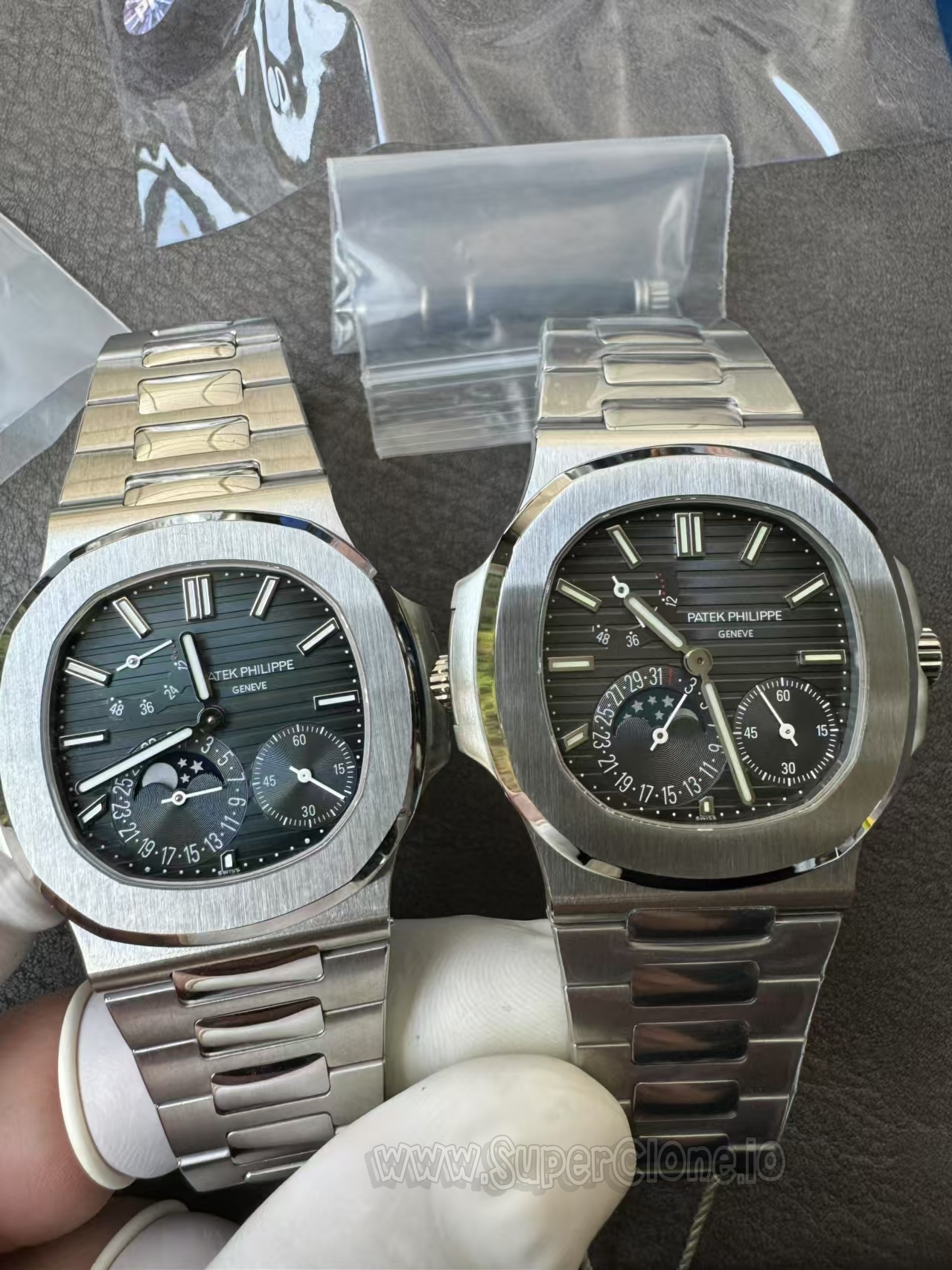
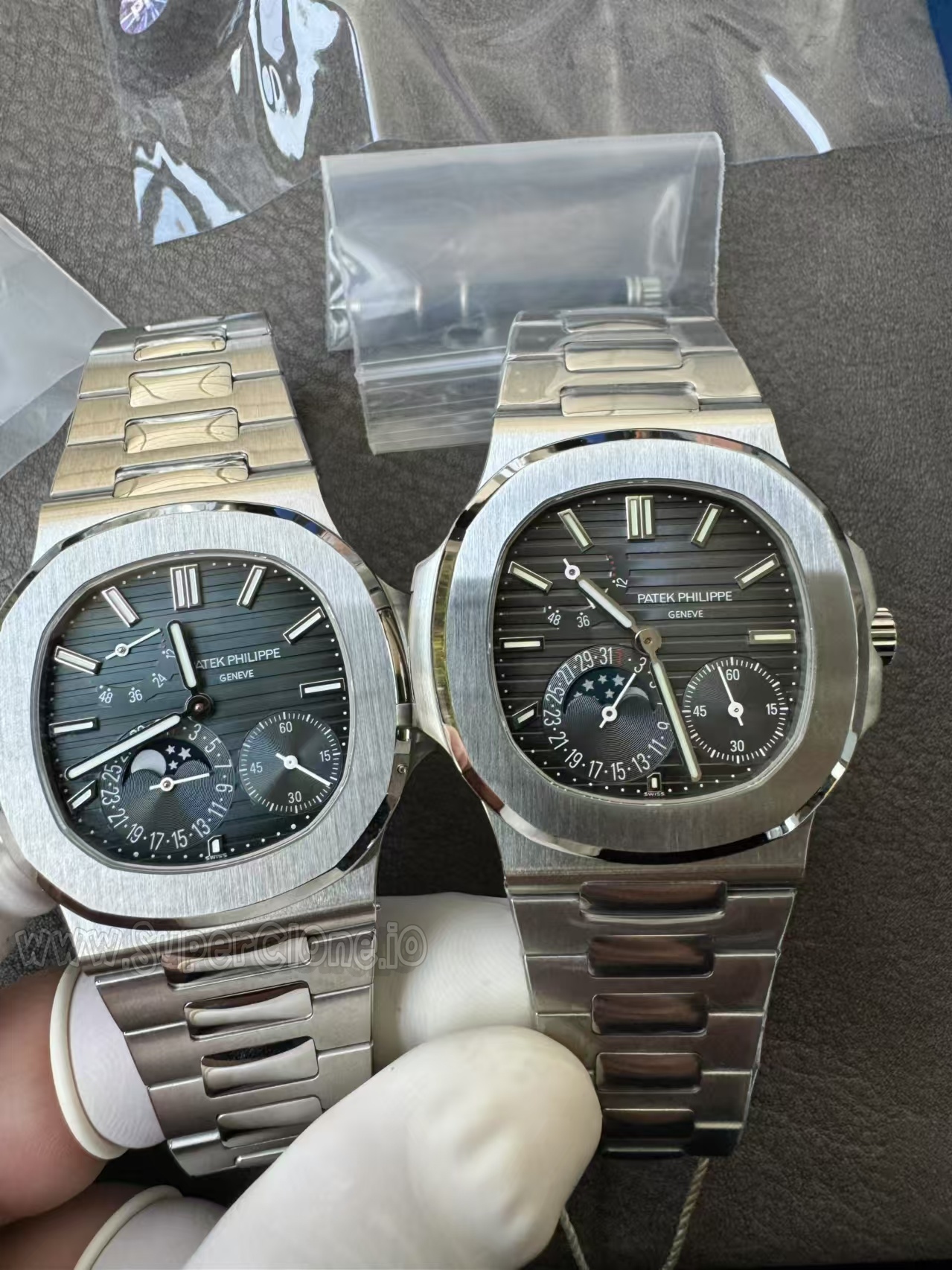
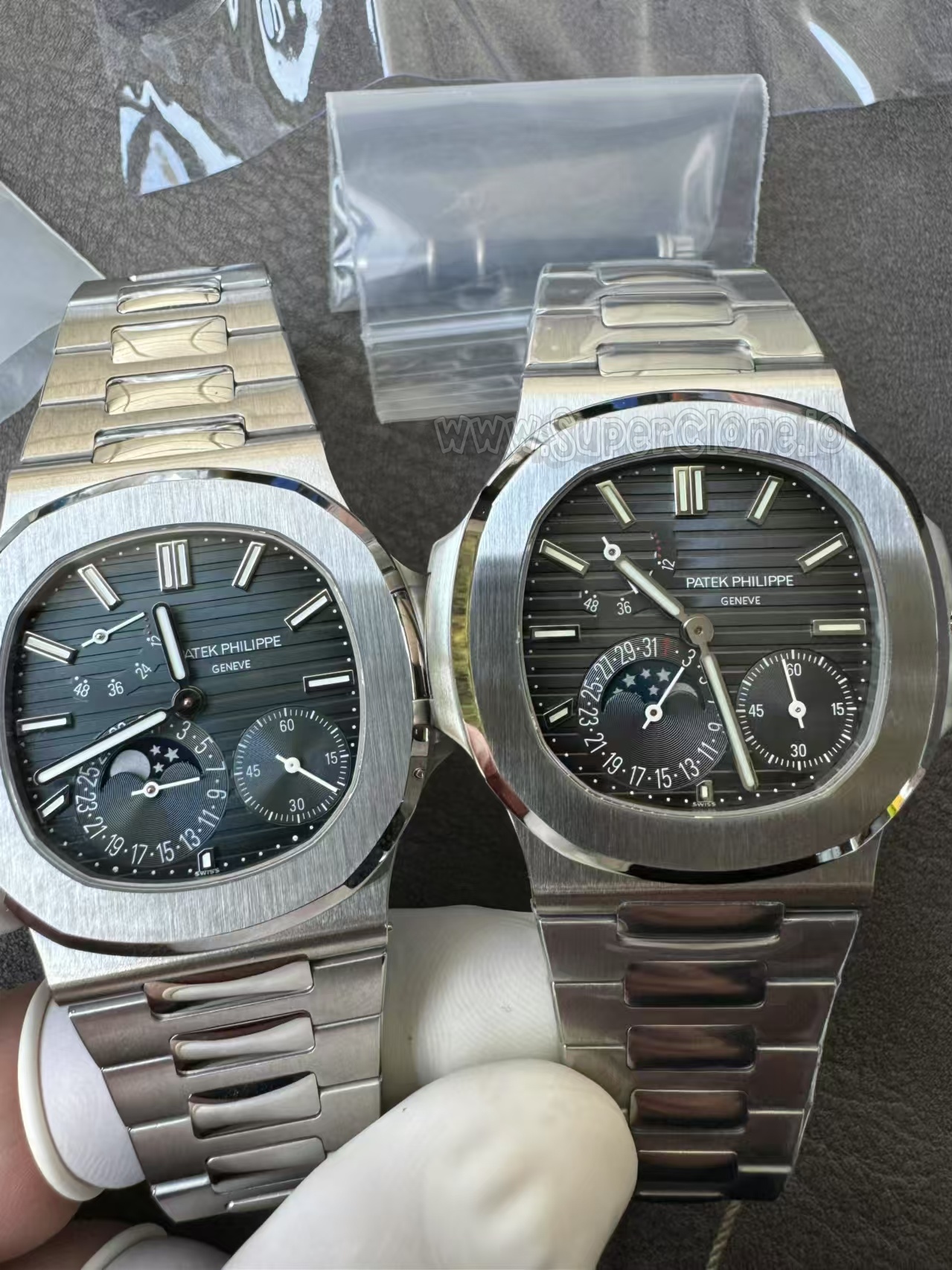
Comparing a stock PPF dial side-by-side with an SW-modified one reveals differences that are subtle but consistent. Under direct sunlight, the SW dial shows a slightly warmer grey-blue tone, especially in the gradient area near the outer minute track, perfectly matching the finicky genuine aesthetic. The horizontal embossing on the dial surface also appears deeper and more evenly cut, which dramatically affects how light reflects across the textured grooves.
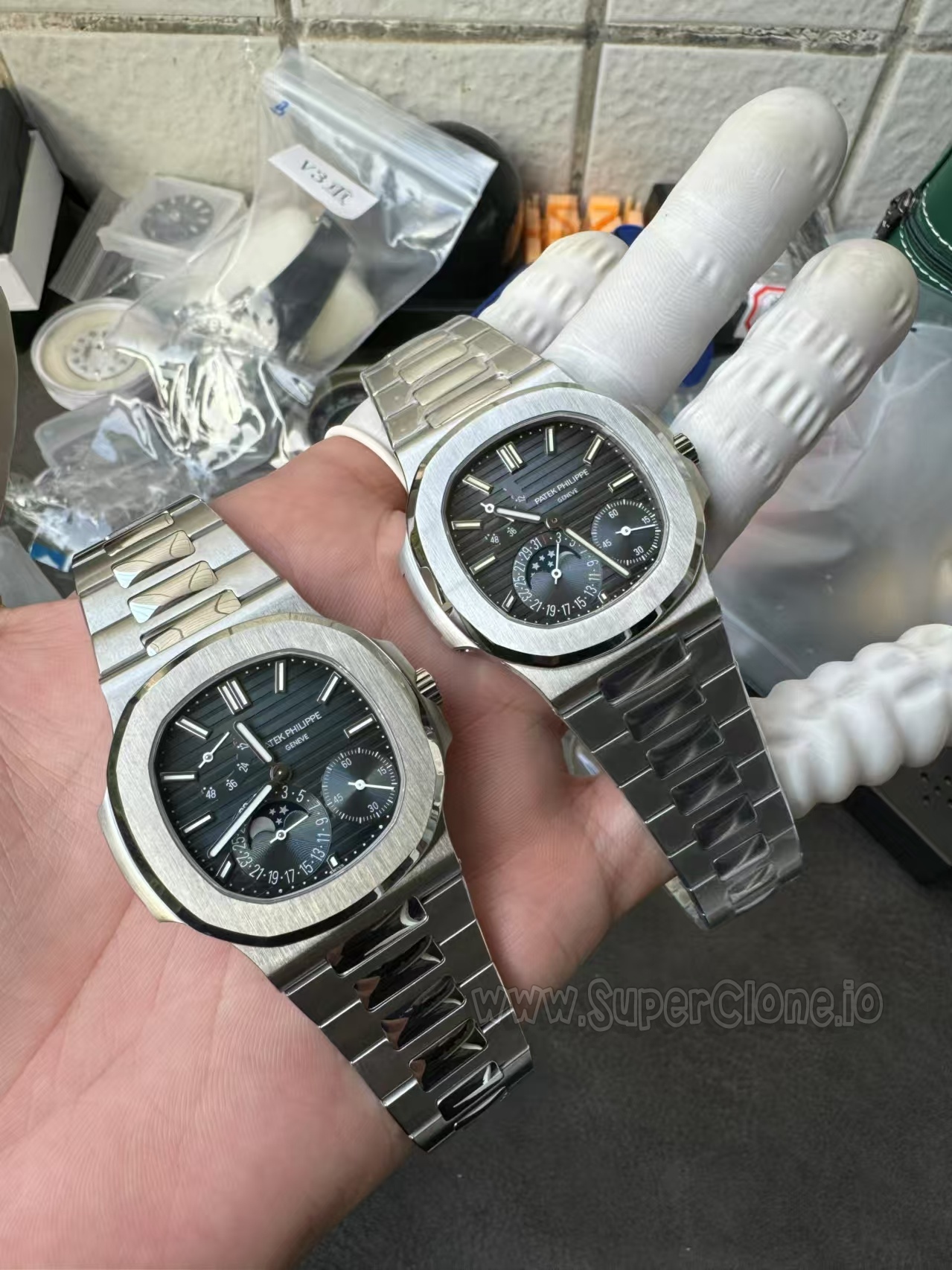
Hand finishing is another distinct upgrade that alters the watch’s wrist presence more than macro photos suggest. On stock factory versions, the center pinion often looks slightly rough under 10x magnification, with visible machining marks around the base. SW hands have a cleaner, more solid profile, and the mirror-polishing on the edges reflects light more uniformly across the dial layout.
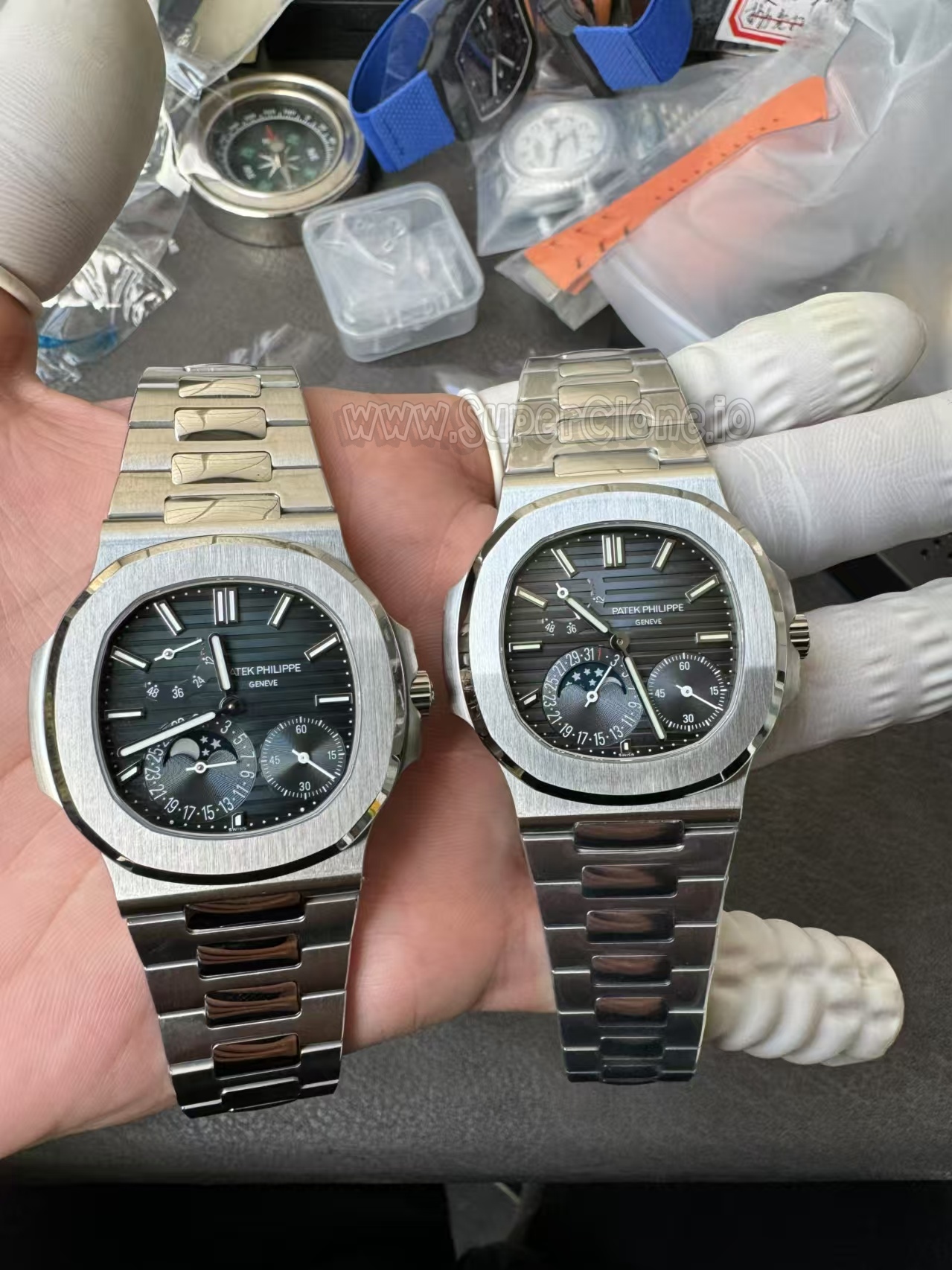
These modifications aren’t aimed at casual buyers. Most people won’t notice a slightly different hand shape or a one-shade shift in dial color unless the two watches are sitting right next to each other. The upgrades appeal specifically to collectors who have already spent time examining genuine 5712s through macro lenses. Once you’ve seen how the genuine dial catches light at certain angles, the stock version starts to feel slightly flat. That’s the exact moment when the SW upgrade begins to make sense.

The ACE Calibre 240: Visual Ambition vs. Mechanical Reality
This is also why the 5712 became an important reference point in discussions around modern super clone evolution. Instead of treating replicas as purely visual copies, factories started addressing tactile and mechanical accuracy as well. The thickness of the mid-case, the angle of the bezel chamfer, and the resistance curve of the crown when winding now receive the same attention as dial printing and date wheel alignment. The expectations inside this segment have shifted noticeably compared to five years ago.

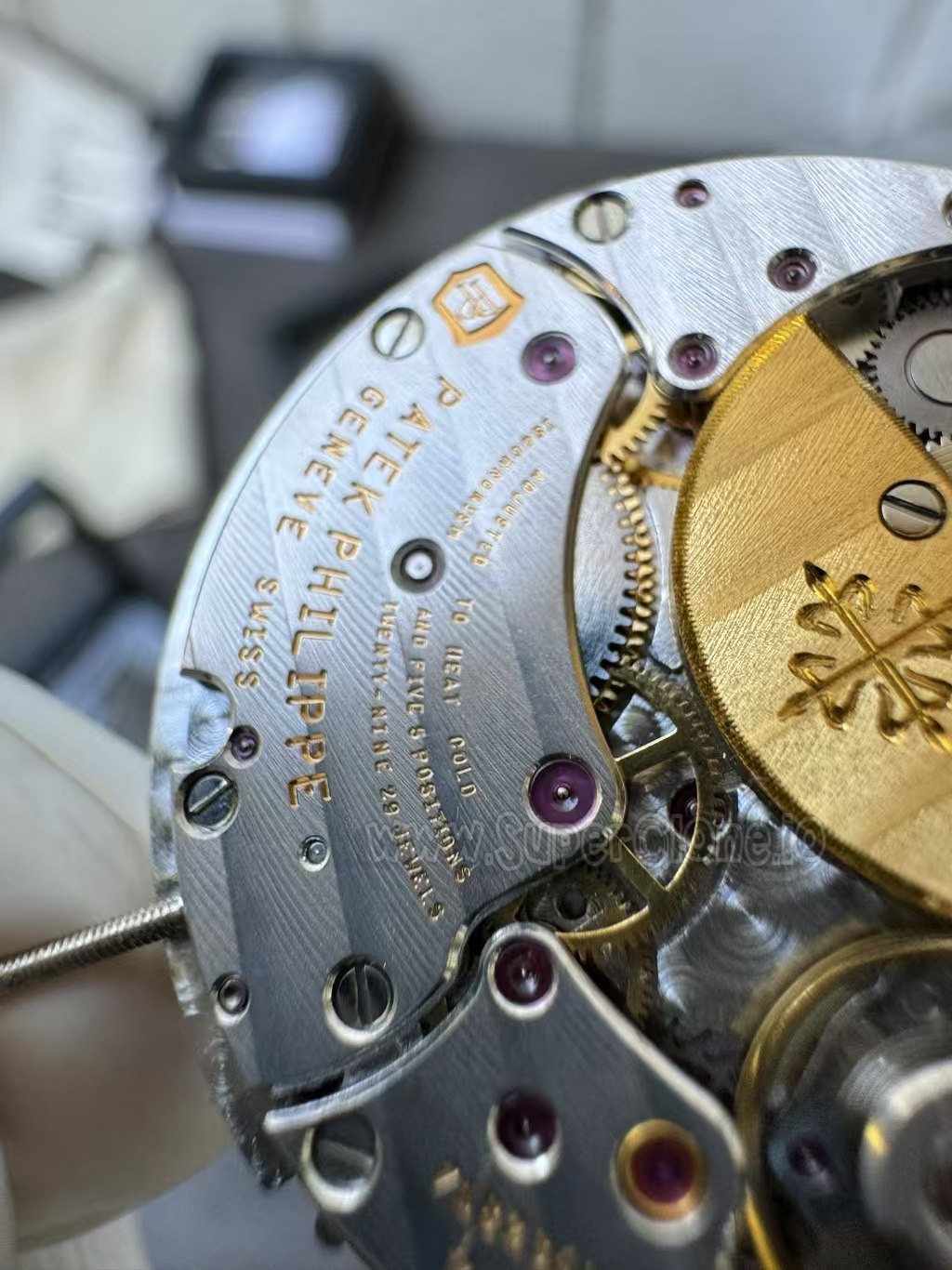
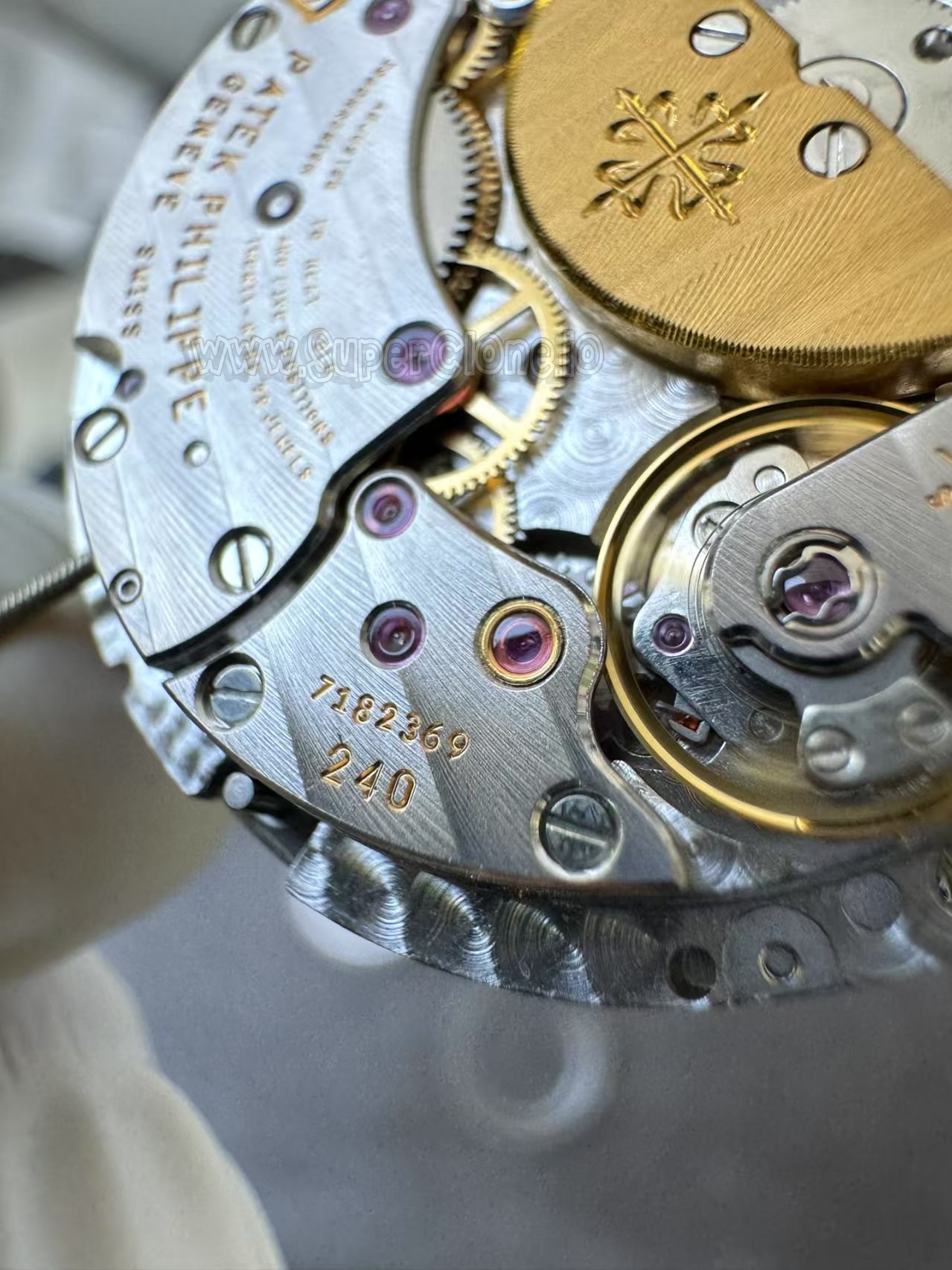
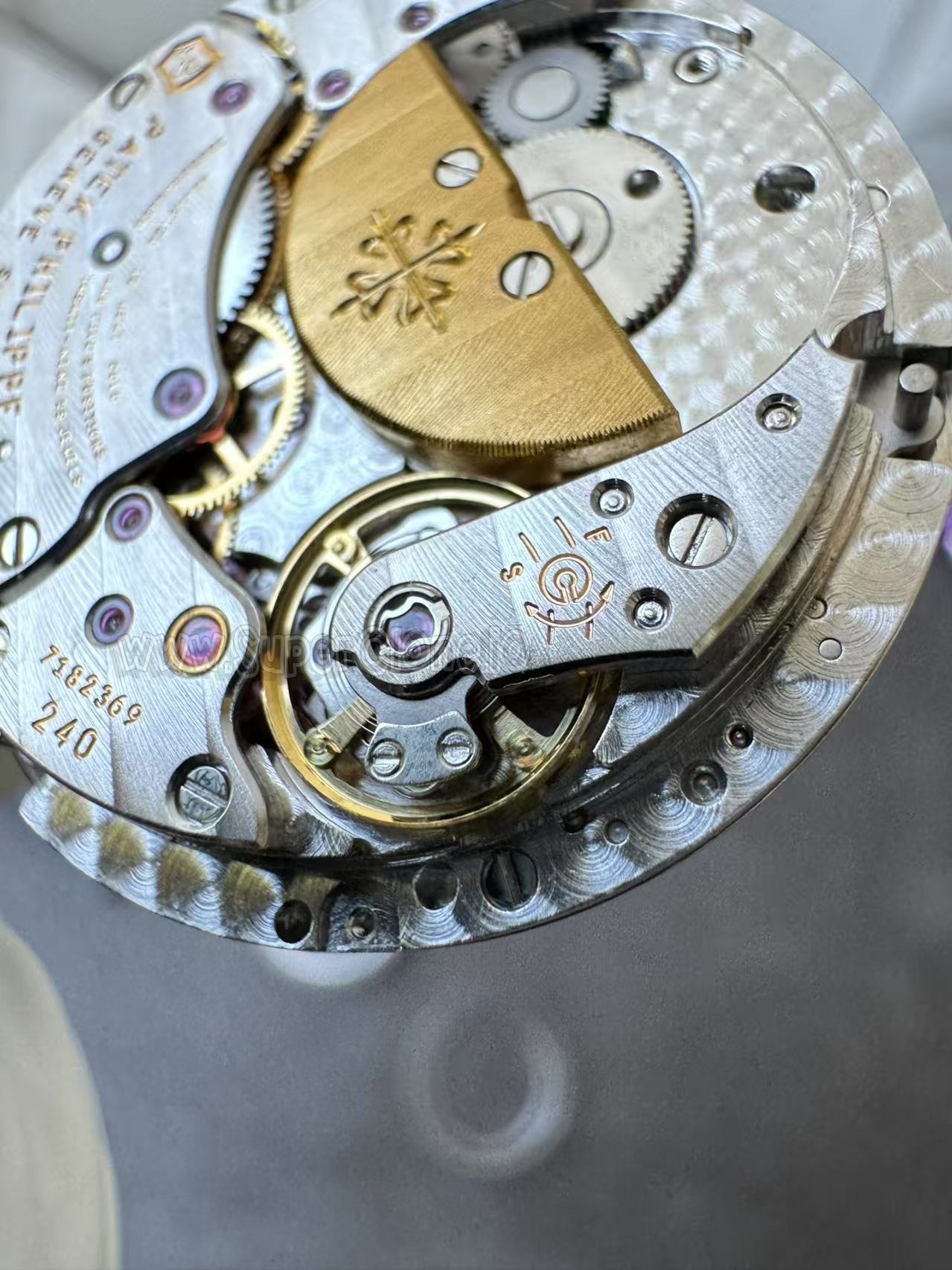
Still, it’s worth pointing out that not every modification makes the watch better in daily use. Some configurations now include a fully rebuilt custom 240 movement produced by ACE, which has become one of the most debated upgrades in the 5712 ecosystem. On paper, the ACE calibre looks compelling: it mimics the genuine 240’s free-sprung balance, refines the bridge anglage, and deepens the engravings on the micro-rotor and mainplate.
However, decorative ambition and mechanical stability don’t always scale together. This is where collector opinions diverge sharply. Several enthusiasts who have handled the ACE movement over extended periods reported the same observation: while the movement looks exceptional through glass, its long-term rate stability remains unpredictable over extended use.
Cost is the other major variable. Once you combine the SW dial, SW hands, and ACE movement into a single custom build, the total price surges past $1,500, depending on the dealer and watchsmith assembly work involved. At that level, buyers are no longer comparing entry-level versus premium replicas; they are weighing whether incremental visual gains are worth sacrificing the out-of-the-box reliability of the standard factory configuration.
Final Verdict: Navigating the 5712 Market
For many experienced collectors, the stock PPF 5712 remains the most balanced option currently available. It doesn’t chase absolute perfection in every decorative corner, but it offers a combination of dial accuracy, movement functionality, and bracelet comfort that works consistently in real-world conditions. The watch runs reliably, sets smoothly, and wears thin enough to slide under a dress shirt cuff without catching.
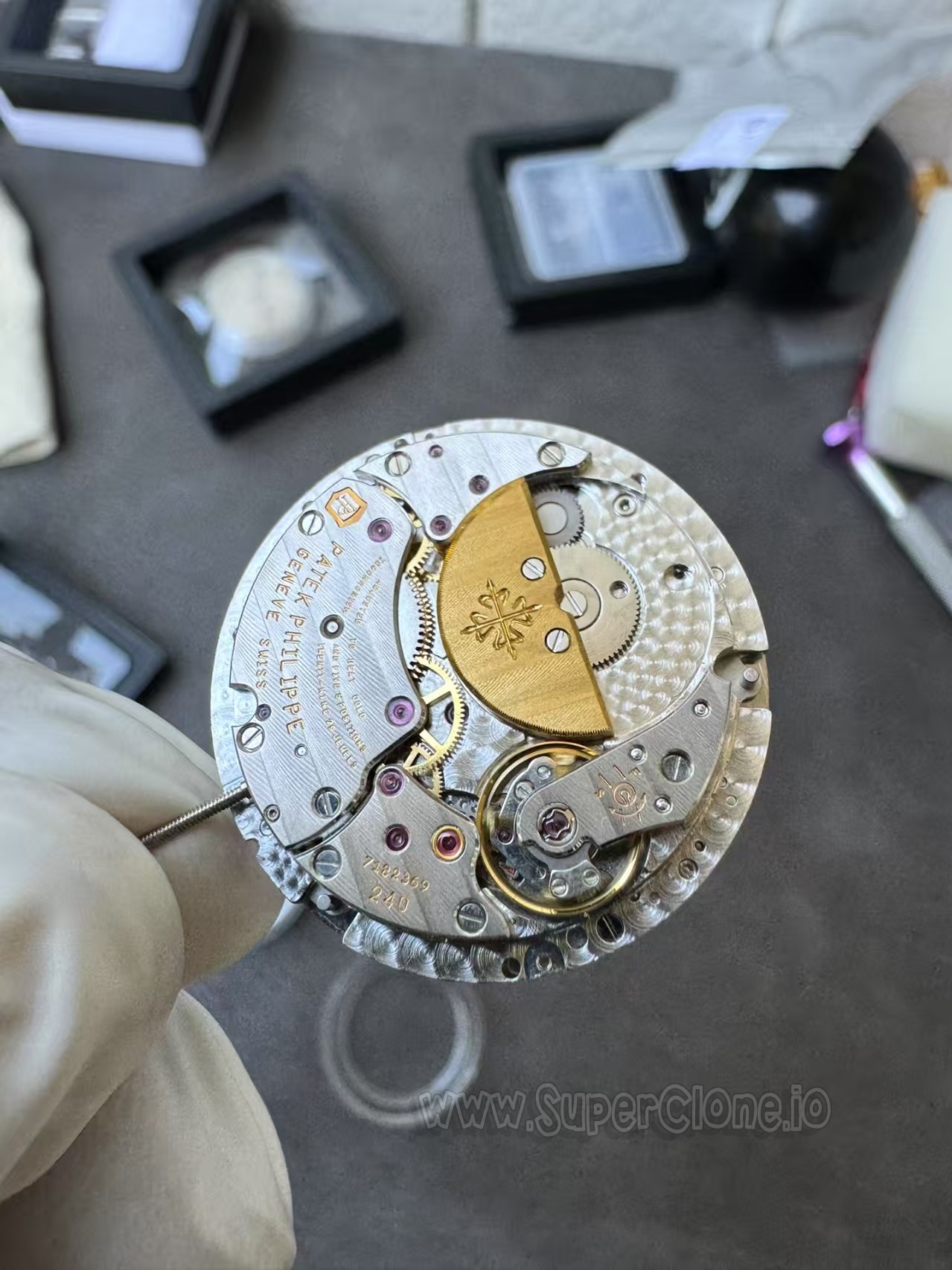
Under macro magnification, the decorative work on the ACE calibre clearly shows where the extra production cost has been allocated. The engraving texture is sharper and deeper than the standard movement’s. The bridge finishing reflects light with a more pronounced contrast between polished and brushed surfaces. The edge beveling, in particular, catches attention because of its consistent width and clean termination at the corners.
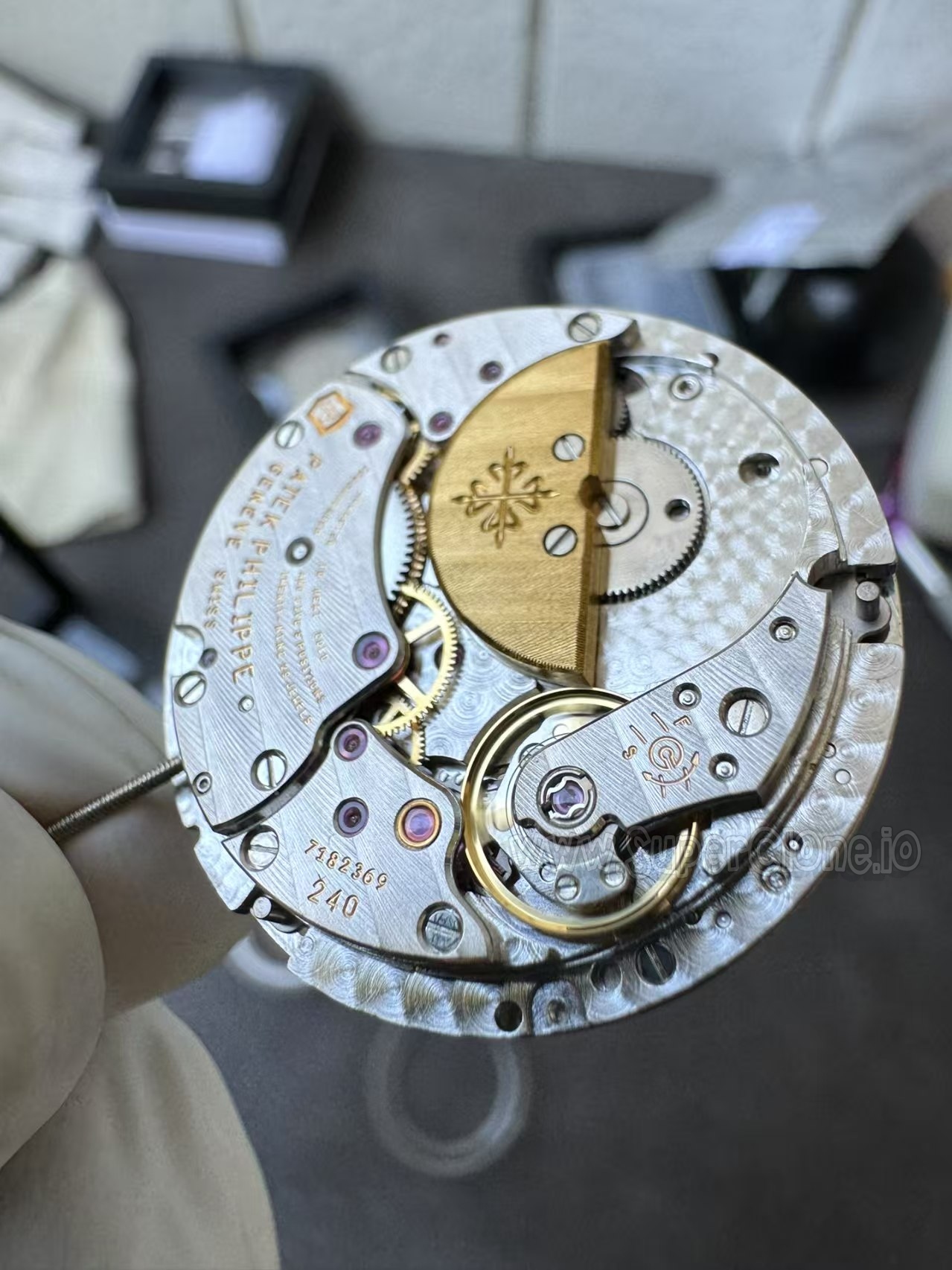
The micro-rotor construction also stands out immediately, both for its darker gold material and the improved surface polish on the rotor rim. Movement-focused collectors usually pick up on these differences within seconds of looking through the sapphire caseback. The mass simulation here provides a much better winding efficiency on the wrist.
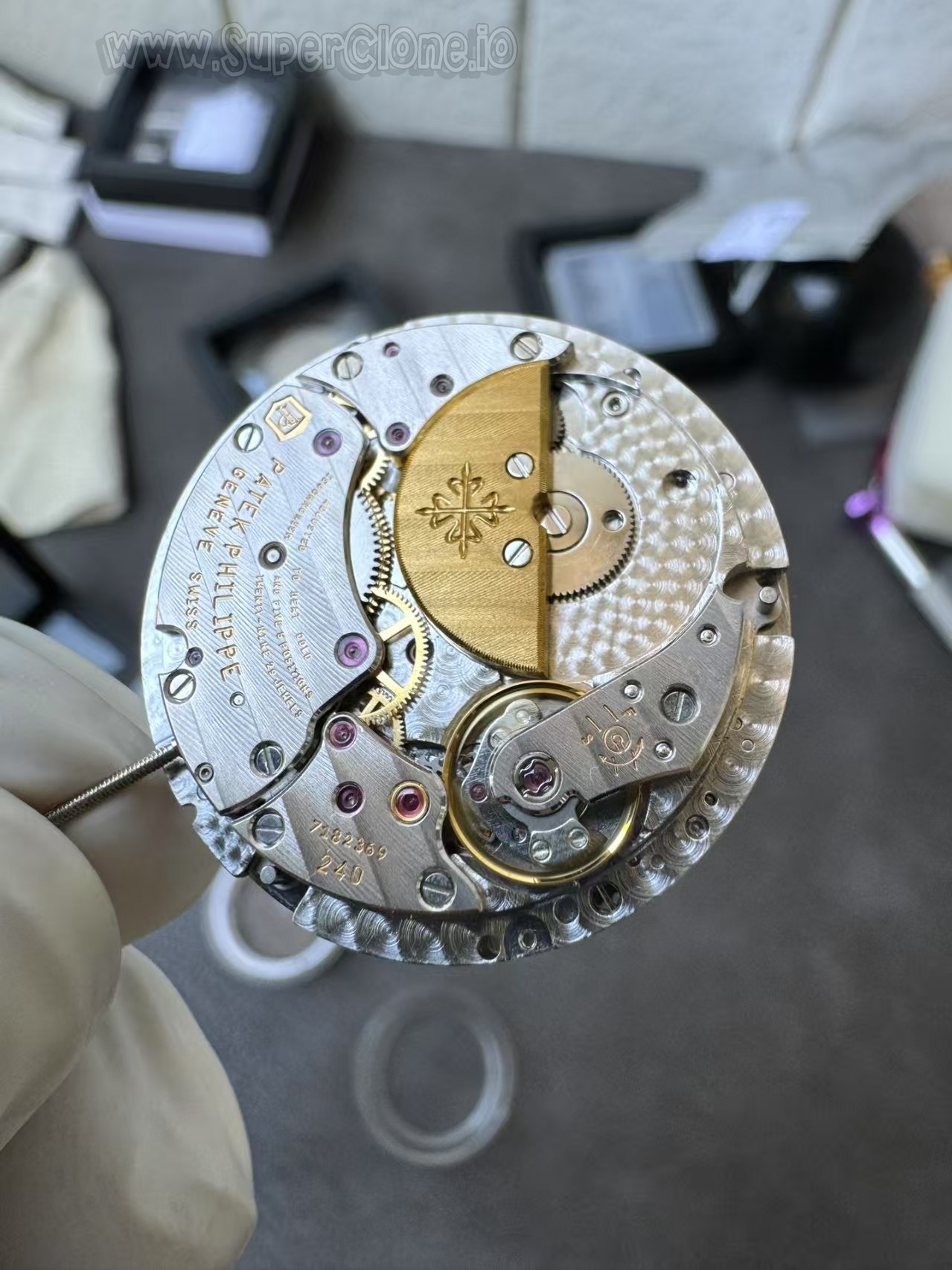
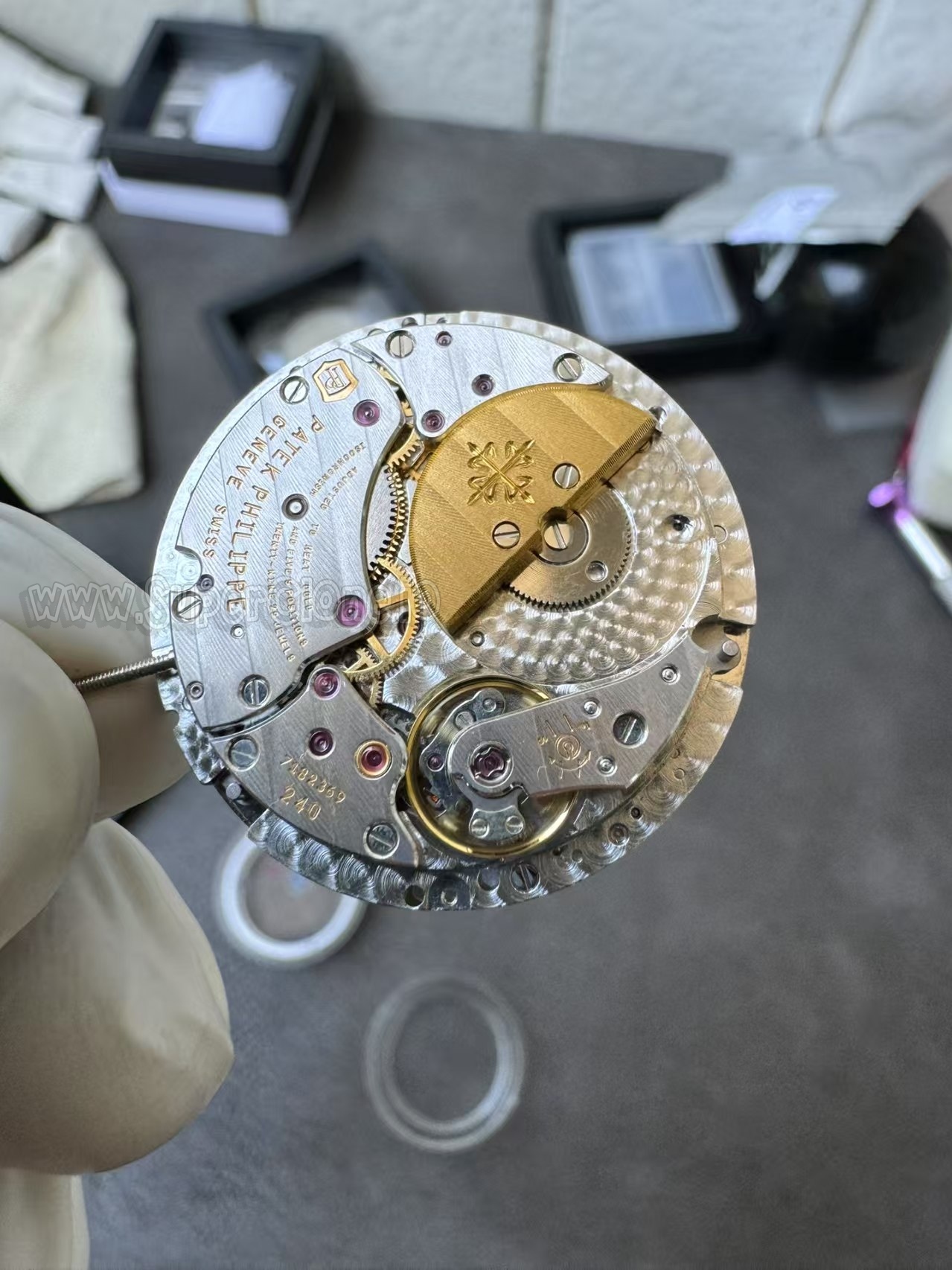
Even so, decorative excellence alone doesn’t guarantee a satisfying long-term ownership experience. Complex calibres require architectural consistency more than visual drama, especially in ultra-thin designs where component tolerances are measured in mere microns. The ACE movement’s free-sprung balance, while visually accurate, demands careful regulation and maintenance that standard regulated movements avoid entirely.
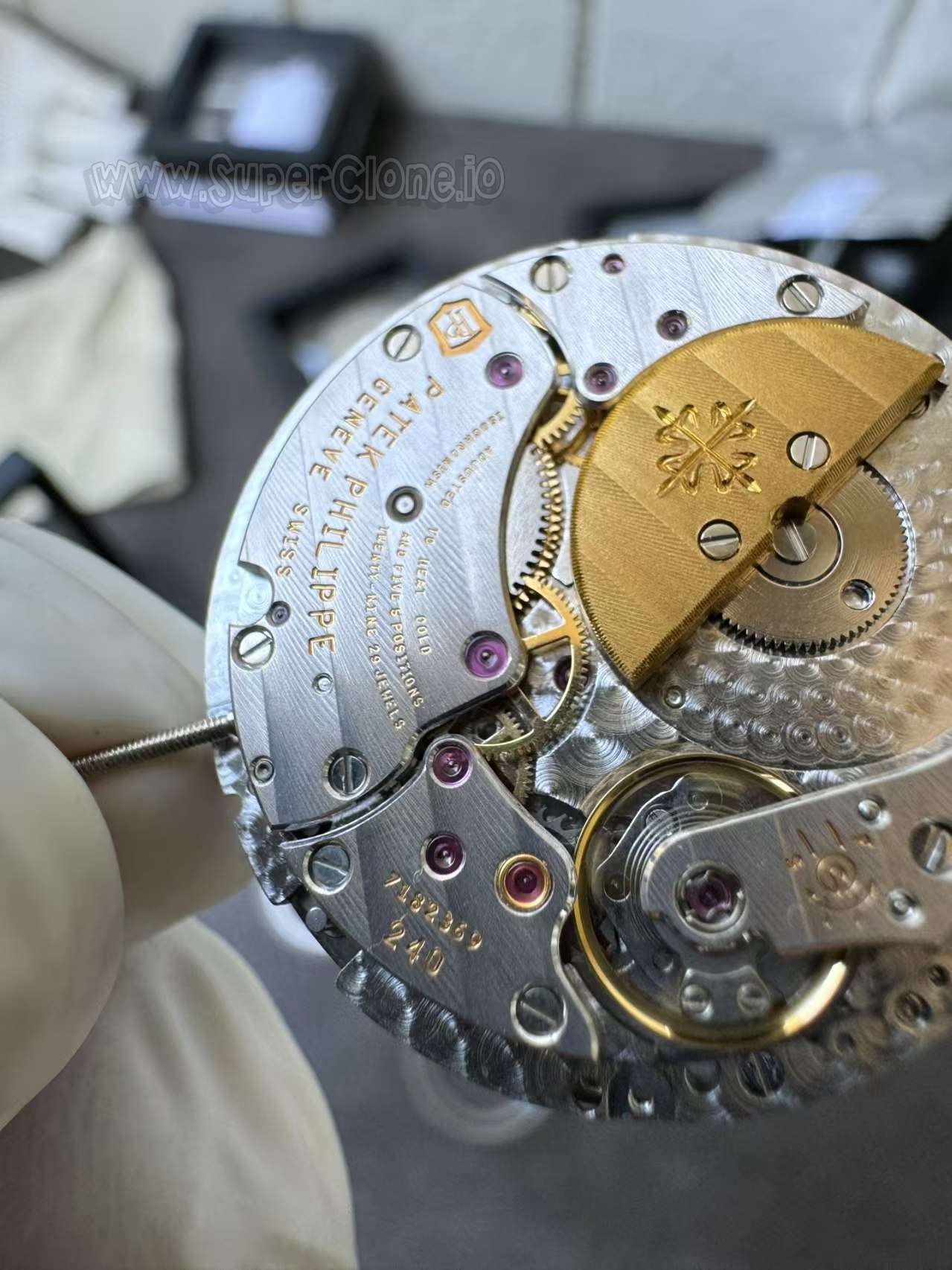
The free-sprung structure improves visual fidelity by removing the regulator arms, but it also adds immense regulation complexity. If the movement gets knocked or magnetized, correcting the beat error requires specialized tools and expert knowledge that standard local watchmakers simply aren’t equipped to handle.
That’s why many seasoned collectors still prefer to stay with the proven PPF configuration rather than chasing every modified version that surfaces online. The marginal visual improvements offered by aftermarket components are real, but they come with structural trade-offs that aren’t always visible in dealer listings.