
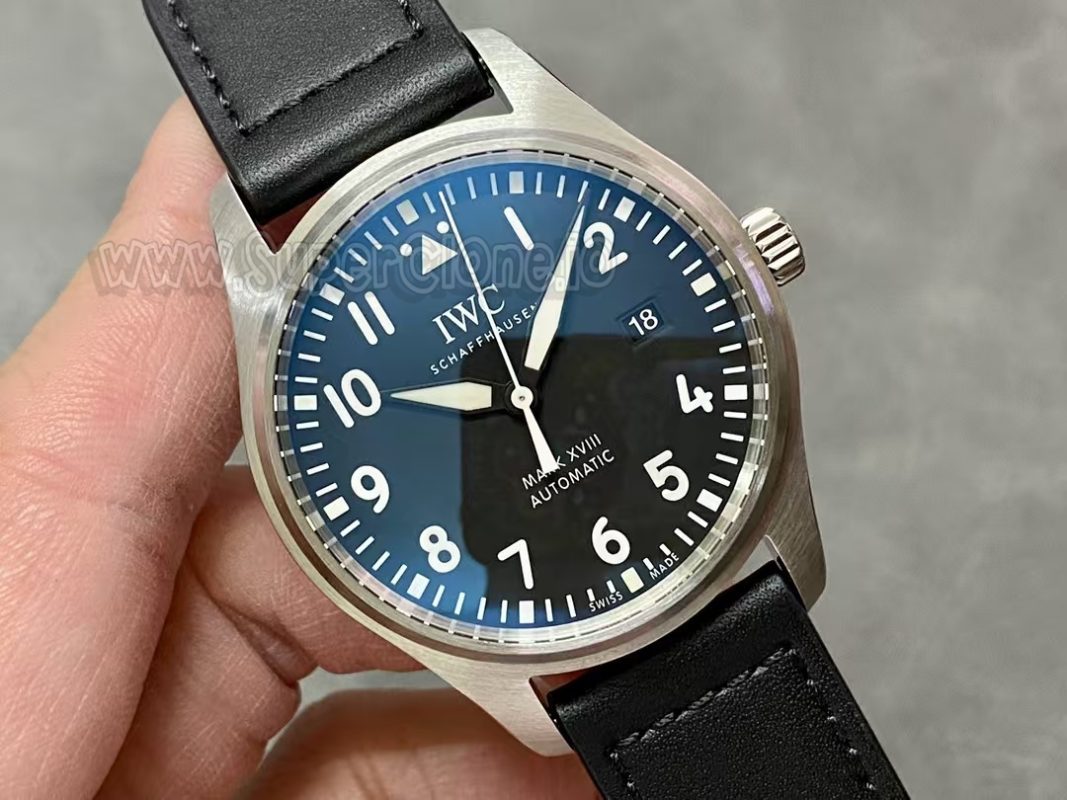
The V7 IWC Mark XVIII: Why Movement Choice Shapes the Real Wearing Experience
There are certain watches that never really leave the wrists—or the conversations—of serious collectors. The Mark series from IWC is the textbook definition of this enduring appeal. It doesn’t rely on flashy complications, oversized cases, or aggressive, hype-driven styling. Instead, it maintains its relevance through mathematical clarity, perfect case proportions, and historical consistency—qualities that are incredibly easy to overlook until you compare different iterations side by side.
In the high-end replica market, that absolute subtlety creates a completely different kind of engineering challenge. Because the Mark XVIII’s design is so minimalist, there are “no visual crutches” to distract the eye. Every surface, edge, and print is completely exposed to scrutiny. After handling multiple versions of the Mark XVIII over the years—specifically putting the MKS and V7 Factory variants through their paces—the real differences only become obvious when you stop staring at spec sheets and start paying attention to the nuances of daily wear.
Where V7 Quietly Pulls Ahead in the Details
At a casual glance, most premium Mark XVIII replicas look nearly identical. The clean pilot dial layout is there, the 40mm case profile feels familiar, and the monochrome aesthetic remains unchanged. However, once you introduce these pieces into a regular wearing rotation, the execution of the case finishing immediately begins to separate the contenders from the champions.
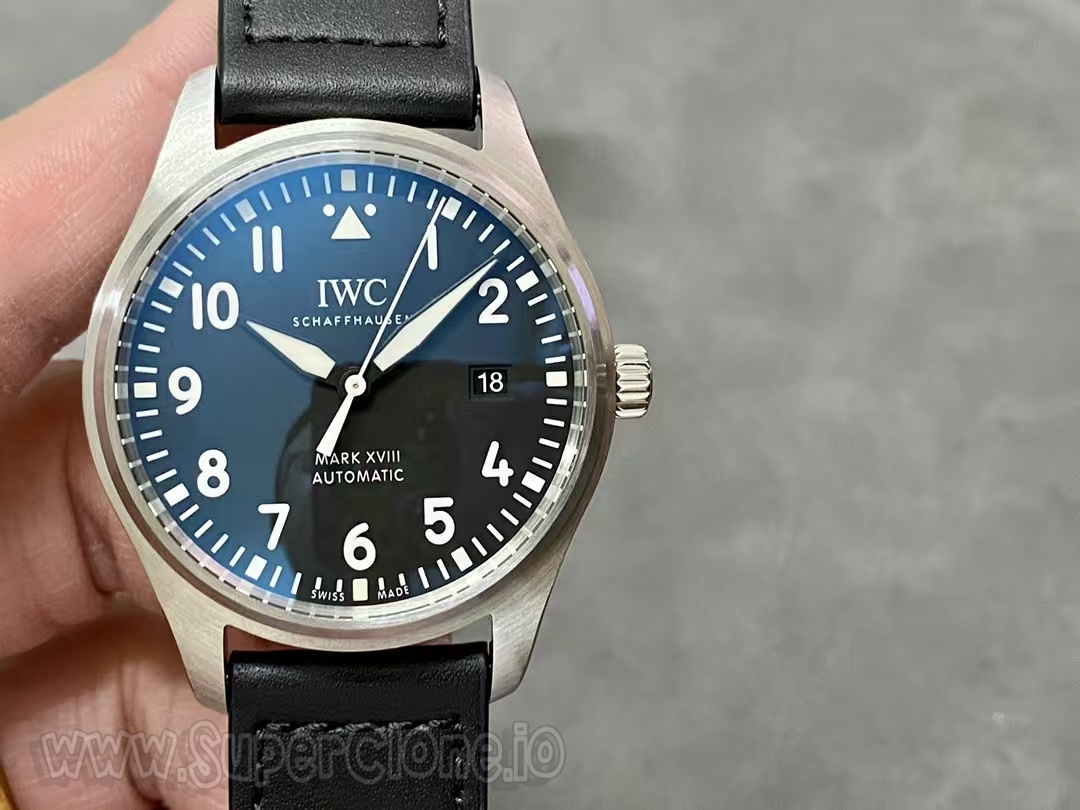
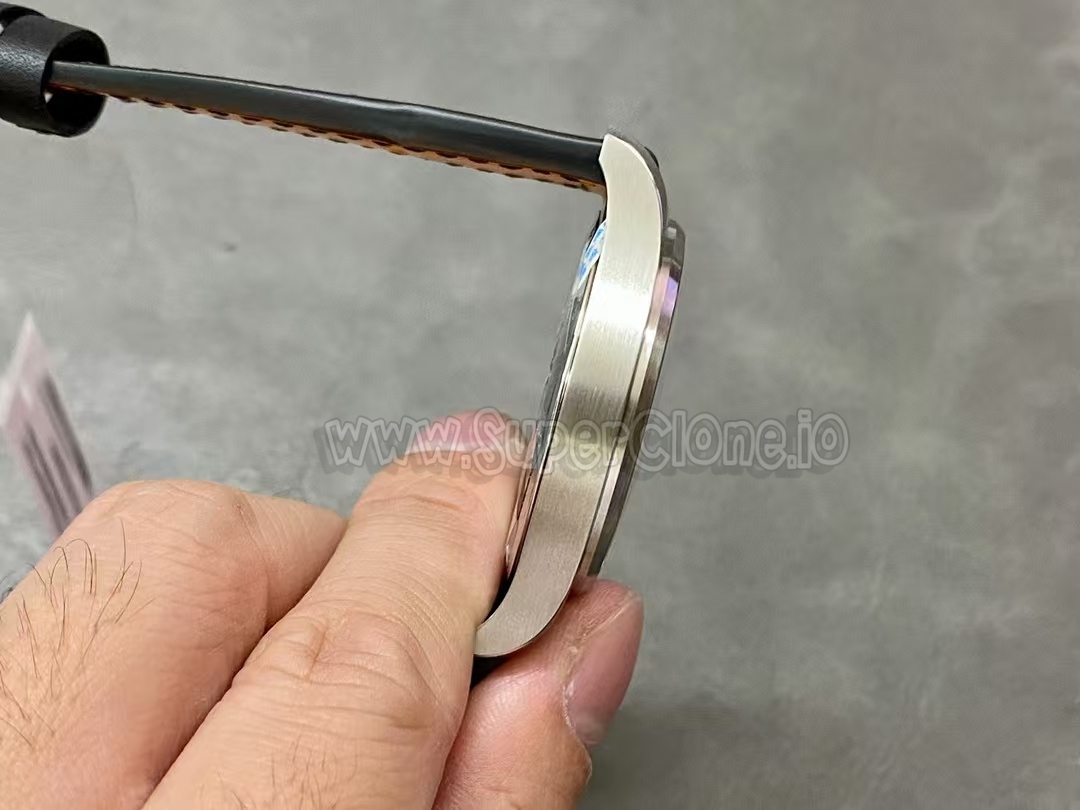
The V7 version distinguishes itself most noticeably around the mid-case edges and the iconic lug chamfers. The transitions between the sharp, directional brushing on the case top and the mirror-polished bevels feel incredibly controlled, crisp, and natural.
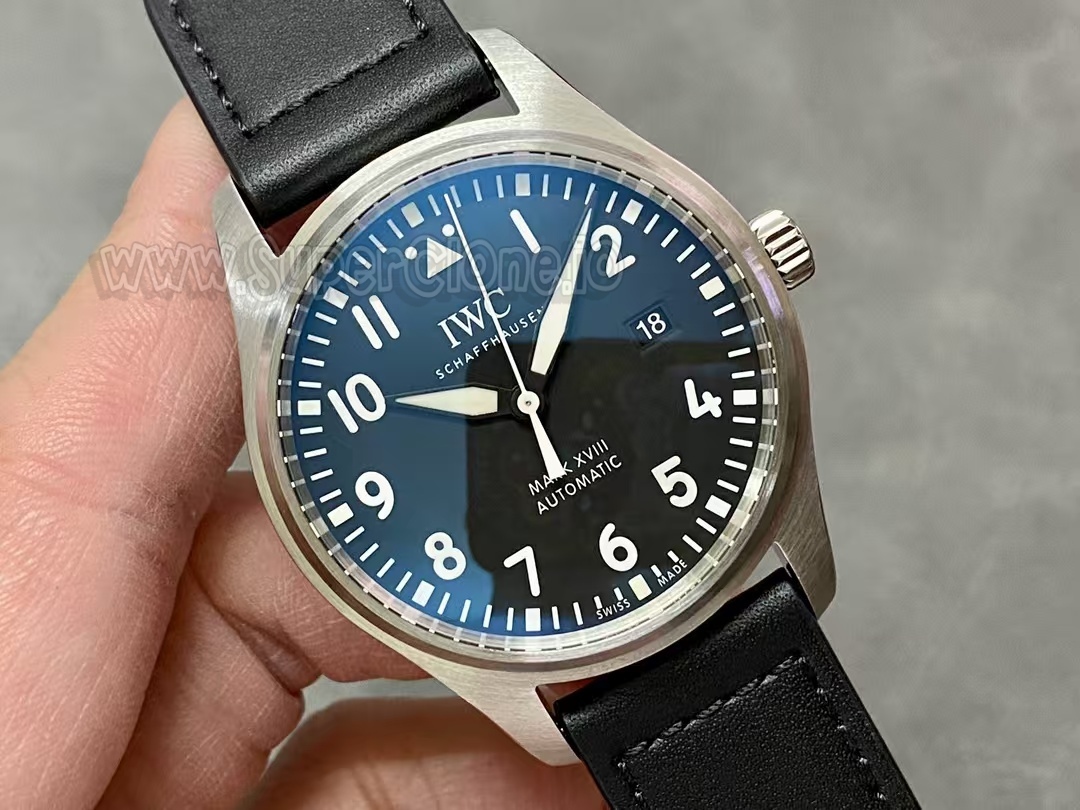
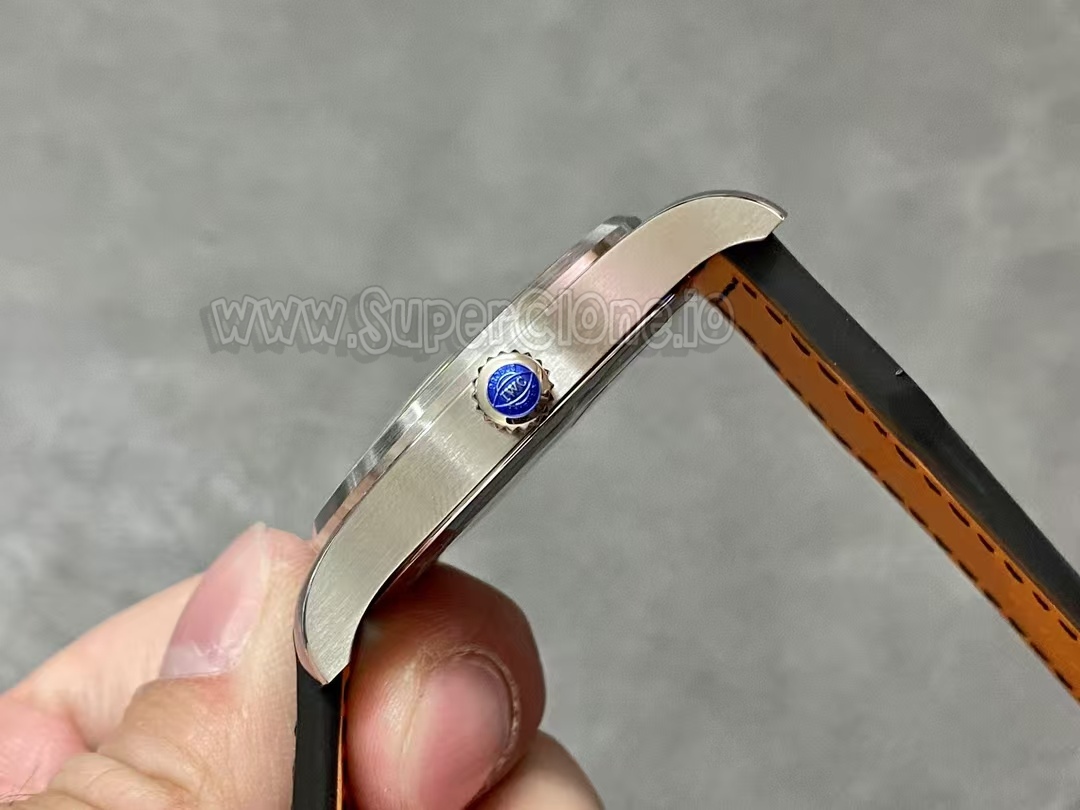
It’s not the kind of detail that jumps out in heavily compressed factory photos, but on the wrist, under natural light, it changes how the watch catches ambient light. On a watch that is “clean enough to leave nowhere to hide imperfections,” these subtle finishing choices have an outsized impact. A slightly sharper case edge or a more refined crown groove can completely break the illusion, and V7 seems to understand this dynamic better than anyone else.
The Movement Question: More Than Just a Specification
Most deep-dive discussions around this specific model eventually circle back to the internal powerhouse. V7 changed the game by offering a top-tier variant fitted with a genuine Swiss Sellita SW300 movement. This is where the replica hobby transitions from pure aesthetics into true mechanical replication—not just on a technical sheet, but in practical, tactile reality.
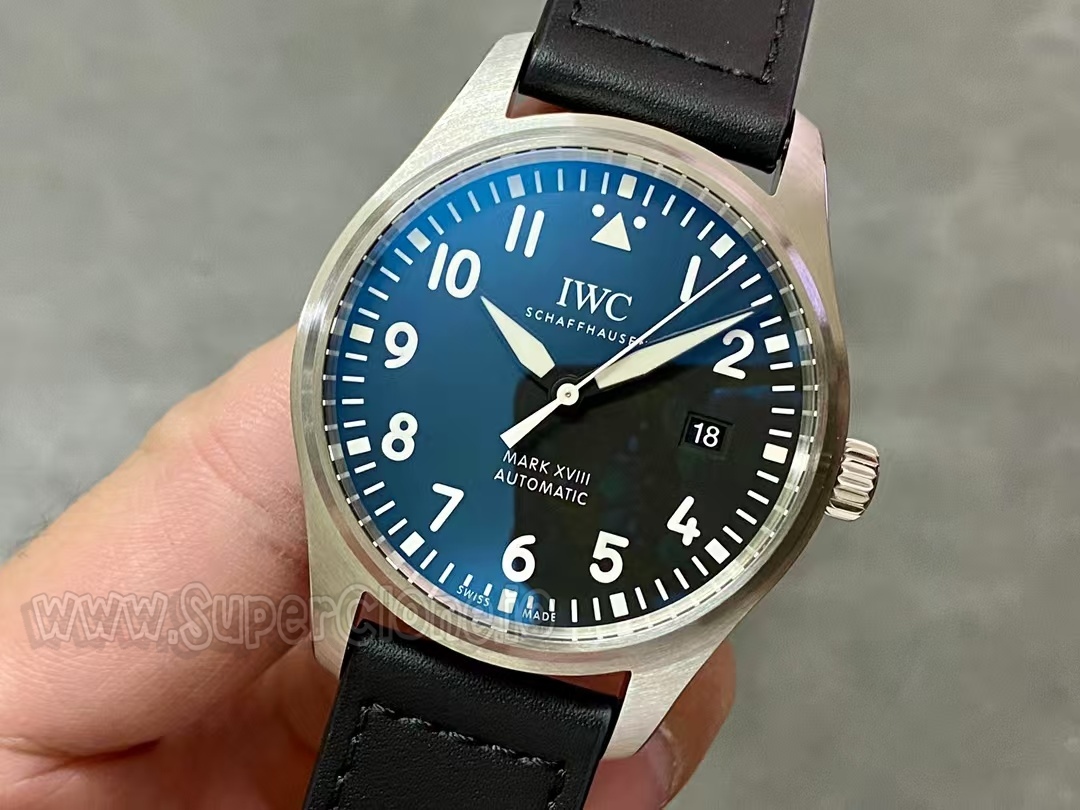
When you opt for the Swiss SW300 architecture, the date adjustment mechanism operates in the exact same direction, winding resistance, and crisp click-over manner as the genuine IWC Caliber 35111 (which itself is based on the Sellita platform). That minor detail might sound trivial to an outsider, but it is one of those crucial tactile interactions you experience every time you pick up the watch to set the time. Over months of ownership, it becomes a part of your daily muscle memory.
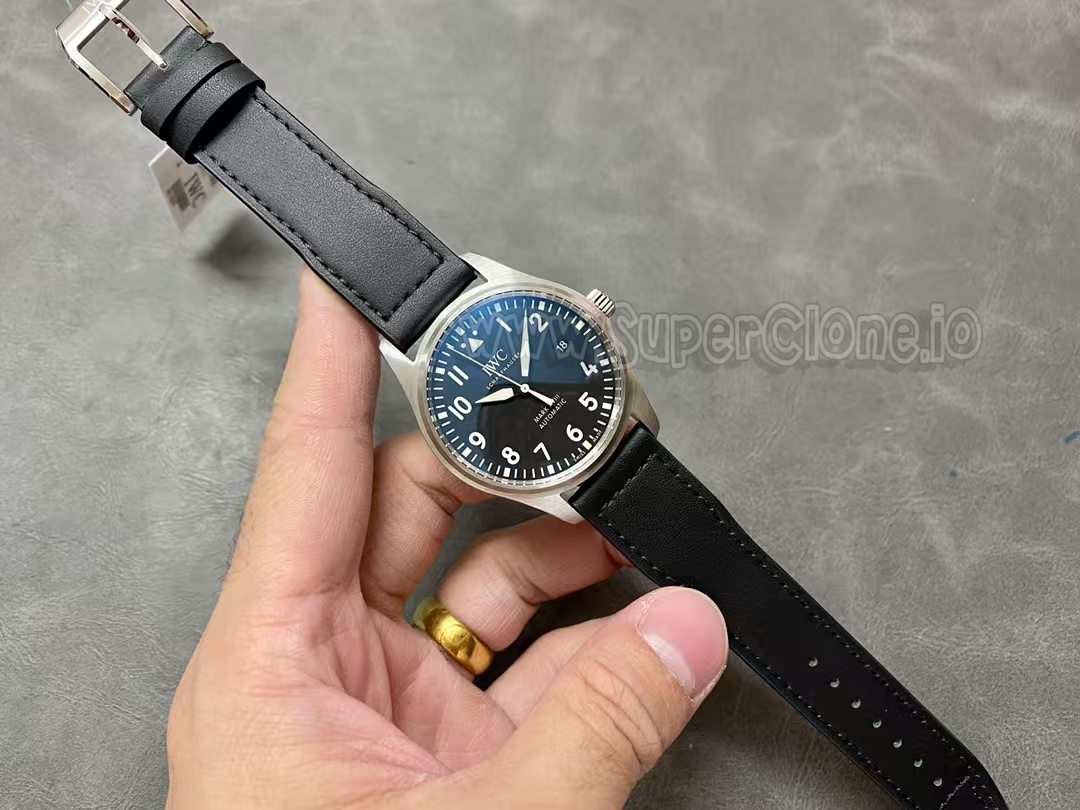
By contrast, variants using the Asian Sea-Gull 2892 movement appeal to a completely different market segment: those looking for pure cost efficiency. The Sea-Gull clone performs reliably and satisfies those who view the watch purely as a visual accessory. However, its winding feel, date-click response, and long-term stability under continuous wear still hold a noticeable gap compared to the Swiss counterpart. The SW300 version doesn’t just promise better specifications; it delivers a closer mechanical dialogue between the wearer and the watch.
Why Some Buyers Remain Cautious About the Upgrade
Despite the obvious mechanical appeal of a genuine Swiss heart, many buyers still find themselves cross-shopping and hesitating before pulling the trigger on the upgraded version. Price, of course, plays an undeniable role, but the underlying hesitation usually stems from something far more deeply rooted in the replica community: trust.
Over the last decade, the replica market has been flooded with grand factory claims of “Genuine Swiss Movements” that, upon closer inspection by independent watchmakers, turned out to be nothing more than heavily decorated Asian clones or refurbished components. This rocky history has made modern buyers hyper-cautious, particularly when the price premium between the Asian movement and the Swiss movement options becomes substantial.
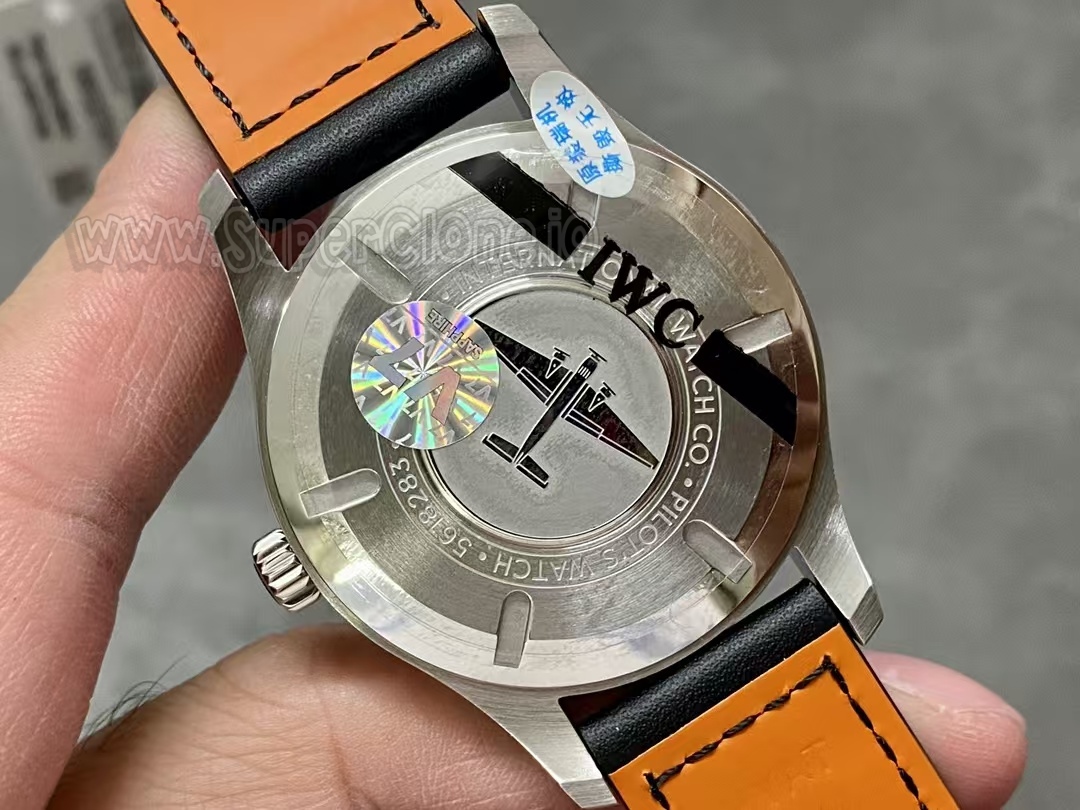
It is a completely justifiable concern. Without unscrewing the solid caseback or relying on a highly vetted, trusted dealer (TD), confirming the internal identity of a watch isn’t easy for the average enthusiast. This lingering baseline of uncertainty explains why a large portion of the community prefers to stay with known, low-cost, easily replaceable Asian movements rather than taking the financial leap of faith.
A Broader Pattern Across the Super Clone Industry
This internal-versus-external debate is by no means unique to IWC replicas. The exact same pattern plays out across other major luxury brands like Tag Heuer (with their Calibre 5 models) and Breitling (with their ETA-based Navitimers and Superoceans), where certain high-end batches are offered with optional genuine Swiss ETA or Sellita movements. The philosophy remains uniform across the board: bridge the mechanical gap to the original, rather than just copying the external stainless steel shell.
However, the execution varies wildly from factory to factory. Some makers pour 90% of their budget into external case polishing while treating the movement as a secondary consideration. Others, like V7 Factory, attempt to replicate the entire ownership experience from the inside out. They deep-dive into the original essence, ensuring the crown stem alignment, case tube threading, and movement retention rings match the structural integrity of the genuine piece.
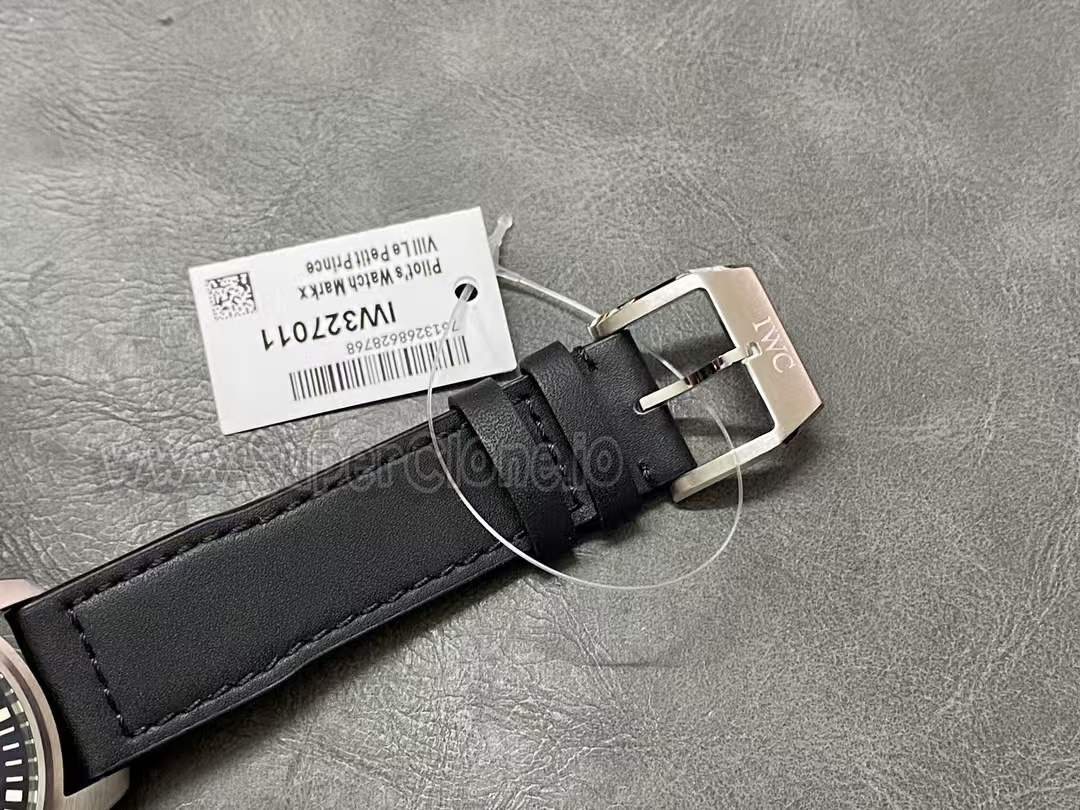
This uncompromising build approach is precisely what keeps V7 at the top of the conversation when collectors discuss true “super clone” quality, even as newer pop-up factories attempt to undercut them on price every single season.
Looking Closer at the Movement Itself
For the watch enthusiasts who do decide to pay the premium for the Swiss SW300 version, the internal engine ceases to be just a hidden bullet point on a sales page—it becomes a verifiable piece of horological hardware.
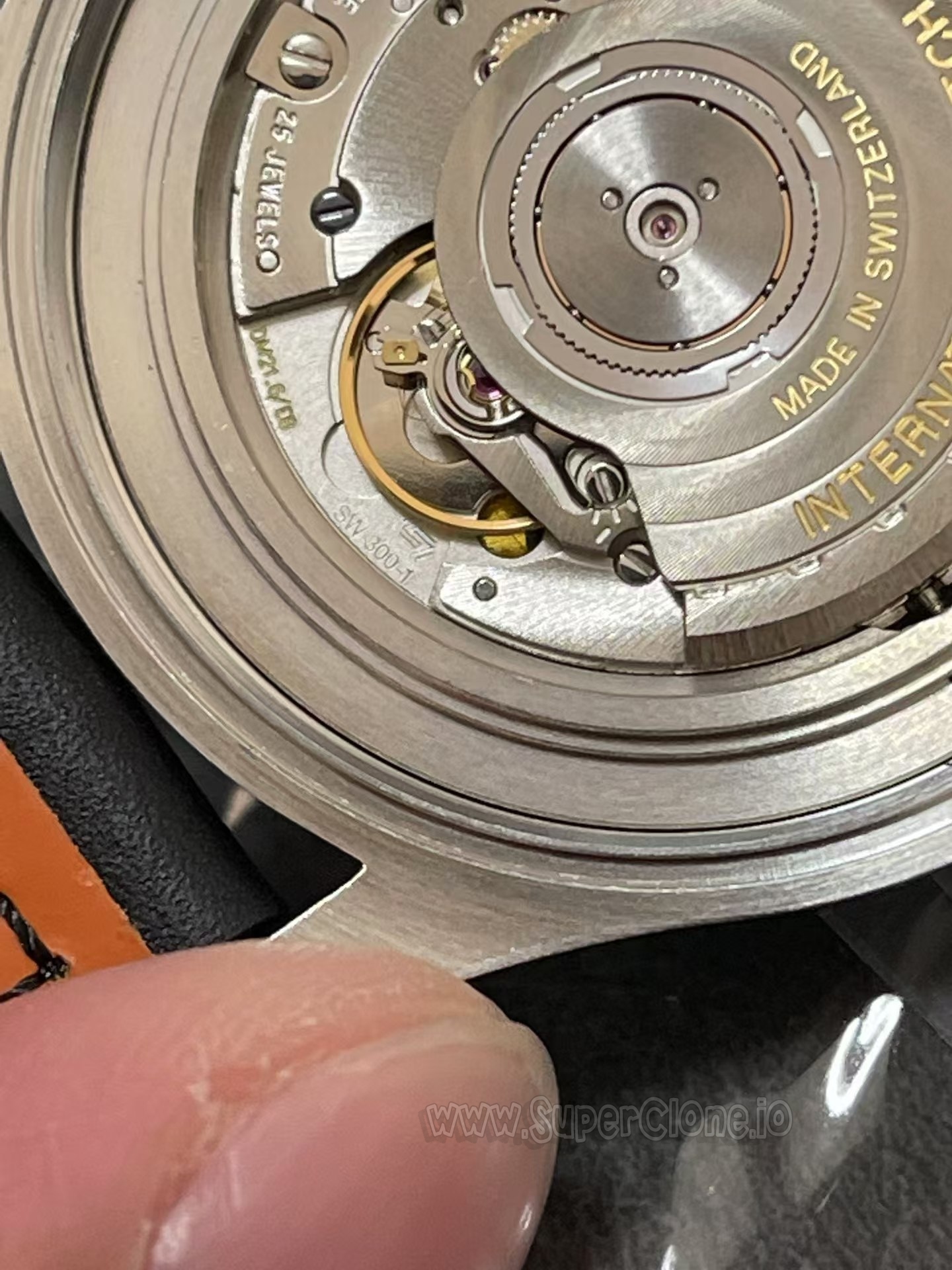
Once the solid caseback is safely removed, the distinct architecture of the Sellita platform is instantly recognizable to the trained eye. The specific machine tooling, the micro-engravings under the balance wheel, and the authentic SW300 hallmarks can be clearly verified. It’s a hidden detail, sure, but it provides an immense layer of psychological reassurance and long-term serviceability for buyers who value mechanical authenticity just as much as external replication accuracy.
Why the Mark XVIII Continues to Hold Its Place
The fundamental appeal of the IWC Mark XVIII hasn’t wavered since its release. It remains one of the incredibly rare, versatile tool watch designs that transitions seamlessly from a casual weekend t-shirt to a formal tailored suit without ever feeling out of place or trying too hard.
Top-tier factories like V7 and MKS have kept this pilot icon alive in the enthusiast space by doubling down on different manufacturing strengths:
- V7 Factory: Leans heavily toward premium case finishing, tactile crown feedback, and genuine Swiss mechanical options.
- MKS Factory: Focuses on high-volume consistency, affordability, and baseline accessibility for the casual hobbyist.
Ultimately, the decision doesn’t hinge on a single spec, but on how much those microscopic, daily differences matter to you. Some buyers will always prioritize a lower barrier to entry and basic timekeeping reliability. Others, however, are buying the watch for the way the crown threads onto the tube, how the date smoothly clicks over at midnight, or how the case bevels catch the light during a morning drive.
And that, fundamentally, is what separates a standard replica from a true super clone—not the loud, headline-grabbing features, but the quiet, repeated interactions that make a watch feel genuine over a lifetime of wear.
