
What Collectors Should Know About ZF Factory in Today’s Replica Watch Market
Among all the replica watch factories discussed in recent years, ZF is probably one of the most misunderstood names. New buyers often assume ZF operates like a large-scale manufacturer with its own production lines, movement engineers, and assembly teams. After spending years comparing watches from different factories and speaking with dealers who handle inventory directly, I realized the reality behind ZF is far more complicated.
Unlike factories such as Clean or 3K that became known for building signature products around a specific movement or case platform, ZF built its reputation differently. Their strength has never been volume manufacturing. Instead, they became known for selecting existing watches from other workshops, refining visible details like dials or finishing, and then releasing those watches under the ZF name.
That approach explains two things many buyers notice immediately: first, why certain ZF models look surprisingly refined compared to earlier competitors, and second, why the prices are usually higher than expected.
Over the years, I have written about several well-known factories including Clean, APS, and 3K. Those factories all have very different histories and production styles.
Clean Factory Story:
#
3K Factory Story:
#
APS Factory Story:
#
ZF is different from all of them. They are not a traditional manufacturer in the way many collectors imagine. Still, some of the best-known replicas in the market became popular because of ZF’s involvement, especially when they improved visual details that other factories ignored.
Why ZF Became Popular Despite Not Being a Traditional Manufacturer
One thing that helped ZF gain attention was timing. Several years ago, many replica watches had decent movements but weak dials, poor printing quality, or rough case finishing. ZF focused heavily on visible presentation. Even when the base watch came from another source, they often upgraded details that buyers noticed immediately on the wrist.
That strategy worked particularly well with IWC models.
IWC Big Pilot From ZF
The Big Pilot is still one of the better examples of what ZF does well. Earlier AZ versions already had a solid foundation, but the ZF release improved dial texture and visual balance in a way that made the watch feel more convincing during daily wear.
Collectors who compare the watches side-by-side usually notice the dial work first. The printing appears cleaner and the overall presentation feels less flat under natural lighting.
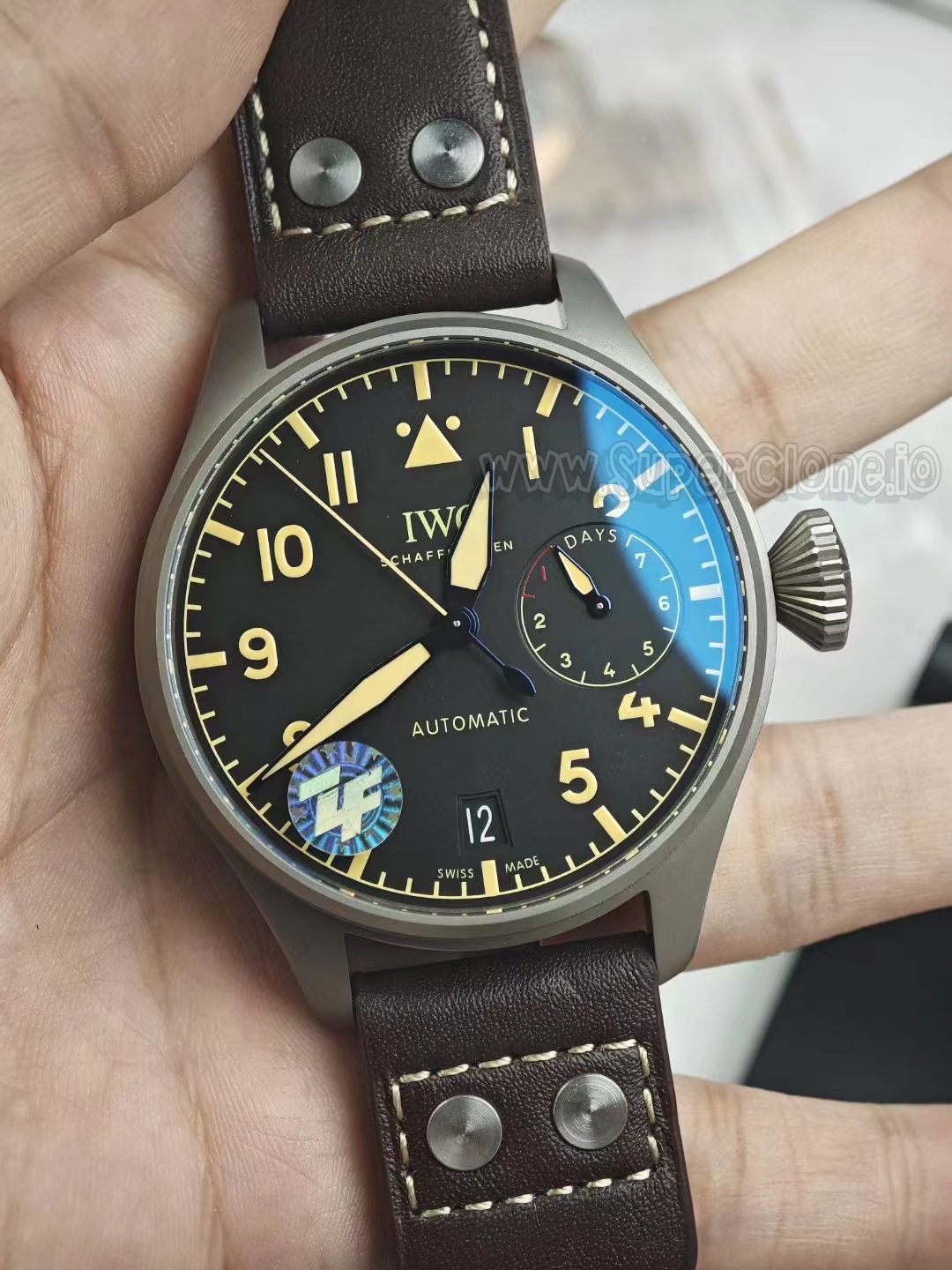
Even today, this remains one of the safer purchases for buyers who prefer large pilot-style watches without entering extremely expensive territory.
The Watch That Expanded ZF’s Reputation Worldwide
If there is one model that truly pushed ZF into global discussion forums, it was the IWC Portuguese 7 Days Power Reserve.
At the time, most buyers were looking for something beyond basic cloned ETA movements. The custom 52010 movement used in this watch attracted huge attention because it represented one of the earlier attempts at creating a more ambitious movement architecture in the replica industry.
The movement itself was developed through cooperation connected with APS, and while the actual power reserve was closer to several days rather than a full week, the watch still stood out because of its overall execution.
More importantly, the dial quality was significantly better than many competitors available during that period. The spacing, texture, and color tone gave the watch a more refined appearance without looking overly glossy or artificial.
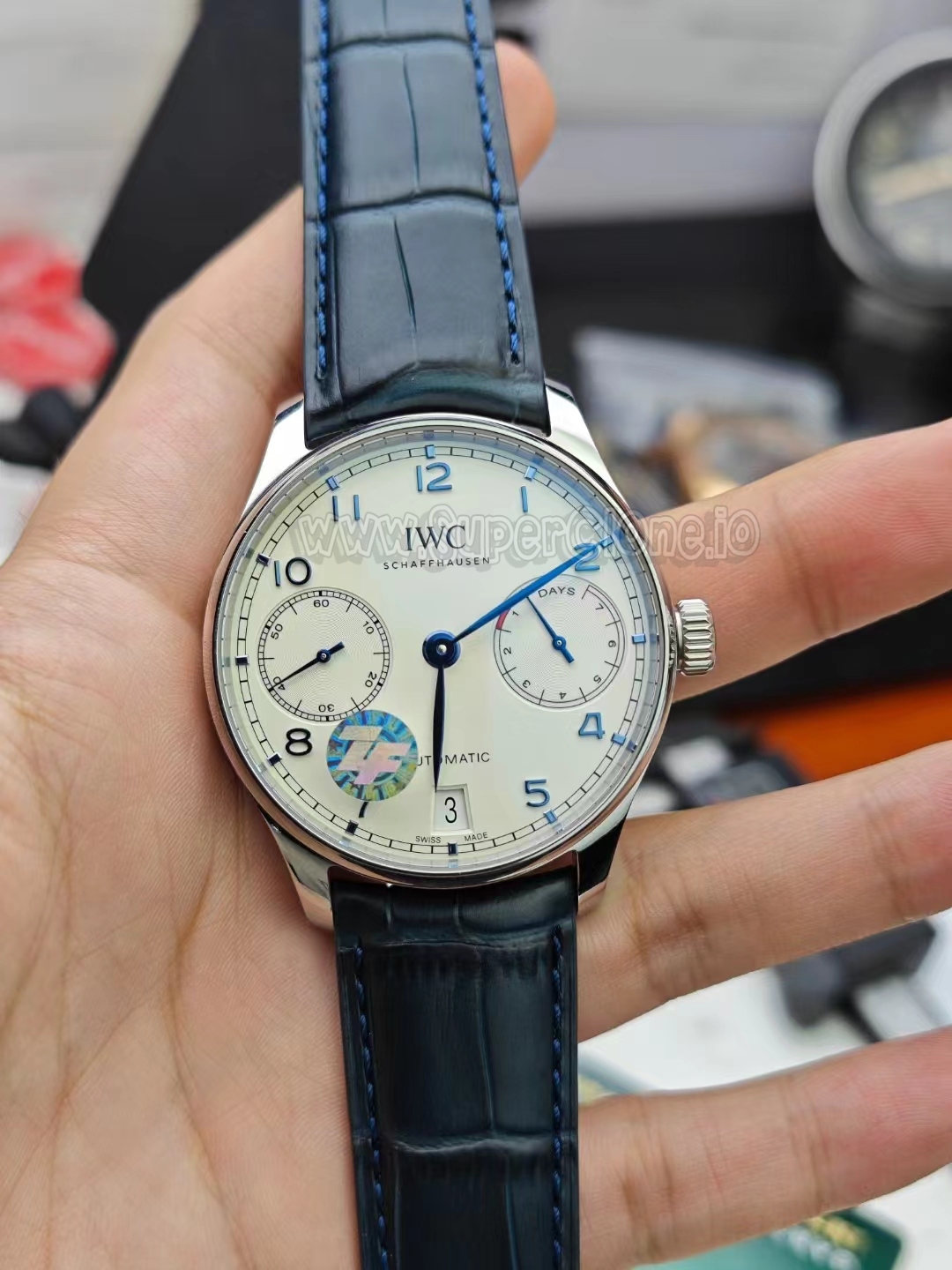
Even now, many long-time collectors still mention this model when discussing the watches that helped define the modern super clone market.
Tudor Models Remain One of ZF’s Most Consistent Categories
Not every factory maintains consistent quality across multiple Tudor references, but ZF has generally performed well in this area. Their Tudor watches became popular because they delivered strong exterior finishing without trying to overcomplicate the movement side.
The cases usually feel well proportioned, bezel alignment is reliable on most batches, and the watches wear comfortably for daily use.
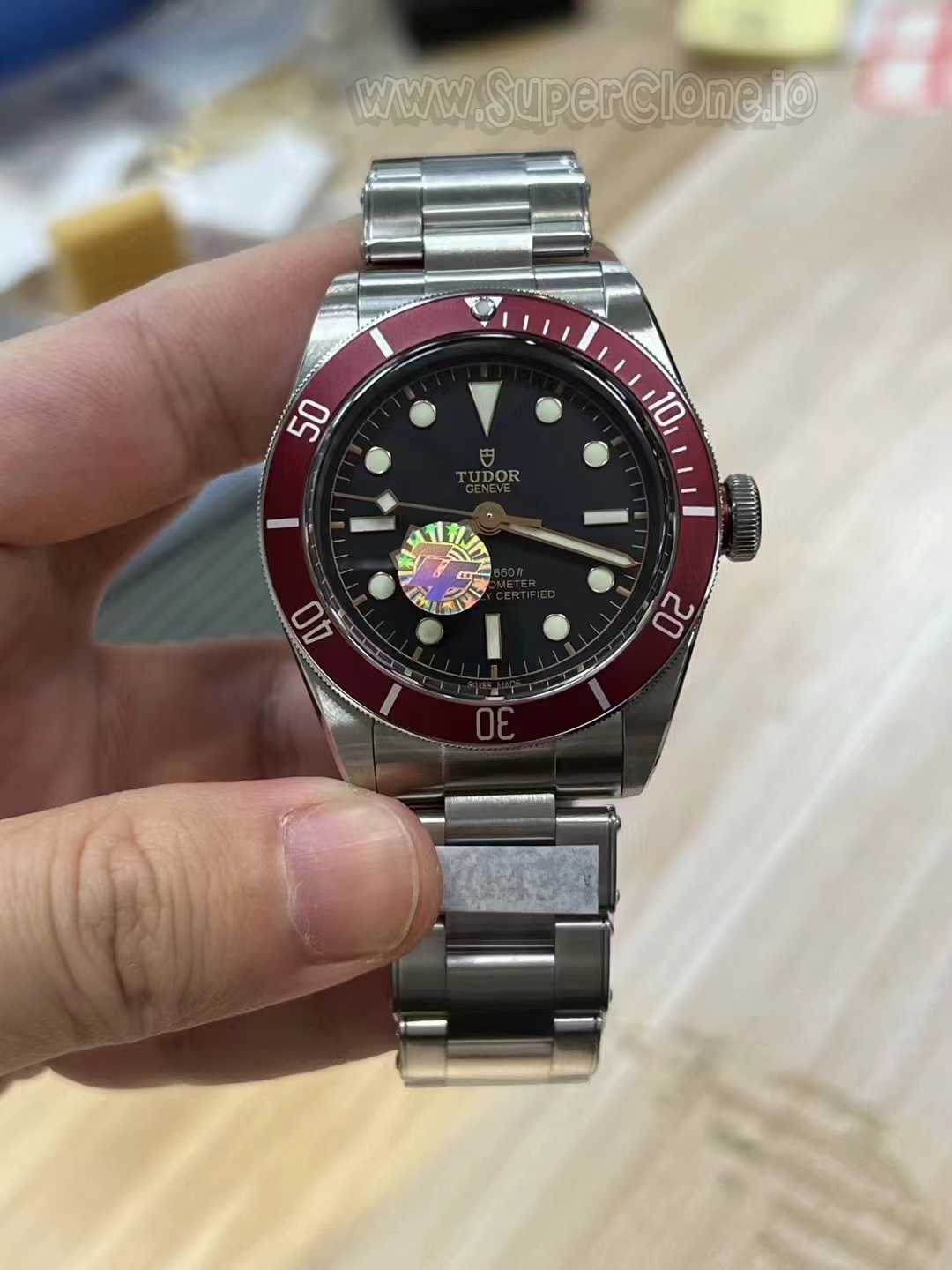
For buyers entering the hobby for the first time, Tudor models from ZF are often easier recommendations than highly complicated chronographs or skeletonized watches.
AP Royal Oak 15400 and 15500: Why Opinions Changed
There was a period when many collectors automatically recommended ZF for the Royal Oak 15400 and 15500. That recommendation made sense several years ago because ZF releases were more polished than some competing versions available at the time.
Today, the situation is different.
APS factory now produces extremely competitive versions directly, and many experienced buyers simply purchase from APS instead of paying the additional markup associated with ZF-branded releases.
This is one of the clearest examples showing how the market evolved. Some factories became stronger at direct manufacturing, while others relied more heavily on branding and refinements.
The Shift From ZF to 3K in the Nautilus Market
Years ago, ZF produced one of the strongest Nautilus 5711 replicas available. At that time, alternatives were limited and movement quality across the market had not fully matured yet.
That changed when 3K introduced the newer clone 324 movement platform. The improvement in movement architecture and overall slimness changed buyer expectations almost immediately.
Today, many collectors still prefer ZF for certain blue or grey dial variants because of dial tone preferences, but for most standard 5711 references, 3K has become the more common recommendation among experienced enthusiasts looking for a modern super clone.
Why The Patek Nautilus 5712 Still Deserves Attention
One watch that still keeps ZF highly relevant is the Nautilus 5712.
Complicated layouts like the 5712 are difficult to balance visually because the asymmetrical dial can easily look messy if proportions are slightly wrong. ZF managed to produce a version with surprisingly stable movement performance while also maintaining a balanced dial appearance.
The moonphase layout, power reserve display, and subdial positioning all work together naturally, which is one reason this model continues to receive positive feedback from long-term owners.
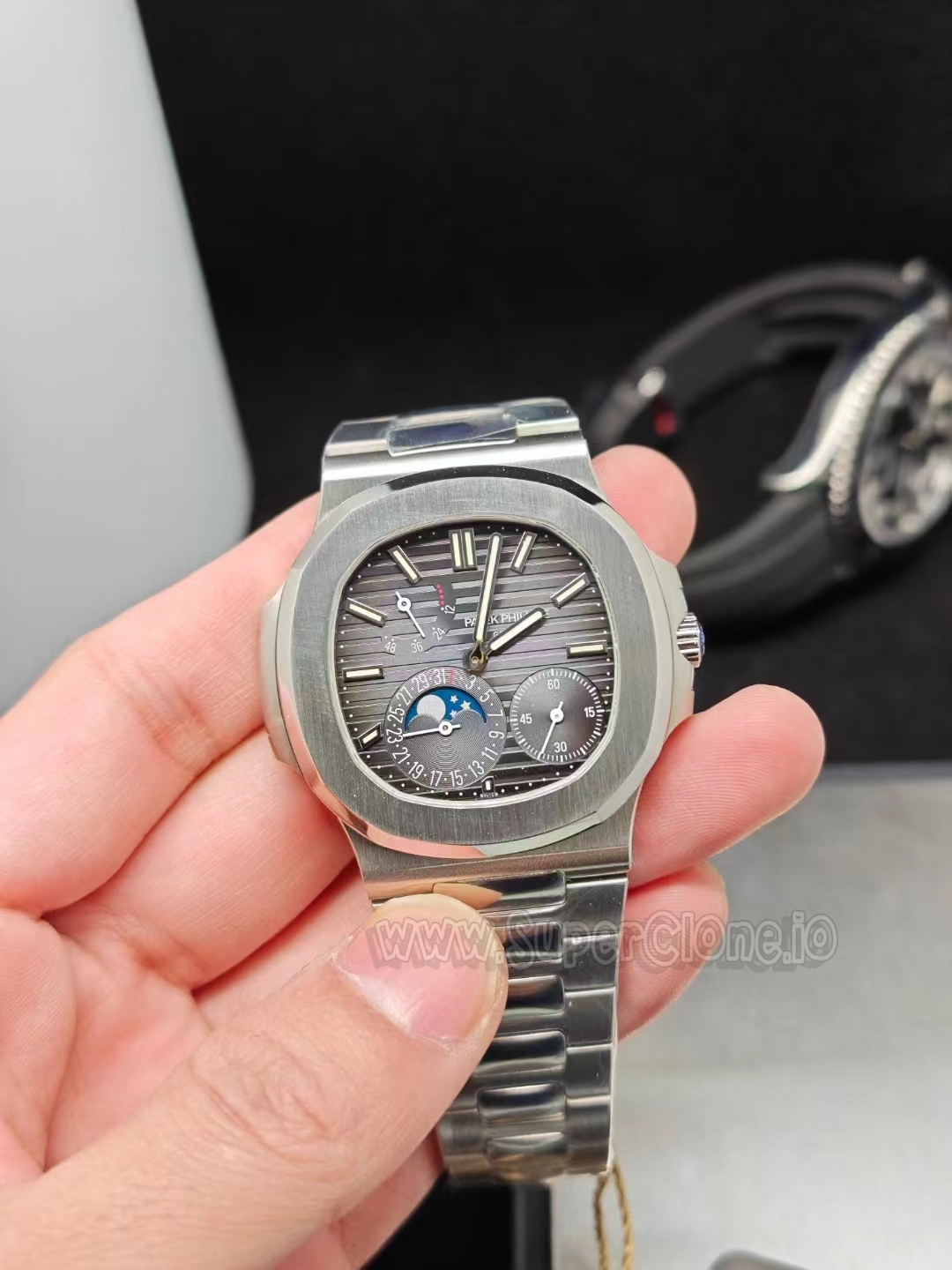
Among current replica sports watches, this remains one of the more convincing pieces released under the ZF name.
Two Less Discussed Watches Worth Mentioning
Outside the mainstream sports watch category, ZF also released several models that quietly earned respect among collectors who prefer unusual designs.
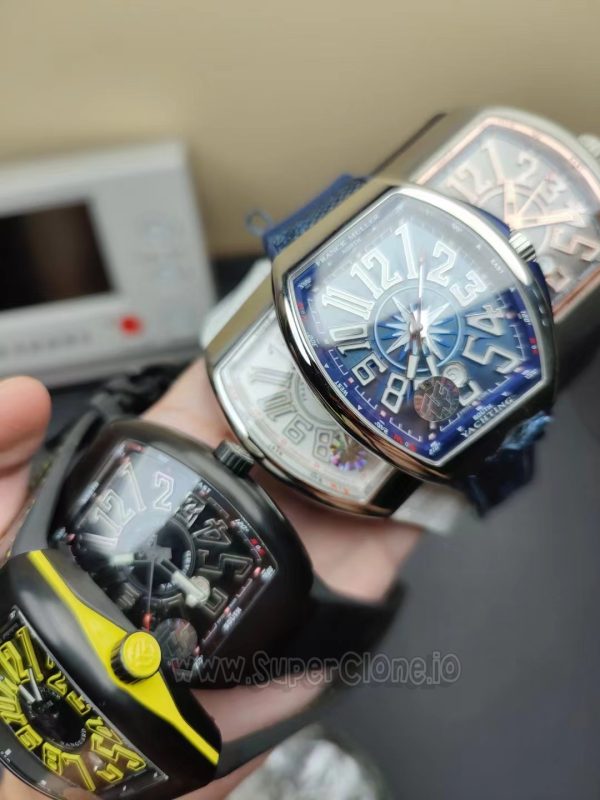
The Franck Muller V45 offers a very different wearing experience compared to integrated bracelet sports watches. Its curved case shape and bold numeral design give it a more aggressive personality on the wrist.
The Breguet Tradition replica is another interesting example because watches with open mechanical styling are often difficult to finish properly at this price level. The visible components and layered dial structure can expose flaws very quickly if execution is careless.
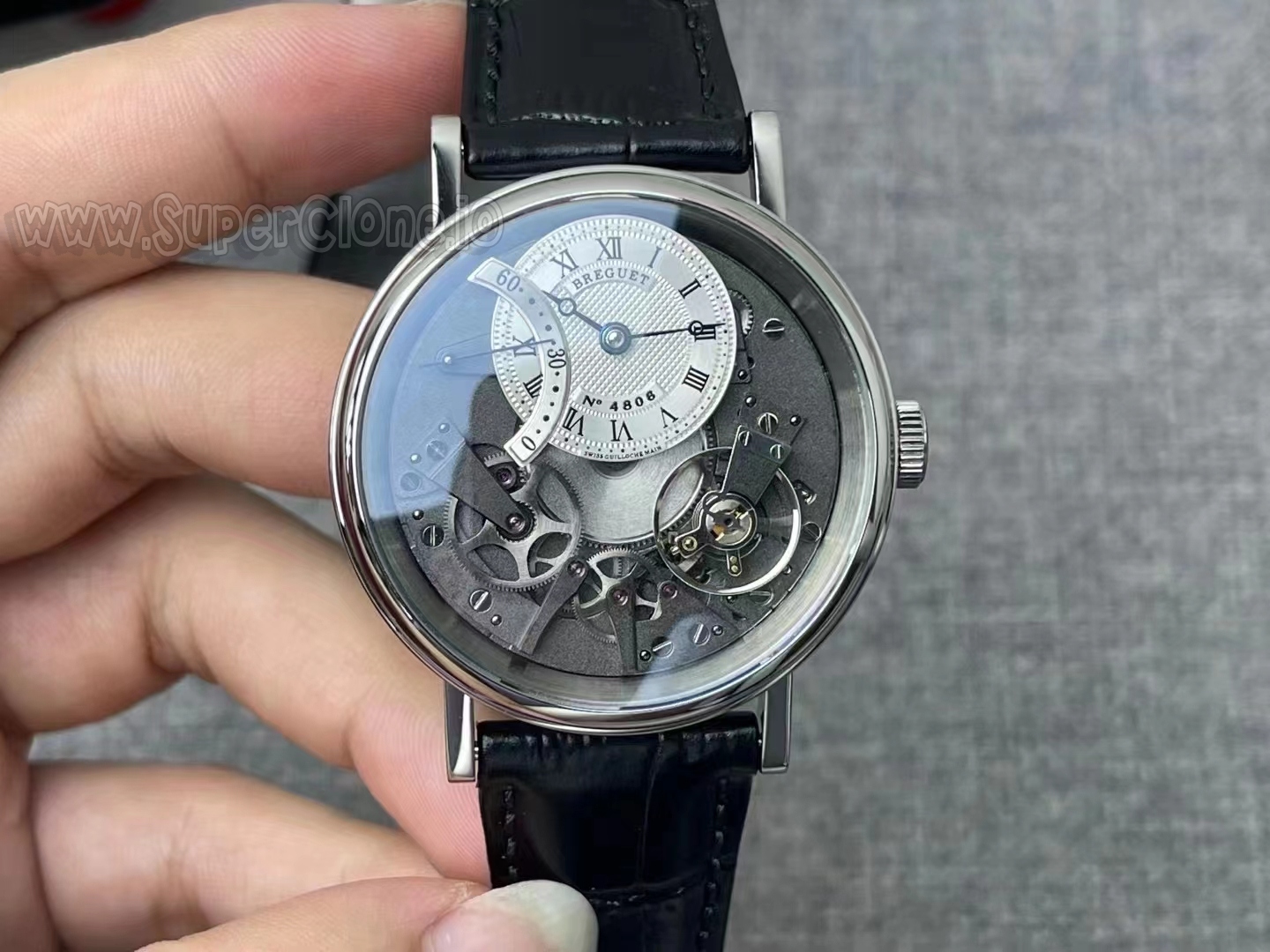
ZF handled these models better than many buyers expected.
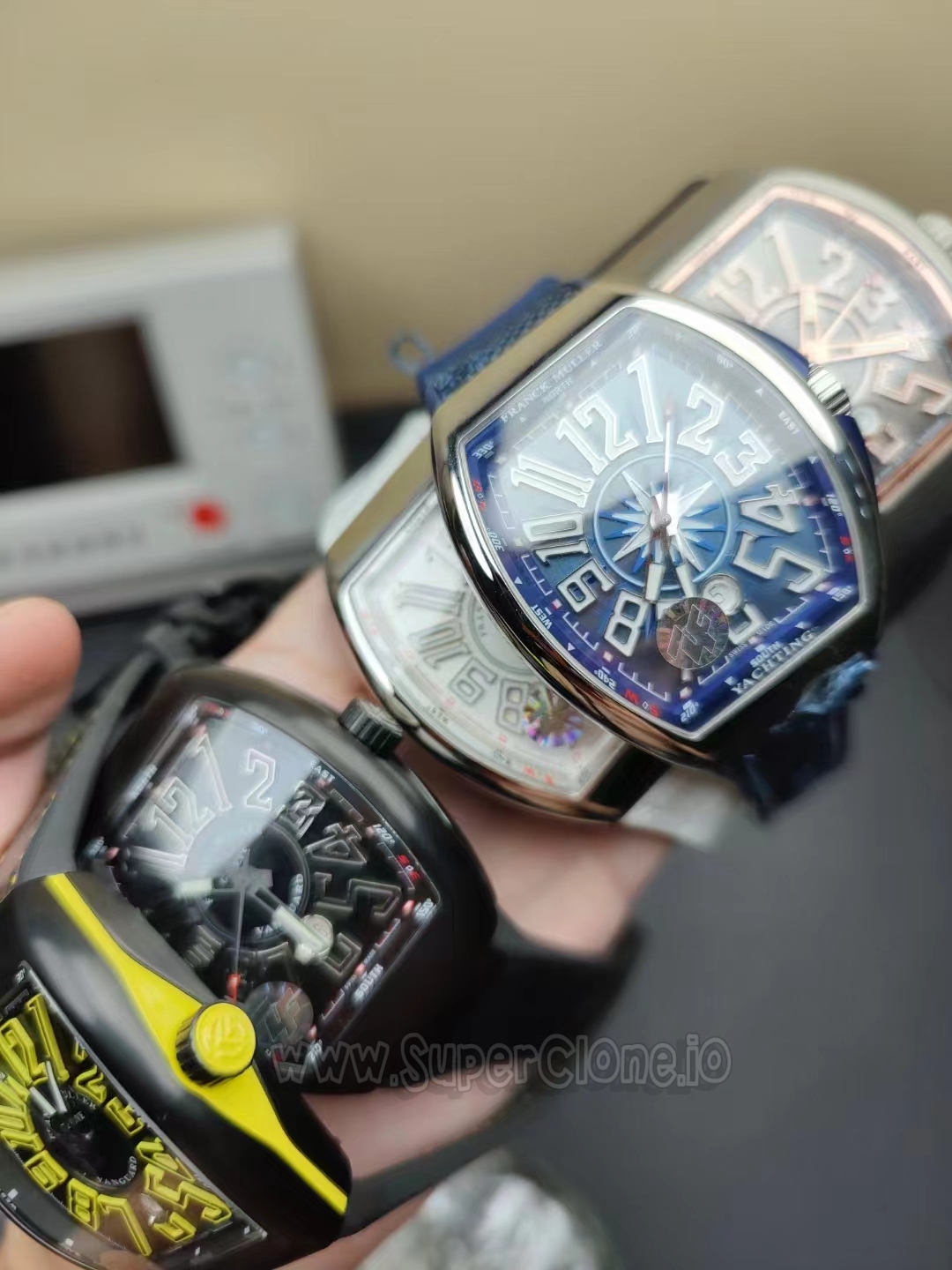
After watching the replica industry evolve for years, my opinion on ZF is probably more balanced now than before. They are not the giant manufacturing operation many people imagine, but dismissing them completely would also ignore several genuinely important releases that influenced the modern market.
Some ZF watches are overpriced compared to their source factories. Some are no longer category leaders. But a few models still stand out because of thoughtful refinements, stable performance, and stronger visual execution than competing versions released during the same period.
