Why ZF Suddenly Started Making Hublot Unico Replicas During the Most Chaotic Period of the Super Clone Industry

There was a strange period in the replica watch industry around late 2020 when almost every discussion among dealers, collectors, factory agents, and long-time buyers eventually turned into the same topic: which factories were still alive after the raids, which models were still available, and which names were slowly disappearing from the market. For newer buyers, it may be difficult to understand how unstable the super clone watch industry looked during that time. Many factories were closing temporarily, some disappeared entirely, and certain watches that had once been easy to source suddenly became impossible to obtain even if you were willing to pay immediately.

That was also the period when Z Factory, better known across the market as ZF, started entering categories that most people never expected them to touch. Before that moment, ZF had already established one of the strongest reputations in the replica watch world through models like the Audemars Piguet Royal Oak 15400, Royal Oak 15500, Portuguese series from IWC, and several highly respected Tudor projects. Their identity was relatively clear. ZF focused on watches with stable demand, recognizable movements, and relatively mature production ecosystems. They were not usually the factory taking aggressive risks on highly complicated skeleton projects.

That is exactly why the release of the Hublot Big Bang Unico replica surprised many experienced buyers at the time. The watch itself was large, highly exposed mechanically, difficult to replicate accurately, and belonged to a niche segment that had never reached Rolex-level demand in the super clone market. Even genuine Hublot watches have always existed in a strange position among collectors. They attract buyers who enjoy bold case architecture, aggressive modern design language, skeleton dials, ceramic structures, and oversized wrist presence, but they rarely dominate traditional enthusiast conversations the way Rolex Daytona, Submariner, Nautilus, or Royal Oak models do.

So when ZF suddenly invested heavily into a Hublot Unico replica project during one of the most unstable manufacturing periods the industry had experienced in years, many people inside the market started asking the same question: why would a factory known for stable commercial success choose such a difficult watch at exactly that moment?

To understand the answer properly, it is important to understand what the super clone market looked like after the 2021 factory crackdowns. Many newer buyers only know the modern landscape where VSF, Clean, APS, ZF, QF, PPF, and several other names dominate online discussions, but the ecosystem looked very different before the raids changed the balance of power. Factories like Noob had massive influence. Certain categories were monopolized by specific manufacturers. Buyers often had only one “correct” version to purchase if they wanted the highest-end replica of a certain reference.

When Noob disappeared, a massive vacuum appeared inside the market. Dealers suddenly needed alternatives. Factories that had previously occupied smaller categories started expanding aggressively because they understood something important: if they could survive the instability period while competitors disappeared, they would inherit future market share almost automatically.

ZF was one of the factories that managed to maintain relatively stable operations during that chaotic phase. Many people inside the industry were surprised by how resilient the factory appeared compared to several larger competitors. Whether that stability came from production structure, lower visibility, manufacturing decentralization, or simple timing is something most outsiders still do not fully understand. But the result was obvious. ZF slowly transformed from being “one of the major factories” into one of the core pillars of the entire replica watch ecosystem.

At the same time, shortages became extremely common. Certain ZF models became difficult to obtain for months. The Royal Oak Extra Thin 15202 frequently disappeared from dealer inventories. The Patek Philippe Nautilus 5712 Moon Phase became infamous because of inconsistent supply. In some situations, dealers were told that obtaining a 5712 allocation required purchasing another less popular model together with it.

That situation sounded ridiculous to many buyers outside the industry, but inside the replica watch market it actually revealed something very important about how factories operate during unstable periods. Inventory pressure becomes extremely dangerous after raids and production interruptions. Factories cannot always maintain smooth turnover on slower-selling references, especially when cash flow becomes uncertain. Bundling unpopular inventory together with high-demand models becomes a survival mechanism rather than a marketing strategy.

This is also why many experienced collectors stopped viewing the replica watch market as a simple “buy and sell” ecosystem years ago. The modern super clone industry behaves much closer to a compressed manufacturing economy. Factories constantly balance machining costs, movement sourcing, raw material supply, police pressure, labor movement, dealer relationships, and model popularity simultaneously. A successful super clone watch is not only a good replica. It is a product that survives long enough economically for the factory to continue manufacturing it consistently.

Against that background, the Hublot Unico project starts making more sense.

Unlike Rolex sports models, which already had enormous competition, Hublot replicas existed in a weaker and less stable category. For years, V6 Factory dominated much of the higher-end Hublot market. Their Big Bang replicas were widely recognized, and most buyers simply accepted V6 as the default answer if they wanted a serious Hublot clone. But after the market disruptions, cracks started appearing everywhere. Availability became inconsistent. Certain old production lines became unstable. Dealers no longer trusted long-term continuity from many factories.

ZF likely understood that this created an opportunity. Even if Hublot was not the biggest category by volume, it remained one of the few luxury sports watch segments where a factory could still establish dominance relatively quickly if they produced something visually impressive enough.

The problem was that the Hublot Unico was never an easy watch to replicate properly. In fact, many long-time collectors still consider skeletonized watches among the hardest categories in the entire super clone industry. Traditional replica watches hide many weaknesses under closed dials. Small printing inconsistencies, date alignment flaws, imperfect finishing, or movement compromises can remain relatively invisible during casual wear. Skeleton watches destroy that protection entirely. Every weakness becomes exposed immediately.

That is one reason why experienced buyers often avoid cheap skeleton replicas altogether. The architecture itself reveals manufacturing shortcuts. If bridge finishing looks rough, buyers notice instantly. If movement geometry differs from genuine, the proportions become obvious. If the balance wheel placement feels wrong, or if wheel spacing lacks symmetry, the entire illusion collapses.

Hublot Unico watches amplify that challenge even further because the genuine HUB1280 movement has a very modern visual structure. The movement is not merely decorative. It defines the entire identity of the watch. Buyers are constantly staring through the dial at exposed mechanical architecture. Replicating that convincingly requires much more than modifying a standard chronograph movement superficially.

Many factories before ZF attempted skeleton projects by relying heavily on visual deception techniques. They would add decorative plates, false bridge structures, non-functional gears, or cosmetic engravings designed only to mimic the appearance of genuine mechanics from a distance. That strategy works reasonably well on watches where the skeleton design is partially obscured, but Hublot Unico models leave very little room for hiding inaccuracies.

ZF therefore approached the project differently. Instead of trying to create a perfect clone movement mechanically identical to the genuine HUB1280, they focused heavily on improving visual depth and overall architecture realism. The movement still relied on compromises, like nearly every replica chronograph movement in the market, but the visual experience improved significantly compared to many earlier generations.

This distinction is important because many newer buyers misunderstand how the best super clone watches are evaluated by experienced collectors. Absolute mechanical duplication is extremely rare. The replica industry usually prioritizes visual fidelity first, structural proportions second, and movement similarity third. What matters most in daily wear is whether the watch produces the correct visual language on the wrist.

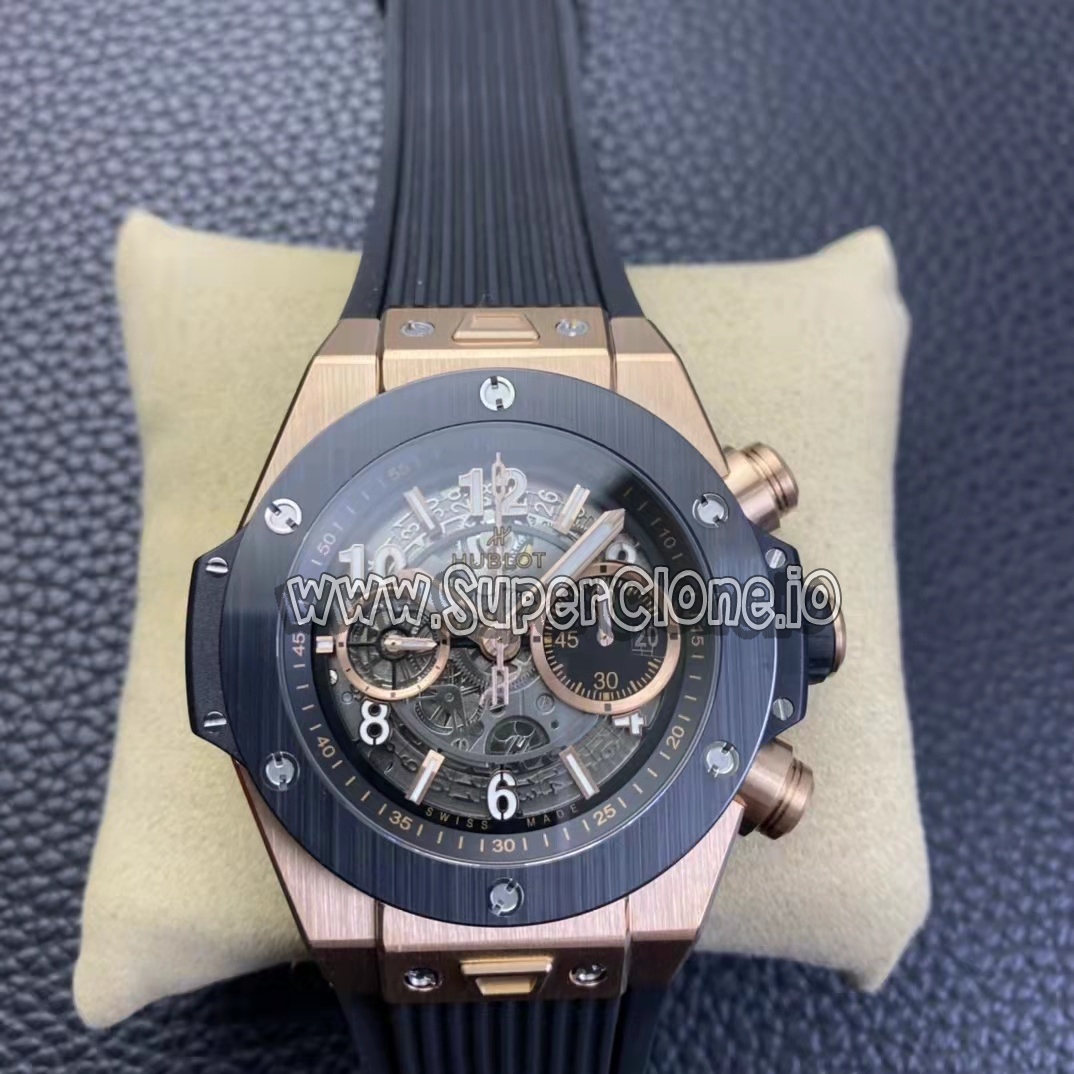
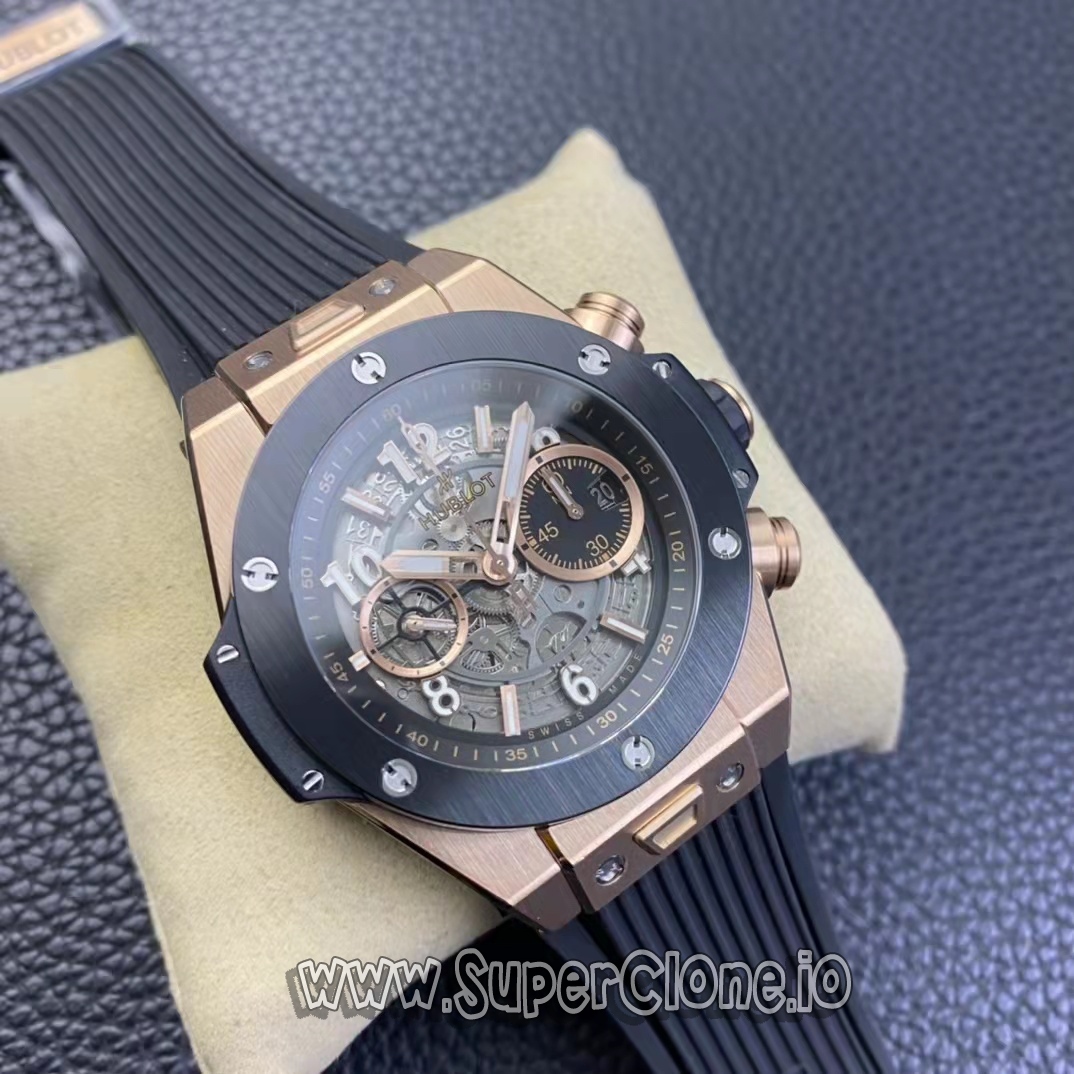
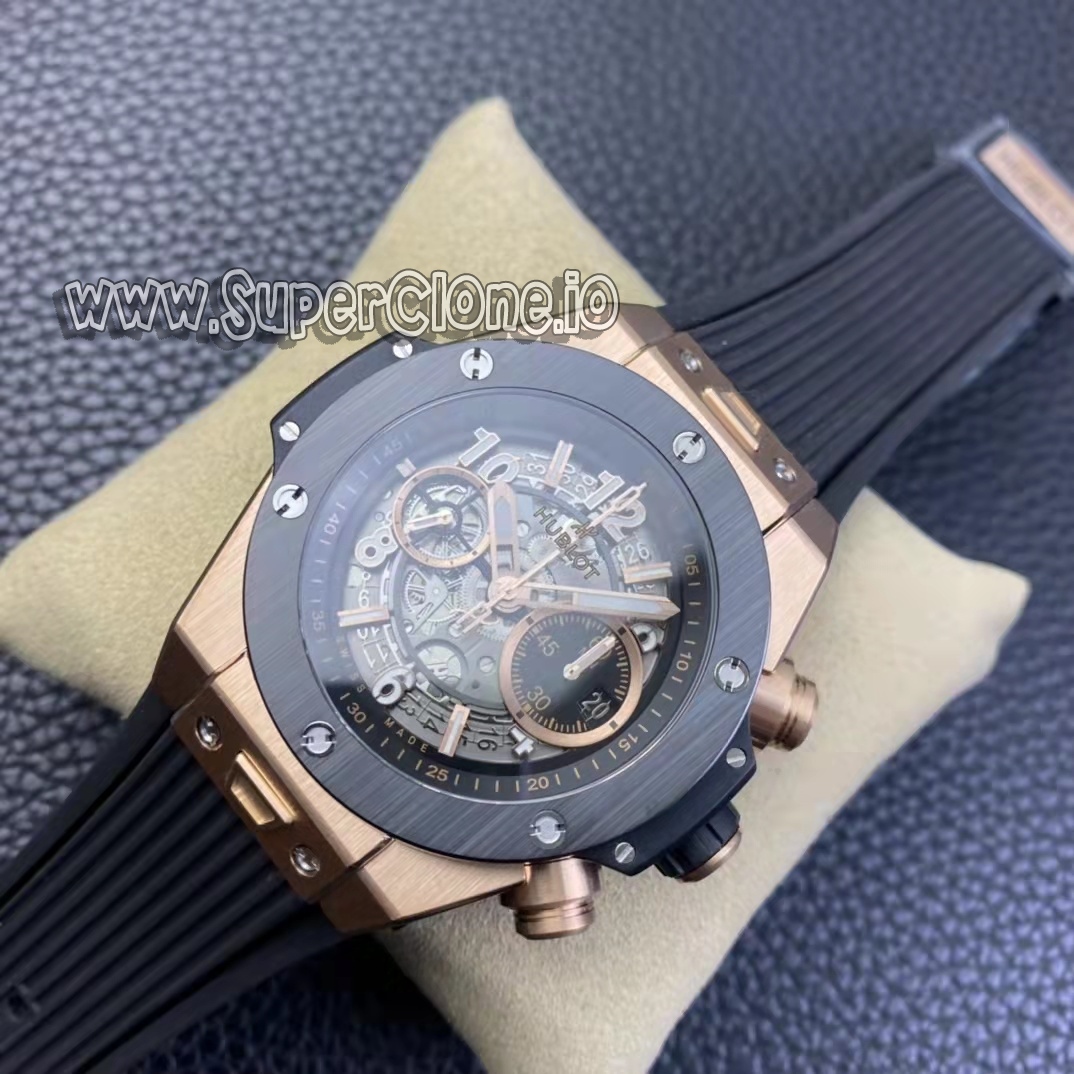
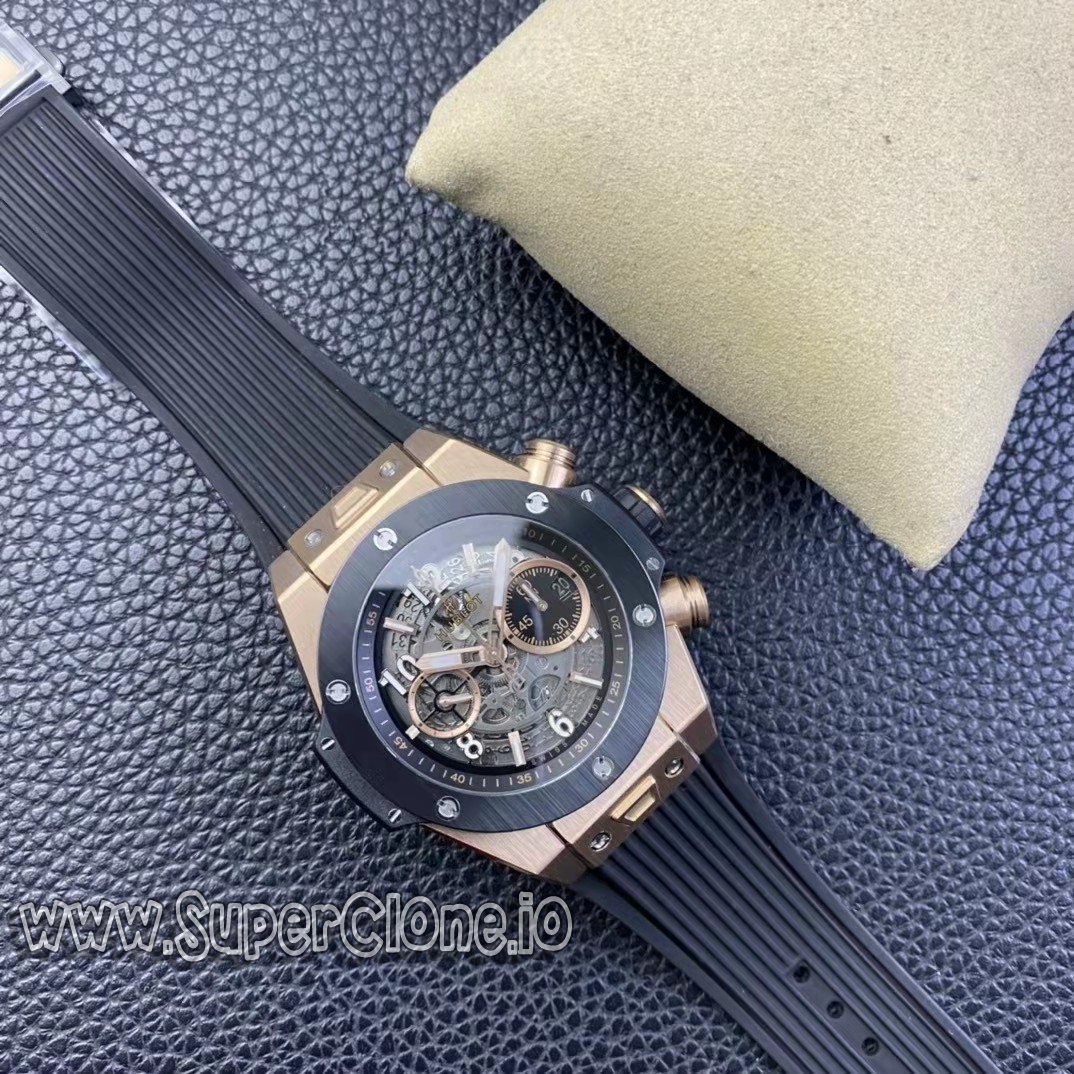
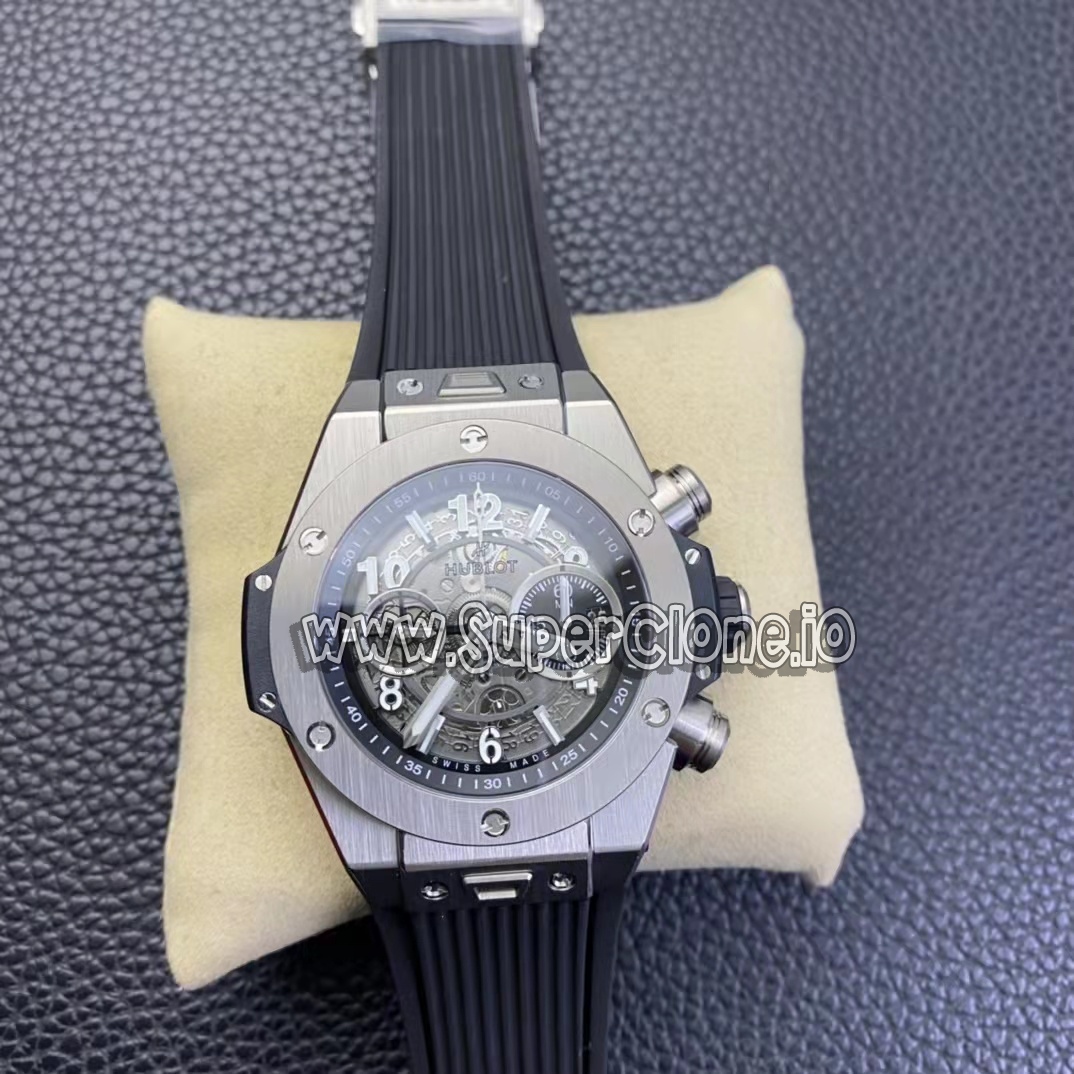
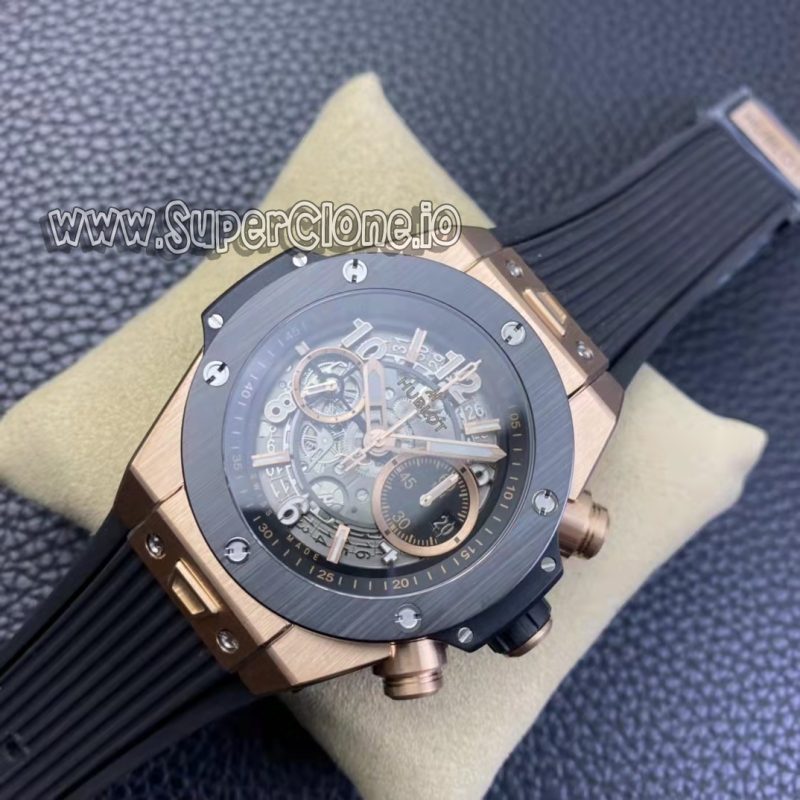
In the case of the ZF Unico, several areas immediately attracted attention among collectors who handled the watch during early batches. The ceramic bezel construction looked sharper than many older Hublot replicas. The case architecture felt more precise. The exposed dial structure gained more visual layering. The movement side finally started approaching the genuine watch closely enough that casual observers could no longer identify flaws instantly.

That does not mean the watch became perfect. Far from it.

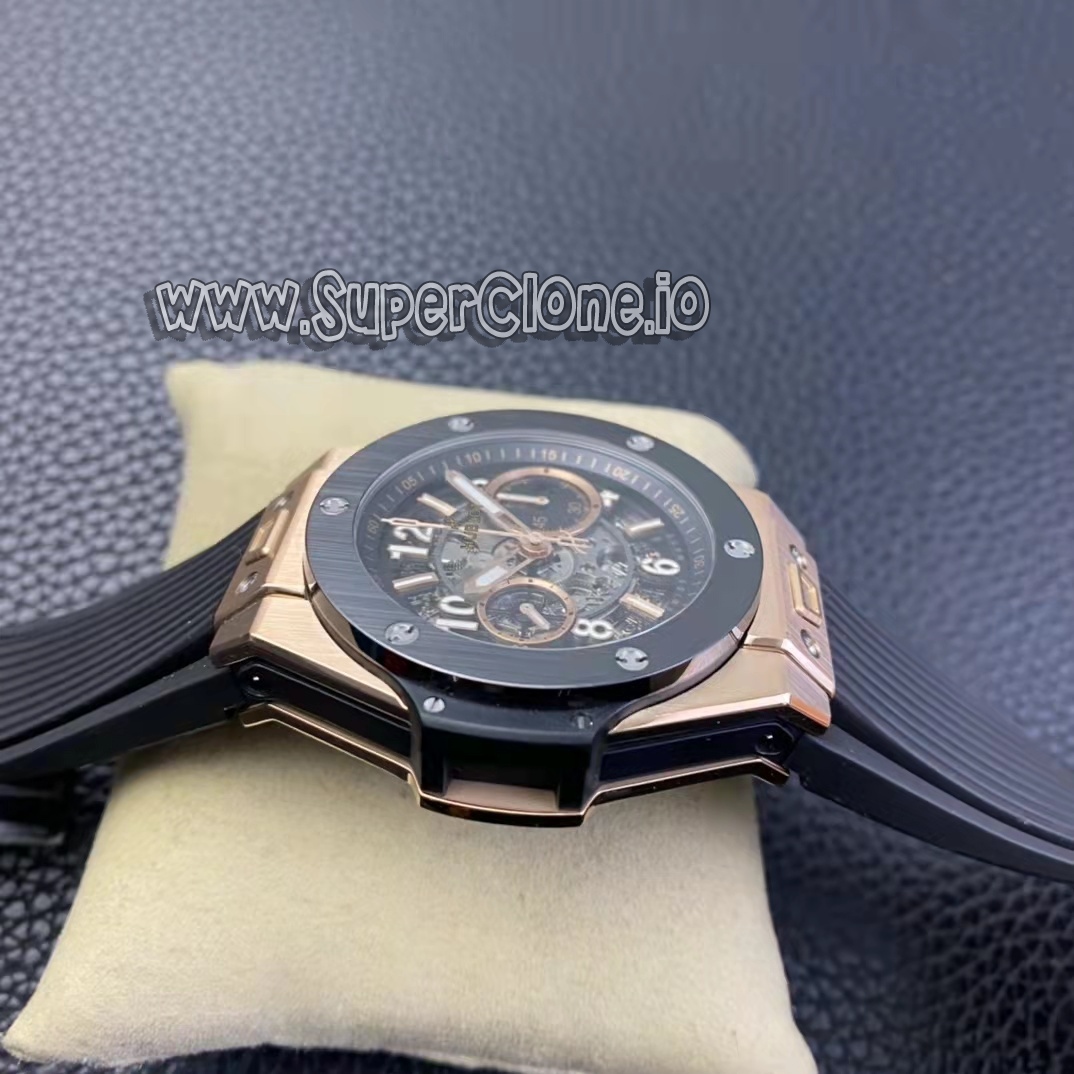
Even today, many experienced buyers remain cautious about Hublot replicas for reasons that have existed for years. The first issue is size. A 44mm Hublot Big Bang Unico with thickness approaching 17mm wears dramatically larger than most Rolex or Patek replicas. Wrist presence becomes overwhelming for many buyers, especially those accustomed to traditional sports watches around 40mm or 41mm.

The second issue involves finishing consistency. Skeleton watches magnify quality control variation. A small imperfection invisible on a Submariner dial may become extremely obvious inside a skeletonized architecture. This means batch variation matters heavily with Hublot replicas. Some pieces look impressively sharp. Others expose machining weaknesses immediately under direct lighting.

The third issue is movement durability. Replica chronographs remain among the most fragile categories inside the super clone market, particularly heavily modified decorative chronograph structures designed to mimic high-end in-house calibers. Buyers expecting long-term reliability comparable to simpler clone movements like Dandong 3235 or VS3135 often become disappointed.

Still, despite those limitations, the ZF Unico represented something more important than a single watch release. It represented a shift in mentality across the replica watch industry after the raids. Factories were no longer competing only through obvious mainstream volume projects. They started competing through visual ambition.

This trend became much more visible over the following years. Factories began investing aggressively into weighted Daytona cases, skeleton Richard Mille projects, ultra-thin Royal Oak complications, integrated bracelet finishing improvements, transparent caseback decoration, and clone movement aesthetics. The industry slowly realized that experienced buyers were becoming more educated. Collectors were no longer satisfied with “good enough from a distance.” They wanted watches that could survive close photography, macro examination, and side-by-side comparison videos.

Hublot replicas therefore became a kind of experimental territory. Factories could test finishing techniques, skeleton architecture simulation, ceramic machining, and movement decoration strategies without entering the brutally saturated Rolex battlefield immediately.

Another interesting aspect of the Hublot category is that it attracts a different type of buyer compared to traditional replica Rolex customers. Rolex replica buyers often focus heavily on authenticity blending, proportion accuracy, rehaut details, bracelet feel, dial printing, and subtle daily wear realism. Hublot buyers usually care more about visual aggression, wrist impact, open-work mechanics, and futuristic appearance.

That difference changes how factories prioritize resources.

For example, on a Submariner replica, a slightly incorrect lug curve may become a major criticism inside enthusiast communities. On a Hublot Big Bang Unico, buyers may care more about whether the skeleton dial creates convincing depth under lighting. The emotional experience differs completely.

This is one reason why some collectors who normally dislike replica watches still occasionally become interested in high-end Hublot replicas. The genuine watches themselves already embrace industrial exaggeration and modern visual experimentation. The replica therefore operates inside a slightly different psychological space compared to watches that rely heavily on understated elegance or historical heritage.

However, that same design philosophy also creates risks for factories. Because Hublot watches expose so much mechanically and visually, there is very little room for laziness. Poor replicas become obvious immediately. Cheap finishing destroys the illusion quickly. Buyers who purchase low-tier Hublot replicas often discover that the watches feel theatrical rather than convincing.

ZF understood this problem relatively well. That is why their Unico project emphasized case machining and visual structure heavily instead of merely advertising movement specifications. The factory realized that Hublot buyers respond strongly to overall visual coherence rather than isolated specification sheets.

There is also another reason why the release timing mattered. Around late 2021 and early 2022, many buyers inside the super clone market were experiencing fatigue from endless Rolex repetition. Daytona, GMT-Master II, Submariner, Datejust, and Yacht-Master projects dominated dealer feeds continuously. Factories needed visually fresh products capable of restarting excitement cycles inside enthusiast communities.

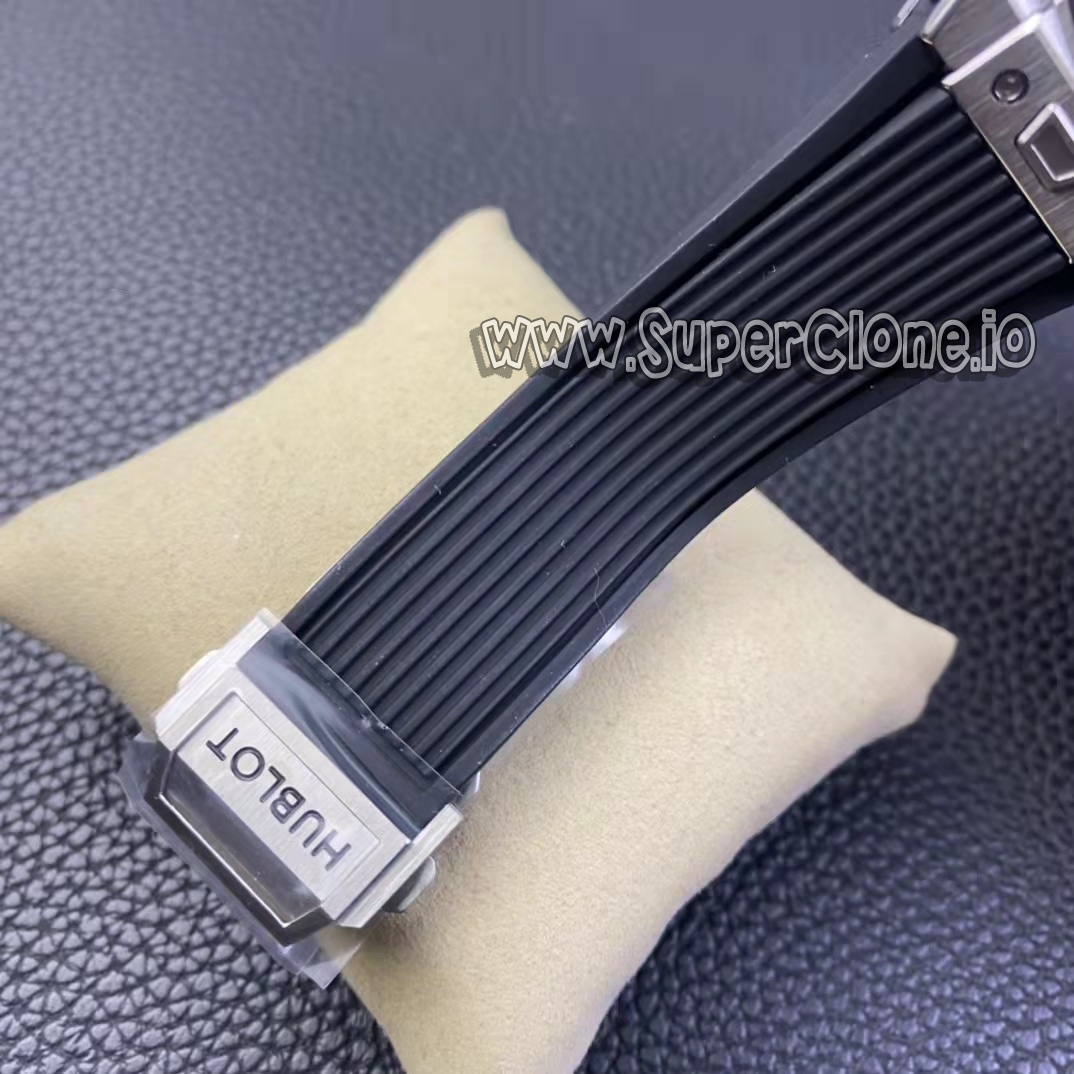
The Hublot Unico accomplished that immediately because it looked dramatically different from everything else being discussed at the time. Oversized ceramic structures, skeletonized movement exposure, integrated rubber straps, industrial screws, and aggressive case geometry created visual separation from traditional Swiss sports watches.

This does not necessarily mean Hublot replicas became mainstream. They never truly reached the volume level of Rolex or AP replicas. But they became important strategically because they expanded what buyers expected from high-end super clone manufacturing.

Collectors started paying closer attention to movement decoration. Factories realized buyers now examined sapphire casebacks more carefully. Skeleton architecture became more common. Open-worked dial projects started appearing across multiple brands. Even heavily modified Daytona projects later borrowed some lessons from these visually ambitious experimental categories.

One thing many newer buyers still underestimate is how much the replica watch market evolves through indirect influence rather than direct commercial success. A watch does not need to become a best seller to change factory behavior. Sometimes a difficult project teaches factories new finishing techniques, new machining tolerances, new movement decoration methods, or new supplier relationships that later improve entirely different products.

The ZF Hublot Unico project likely contributed to exactly that type of evolution. Even collectors who never intended to buy a Hublot replica still watched the release carefully because it revealed what factories were becoming capable of visually.

Another important factor involves photography culture. Around that period, social media content and close-up comparison videos became increasingly influential in replica watch discussions. Buyers no longer relied only on dealer descriptions. High-resolution macro photography started dominating Telegram groups, forums, Reddit discussions, and independent review sites.

Skeleton watches perform extremely differently under macro photography compared to traditional dial watches. Lighting reflections, movement texture, bridge finishing, edge polishing, and crystal clarity suddenly matter enormously. Factories therefore needed watches capable of surviving visual scrutiny online, not just on the wrist.

The Unico category forced factories to improve in exactly those areas.

Collectors who handled both older V6 Hublot replicas and newer ZF versions often noticed differences not only in movement appearance but also in overall visual sharpness. Case transitions looked cleaner. Bezel integration improved. Rubber strap fitting felt tighter. Even though many structural compromises still existed internally, the external experience moved closer to genuine Hublot territory.

Of course, genuine Hublot itself remains a controversial brand among traditional collectors. Some view the brand as overly aggressive or excessively modern. Others appreciate exactly those qualities. Interestingly, that polarization actually benefits the replica market in certain ways.

Unlike vintage-inspired brands where collectors obsess over historical accuracy and microscopic archival details, Hublot designs already embrace experimentation. That gives factories slightly more creative flexibility visually. Buyers expect boldness from Hublot. They expect exaggerated architecture. The replica therefore succeeds more through emotional impact than historical purity.

Still, serious flaws remain impossible to hide completely. Thickness remains substantial. The watches wear extremely large. Clone movement reliability remains uncertain compared to simpler three-hand replicas. Water resistance should never be trusted aggressively despite marketing claims. And because of the open dial architecture, even small dust particles or finishing inconsistencies can become visible under direct inspection.

This is why many long-time replica collectors still recommend Hublot replicas mainly for buyers who specifically love the design language rather than buyers searching for maximum realism per dollar. A well-made super clone Submariner usually delivers safer long-term value. A Hublot Unico replica delivers a very different experience. It is more visual, more experimental, and far more dependent on the buyer understanding the compromises involved.

But that does not make the category unimportant. In many ways, projects like the ZF Unico helped push the entire replica watch industry toward higher visual standards during a critical transition period.

When factories realized buyers were willing to analyze movement architecture, skeleton depth, ceramic finishing, and crystal transparency seriously, the entire market changed. Collectors became more educated. Review standards improved. Factory competition intensified.

That environment eventually contributed to later breakthroughs across many other categories, including weighted precious metal Daytona replicas, improved clone chronograph layouts, more advanced sapphire caseback decoration, and increasingly accurate integrated bracelet finishing on AP and Patek models.

Looking back now, the ZF Hublot Unico release feels less like a random product launch and more like a signal of where the super clone industry was heading after the 2021 disruptions. Factories were beginning to understand that surviving long term required more than copying the safest commercial references repeatedly.

They needed innovation inside the replica framework itself.

Some factories pursued ultra-thin engineering. Others pursued weighted precious metal simulation. Some focused on clone movement architecture. Others invested in ceramic technology or sapphire machining. ZF chose to challenge one of the most visually exposed categories in the entire market.

Whether the project became a perfect replica is almost beside the point now. What mattered more was the direction it represented.

The modern super clone watch market increasingly rewards factories capable of combining visual accuracy, finishing quality, movement aesthetics, and emotional wrist presence simultaneously. Hublot Unico replicas forced factories to confront all those challenges at once.

Even today, years later, many experienced collectors still remember that period not because the Unico suddenly became the best-selling replica watch in the market, but because it reflected a turning point in factory mentality. The industry was becoming more ambitious again after a period dominated by survival and instability.

Factories no longer wanted only to remain operational. They wanted to prove technical capability publicly.

That mentality continues shaping the modern super clone ecosystem now. Every time a factory releases an aggressively modified clone movement, an ultra-thin complication project, or a highly exposed skeletonized design, traces of that post-raid competitive evolution are still visible underneath.

The ZF Hublot Unico may never become as universally recommended as a top-tier Submariner or Daytona super clone, but its importance inside replica watch history remains surprisingly significant for collectors who watched the industry evolve in real time.

For newer buyers entering the replica watch market today, that context matters because it explains why modern super clone standards look dramatically different from older generations. What collectors now casually expect—decorated clone movements, realistic case finishing, sapphire caseback presentation, ceramic precision, correct bracelet articulation, improved lume consistency, and increasingly accurate movement layouts—did not appear overnight.

Those improvements came from years of factories experimenting, failing, adapting, disappearing, reappearing, and competing against each other under constant instability.

The Hublot Unico category simply exposed those pressures more openly than most watches because the design itself leaves nowhere to hide.

And perhaps that is the most interesting part of the entire story.

In a market built around imitation, the watches that reveal the most mechanical visibility often become the hardest projects to fake convincingly. Skeletonized Hublot replicas force factories to demonstrate actual manufacturing progress rather than relying purely on superficial cosmetic tricks.

That is why experienced collectors still discuss projects like the ZF Unico years after release even if they never personally purchased one. The watch became part of a broader transition inside the super clone world—a moment when factories stopped thinking only about basic replication and started competing through visual engineering ambition.

Some succeeded better than others. Some projects disappeared quickly. Some factories collapsed completely. But the overall direction of the market changed permanently.

Today, when buyers compare advanced super clone watches from factories like Clean, VSF, APS, QF, PPF, or ZF, many of the expectations shaping those comparisons were sharpened during exactly that era.

The ZF Hublot Unico existed right in the middle of that transition.

Leave a Reply

Your email address will not be published. Required fields are marked *

Translate »