ZF Hublot Big Bang Unico Replica and the Shift in the Super Clone Industry
There was a strange period in the replica watch industry around late 2020 when almost every discussion among dealers, collectors, and factory agents revolved around the same uncertainty: which factories were still operating, which models could still be sourced, and which names were quietly disappearing from the market.
For newer buyers, it is difficult to imagine how unstable the super clone ecosystem looked at that time. Factories paused production, supply chains broke down, and watches that were once easy to obtain suddenly became unavailable even for ready buyers.
Z Factory Expands Into Unexpected Territory
During this period, Z Factory (ZF) began moving into categories that many in the market did not expect. Before this shift, ZF had built its reputation on stable, well-controlled models such as the Audemars Piguet Royal Oak 15400, Royal Oak 15500, and IWC Portuguese series.
Their approach was conservative: focus on proven demand, mature movements, and predictable production pipelines. Highly complex skeleton watches were not part of their usual strategy.
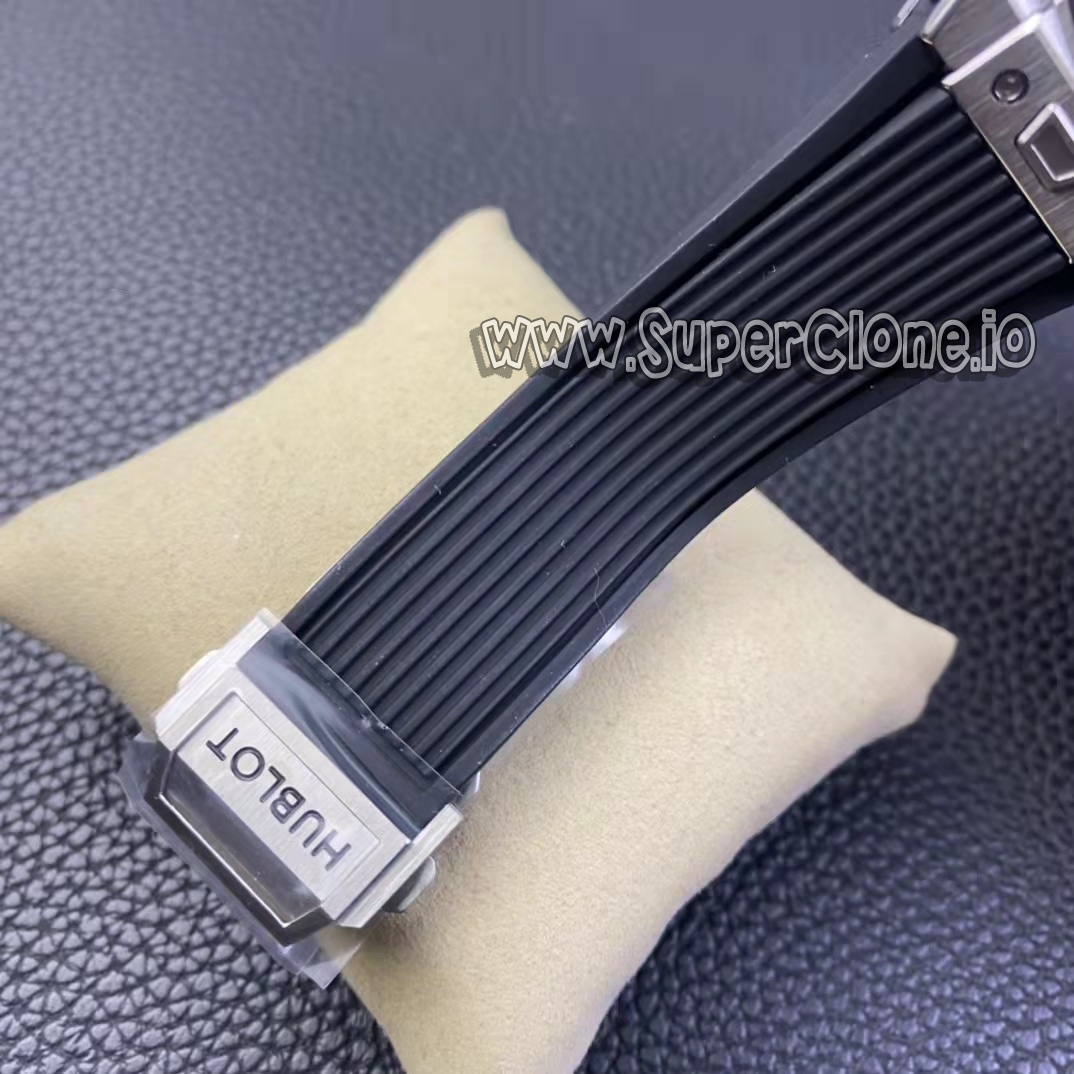
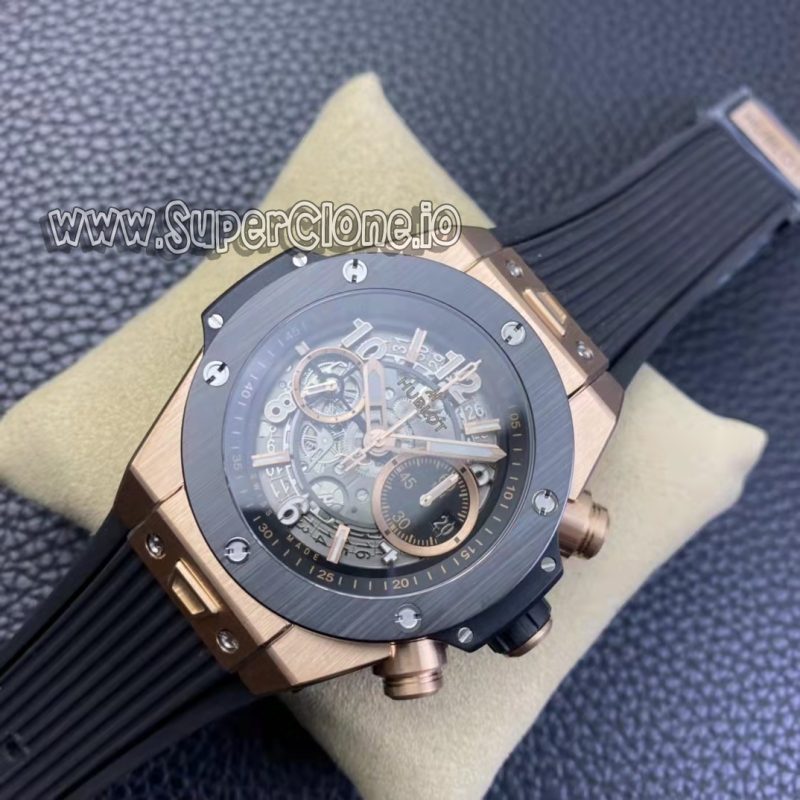
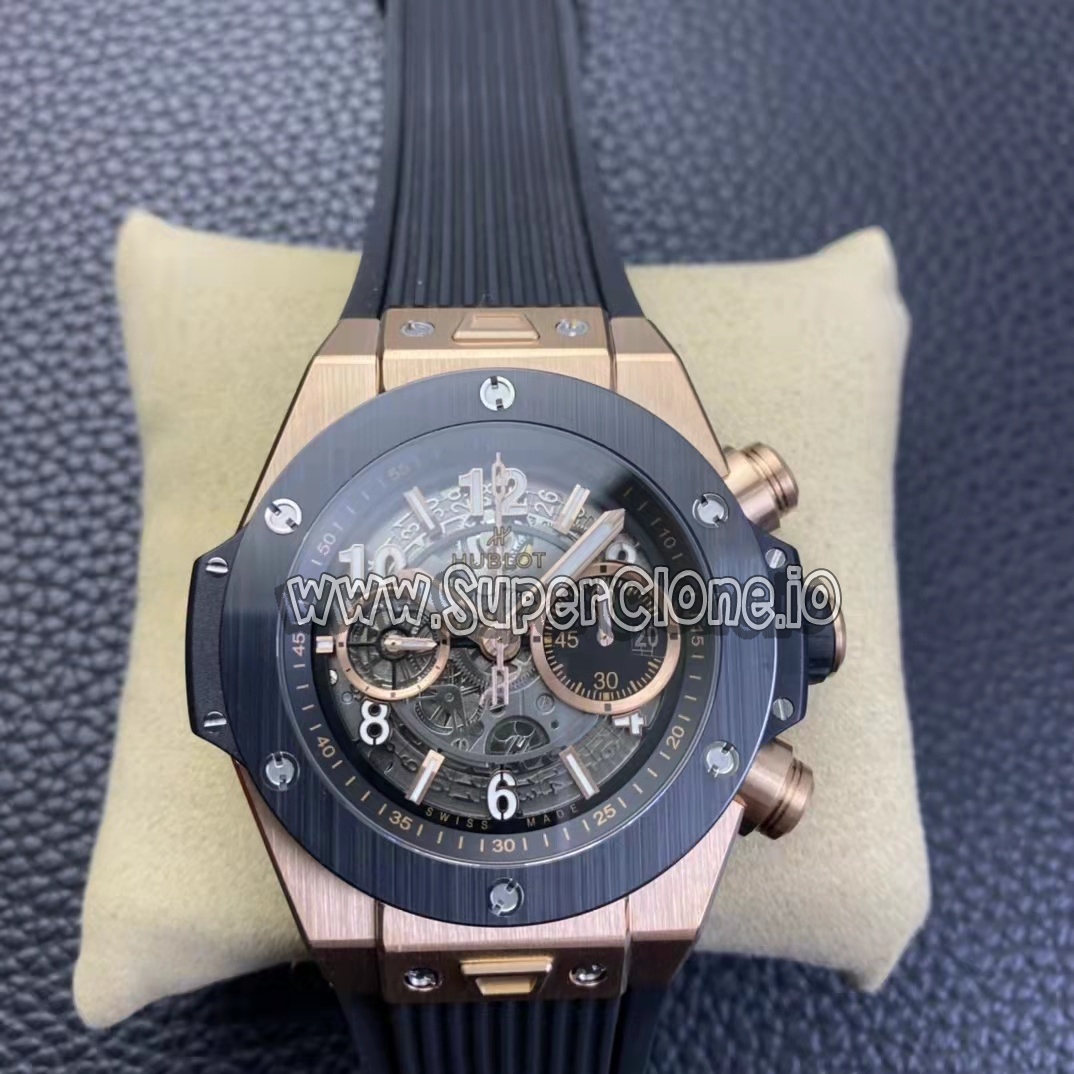
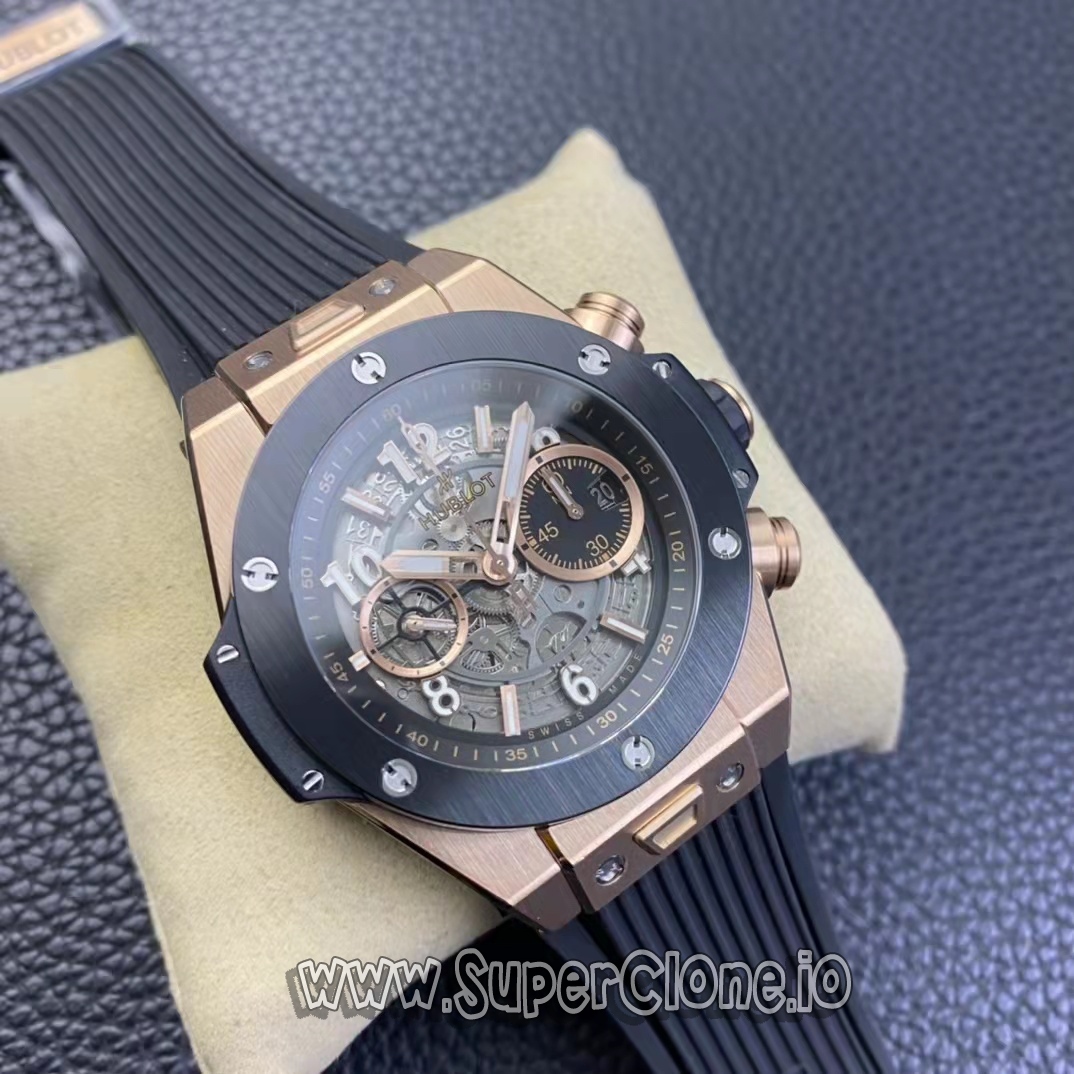
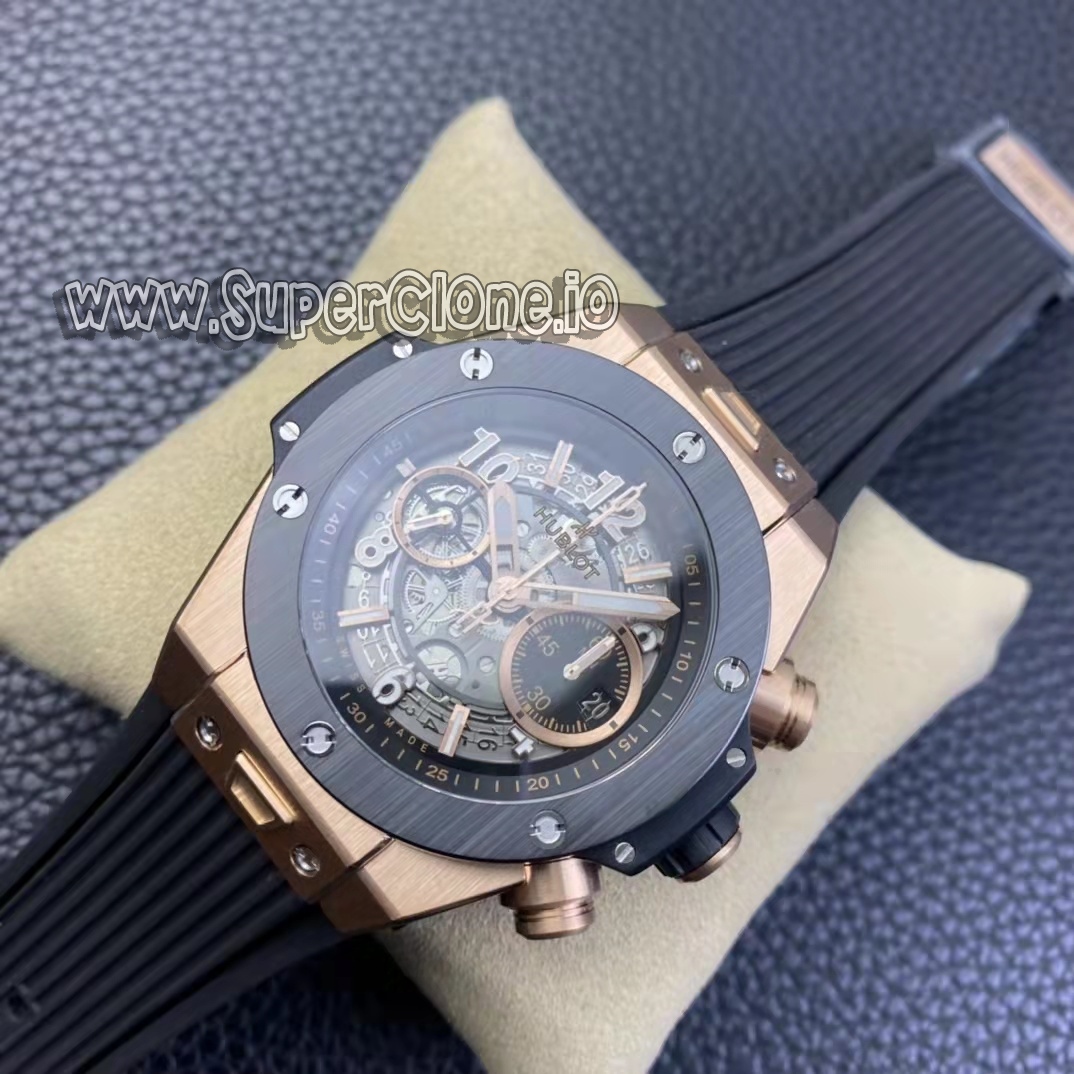
This is why the appearance of the Hublot Big Bang Unico replica felt unexpected. The model is large, highly exposed, and mechanically complex—exactly the opposite of what ZF was known for.
The Market Shift After 2021
To understand why this move mattered, you need to look at what happened after the 2021 factory crackdowns. The super clone industry lost several dominant players, including brands that had previously controlled entire product categories.
When Noob disappeared from the market, a significant gap was created. Surviving factories quickly realized that expansion into new categories was not optional—it was necessary for survival.
ZF managed to remain relatively stable during this period. That stability allowed it to gradually strengthen its position and move from a major player to a core pillar in the industry.
Supply Pressure and Market Behavior
As production became unstable, shortages became common across many ZF models. Popular references such as the Royal Oak 15202 and Patek Philippe 5712 were frequently out of stock.
In some cases, dealers had to accept bundled orders, combining less popular models with high-demand pieces just to secure allocation.
Bundling slow-moving inventory with high-demand models became a survival mechanism during unstable production cycles.
This behavior shows how the replica market operates more like a compressed manufacturing economy than a simple retail system.
Why Skeleton Watches Are So Difficult
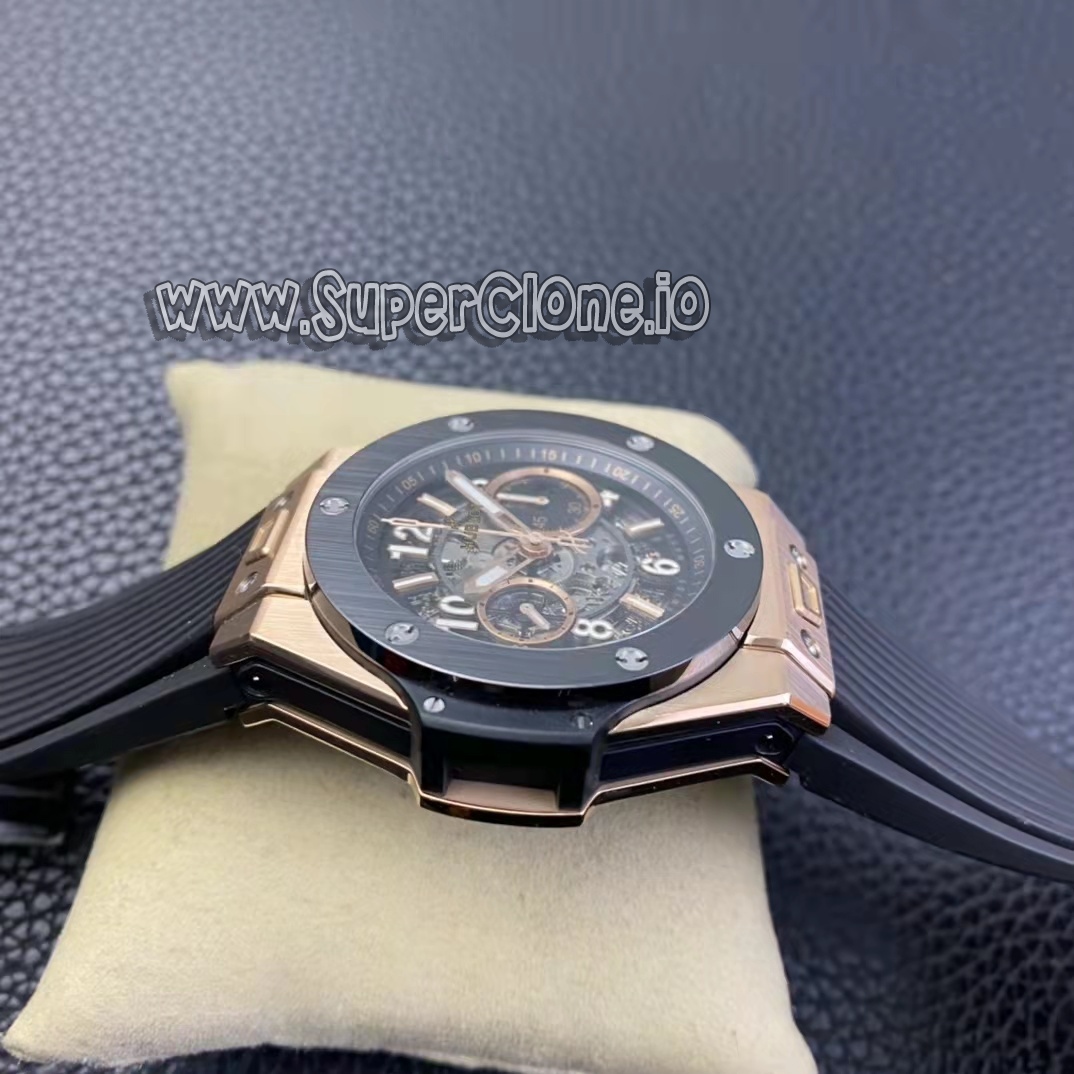
Skeleton watches like the Hublot Unico are among the most challenging designs in the entire industry. Unlike closed-dial watches, they expose nearly every mechanical detail, leaving no room to hide imperfections.
Even small flaws in finishing or geometry become immediately visible under normal lighting conditions.
This makes skeleton projects more of a technical stress test than a commercial product category.
ZF’s Approach: Visual Realism Over Mechanical Purity
Instead of attempting a perfect mechanical clone of the HUB1280 movement, ZF focused on something more practical: visual depth and structural realism.
This approach reflects a broader truth in the replica industry. Absolute mechanical duplication is rare. Most factories prioritize appearance first, structure second, and movement accuracy last.
Industry Impact and Long-Term Influence
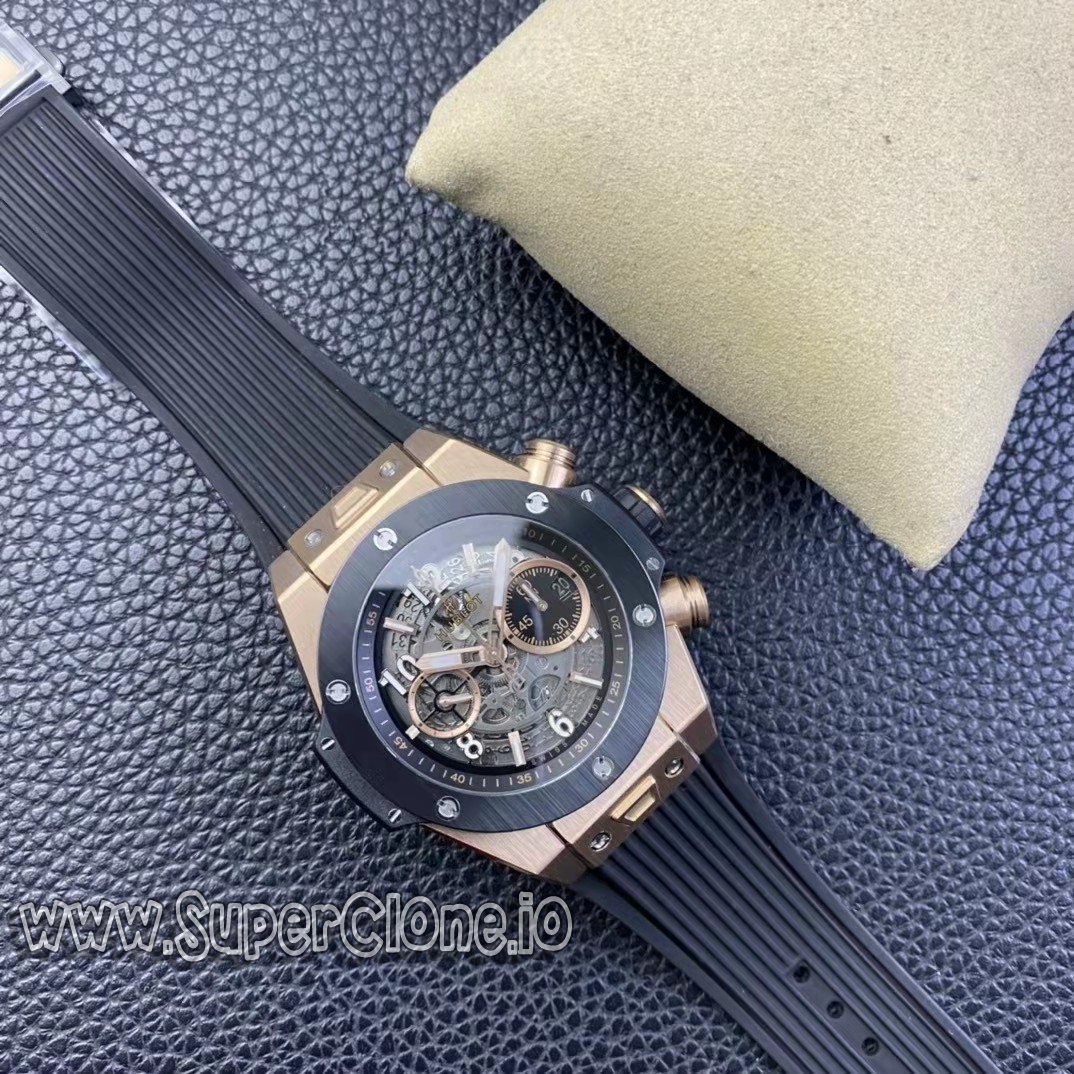
Although the Hublot Unico was never a mainstream best-seller, its influence on the industry was significant. It encouraged factories to experiment with skeleton architecture, ceramic finishing, and decorative movement design.
Over time, these experiments influenced other categories, including Daytona modifications, AP skeleton projects, and improved sapphire caseback designs.
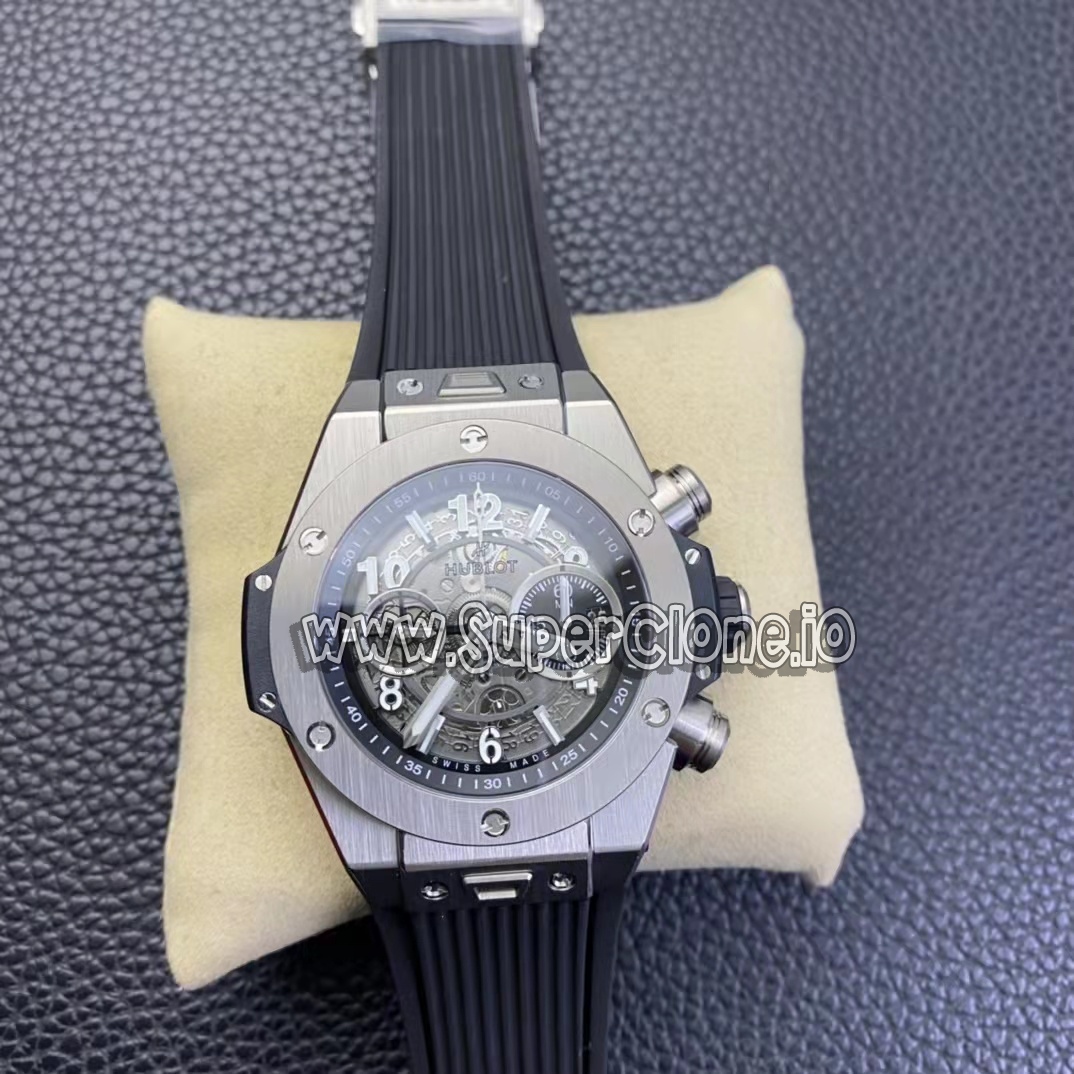
The ZF Hublot Big Bang Unico should not be viewed simply as a product release. It represents a shift in mindset across the super clone industry—from survival-based manufacturing to visual competition and technical ambition.
Even today, its importance is less about sales performance and more about what it signaled: factories were no longer competing only on replication, but on how far they could push visual and structural realism within the constraints of the replica world.