
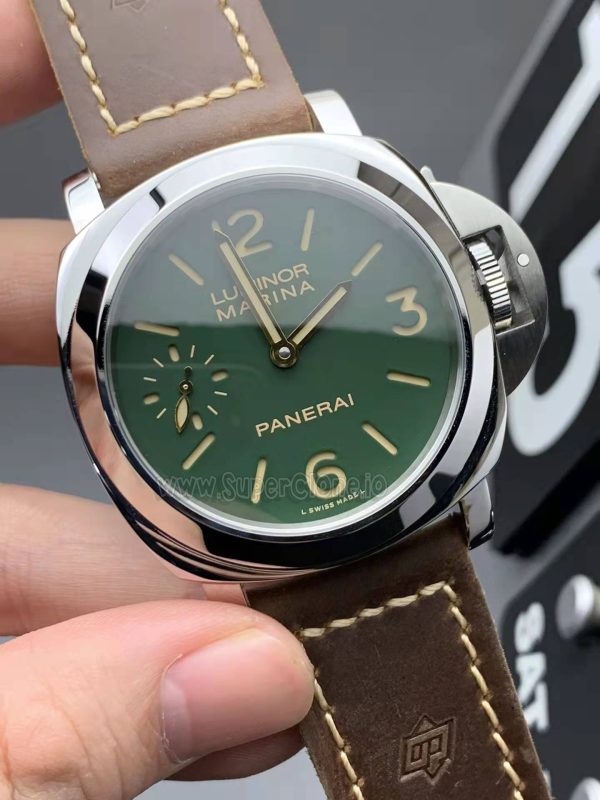
The Strange Comeback of Panerai Replicas in 2022
For several months, the replica watch market remained unusually quiet around Panerai. Dealers who normally stocked dozens of Luminor references suddenly had little to offer beyond aging inventory, inconsistent batches, or watches assembled from leftover parts. Collectors who were active in the Panerai replica scene before 2021 probably remember how abruptly everything changed after the shutdown rumors surrounding VS Factory began circulating across forums, Telegram groups, and dealer networks. The industry was in a state of flux, leaving many enthusiasts wondering if the golden age of high-quality Panerai clones was truly over.
Then, without much warning, the market received a small signal that attracted immediate attention. VS briefly reopened ordering channels for select Panerai models. The announcement spread like wildfire because many buyers had already spent most of 2021 waiting for a reliable source of high-end Panerai replicas to return. Orders were submitted almost immediately—a testament to the pent-up demand and the factory’s ironclad reputation. However, the reopening lasted only a short period before dealers again reported that new orders had been paused, leaving many to speculate about the underlying logistics challenges.
Even though the reopening window was short, the event itself mattered profoundly. It confirmed something many seasoned collectors suspected for months: VS had not completely vanished from the landscape. Production capacity was likely unstable, supply chains remained fragmented, and movement sourcing continued facing severe pressure, but the temporary acceptance of orders suggested that the factory infrastructure still existed in some form. This glimmer of hope single-handedly reignited discussions and market expectations within the community.
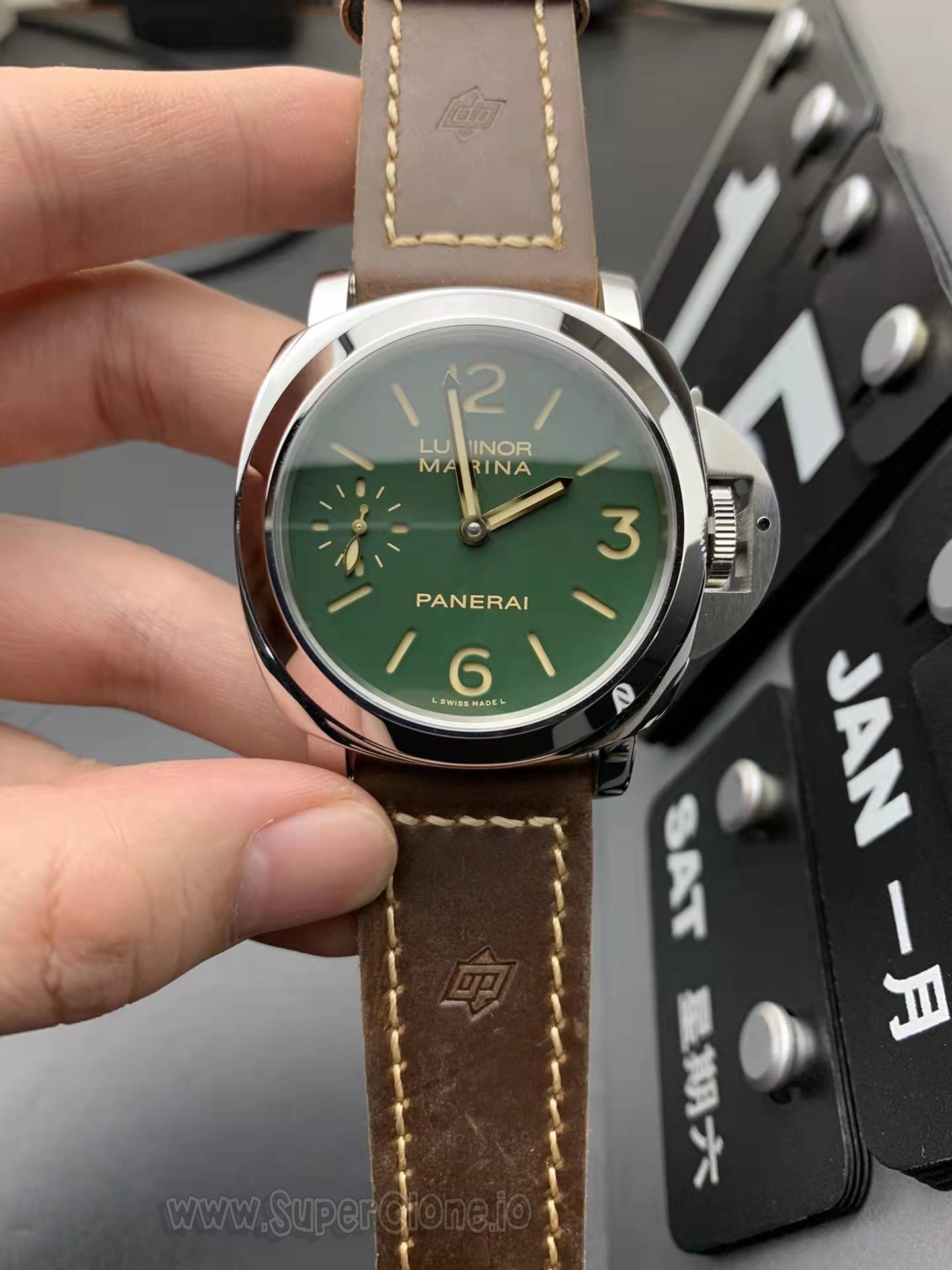
Inside the Panerai replica community, that news alone was enough to restart discussions around models that had nearly vanished from dealer catalogs. References like the vintage-inspired PAM 111, the modern military-green PAM 911, the classic automatic PAM 312, and various Submersible models began dominating conversations again. This was especially true among purists who preferred the historically rugged Panerai aesthetic rather than the increasingly polished, mirror-finished modern sports watch market dominated by mainstream Rolex and Audemars Piguet replicas.
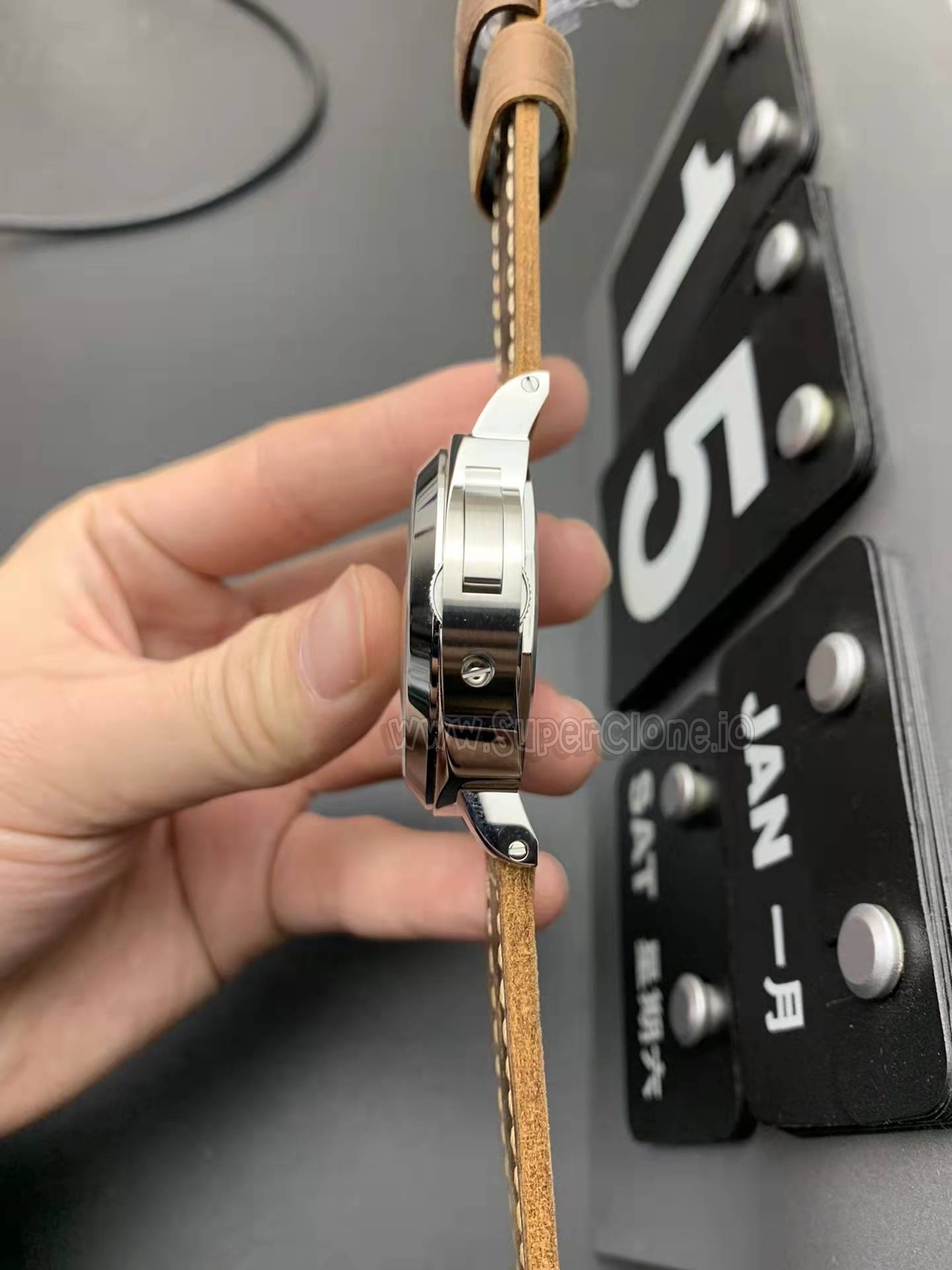
The reality is that Panerai replicas occupy a completely different cultural niche from Daytona or Submariner replicas. Buyers who choose Panerai are usually not chasing flashy bezel reflections, ceramic shine, or complicated chronograph movements. Most Panerai enthusiasts are attracted to the oversized cushion case, the utilitarian military-inspired dial layout, the patented crown bridge mechanism, and the unusual, commanding wrist presence that these watches maintain even after decades of changing fashion trends. It’s a choice driven by a particular appreciation for robust, functional tool-watch design. That is also why many collectors remained patient during the VS closure period; there simply were no viable alternatives capable of reproducing Panerai correctly at a high level.
The Difficult Year for Panerai Replica Production
Throughout 2021, multiple factories reduced or completely stopped Panerai production. Raids, movement supply instability, rising manufacturing costs, and pandemic-related logistics disruptions all affected smaller product categories more severely than mainstream Rolex replicas. Factories naturally focused their remaining resources on models with higher sales volume and faster turnover—a pragmatic business decision that unfortunately left Panerai enthusiasts in a lurch. Panerai replicas became one of the biggest casualties of that market shift.
Unlike a standard Rolex replica that can share movement architecture and external components across multiple references, Panerai models often require unique dial structures, distinctive crown bridge machining, thick sapphire crystals, specialized hand sets, and specific manual-winding movement layouts. The iconic cushion case alone demands entirely different tooling than a standard round case. Developing accurate Panerai replicas is expensive relative to the actual market volume, and during a period of supply chain pressure, that math becomes incredibly difficult for factories to justify.
Which Factories Kept Working
That commercial imbalance explains why only a few factories continued producing Panerai watches during the VS absence. Among them, HW Factory and TTF became the most commonly discussed names, although neither initially reached the elite finishing standards collectors had become accustomed to during the peak VS years. To understand the current market landscape, here is a direct comparison of their general characteristics:
| Feature | VS Factory (Pre-closure) | HW Factory | TTF Factory |
|---|---|---|---|
| Overall Quality Grade | Elite Super Clone | Mid-Tier / Enthusiast Grade | Mid-Tier / Acceptable Choice |
| Movement Accuracy | High (Custom Clone Calibers) | Moderate (Reliable Asia 6497) | Moderate (Reliable Asia 6497) |
| Case Finishing | Excellent Sharpness & Brushing | Good Industrial Finish | Fair Visual Proportions |
| Dial Details | Flawless Sandwich Depth | Respectable Sandwich Depth | Acceptable Layout |
| Price Point | Premium/Higher | Moderate/Value-Oriented | Lower/Entry-Level |
Still, those alternative factories filled an important gap. Without them, the Panerai replica category might have disappeared almost entirely from the market for a sustained stretch, leaving a total void for collectors. HW Factory in particular gained moderate traction among buyers who cared more about the visual character of historic Panerai references than intricate movement decoration accuracy. Their products were not positioned as elite super clones, but they remained wearable, reliable enough for daily abuse, and significantly more affordable than older VS inventory circulating through secondary dealer channels. For many buyers entering the Panerai segment for the first time, these alternative workshops represented a reasonable entry point during a period when better options simply were not accessible.
Why Classic Manual References Still Matter
Among all Panerai references, few replicas carry the same emotional weight inside the market as historic manual-wind models like the PAM 111, or modern tribute masterpieces like the green-dial PAM 911. For many long-time collectors, a manual Panerai was the first serious replica watch they ever purchased. It represents an earlier, purer stage of the replica industry—before clone movements, weighted case-backs, and CNC-level micro-detailing became dominant marketing points. Owning one now feels almost archival.
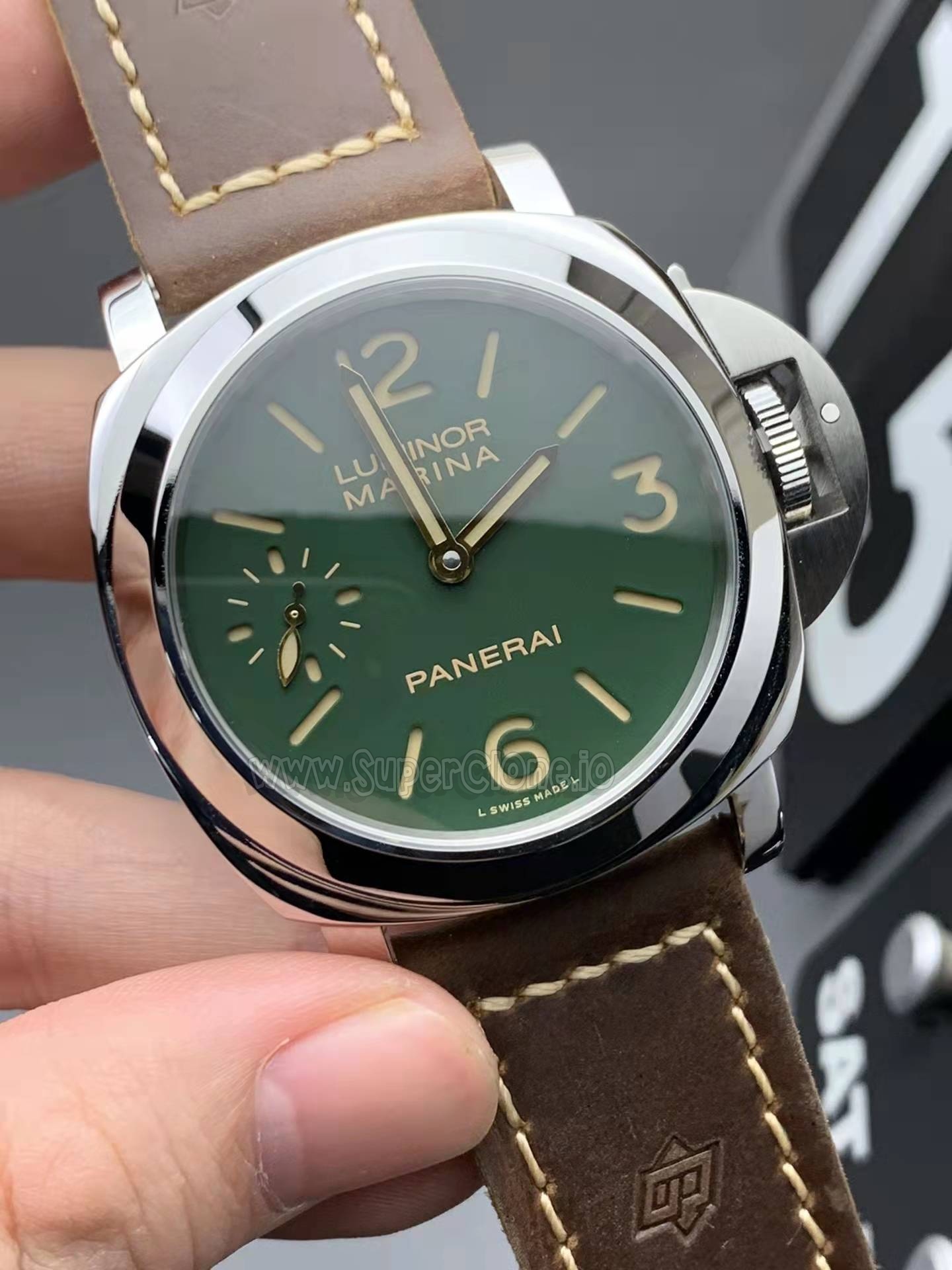
The appeal of references like the PAM 911 has always been straightforward in the best possible way. A large cushion-shaped steel case measuring 44mm across and roughly 15mm in thickness. A clean, uncluttered sandwich dial with recessed numerals. Strong lume plots that hold their charge through the night. A manually wound movement that responds to the crown with satisfying mechanical resistance. A robust leather strap that looks distinctly better after six months of natural wear rather than worse. The design language reads as mechanical and functional rather than decorative—a quality that remains genuinely rare across the broader watch market, replica or otherwise.
Even today, many experienced collectors still prefer the older manual-wind Panerai architecture over newer automatic models because they preserve the original military-inspired personality that helped Panerai build its identity among enthusiasts. The brand’s origins supplying robust dive instruments to the Italian Navy during the 1930s and 1940s still echo through these designs in ways that more contemporary, lifestyle-oriented Panerai releases have slowly moved away from.
Why Moderate Replicas Work in This Category
This structural simplicity also makes moderate-quality replicas far more acceptable in this category than they would be in modern Rolex replicas. A Daytona replica with poor movement finishing or incorrect thickness becomes obvious almost immediately because buyers expect immense technical complexity and layered details. A vintage-inspired or military-heritage Panerai with a simpler hand-wound architecture can still feel incredibly authentic on the wrist even when certain decorative details are missing—because the original design itself was never about delicate ornamentation to begin with.
Factories like HW understood this dynamic fairly well. Their production models focused heavily on preserving the visual strengths that matter most to Panerai enthusiasts from normal viewing distances. The case proportions remain solid. The crown bridge shape looks convincing on the wrist. The dial depth created by the sandwich construction still delivers that characteristic Panerai appearance under natural sunlight, and the leather strap breaks in at a pace that perfectly suits the watch’s rugged character. Mostimportantly, these watches still carry the oversized tool-watch atmosphere that collectors expect from Panerai—which is ultimately what keeps people buying them.
The Importance of the Sandwich Dial
One critical detail that separates a decent Panerai replica from a poor one is the sandwich dial structure, and it deserves far more attention than it typically receives in buyer discussions. This isn’t just a cosmetic choice; it’s a fundamental aspect of Panerai’s design identity and low-light legibility.
Panerai sandwich dials use layered construction rather than simple surface printing. The lower dial plate carries a generous layer of luminous material (typically high-grade Luminova) across the numeral and marker positions. The upper dial sits directly above it with precisely cut openings. The result is actual physical depth: subtle shadow transitions at the edges of each numeral, a slightly recessed appearance to the markers, and an industrial quality that becomes especially noticeable under angled or low-angle lighting. Photographs rarely capture this dimension well, but on the wrist, the effect is immediately apparent to anyone who has handled a genuine Panerai.
Cheap replicas fail here in predictable ways. The dial openings look too thin, too mechanically sharp, or unnaturally flat against the surface, with the lume material looking as if it was painted directly on top. On better examples, the numerals appear recessed naturally, and the lume tone feels structurally integrated rather than applied as an afterthought. The brightness and longevity of the luminous application remain key differentiators.
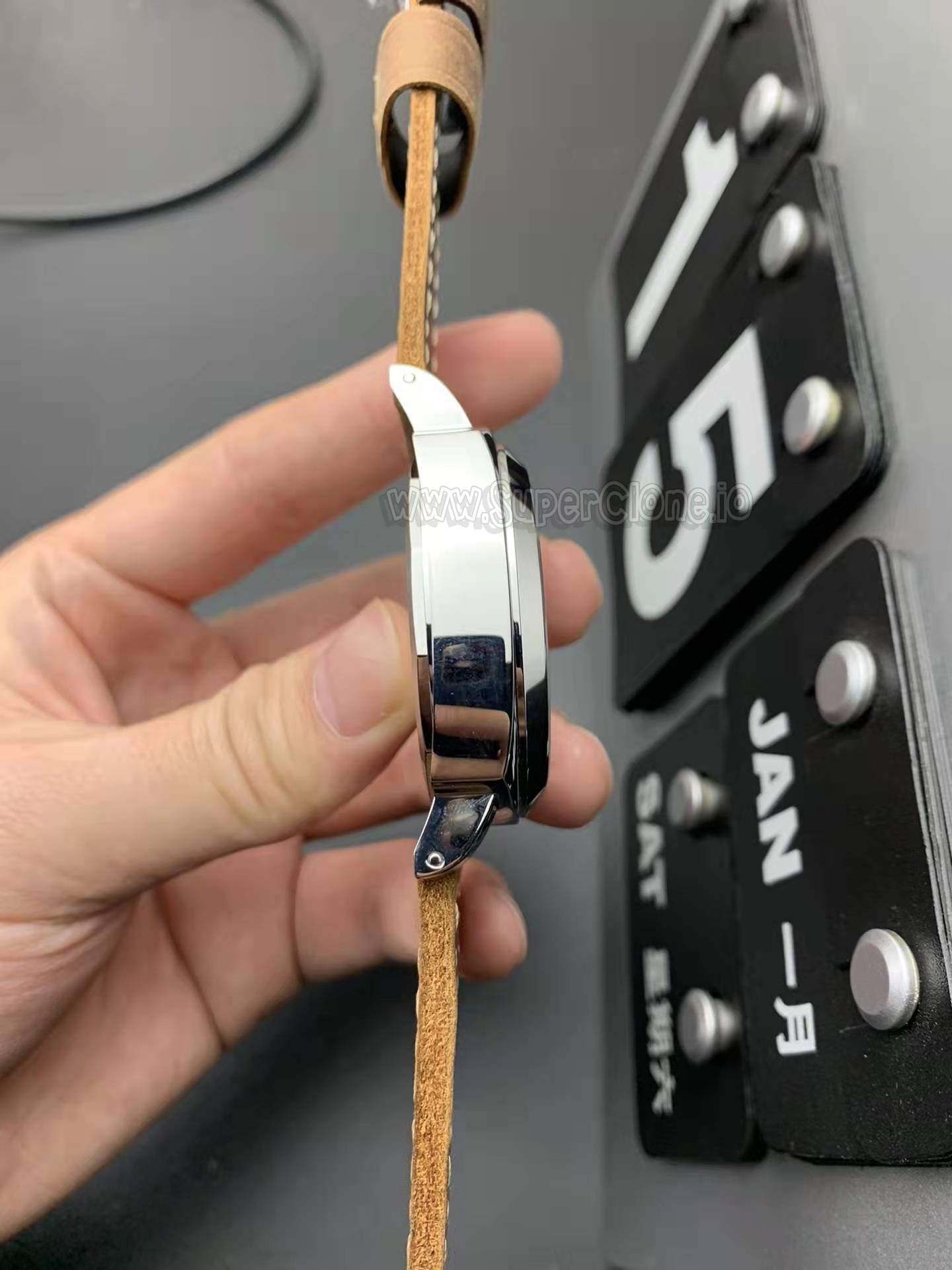
Even mid-tier factories can reproduce the sandwich construction reasonably well because the visual effect relies more on physical dial stamping and precision laser cutting than complex movement engineering. The tooling investment is concentrated in dial production rather than caliber development, which is where alternative factories have historically been more willing to invest.
The case finishing on these watches also tends to perform better than many people expect. Brushing on the cushion case surfaces is usually consistent enough to avoid looking inexpensive from wrist distance, and the polished bezel transitions remain acceptable unless examined under direct magnification. Panerai replicas benefit from an inherent advantage here: the genuine watches are intentionally industrial in character. Minor imperfections that would read as failures on a highly polished Rolex case often absorb naturally into the rugged visual identity of a Panerai, making them far more forgiving in the replica world.
Manual-Wind Movements and the Daily Ritual
Many newer buyers instinctively avoid manual-wind watches because they assume automatic movements are inherently more practical for daily use. In reality, the actual experience depends heavily on the wearer and their appreciation for horological tradition. Plenty of collectors who made that assumption have completely reversed their position after spending quality time with a hand-wound Panerai.
For many collectors, manually winding a Panerai each morning becomes part of the attraction rather than a disadvantage worth tolerating. Twenty or so turns of the crown, the mechanical resistance building gradually as the mainspring loads, the subtle tactile feedback through the fingertips—these are small interactions that accumulate into something that feels far more connected to mechanical art than clicking a button on a smartwatch or glancing at a phone screen.
Unlike automatic or quartz watches that function invisibly in the background of daily life, a manual-wind Panerai asks for regular attention. The process becomes habitual surprisingly quickly, often evolving into a cherished daily ritual. Interestingly, many replica collectors eventually discover that even automatic clone movements often require frequent manual winding regardless. Power reserve performance on replica automatic movements rarely matches genuine Swiss calibers over time, particularly if not worn consistently on a watch winder. Because of that, manually winding a replica manual reference does not feel significantly less convenient in real-world daily wear compared to winding an underperforming automatic clone.
Some collectors take this further and actively prefer the honesty of a simple hand-wound movement over a more complex automatic clone architecture where decorative plates and fake jewels have been added mainly for visual effect rather than mechanical purpose. The focus shifts entirely from perceived complexity to reliable, long-term functionality.
The Reality of the Asia Clone 6497
Most moderate-quality Panerai manual-wind replicas continue using variations of the Asia clone 6497 movement—a caliber architecture that has existed in the replica industry long enough to be considered genuinely established, highly reliable infrastructure at this point.
From a functional perspective, the movement performs adequately. Reliability is usually excellent when properly assembled and regulated before shipping, offering consistent timekeeping. Servicing remains relatively accessible because parts availability is broader than almost any newer custom clone caliber, and any competent watchmaker familiar with basic manual-wind architectures can work on one without difficulty.
The compromise, however, appears visually—and it is worth being entirely direct about what that means in practice for models featuring open case-backs.
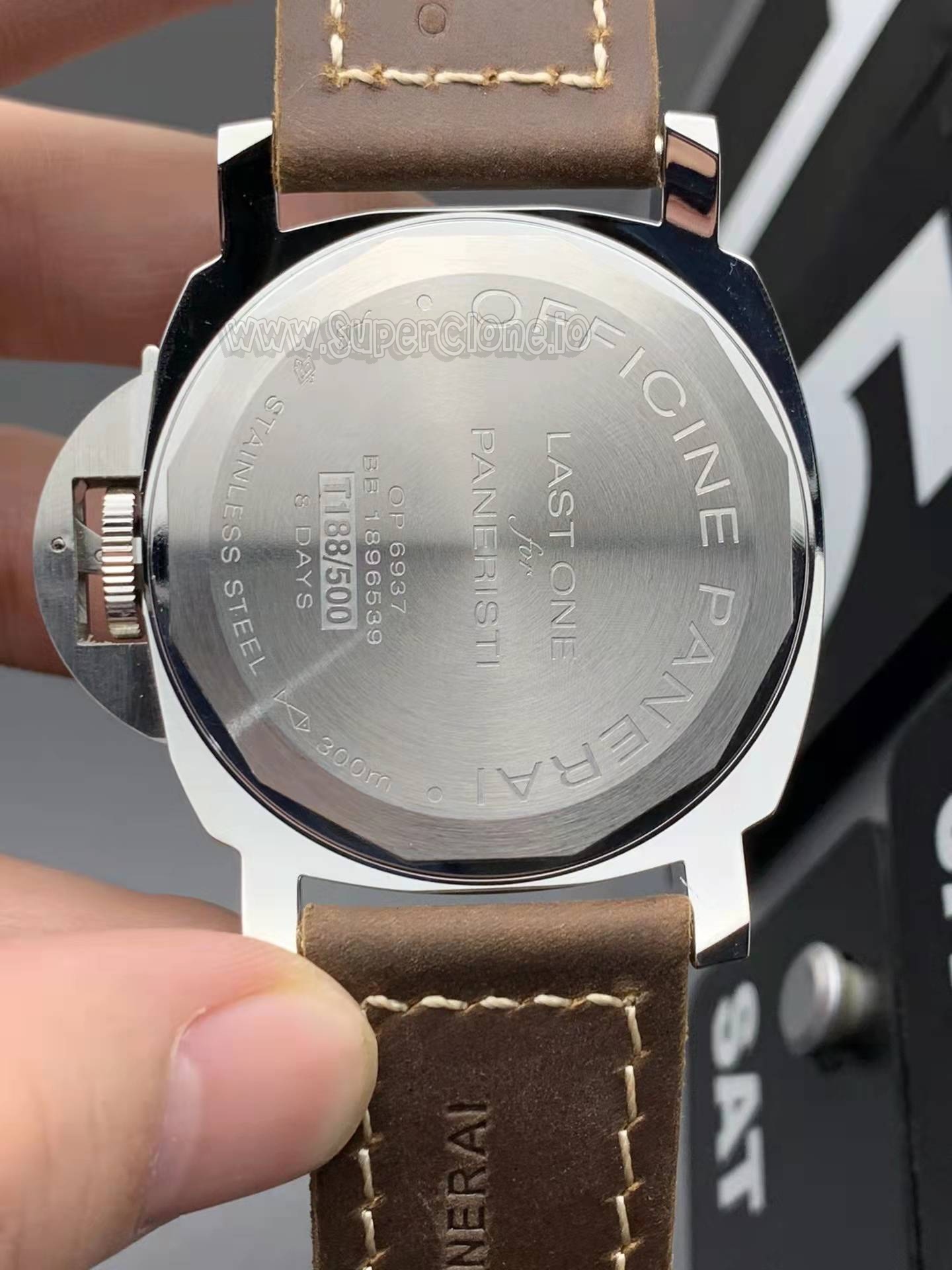
On genuine Panerai movements, decorative engravings, bridge finishing with chamfered edges, blue-printed text, polished component edges, and structural layouts create a very distinctive and appealing appearance through sapphire display casebacks. Older high-end VS replicas invested heavily in reproducing those exact aesthetic details because Panerai owners pay careful attention to movement aesthetics, considering it a crucial part of the watch’s overall appeal. Part of owning a Panerai is the ceremony of turning the watch over and appreciating the mechanical layout inside.
Mid-tier factories do not fully pursue that elite level of decoration. Their Asia clone 6497 movements remain relatively plain compared to genuine Panerai calibers. Bridge finishing appears simpler, engravings lack deep three-dimensional depth, and the absence of authentic blued screws or genuine Geneva stripes is noticeable to discerning eyes. The overall presentation focuses far more on utility than pure accuracy.
Context matters significantly here, though. For models using solid steel casebacks, or for references where the external execution is the primary focus, the movement appearance becomes far less relevant in daily ownership. Many buyers are perfectly willing to accept a simpler movement presentation if the external watch quality remains satisfying and long-term reliability stays reasonable. For a watch that will rarely be opened, a robust, unadorned movement is largely a practical asset rather than a drawback. This trade-off is one reason why simpler, solid-caseback Panerai references continue surviving inside the replica market while more technically demanding models disappear during unstable production periods.
Why VS Factory Still Dominates the Conversation
Even after extended production interruptions and market fluctuations, VS remains the definitive benchmark against which nearly all Panerai replicas are judged—and the gap between VS and lower-tier alternatives is wide enough that collectors who experienced peak VS products find it difficult to fully accept substitutes. Their legacy continues to heavily influence market expectations and collector discussions.
The factory spent years refining details that other manufacturers often ignored or addressed superficially: crown bridge spring tension, case wall thickness accuracy, movement decoration depth, dial texture consistency across batches, hand stack proportions relative to dial scale, and the overall balance the watch maintains on the wrist during extended wear. Their Panerai replicas did not merely look convincing in photographs; they also felt cohesive as complete, mature objects—something that requires simultaneous attention to dozens of small variables rather than a few obvious ones. Very few factories can consistently combine every single element into a watch that feels entirely correct throughout long-term wear, exhibiting excellent quality control standards across the board.
The temporary return of VS ordering therefore created excitement not simply because collectors wanted another Panerai replica, but because they wanted the possibility of seeing proper Panerai super clones return to stable production—not as a single limited batch, but as a reliable ongoing supply chain.
Whether that fully materializes remains genuinely uncertain. Manufacturing conditions inside the industry continue shifting rapidly, and many factories now heavily prioritize models with larger global demand. Panerai remains a smaller, highly specialized enthusiast category compared with Rolex sports watches, which command much higher production volumes and larger profit margins.
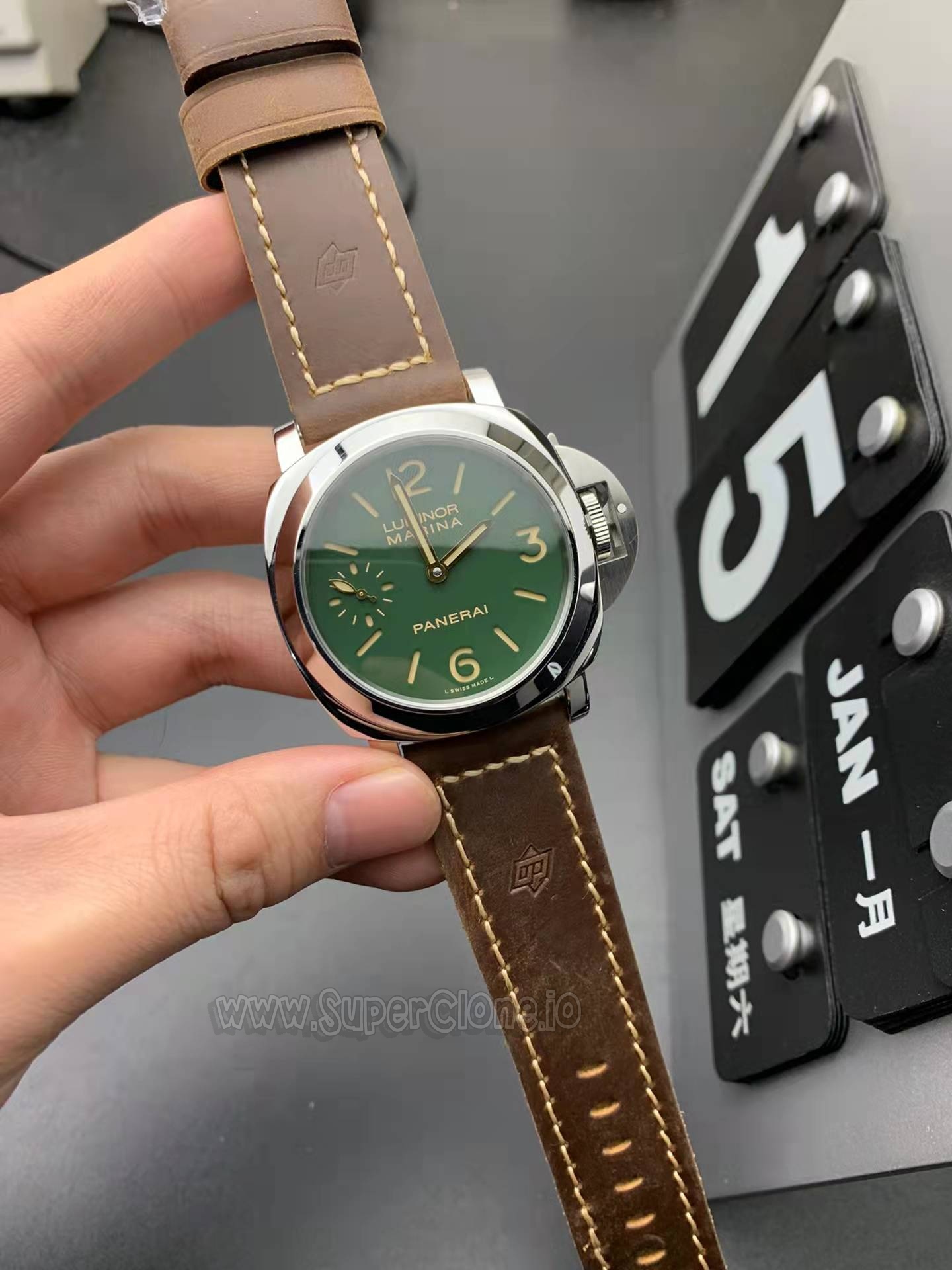
Still, the sustained market interest demonstrates that Panerai replicas maintain an fiercely loyal collector base despite reduced visibility in recent years. The passion for the brand’s unique aesthetic and rich history endures. The community has not migrated to other categories simply because alternatives became more readily available. Many buyers returned to browsing alternative models during the VS gap rather than switching to standard Rolex or AP replicas—which says something profound about the degree of attachment collectors develop toward this particular design philosophy.
There is something unusual about Panerai ownership that keeps people returning even after trying more technically advanced, flashier replicas. The watches wear differently from everything else on the market. They age differently. Leather straps develop individual character over months of use, telling a unique story of wear. The oversized cushion cases create immense wrist presence without relying on polished jewelry aesthetics or complicated multi-component dials. Even minor daily imperfections sometimes become part of what makes a particular watch feel like it truly belongs to the person wearing it, embodying a rugged, quiet confidence.
That explains why references like the PAM 911 and PAM 111 continue circulating among collectors long after newer, hyper-polished trends dominate social media discussions and dealer promotions. The watch does not need to compete on sheer technical complexity, because complexity was never the point. Not every replica watch category requires constant movement upgrades, weighted case construction, or increasingly complicated clone engineering to remain relevant. Sometimes a well-proportioned steel case, a properly executed sandwich dial, and a reliable hand-wound movement are more than enough to keep enthusiasts genuinely interested for years—and in the case of Panerai, for decades to come.
