
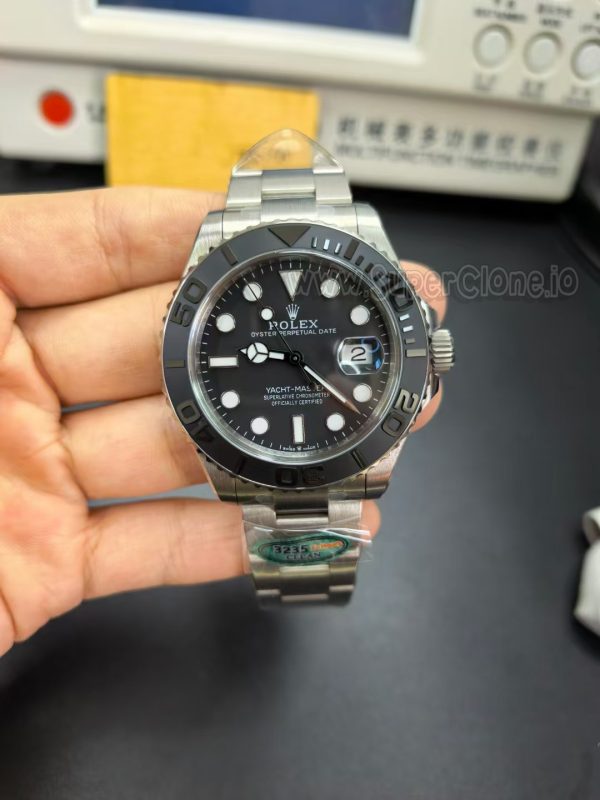
Clean Yacht-Master 226627 in Titanium Has a Very Different Feel
Titanium was one of the few materials people rarely associated with modern Rolex sports models, Stainless steel, white gold, and two-tone combinations dominated the catalog for years, so when the Yacht-Master 226627 arrived, interest immediately shifted toward its lighter construction and darker tool-watch appearance. Collectors who normally ignored the Yacht-Master line suddenly started paying attention.
Not surprisingly, replica factories moved quickly. Early versions appeared from smaller manufacturers before Clean entered the market, and many buyers initially settled for those alternatives simply because there was no higher-end option available at the time. Once Clean released its version, discussions changed from “Is there a replica?” to “Which factory actually did it better?”
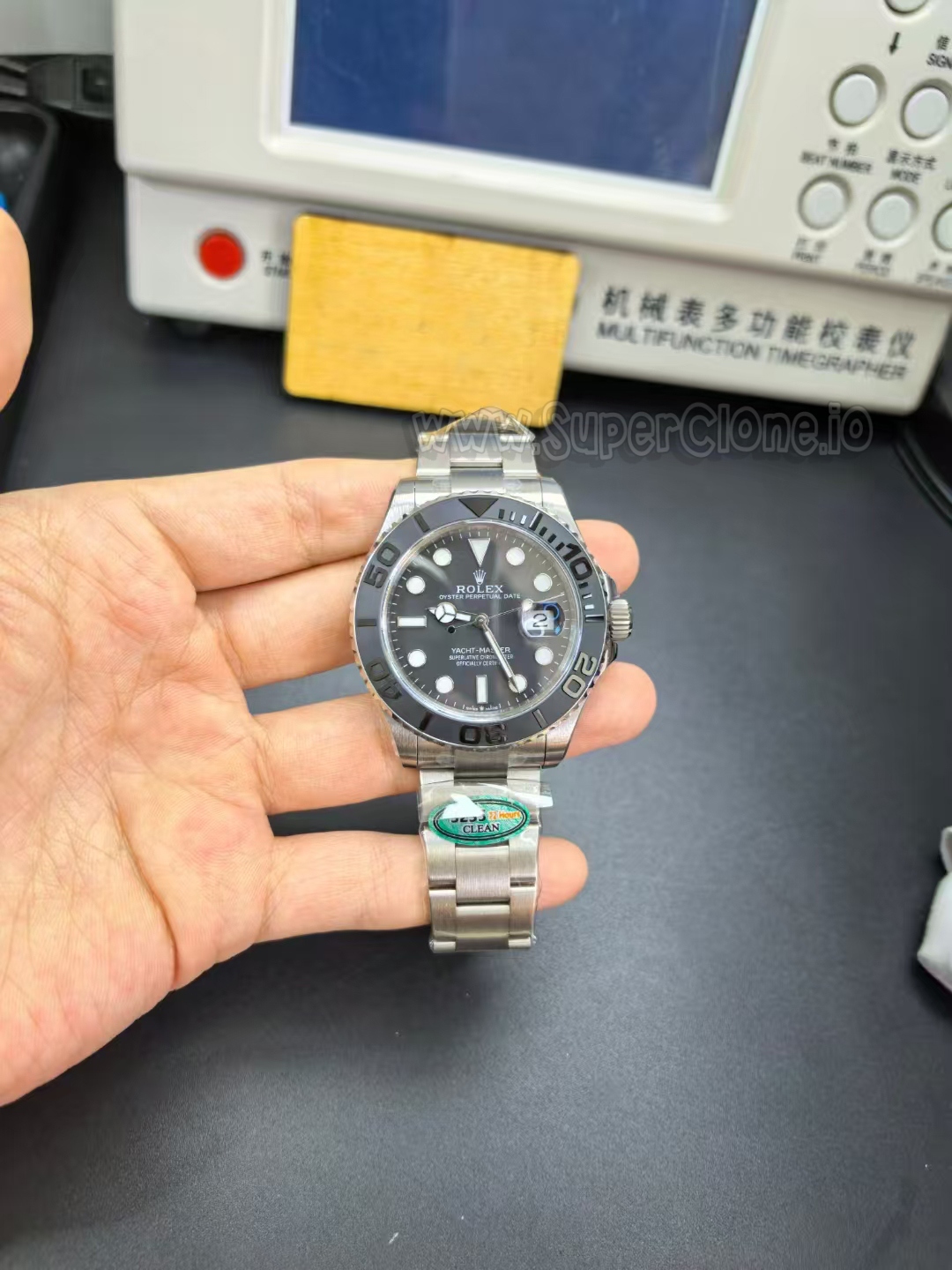
The biggest reason this model attracted attention is not the dial or bezel design. It is the material itself. Titanium changes the entire wearing experience. Anyone familiar with a standard stainless steel Submariner or GMT-Master will immediately notice how different the watch feels once it is picked up for the first time.
Clean uses grade 5 titanium throughout the case and bracelet, and the difference in weight is obvious immediately. The watch feels lighter without becoming fragile or hollow. With factory stickers and protective film still attached, the watch weighs around 109 grams, extremely close to the genuine piece.
What makes titanium interesting is that it behaves differently under finishing compared to steel. Bright polished edges are softer, while brushed surfaces appear slightly more textured. Because of this, some factories struggle to create convincing transitions between surfaces. On this watch, Clean handles those transitions surprisingly well.
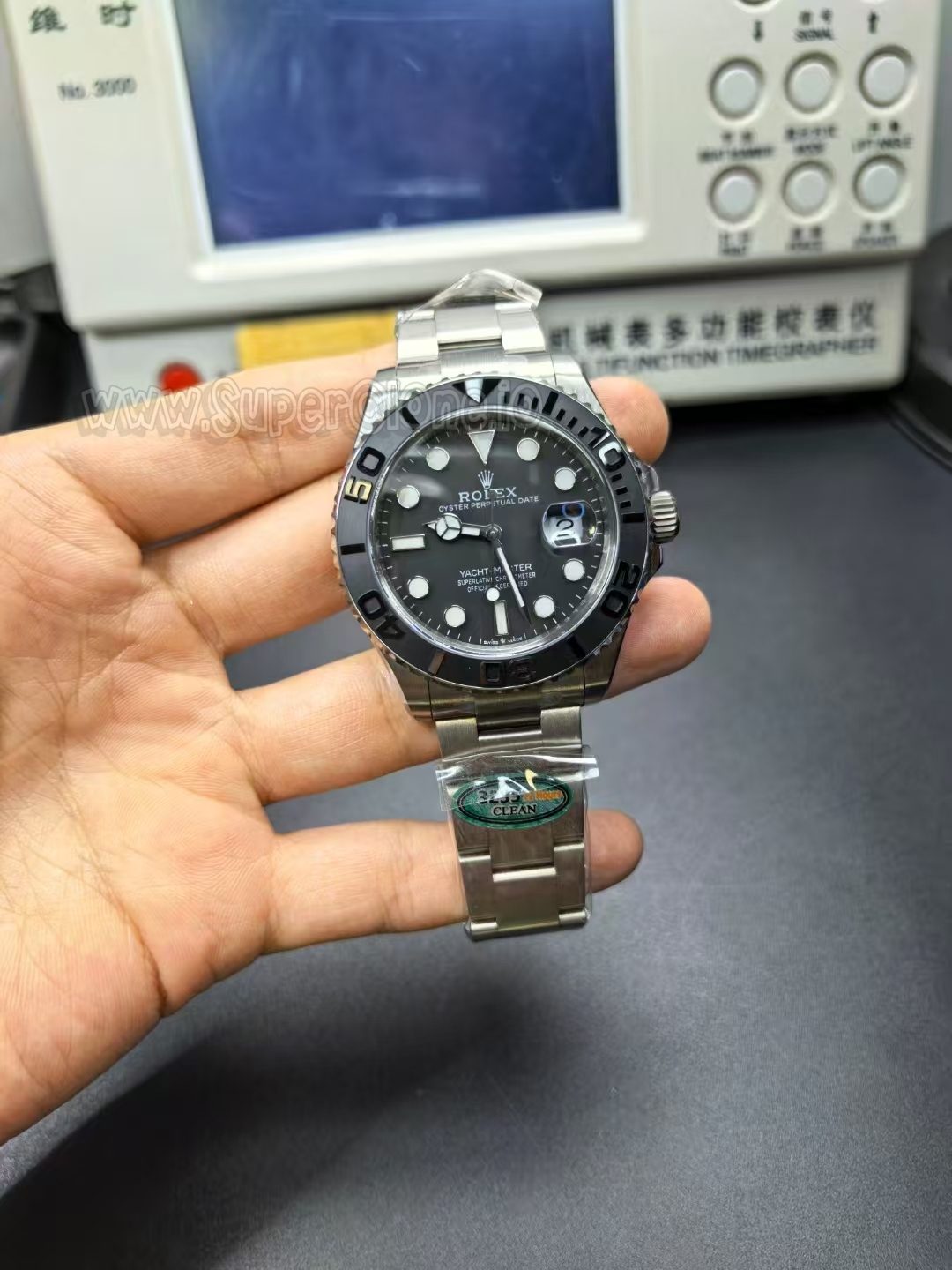
Under magnification, the brushing on several bracelet sections can appear a little coarse, especially when compared side-by-side with macro photos of the genuine watch. In normal daily wear, however, that texture blends naturally into the darker titanium tone and becomes far less noticeable than photographs suggest.
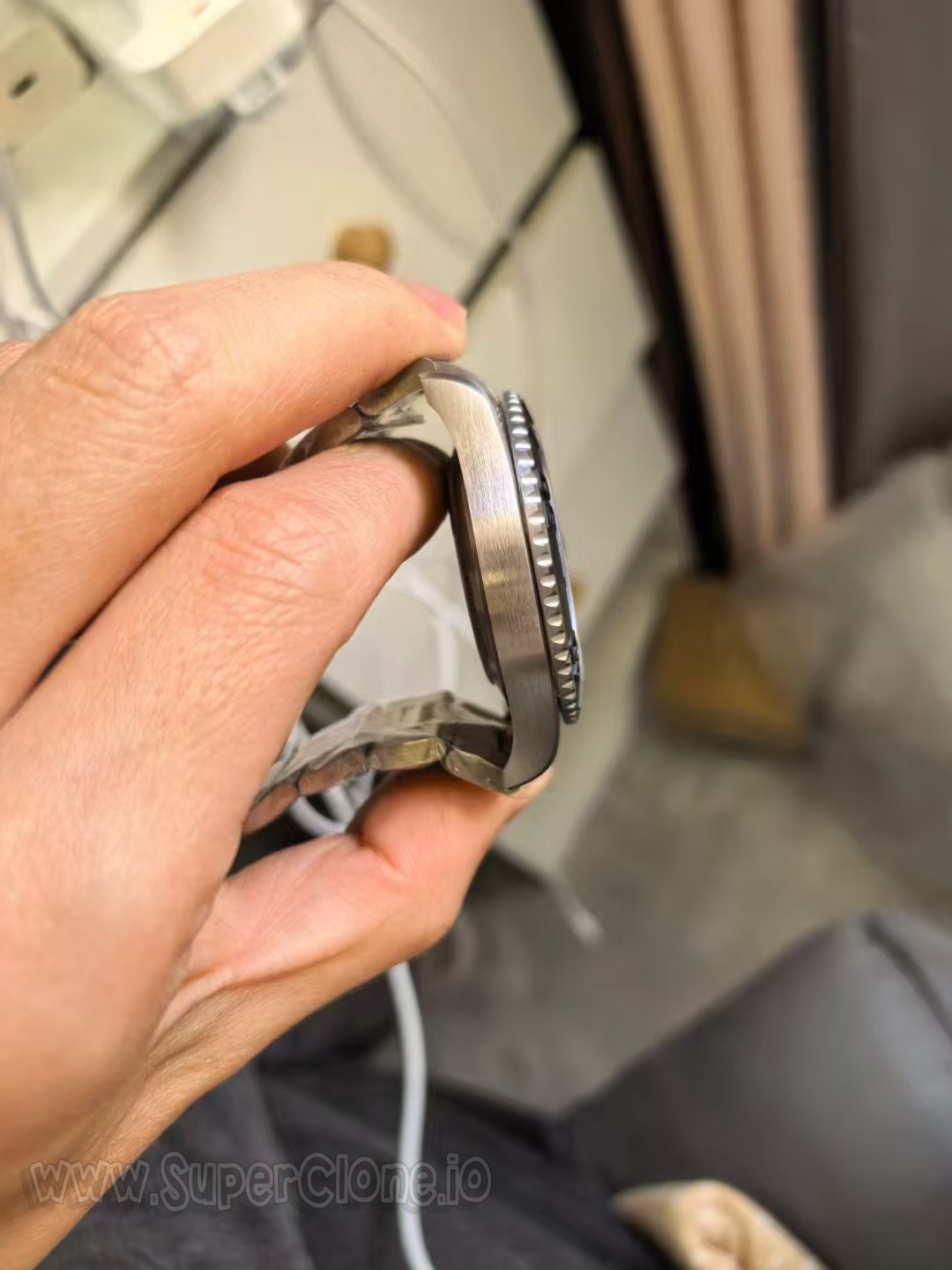
The overall shape of the case is one of the stronger aspects of this release. The lugs have the correct angular profile, and the thinner mid-case helps the watch sit flatter than many heavier dive-style models. Thickness measures slightly under 12mm, which keeps the proportions balanced from nearly every angle.
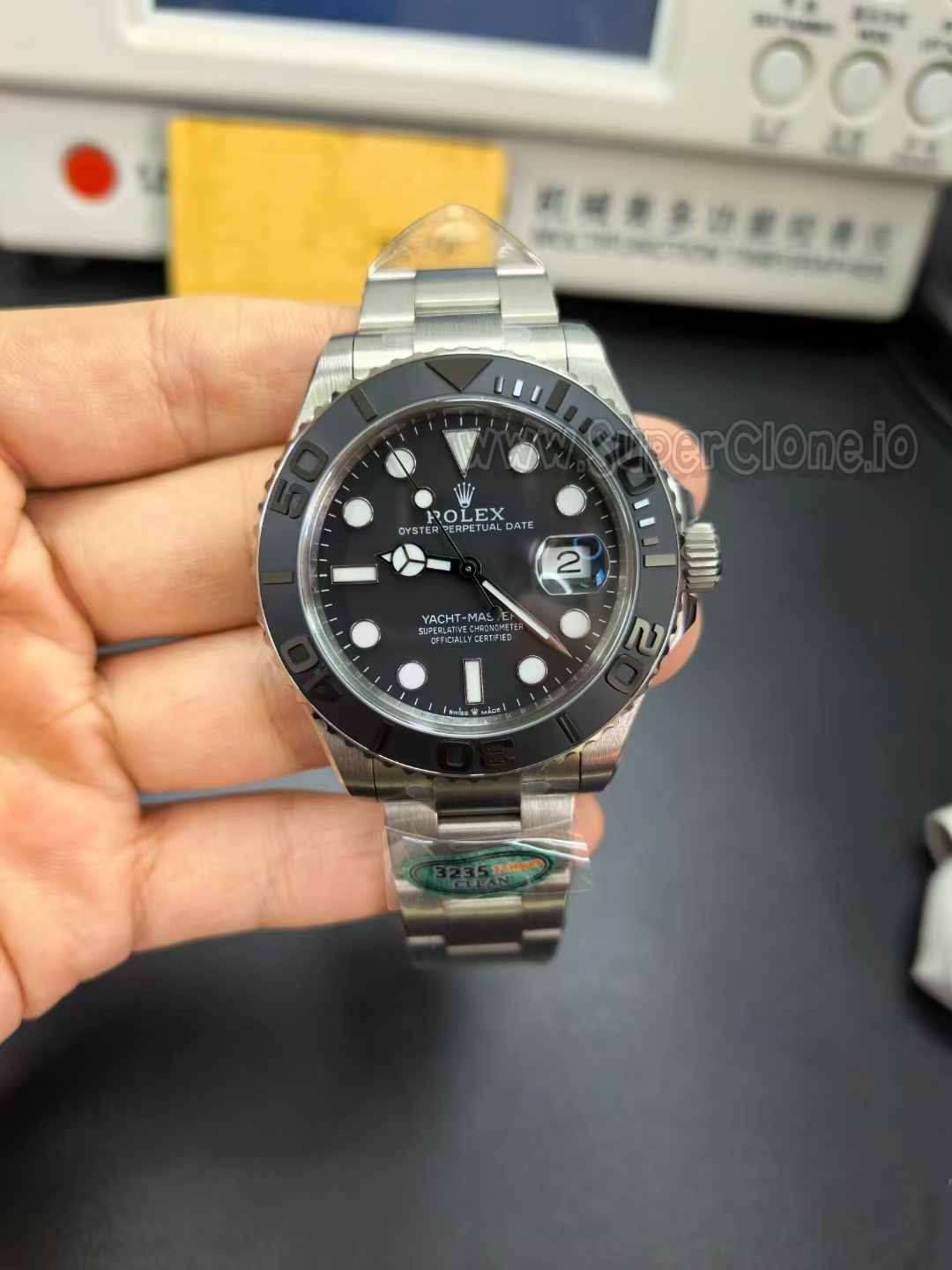
One detail that stands out in person is the contrast between the matte ceramic bezel insert and the polished raised numerals. The darker finish gives the watch a more technical appearance compared to traditional glossy ceramic bezels found on other sports models.
On the genuine watch, the matte texture appears slightly drier and more industrial. Clean’s bezel is smoother and more refined, though still visually convincing unless examined under direct lighting.
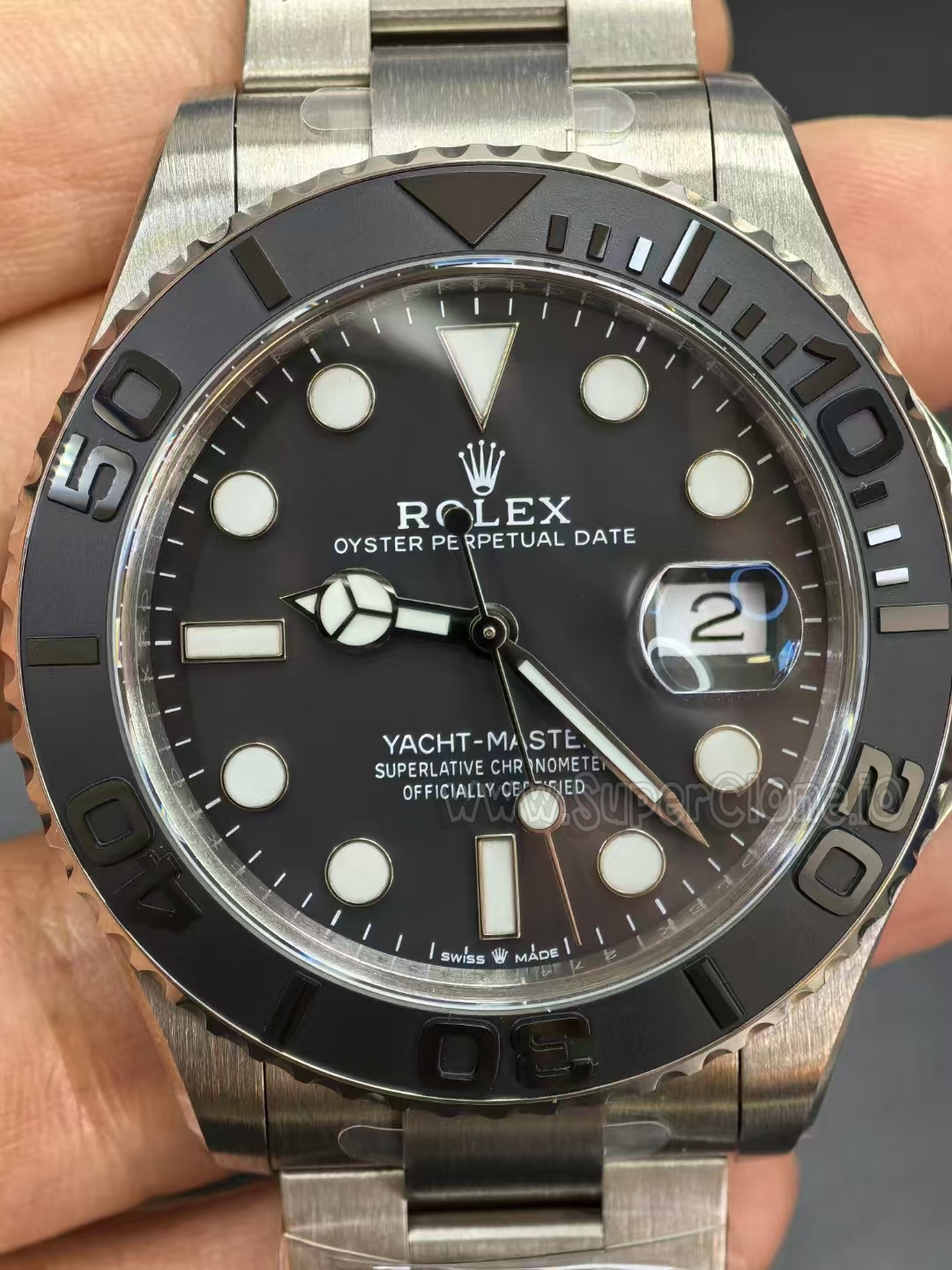
The dial itself avoids unnecessary experimentation. Rolex kept the layout extremely restrained here, and that simplicity actually benefits the replica version. There are fewer decorative elements to expose inaccuracies, allowing the watch to rely more on proportions and finishing quality.
The hands and hour markers have clean polishing with consistent edges, while the printing remains sharp without appearing overly thick. The subtle contrast between the dark dial and the pale luminous material gives the watch a more understated personality than many ceramic Rolex sports models.
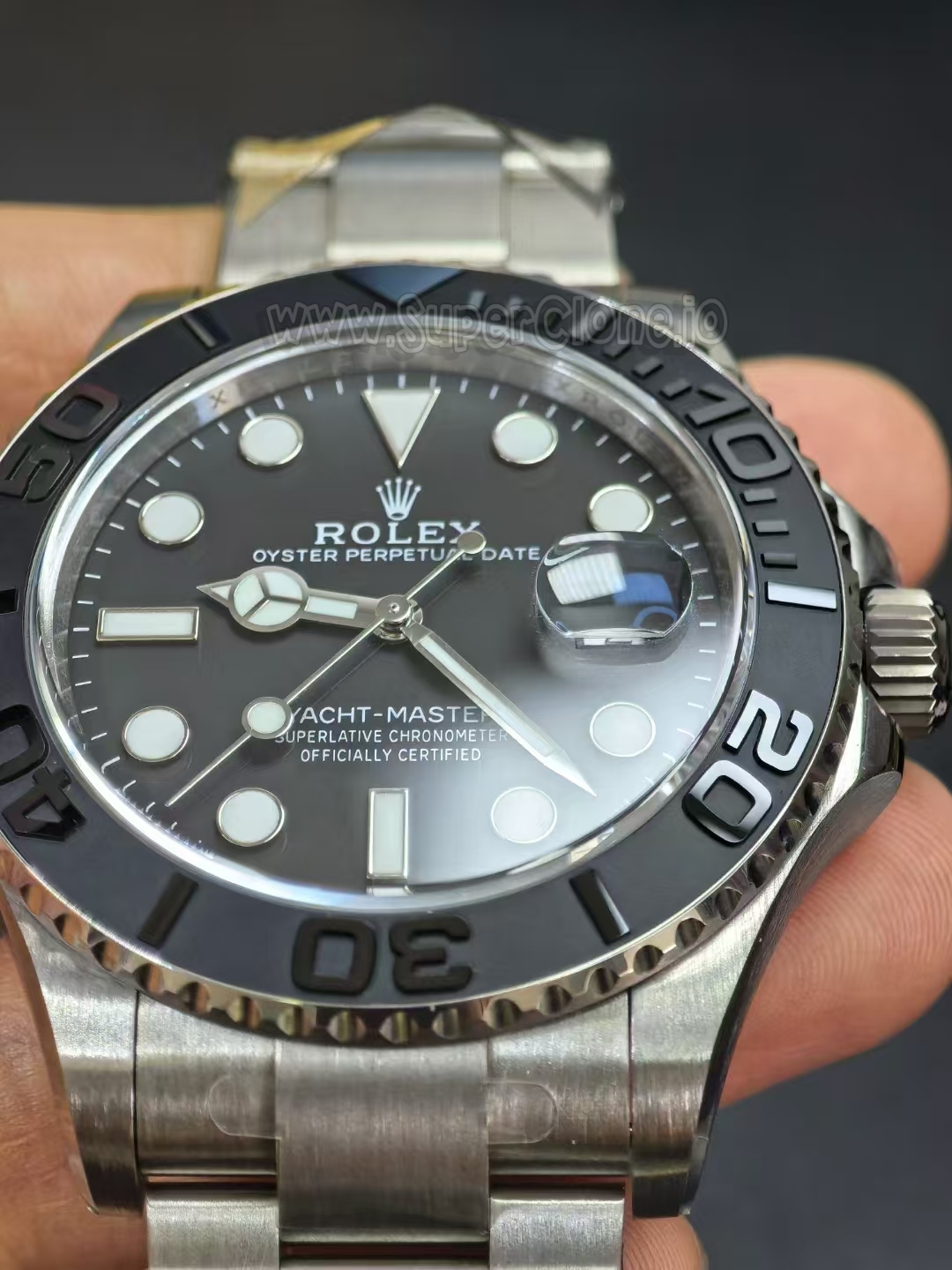
Factories producing this model before Clean usually focused on weight reduction first and finishing second. That approach helped them release products quickly, but the watches often lacked refinement around the bezel edge, crown guards, and bracelet construction. Clean approached the project differently by improving the overall exterior consistency rather than only matching dimensions.
That difference becomes clearer around the bezel markers and case edges.
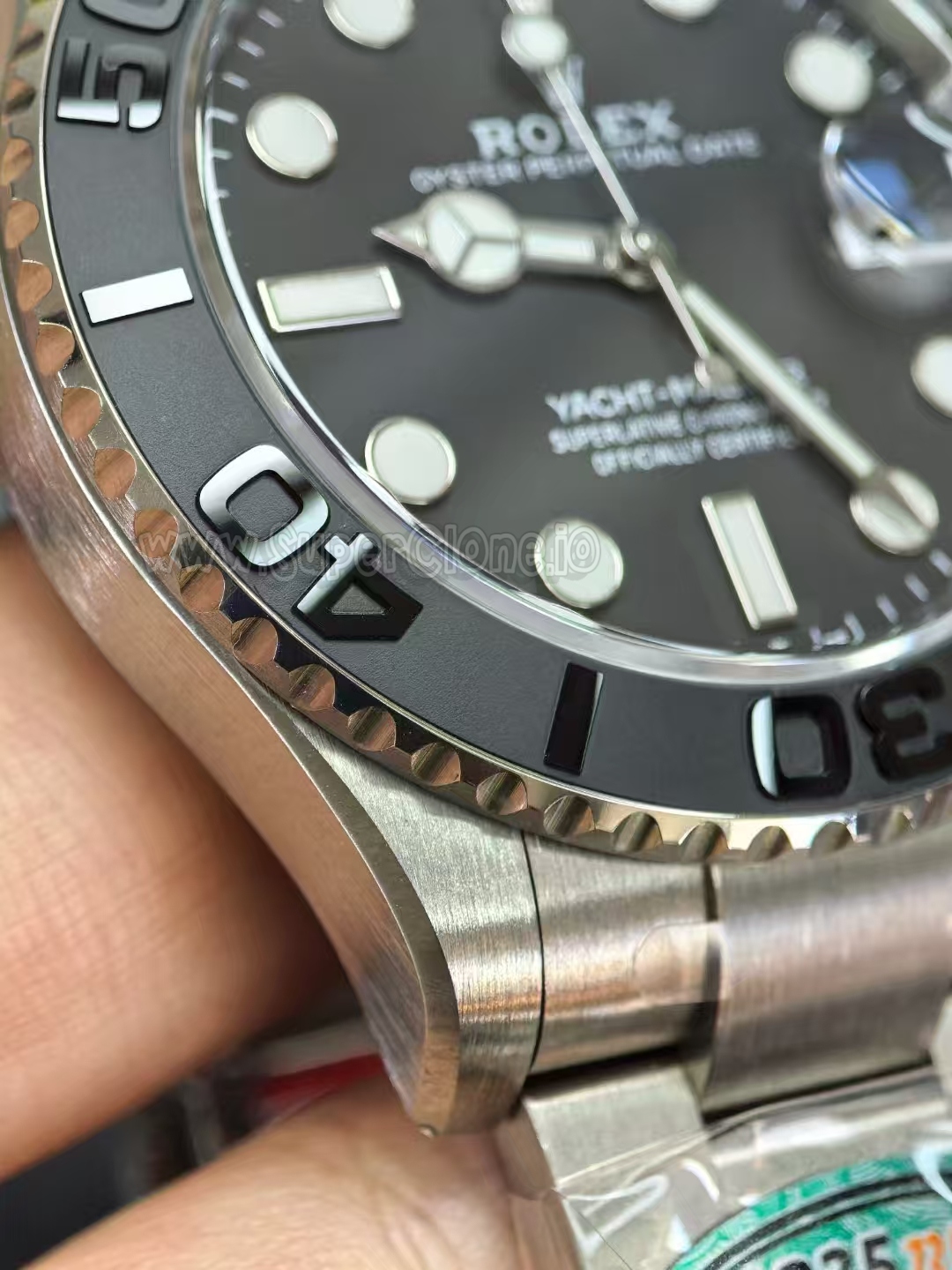
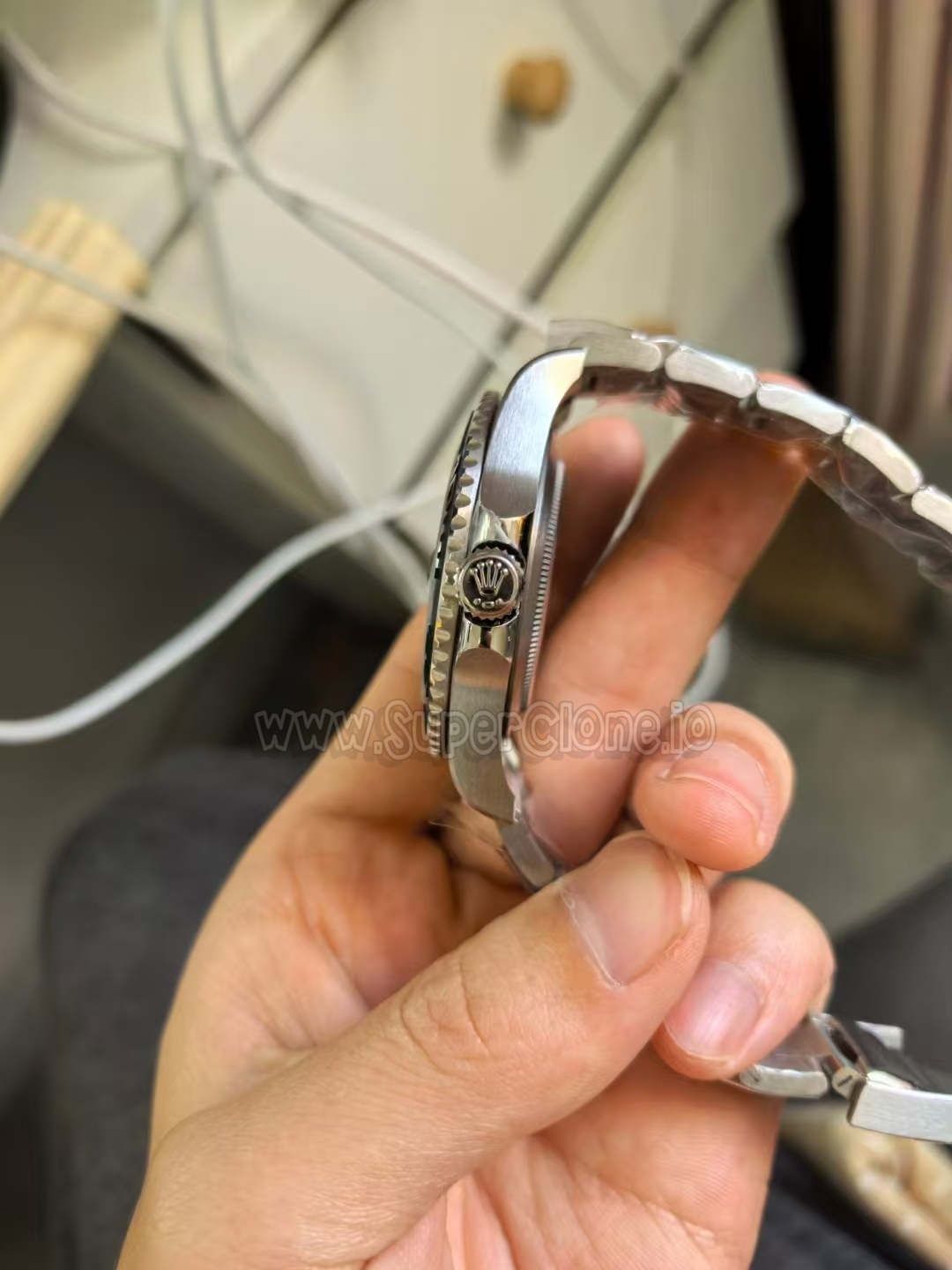
The transitions between brushed and polished areas are cleaner than earlier factory attempts. Even the crown guards maintain a more natural curve without looking too sharp or oversized. These are small details individually, but together they change how believable the watch appears on the wrist.
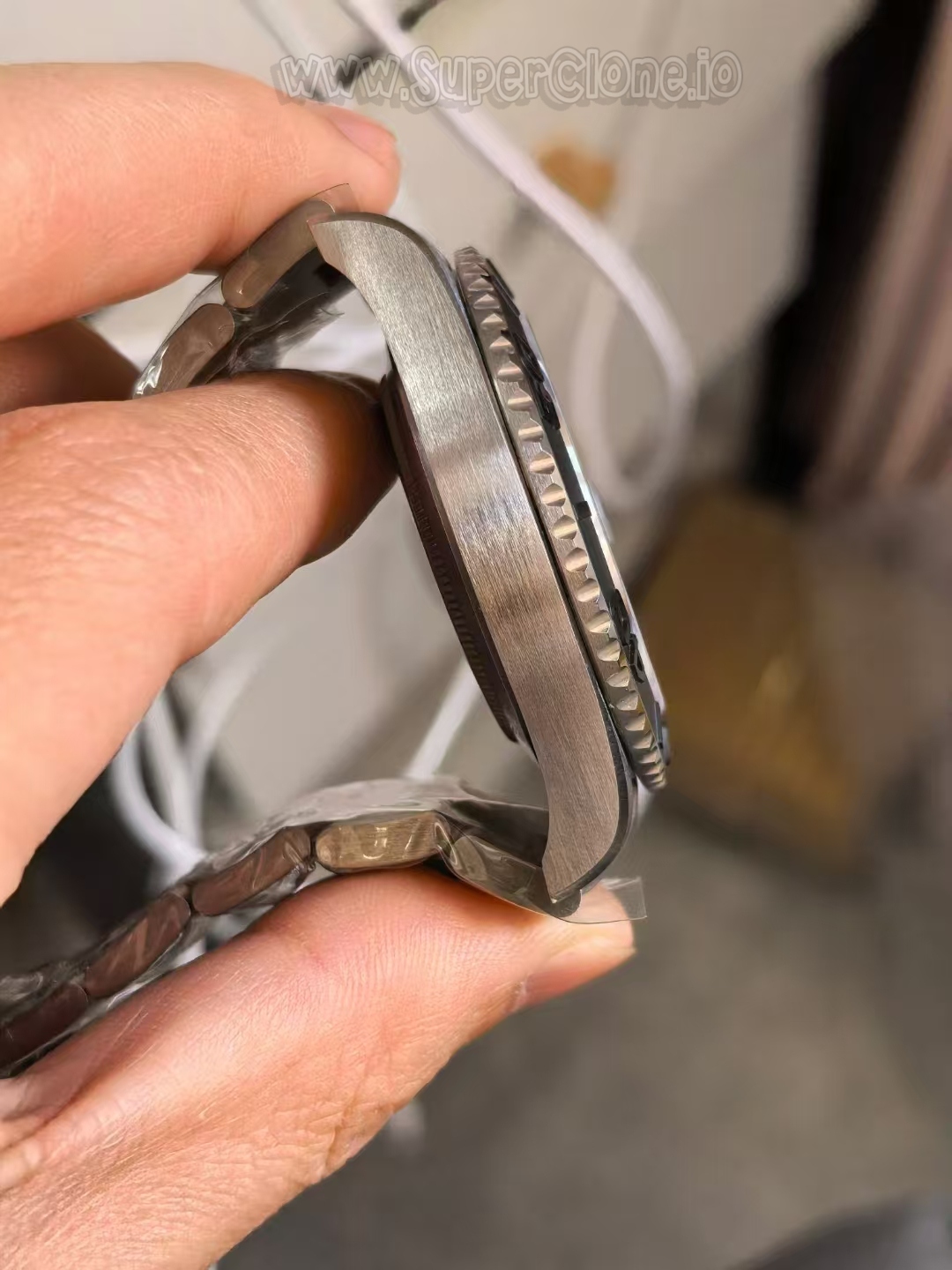
The side profile also benefits from titanium’s darker tone. Minor imperfections that would normally stand out on polished steel surfaces become less visible here. That characteristic works in favor of this particular model because titanium naturally hides visual harshness better than mirror-finished steel.
The crown action feels firm with good threading resistance. Crown engraving depth is consistent, and the brushing around the crown guards matches the surrounding case well.
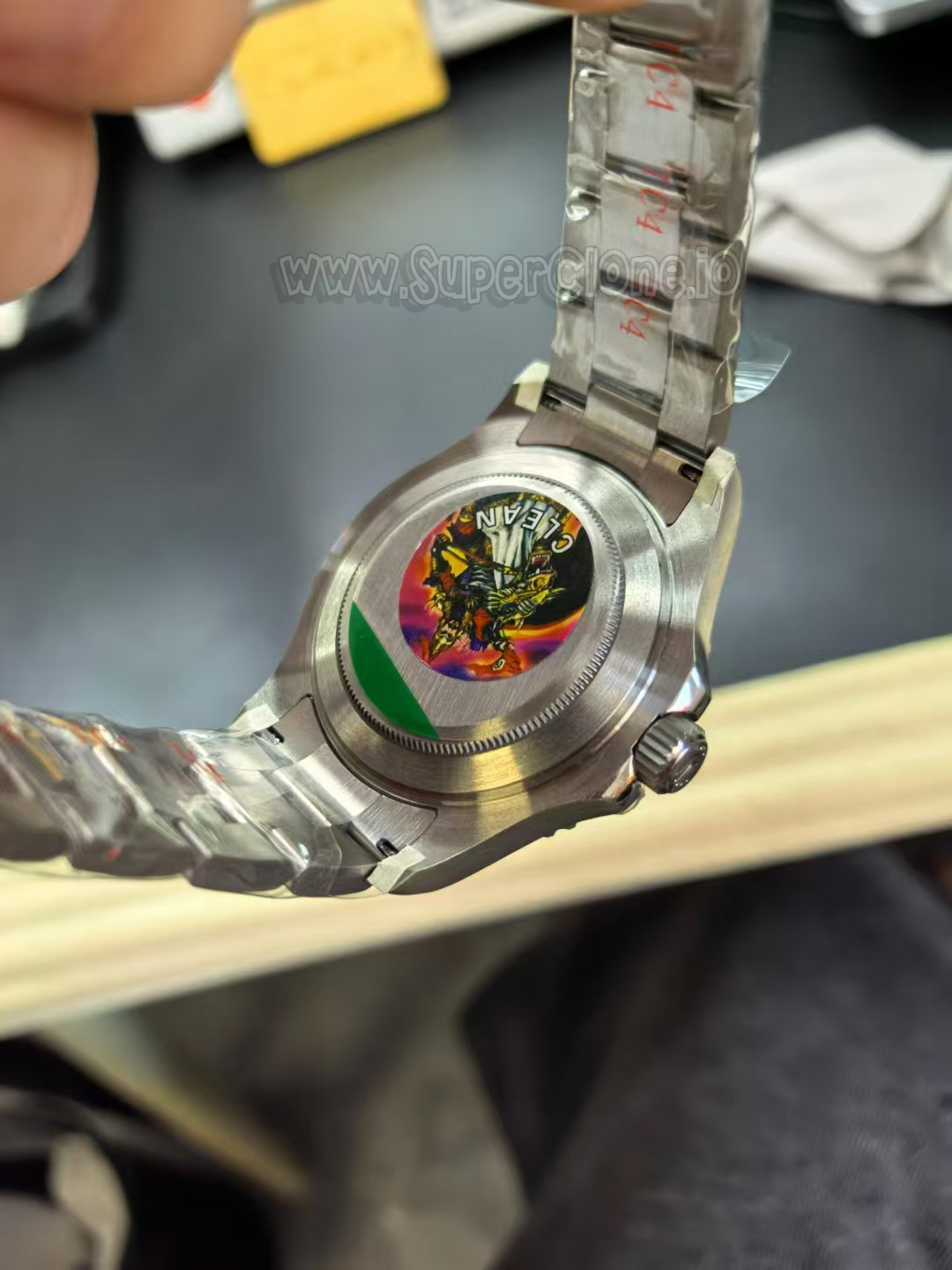
Inside the watch is the updated SH3235 movement, a caliber already widely used across several modern Rolex replicas. Reliability discussions around this movement have been ongoing for years, but stability has improved significantly compared to earlier generations.
Clean claims an extended power reserve, although real-world performance usually depends more on regulation quality and daily wearing habits than factory specifications. In practical use, the movement feels stable enough for regular rotation.
The bracelet is another area where this watch leaves a stronger impression than expected. Titanium bracelets can sometimes feel too light or slightly hollow, but this one maintains enough density to avoid that issue.
Clean also uses ceramic sleeves inside the bracelet link structure, which helps reduce long-term wear around the connecting pins. Whether buyers notice that feature immediately or not, it does help the bracelet maintain a tighter feel over time.
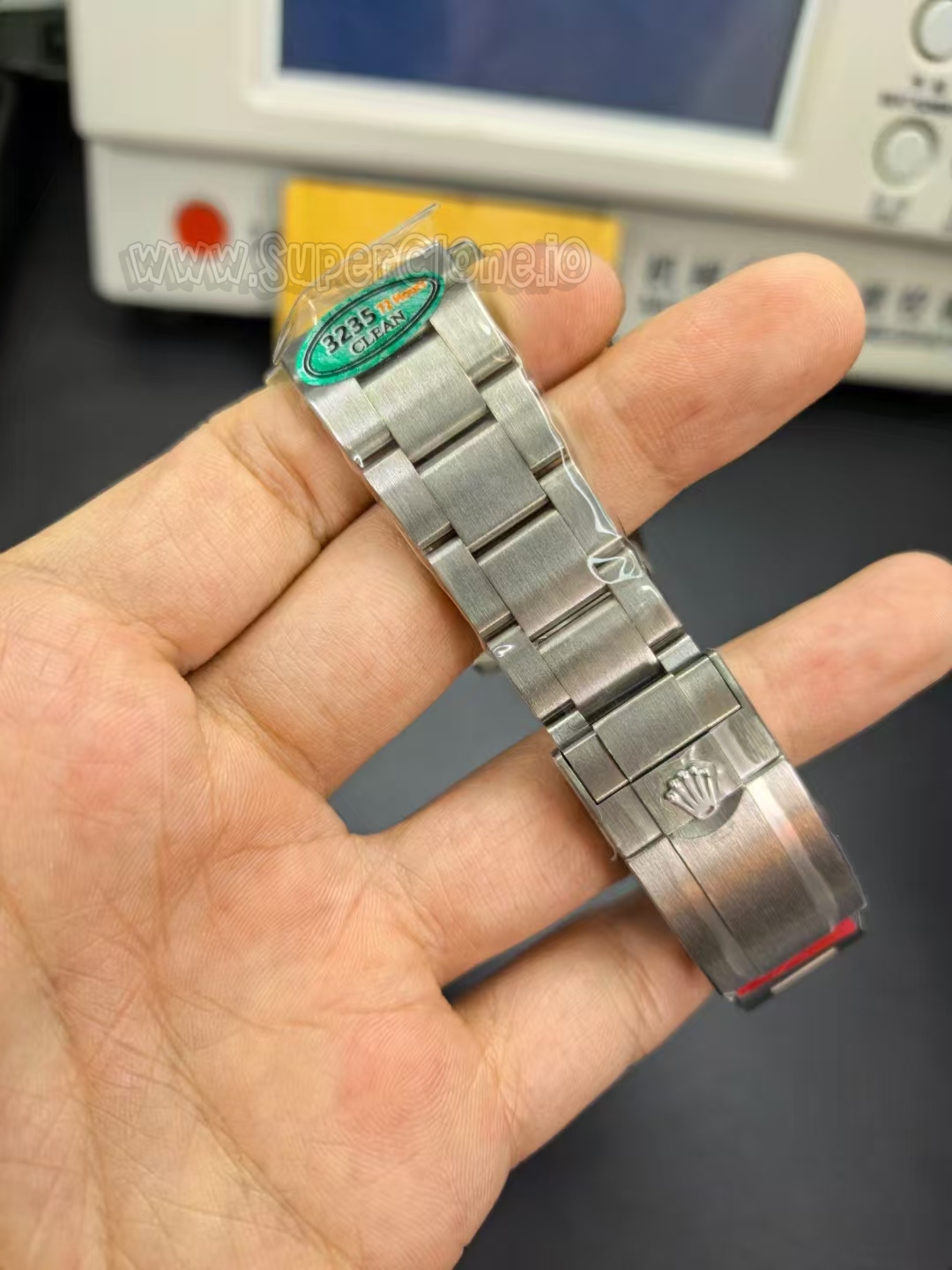
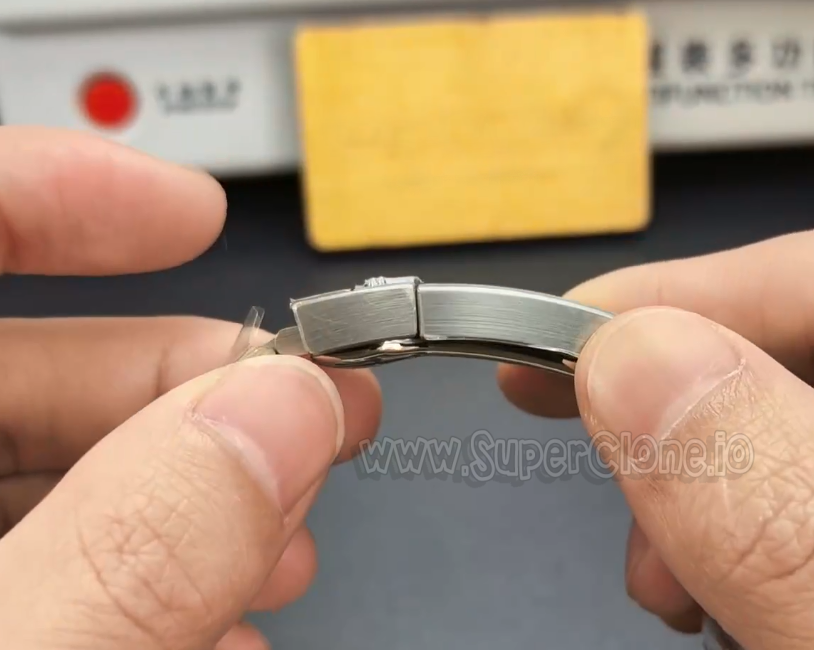
The brushing pattern across the outer links stays relatively uniform, and the clasp mechanism closes with a solid snap. Earlier versions from lower-tier factories often felt inconsistent here, especially after several weeks of use.
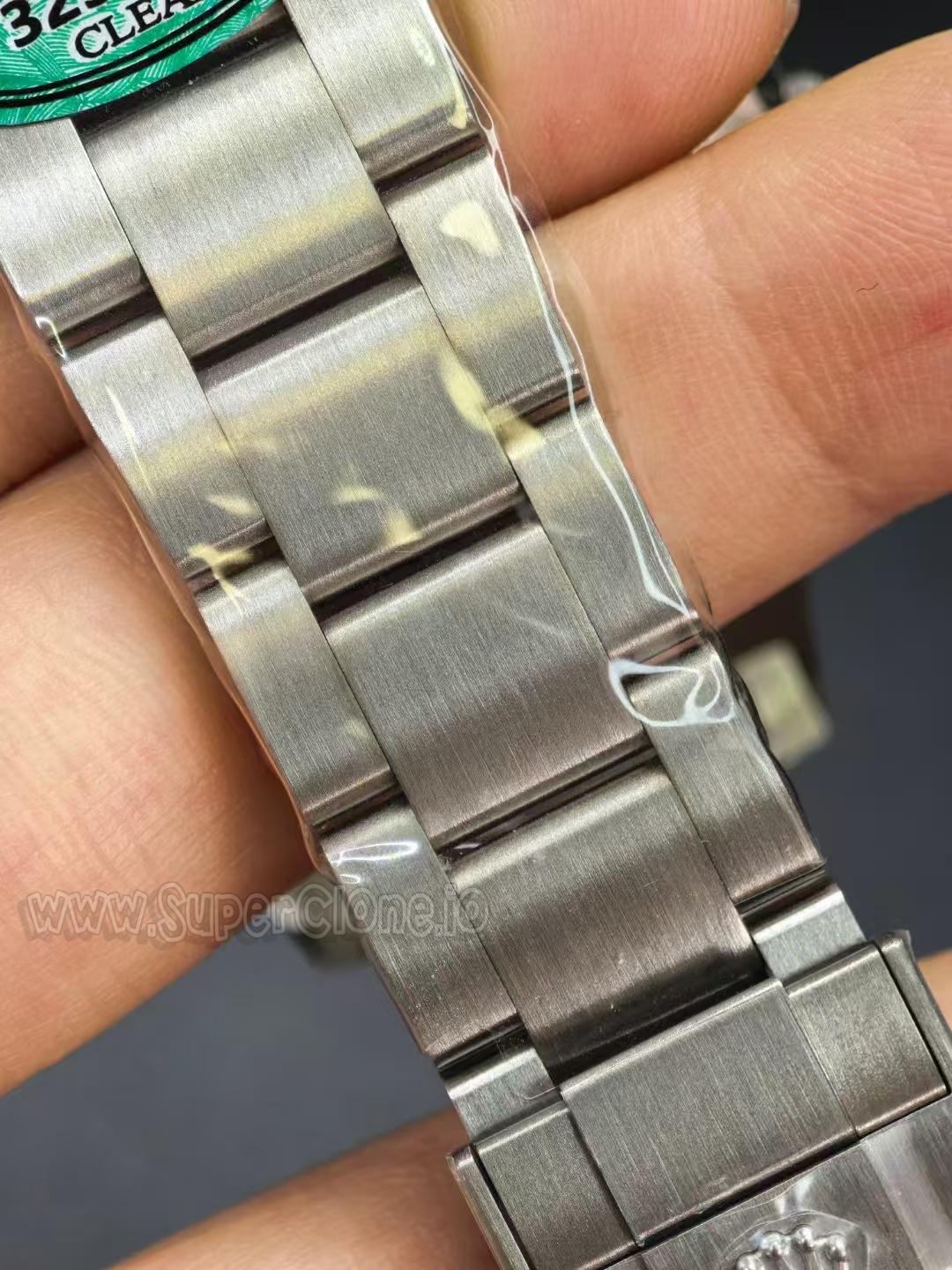
The extension system operates smoothly and keeps the sporty functionality expected from the Yacht-Master line.
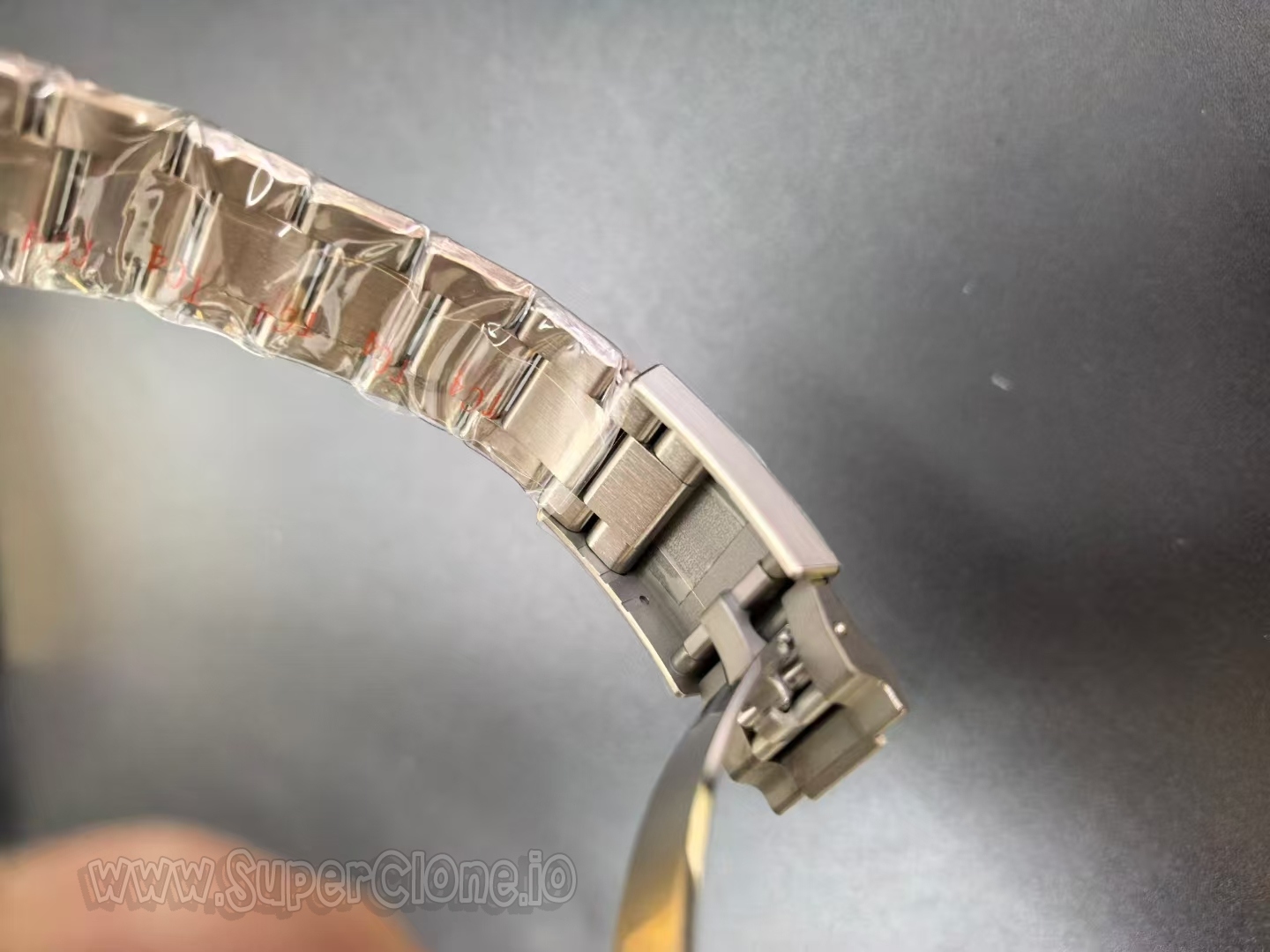
There is, however, one small alignment issue visible on the clasp when viewed closely. One side sits marginally higher than the opposite side once closed. It is subtle and easy to miss during normal wear, but visible enough to notice during detailed inspection.
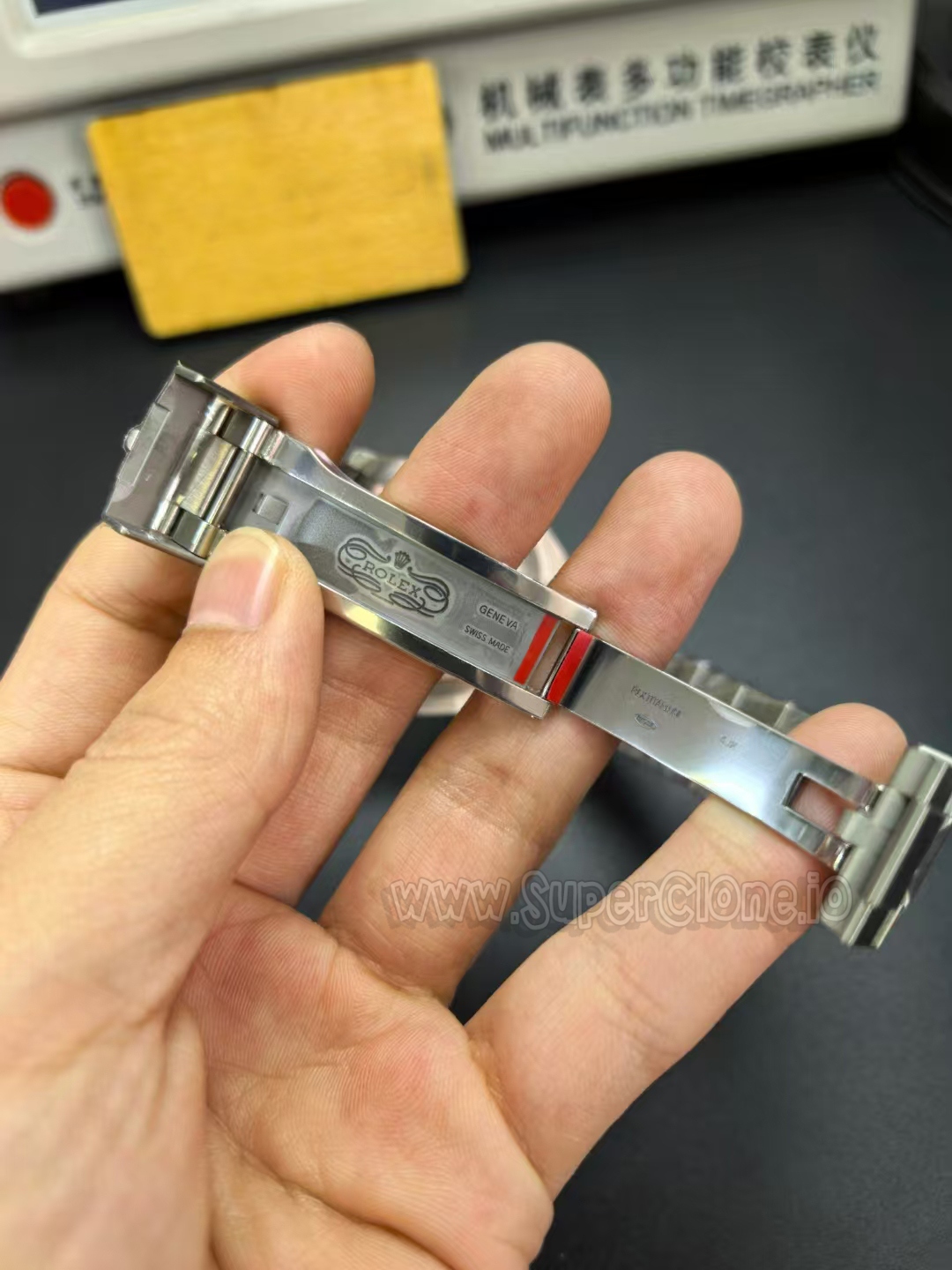
Aside from that minor flaw, the clasp engravings and interior finishing are executed cleanly, without the rough machining marks commonly found on lower-grade replicas.
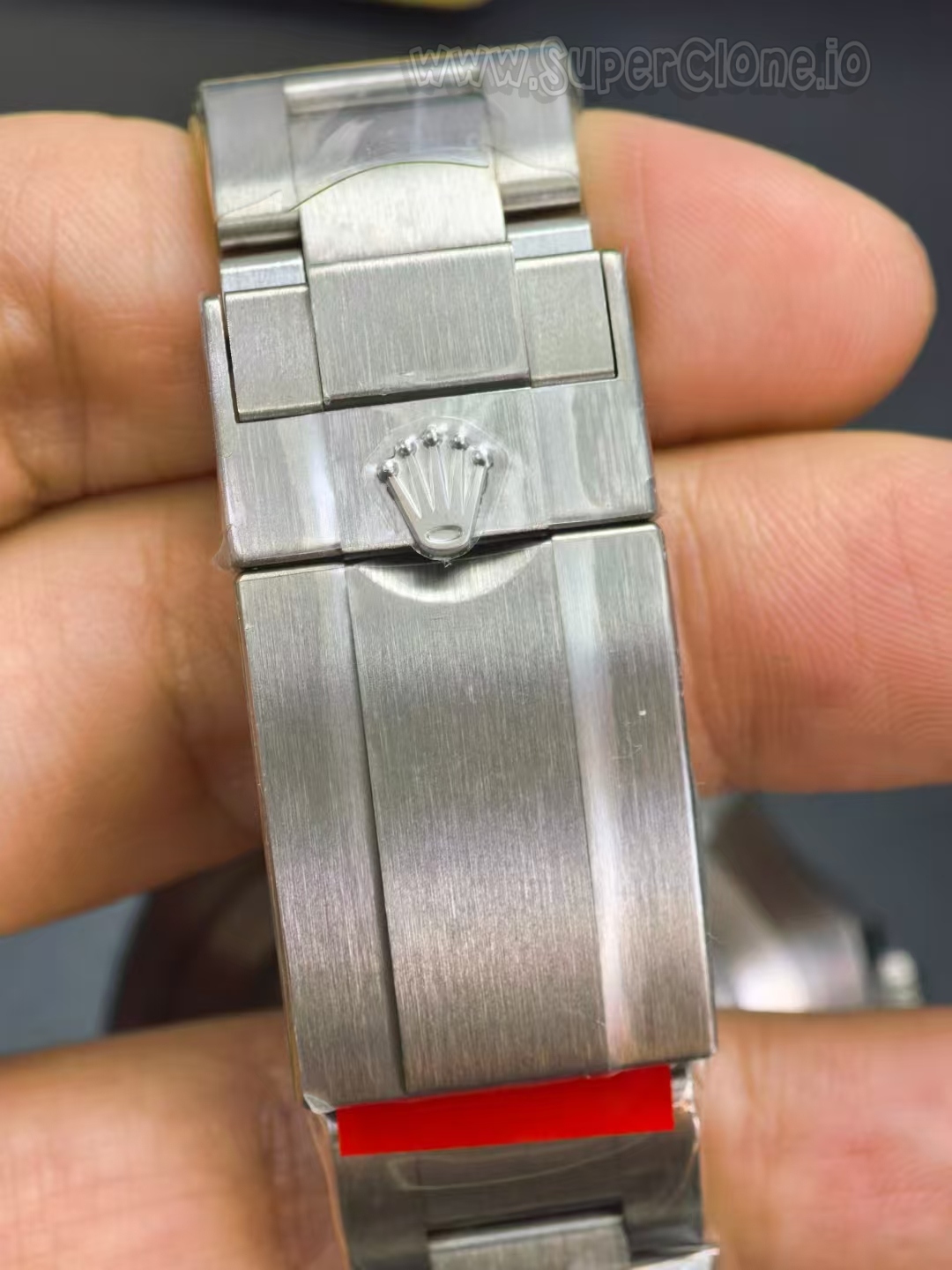
Compared with earlier versions from EWE and other budget-oriented factories, the Clean edition feels more complete as a full package. The improvement is not limited to a single component. Weight distribution, surface finishing, case proportions, bracelet construction, and overall consistency are all noticeably stronger.
That also explains the price difference. Buyers looking for a cheaper entry point may still prefer alternatives, especially if movement specifications matter more than exterior refinement. But for people paying attention to case finishing and wrist presence, the Clean release is currently the more convincing option.
Among recent releases, this is one of the few modern Rolex replicas where the material itself changes the entire personality of the watch. The lighter feel, muted finishing, and understated appearance create something very different from the usual polished steel sports models dominating the market.
For collectors interested in a modern titanium Rolex without moving into genuine pricing territory, this super clone remains one of the more talked-about releases in the current market. Unlike many hype-driven releases that disappear after a few weeks, the 226627 continues attracting attention because the wearing experience genuinely feels different.
Even after handling multiple Yacht-Master replicas from different factories, the Clean version still stands out for one simple reason: it does not try too hard to impress at first glance. The watch becomes more convincing the longer it stays on the wrist
