
What Clean, VS and APS Are Really Competing on Right Now: Yacht-Master, Hulk and Royal Oak 15400 Upgrades Explained
Something has shifted noticeably inside the replica watch market over the past several months, and it is not the kind of cosmetic pivot that gets announced via flashy marketing. You simply start noticing it deep within forum feedback threads, in the granular way experienced collectors talk about specific references under loupe scrutiny. Several frontline factories have entered another aggressive update cycle, but this round feels fundamentally different from the old days. The predictable pattern of releasing a new dial shade, swapping a bezel insert, and calling it a “V2” is dead. Today’s battlefield has gone entirely underground, focusing on the exact elements that separate mid-tier reps from genuine lookalikes: directional consistency of case brushing, the chemical undertones of ceramic tech, mid-case transitional chamfers, solid hand-axis pinions, and how a watch carries its visual weight under natural ambient daylight rather than studio flash.
Among the factories drawing the most serious attention right now, three names keep dominating the conversation: Clean, VS, and APS. Their latest drop lists target the market’s absolute heavyweights—specifically Rolex sports icons and Audemars Piguet’s foundational Royal Oak references. But what makes these updates worth discussing is what they reveal about how high-end clone competition is evolving. Factories are no longer just racing to release new references first; they are locked in an outright war over finishing nuances, structural realism, and the eradication of those tiny visual “tells” that experienced collectors identify immediately on the wrist.
Clean Factory Enters the Yacht-Master Category Seriously
One of the most heavily debated recent developments came from Clean Factory with their expanded Yacht-Master lineup. When the gray dial Yacht-Master first broke cover a few weeks ago, many collectors remained deeply cautious. For years, GM Factory had virtually monopolized this specific territory. GMF always maintained a clear advantage in capturing that distinct, cold metallic luster and the specific bezel relief sharpness that makes a genuine platinum-bezel Yacht-Master look so exceptionally high-end when held in person. That reputation built slowly over multiple generations, and most hobbyists had accepted it as the default choice.
However, Clean did not approach the Yacht-Master series with careful, low-volume experimentation. Instead of testing market reactions with a single configuration, they immediately unleashed a full multi-pronged assault, releasing the blue dial, gray dial, and rose gold variants simultaneously. All driven by custom-clone 3235 movements and housed in properly profile-machined 904L stainless steel cases, this roll-out confirms Clean is not playing short-term games. They are officially claiming territory in the premium Yacht-Master segment and they clearly intend to stay.
Blue Dial: Getting the Color Relationship Right
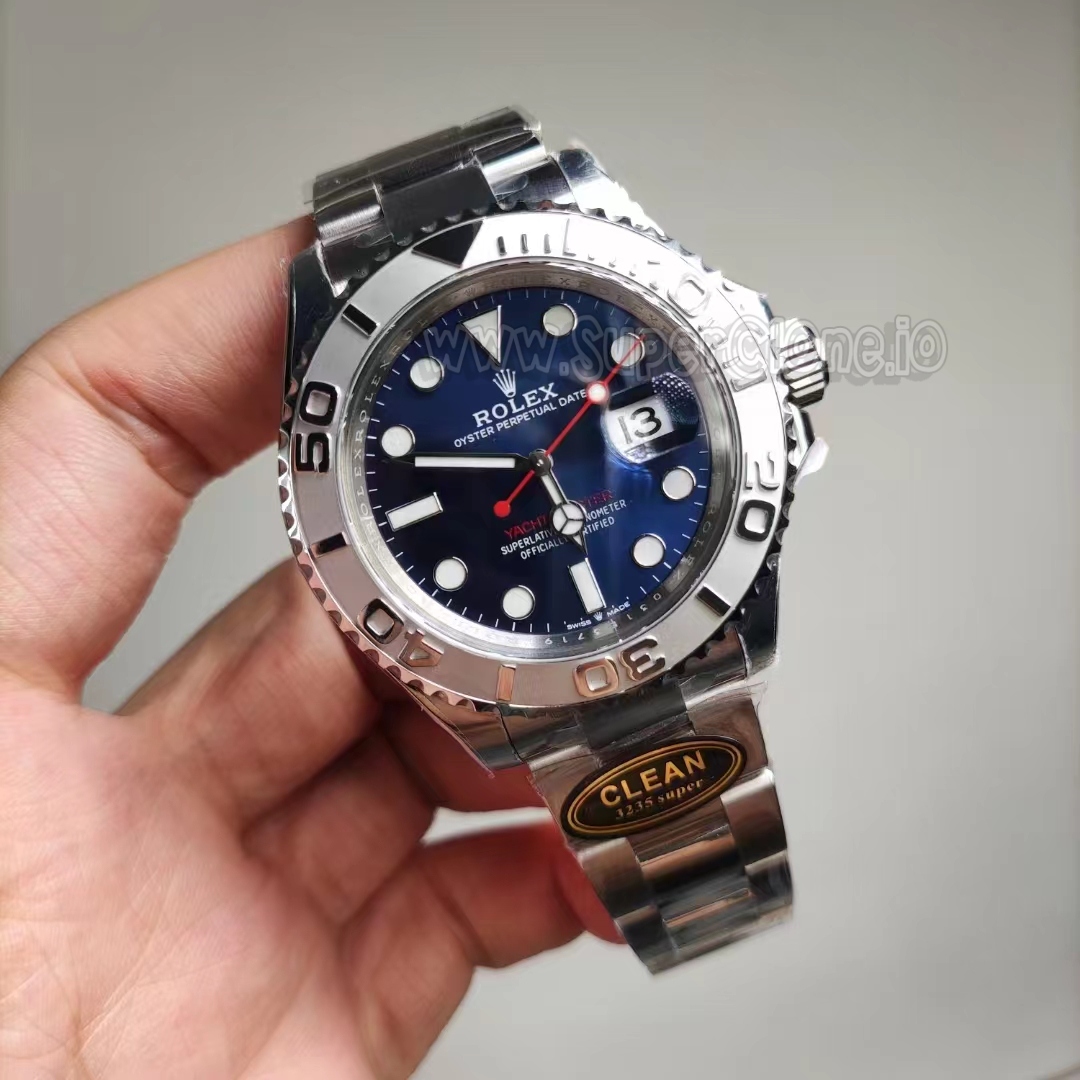
Replicating the blue Yacht-Master accurately is a notorious headache for factories. The primary challenge is not the dial color itself, but the complex visual relationship between the sunburst blue dial tone and the frosted, platinum-style bezel insert. These two components exist in constant visual tension on the genuine watch, and balancing that contrast correctly is what separates a convincing build from something that looks like a replica from arm’s length. Older generations almost always failed here in the exact same way: the dial came out way too vibrant, making the bezel appear flat, gray, and dull. The cold luxury character of the genuine piece simply vanished.
Clean handled this color dynamic with much higher restraint on this version. The blue dial sits noticeably darker and deeper, avoiding the oversaturated look that plagued earlier industry attempts. Combined with the highly reflective hour marker surrounds and properly polished hands, the overall watch finally begins achieving that multi-layered, metallic visual depth that previous replicas consistently missed. It is a massive step forward in capturing the genuine piece’s wrist presence.
Gray Dial: Where Restraint Becomes the Challenge
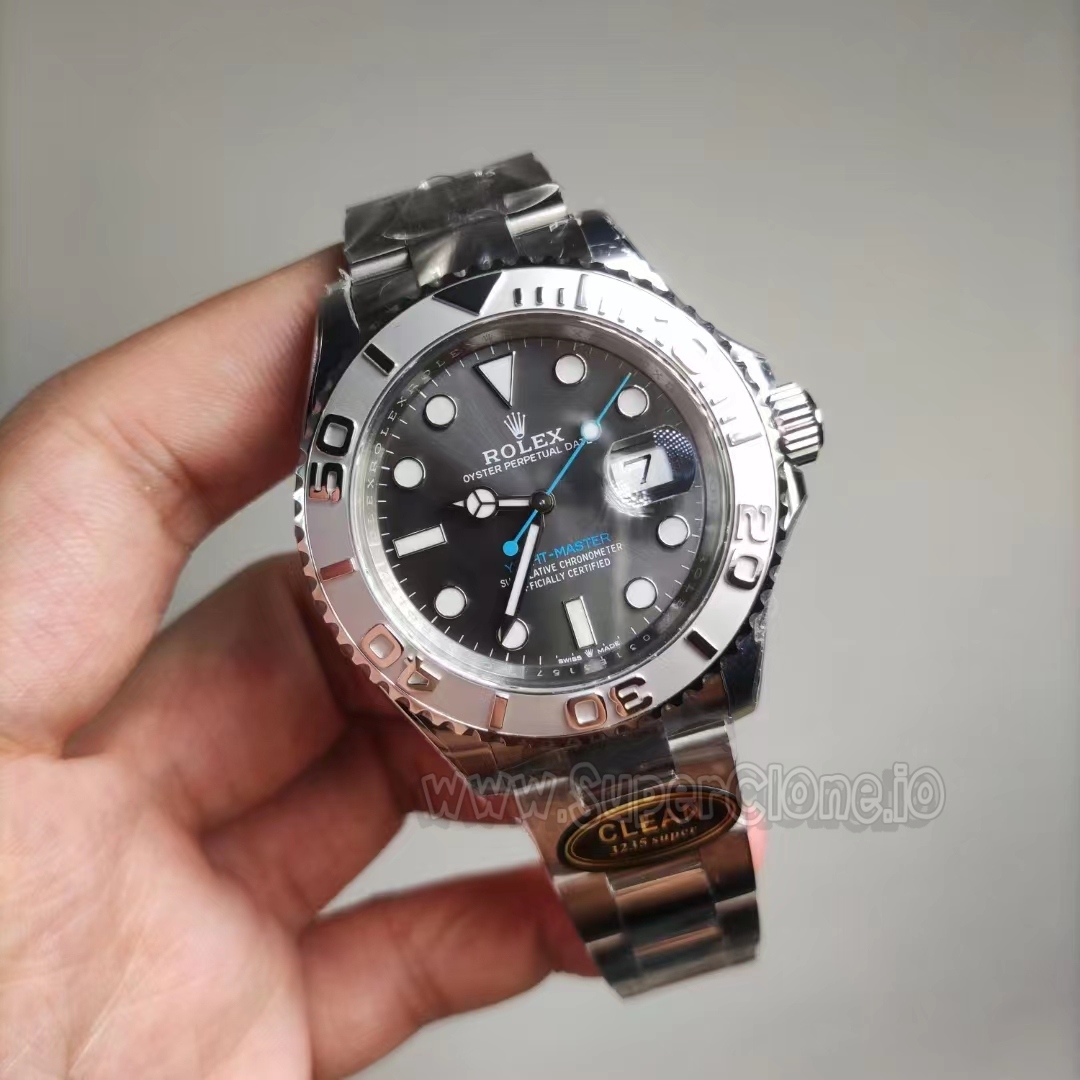
The slate gray dial variant remains the true litmus test for Clean’s capabilities, and also the most technically demanding to execute. This model depends entirely on monochrome balance and absolute restraint. The genuine Rolex Yacht-Master with the gray dial does not rely on flashy details to communicate luxury; everything comes down to subtle color control between the rhodium dial tone, the frosted bezel background, and the popping ice-blue seconds hand. If even one component shifts too warm, too bright, or too reflective, the entire illusion falls apart instantly.
This is exactly where historical versions stumbled—yielding bezels with a faint yellowish cast or dials that turned almost white under bright sunlight. Clean’s new bezel finish shows significant refinement over their early GMT-Master II ceramic work. The raised, polished numerals on the insert diffuse ambient light much more softly now, producing a result that is considerably closer to the platinum tone found on the genuine Yacht-Master. While a replica will never completely reproduce the microscopic density of solid precious metal under direct macro lens inspection, it finally avoids the fake, bright silver appearance that made older versions so immediately identifiable.
Rose Gold: The Case Finishing Question
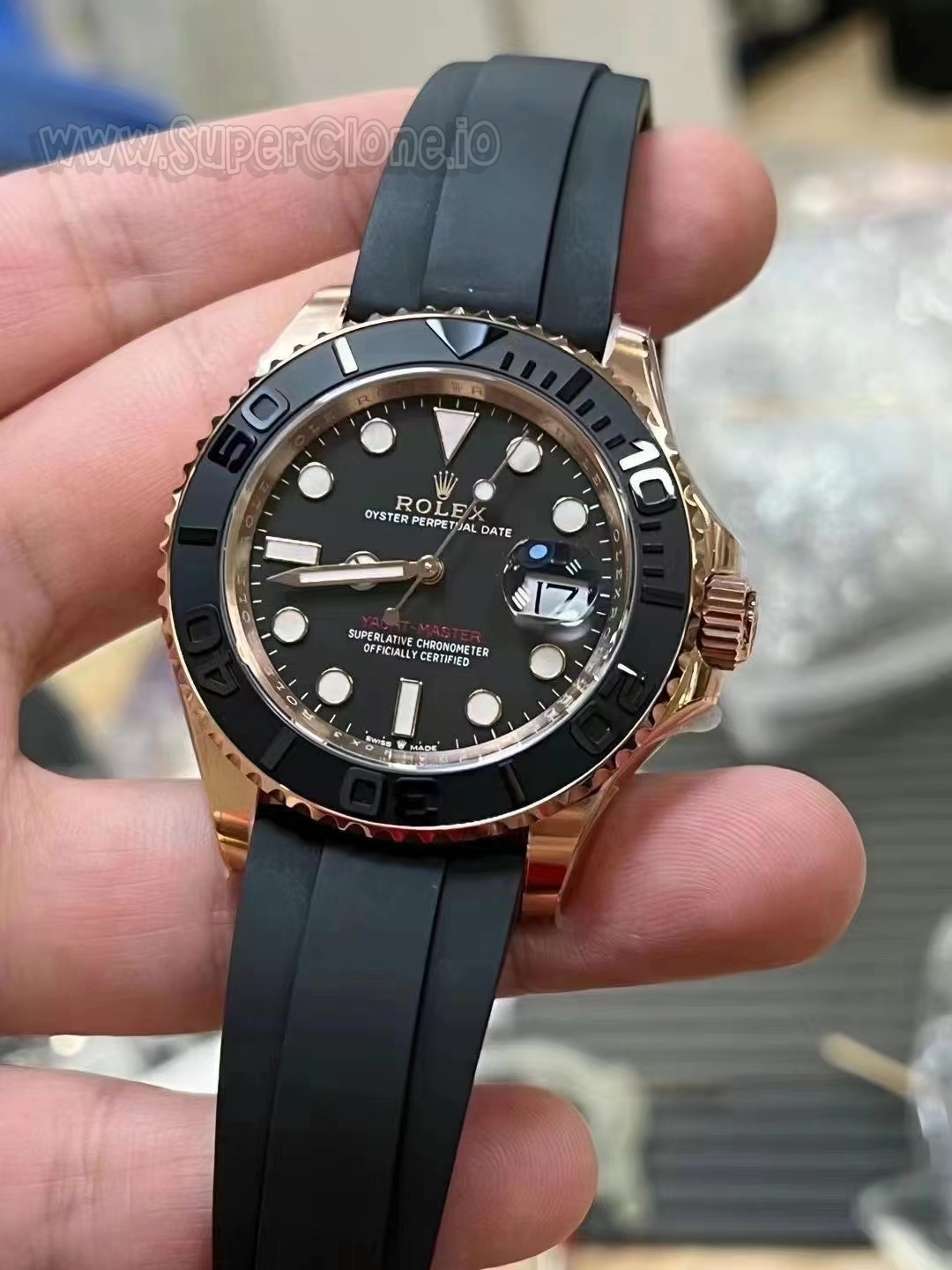
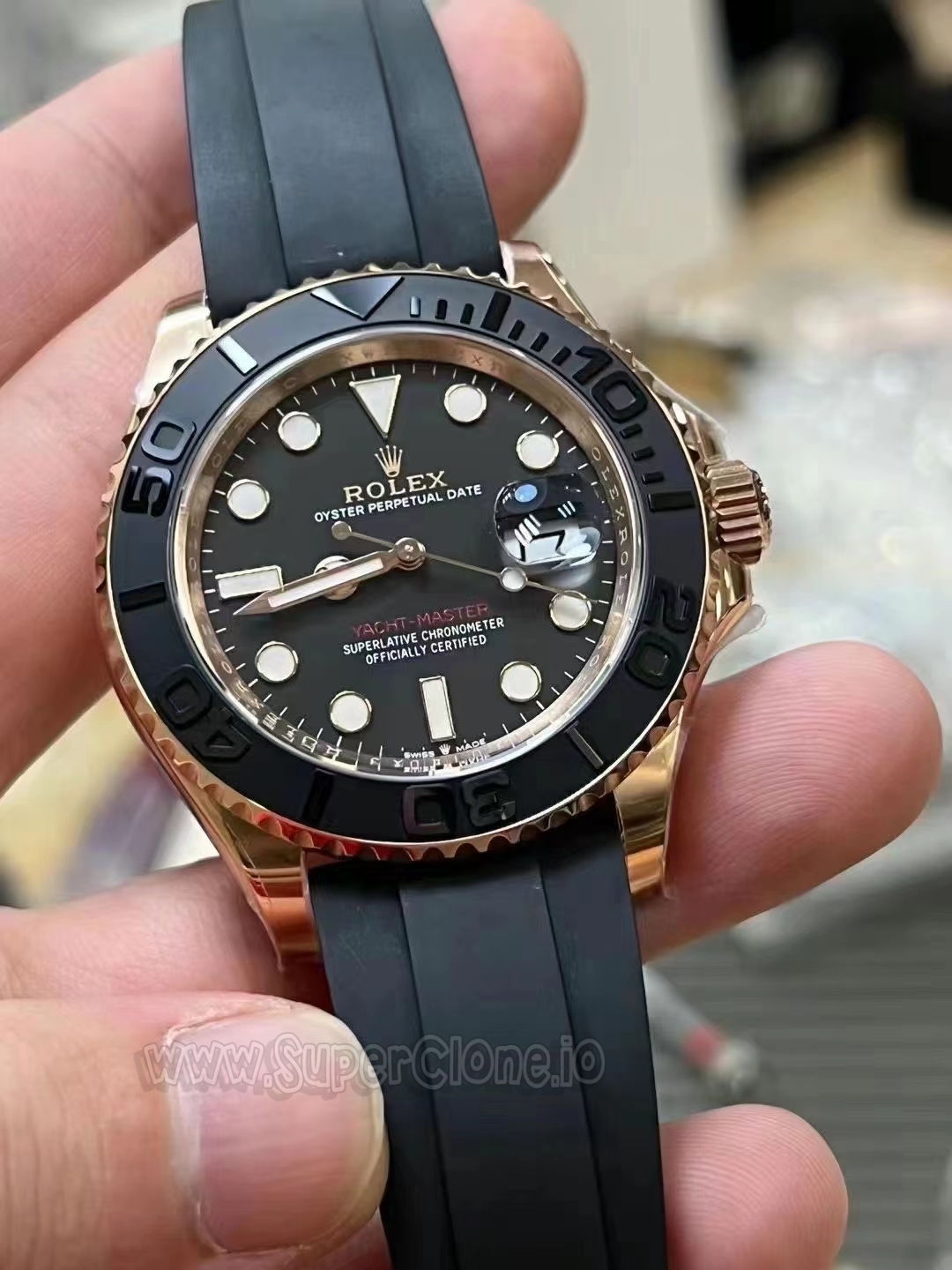
The Everose gold Yacht-Master highlights another massive leap forward: Clean’s mastery over complex case geometry. On precious metal sports models, the ultimate pitfall is rarely the initial gold plating tone; it is the crispness of the transitions where the brushed surfaces meet the mirror-polished flanks. The Yacht-Master profile is notoriously curvier than a standard Submariner, featuring sweeping lugs that require incredibly precise edge-finishing to avoid looking bulky, bloated, or chemically rounded during the plating process.
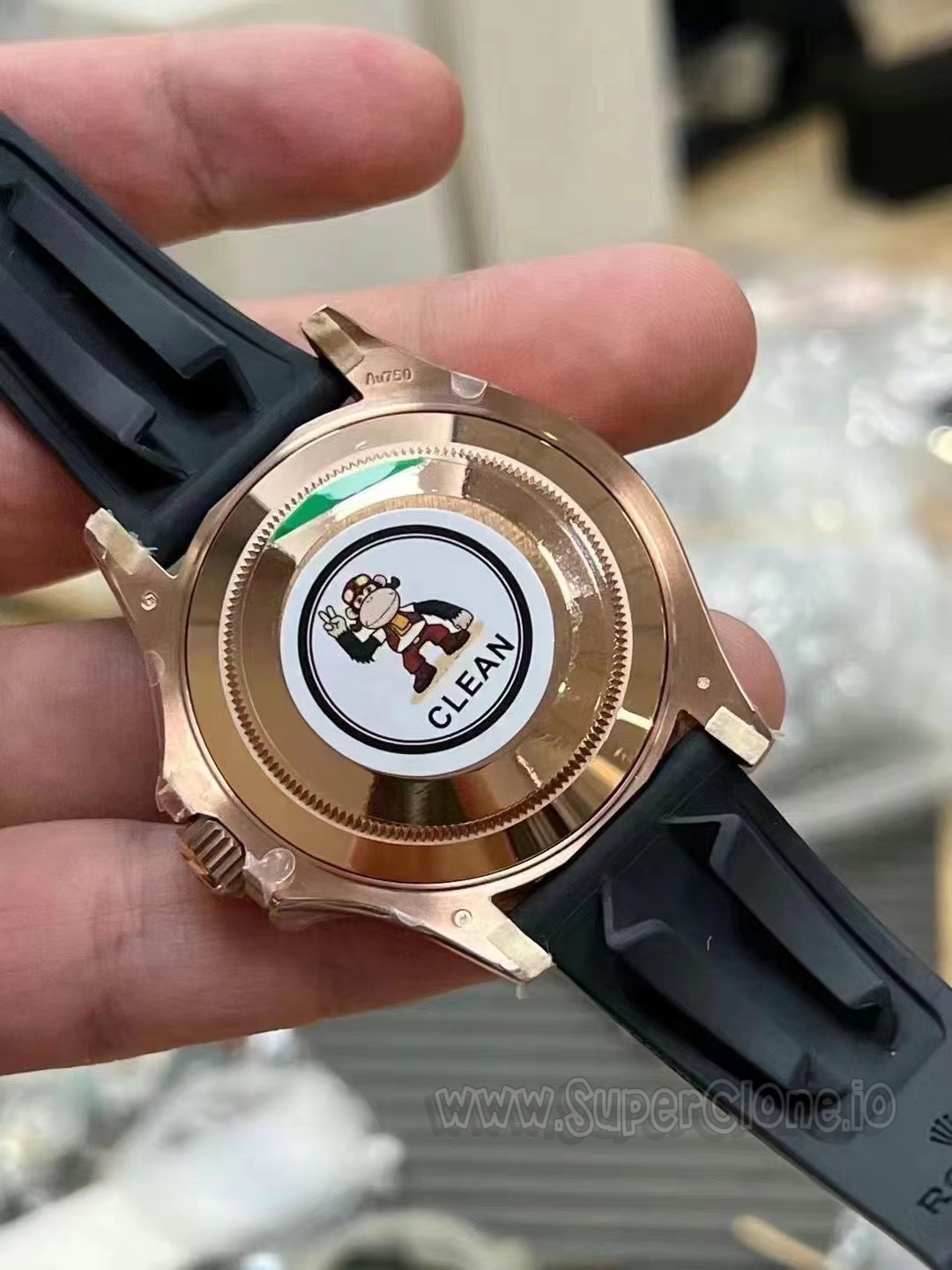
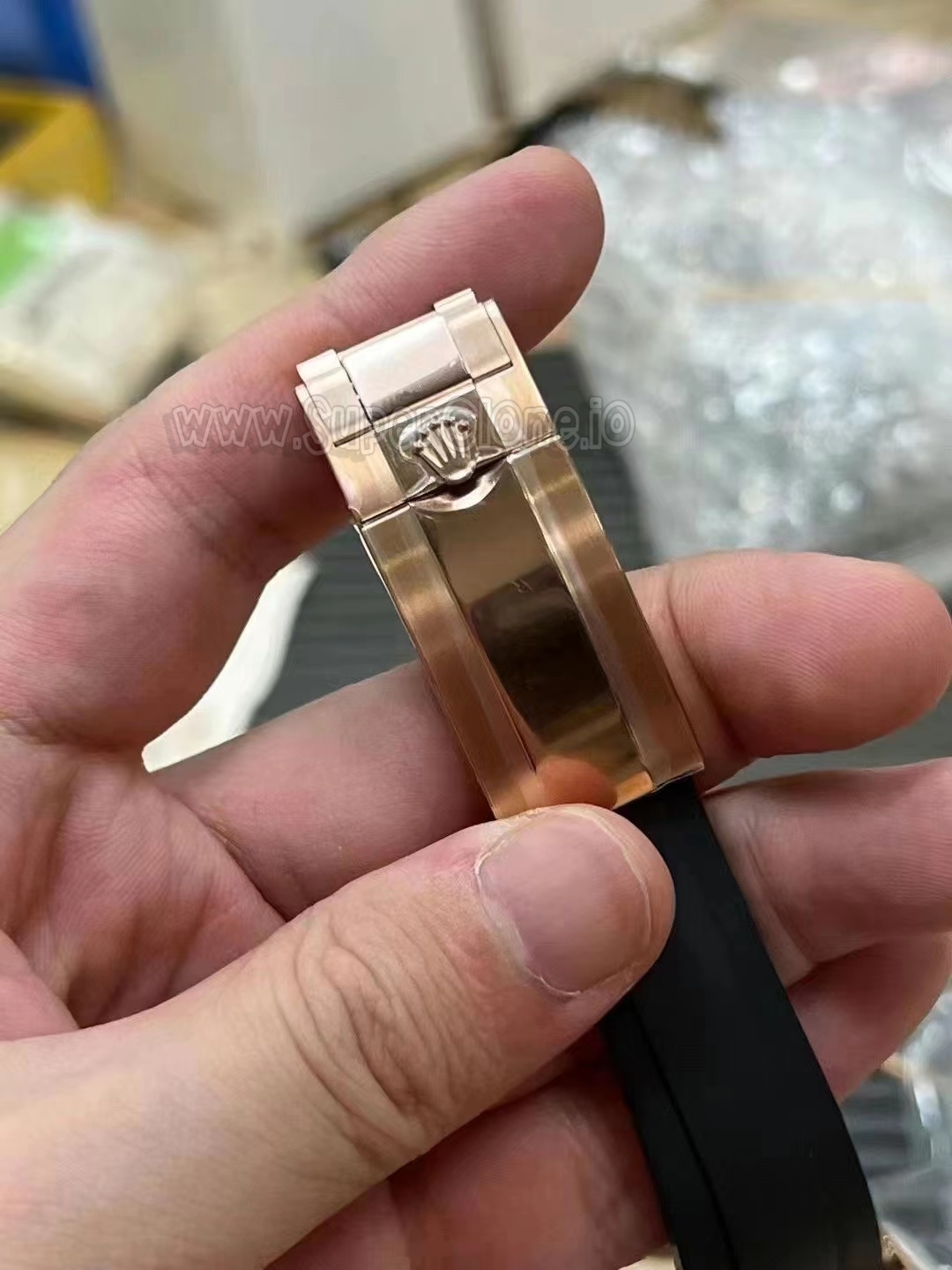
Compared to earlier generations, this version shows noticeably smoother, more fluid case lines. The lug profiles show beautifully executed downward slopes rather than harsh, blocky machine cuts. Furthermore, the integration point where the Oysterflex-style rubber strap meets the mid-case is exceptionally tight. Casual buyers rarely check end-link integration, but serious enthusiasts know that a sloppy, gappy fitment on a rubber-clad Rolex instantly ruins the high-end profile of the watch.
The Daytona Line Continues Expanding in Less Predictable Directions
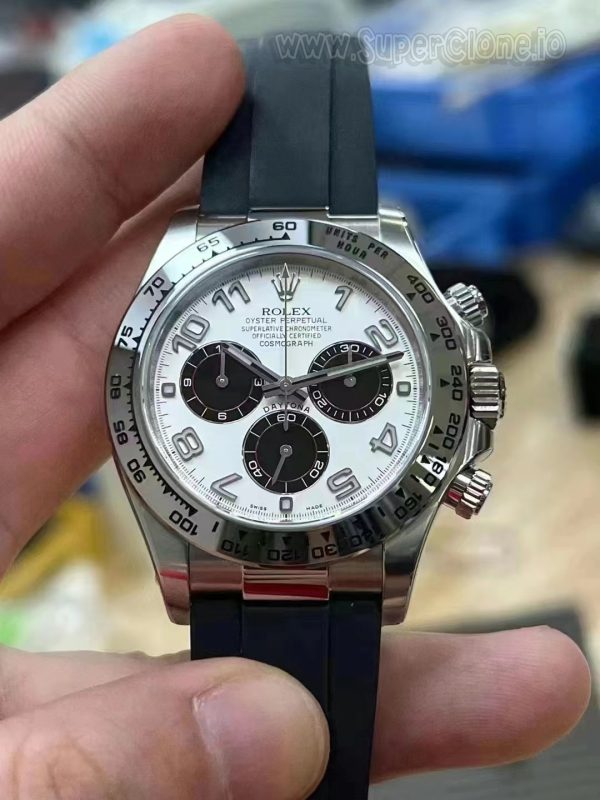
Beyond the Yacht-Master releases, the Daytona continues to stand as the crown jewel of Clean Factory’s current catalog. Over the past year, they have systematically locked down the chronograph market with their Panda configurations, Le Mans editions, Oysterflex variants, and heavy precious metal builds. Their latest white Arabic dial Daytona continues this momentum, offering a genuinely refreshing alternative to the saturated Panda references that usually dominate forum conversations.
Where most factories default to the safest, highest-volume commercial configurations, Clean has shown a willingness to invest in niche dial layouts and collector-grade combinations. This indicates an overarching strategy: they are no longer just pushing individual hot sellers; they are constructing an exhaustive, comprehensive Daytona portfolio tailored to diverse aesthetic preferences rather than offering the same popular model in slightly different colorways.
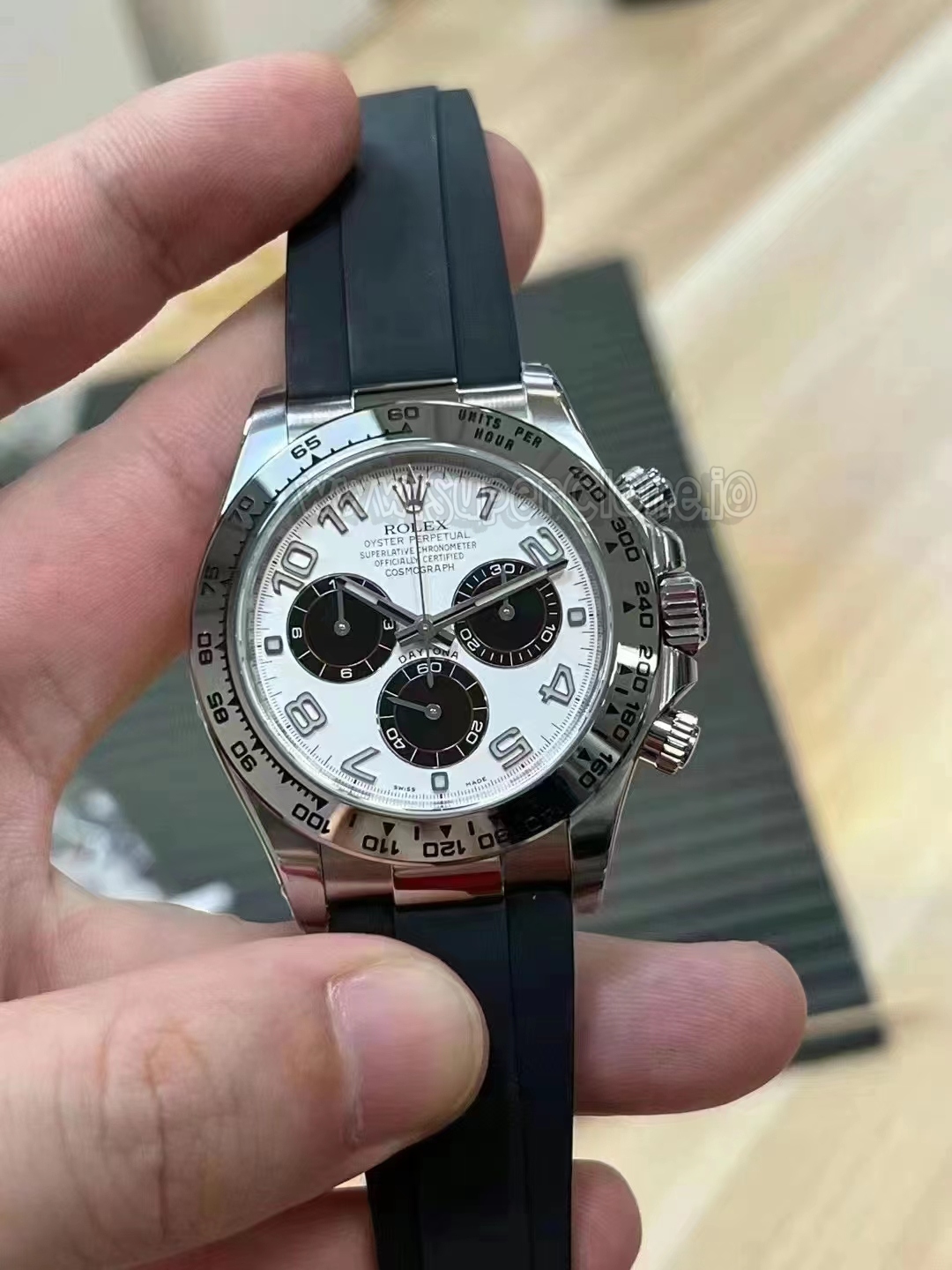
The visual draw of this specific Daytona lies in the stark contrast generated between the clean white backdrop, the crisp black Arabic numerals, and the textured black Oysterflex strap. Many modern Daytona replicas suffer from severe visual overload due to busy sub-dial layouts, oversized typography, or excessive color combinations that compete with each other. This white dial version feels considerably cleaner and more balanced, delivering high daily wearability compared to the louder configurations currently on the market.
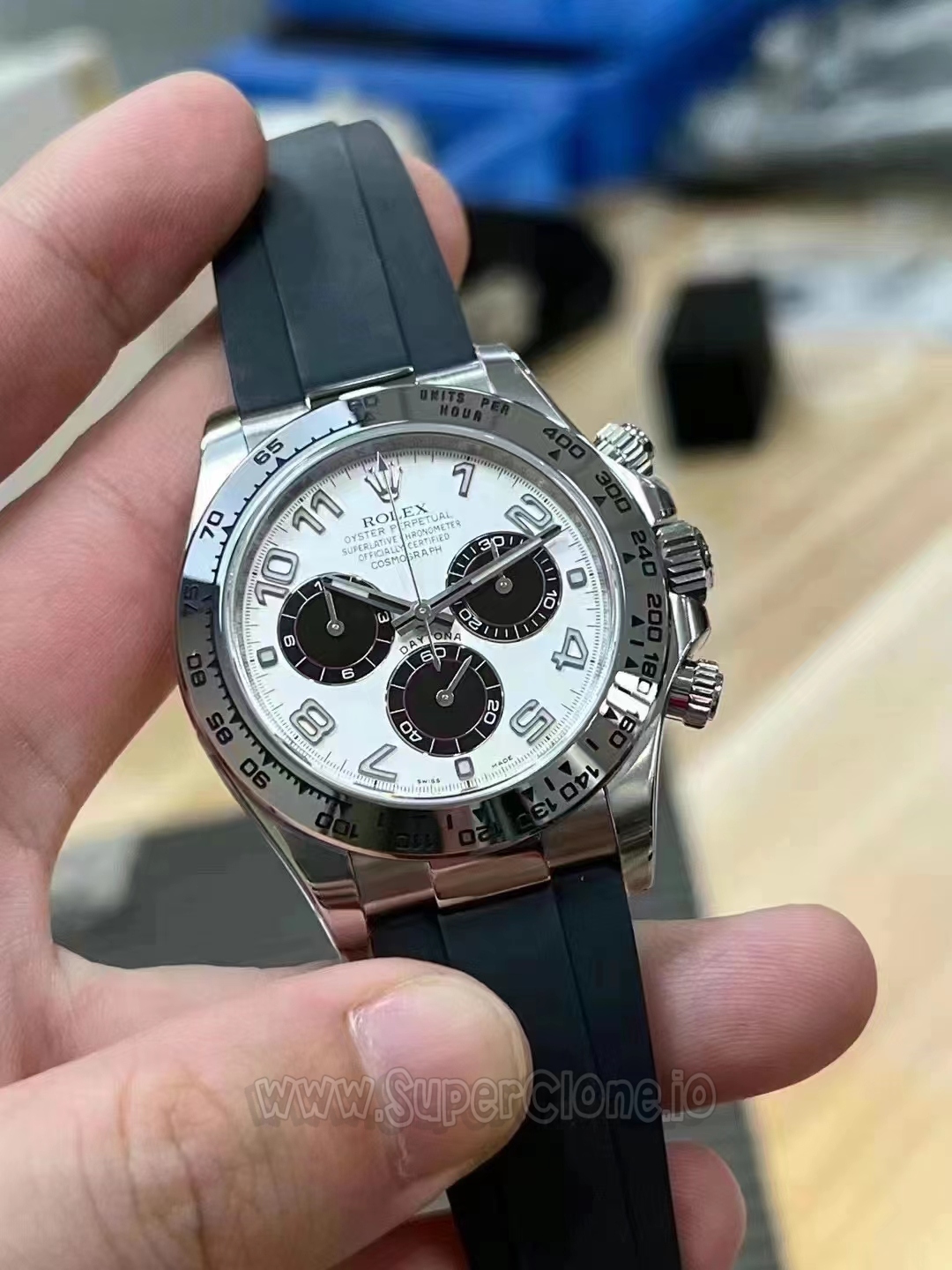
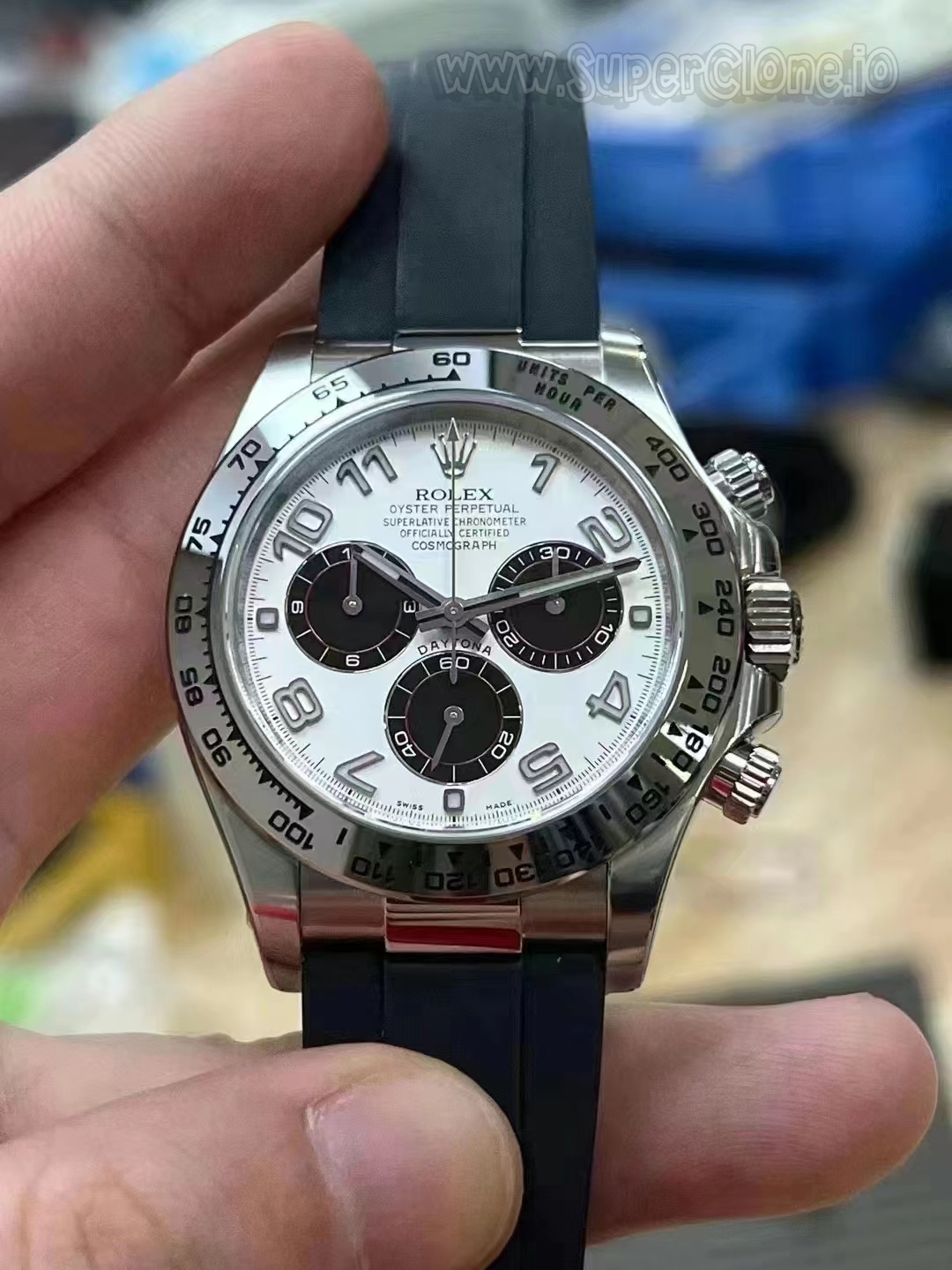
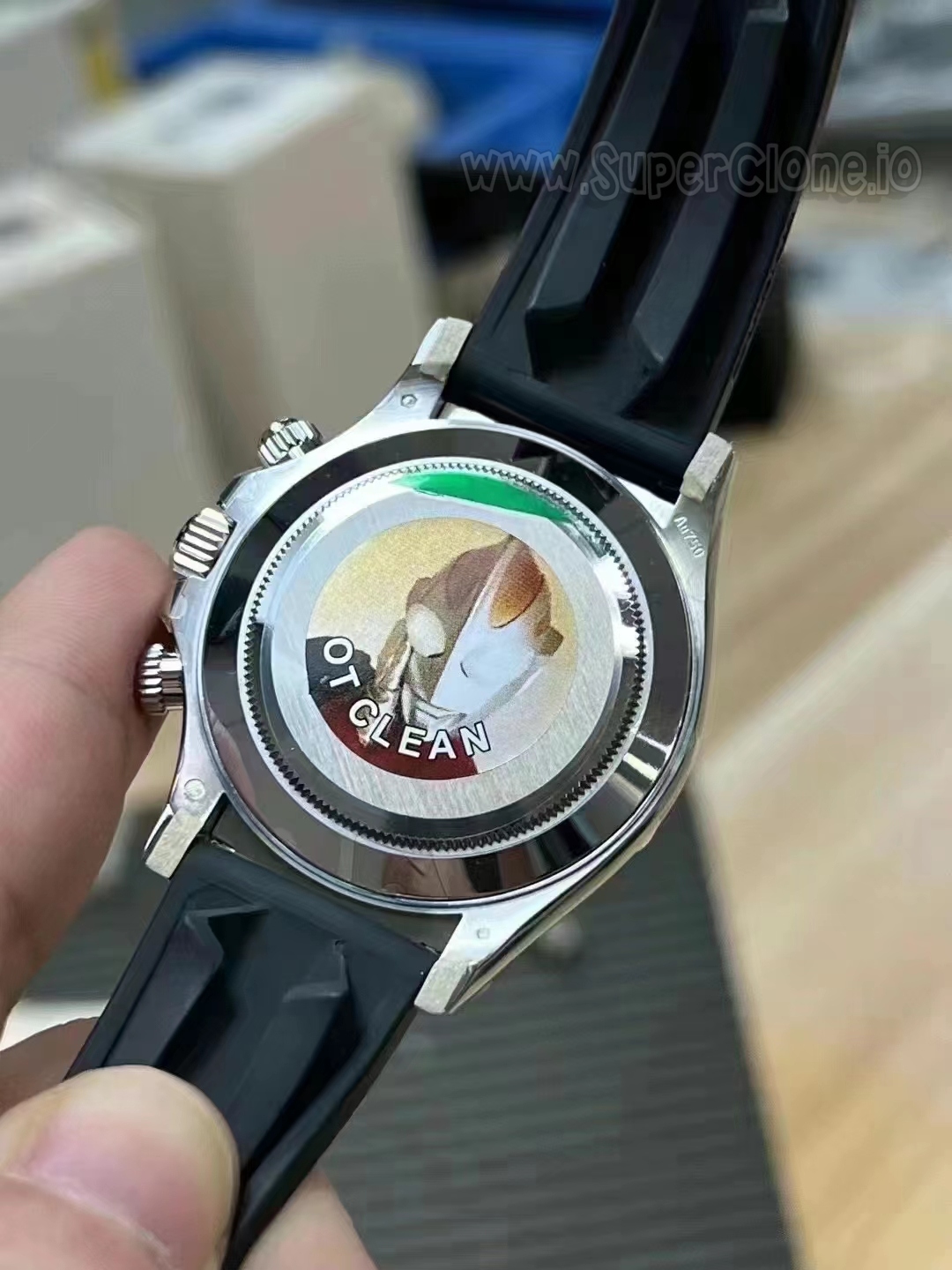
An equally important technical update here is the profile thickness. Historically, clone Daytonas often suffered from bloated side profiles—a massive giveaway on Oysterflex builds where the entire mid-case flank remains fully exposed to view. Clean’s refined case cutting brings the overall thickness right down to correct proportions, matching the slim appearance of the genuine watch. This geometric accuracy is a major reason why collectors now treat Clean Daytonas as permanent, long-term cornerstones of their collections rather than temporary placeholders.
VS Factory and the Hulk: A Bezel Question That Raises Bigger Questions
The most heavily analyzed single update over the past week or two has probably been VS Factory and the 40mm Hulk Submariner 116610LV. A wave of identical observations started appearing across multiple forums almost simultaneously: new batches of the VSF Hulk appear to be fitted with the latest-generation green ceramic bezel inserts previously associated exclusively with Clean Factory. The reason this matters goes way beyond basic aesthetics.
VS has always held the upper hand in terms of internal movement performance and mechanical execution. Their proprietary clone 3135 engine remains the gold standard for winding feedback, silent rotor action, and crisp time-setting engagement. However, the exact shade of green on the ceramic insert was consistently their Achilles’ heel on the Hulk. Older VSF bezels tilted slightly too dark under indoor lighting and lacked that vivid, platinum-style marker reflection that makes the genuine Rolex Hulk so visually distinctive under daylight. Meanwhile, Clean’s newer ceramic bezels earned a legendary reputation specifically because the engraved markers reflected light more naturally and produced a noticeably stronger platinum tone appearance. They solved the optical problem that VS couldn’t.
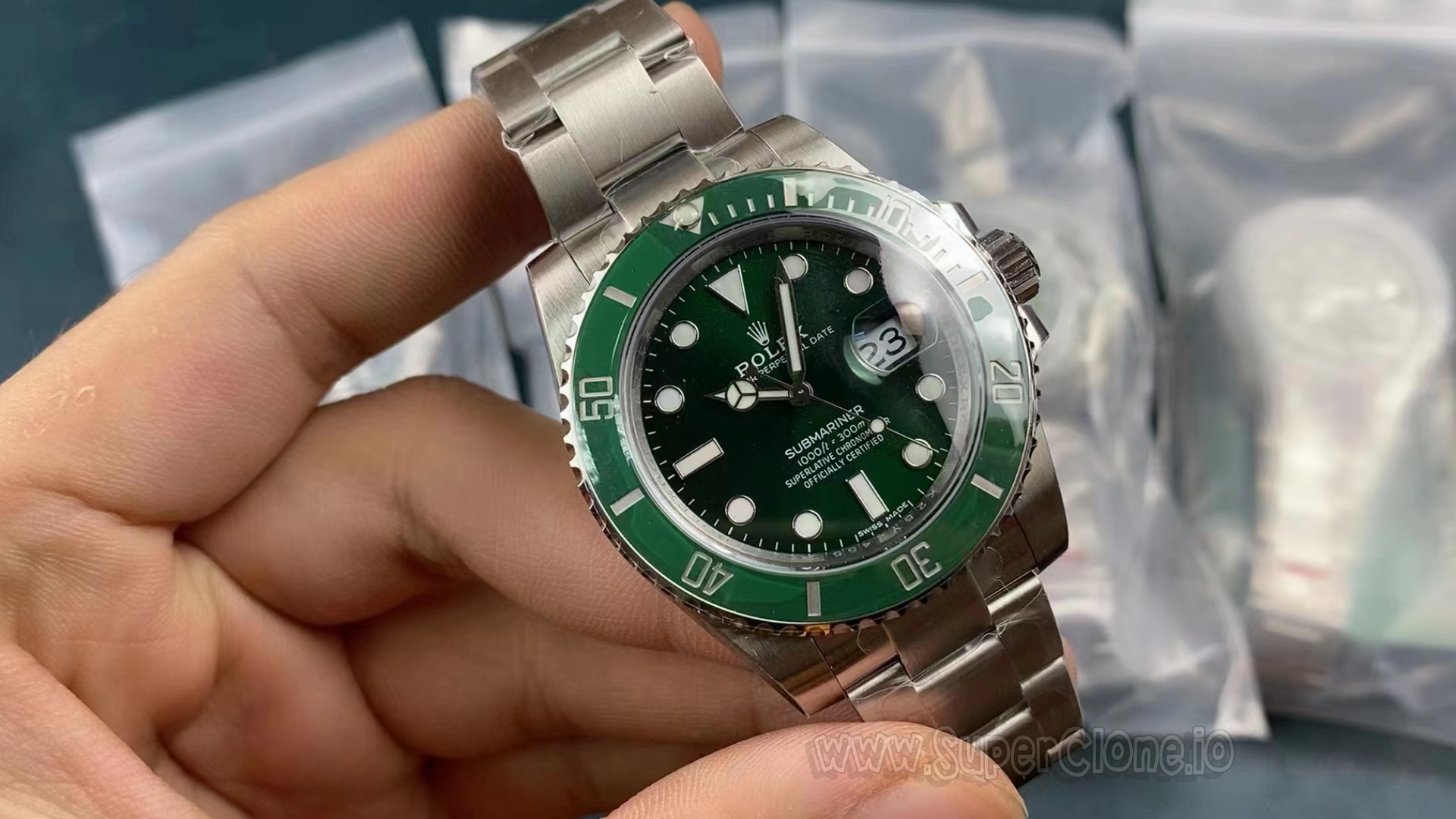
Naturally, this hybrid appearance has sparked intense speculation across RWI and Reddit. Given that Clean and VS are fierce, direct competitors fighting for the exact same customer base, it seems highly unlikely that Clean would openly supply their premier bezels to a competing factory. The prevailing theory among veteran modders is that these upgraded Hulks might actually be specialized hybrid builds or custom-component assemblies orchestrated outside normal factory channels by elite third-party distributors, rather than an official factory update. This cross-pollination of parts is becoming standard practice in the high-end scene: one workshop mills the case, another fires the ceramic chemistry, and a third party handles final assembly. Because of this reality, experienced collectors today pay considerably less attention to factory stickers and marketing photos. Instead, they focus entirely on specific physical details: bezel color consistency, pearl alignment, lug finishing quality, and clasp weld cleanliness. These are the details that reveal how a watch was actually built rather than how it was marketed.
APS Factory and the Royal Oak 15400 V3
The final major frontline update worth examining comes from APS Factory and their latest V3 Royal Oak 15400. For years, the 15400 market was defined primarily by a long-running, two-way slugfest between APS and ZF. ZF historically held the crown for overall external finishing stability and surface consistency, while APS established their reputation around their groundbreaking super clone 3120 movement.
The APS 3120 deserves some technical credit because its importance is not immediately obvious to casual buyers. This is not a cheap Miyota 9015 dressed up with superficial, glued-on decorative plates that flake off over time. The entire gear train architecture, balance bridge placement, and solid gold-plated rotor are engineered from the ground up to mirror the genuine AP caliber. Consequently, collectors who value mechanical authenticity and open caseback accuracy have steadily drifted toward the APS camp.
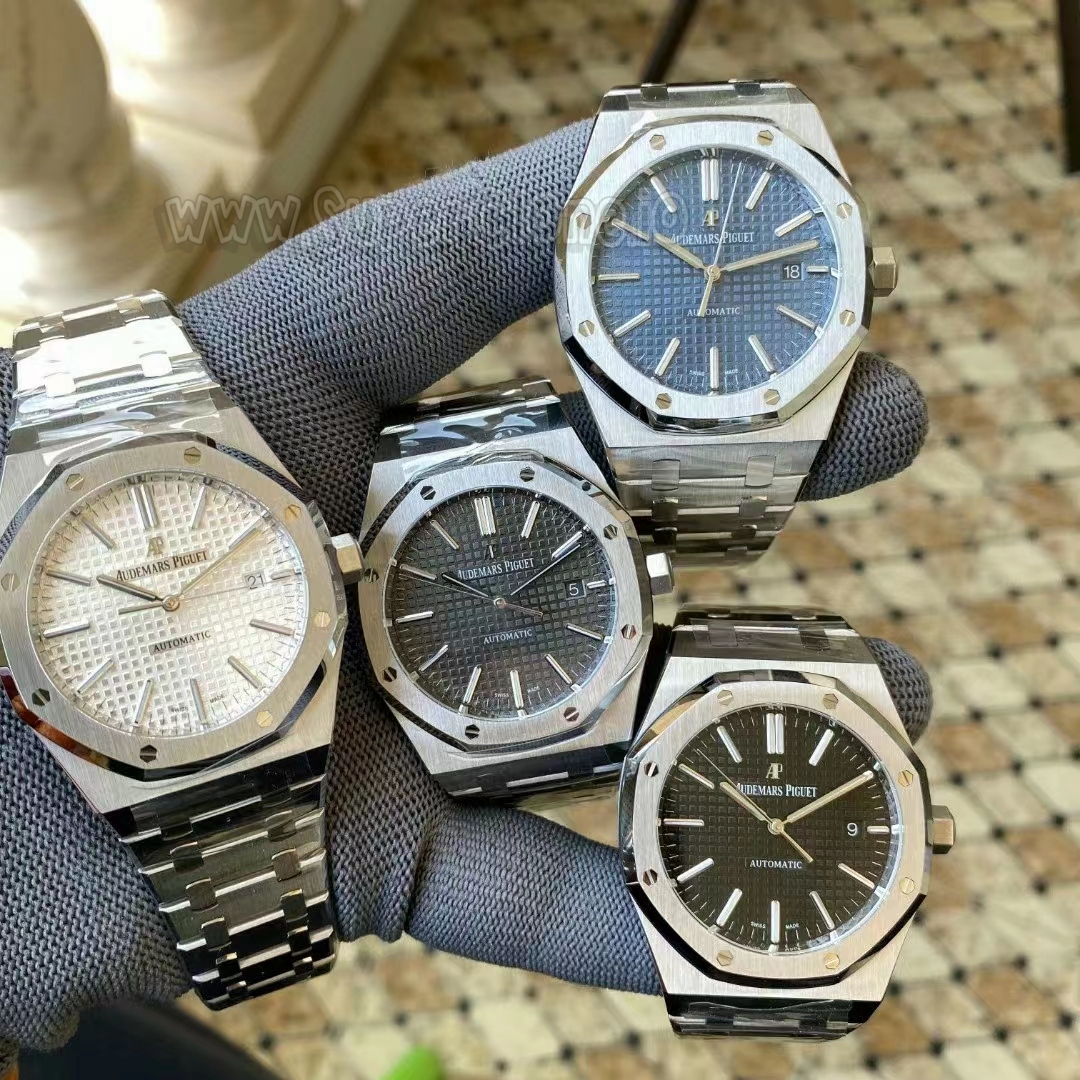
With this new V3 iteration, APS has directed their focus toward resolving their historical weaknesses: the exterior case and bracelet finishing. Replicating a Royal Oak is incredibly unforgiving; the entire design language of the watch depends on absolute geometric precision, perfectly uniform vertical brushing, and razor-sharp, mirror-polished bevels along the case edges and individual bracelet links. When these surface relationships are executed poorly, the watch looks busy and confused rather than architecturally bold.
The V3 upgrade proves that APS listened to community feedback. The satin brushing across the bezel and integrated links is significantly finer and more consistent, completely eliminating the slightly coarse, grainy feel found on older V1 and V2 batches. They have also reworked the hand pinions to ensure a completely solid hand-axis center, removing that hollow look that used to catch direct lighting awkwardly. If APS keeps polishing these fine details at this velocity, they are on a direct path to completely shifting the balance of power in the Royal Oak market.
Summary and Market Outlook
The modern super clone market has officially evolved past basic aesthetics; it is no longer a race to see who can churn out a reference fastest. The latest iterations from Clean, VS, and APS across these core Yacht-Master, Submariner, and Royal Oak references prove that the factories surviving the long game are those committed to treating each release as an ongoing evolution. By focusing on microscopic tolerances—the color tension of a ceramic dial, the reduction of mid-case thickness profiles, and the structural integrity of clone movements—these makers are targeting the exact parameters that matter to enthusiasts months after the initial unboxing excitement has faded.
