
Clean Factory GMT-Master II Sprite and APS Royal Oak 15407 Openwork Face Off Against Shifting Supply Chains
The high-end watch replication landscape is no longer dictated by mere aesthetic mimicry. As optical comparators and micro-milling tech cross over into independent standard facilities, the dividing line between tier-one execution and average catalog filler comes down to micro-tolerances. This analysis isolates two distinct market disruptors: the left-handed Rolex GMT-Master II “Sprite” (Ref. 126720VTNR) from Clean Factory and the Audemars Piguet Royal Oak Double Balance Wheel Openwork (Ref. 15407) via APS Factory. Both releases reflect a broader industry trend where specialized caliber development clashes with factory-specific finishing limitations.
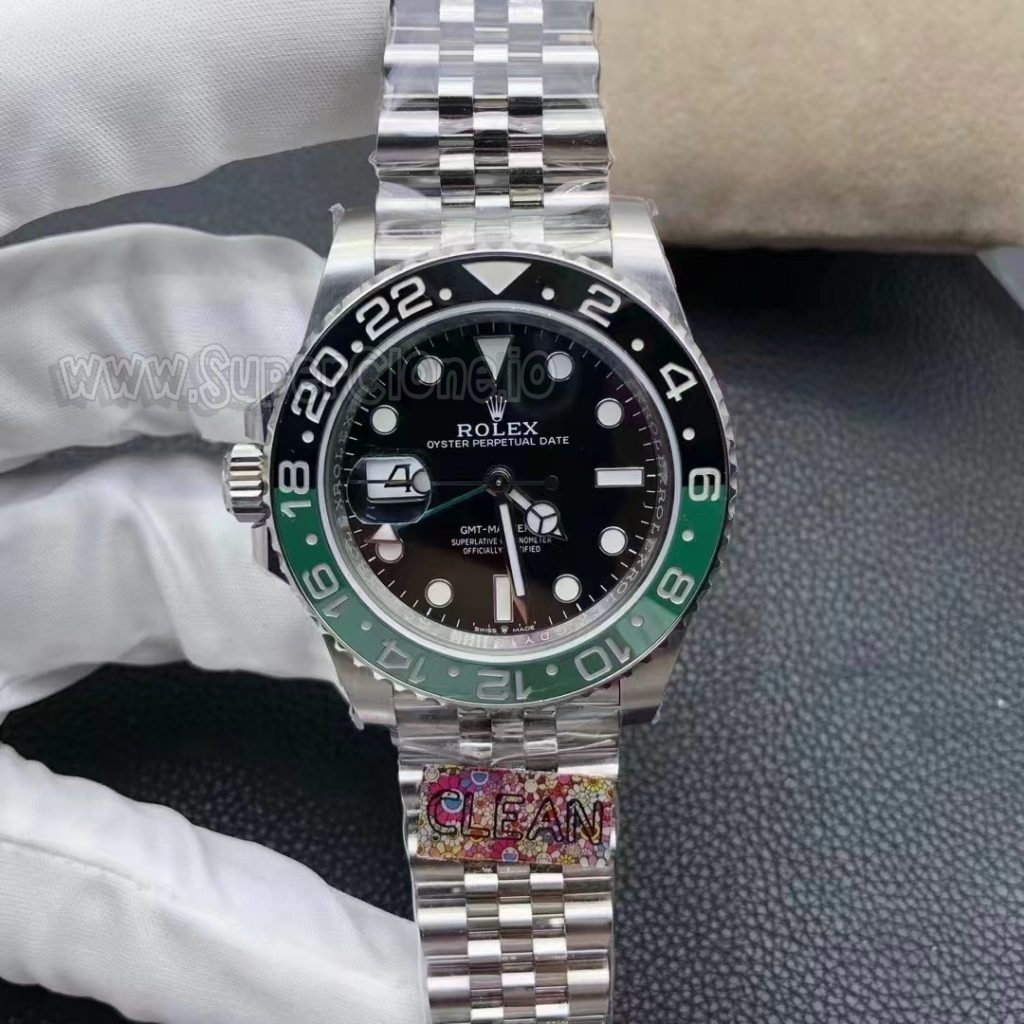
Cerachrom and Ergonomics: Clean Factory’s Left-Handed Gambit
Rolex’s unveiling of the Destro-configured GMT-Master II catch-up game sparked immediate volatility in production circles. Early, low-tier iterations floating around the $200 mark treated the 126720VTNR as a simple dial flip, completely botching the date wheel orientation and color split positions. While V9 Factory made an initial attempt at high-tier normalization, Clean Factory’s release leverages proprietary ceramic metallurgy to corner the market.
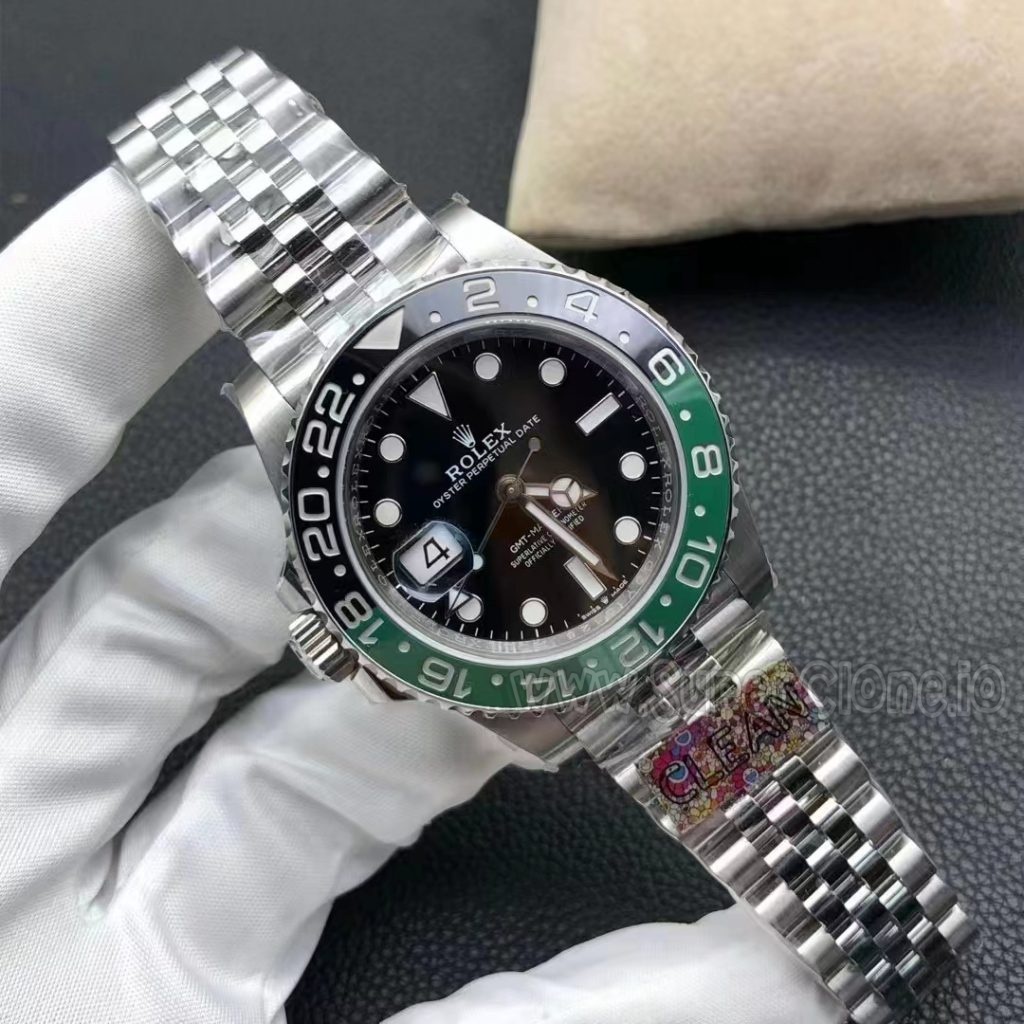
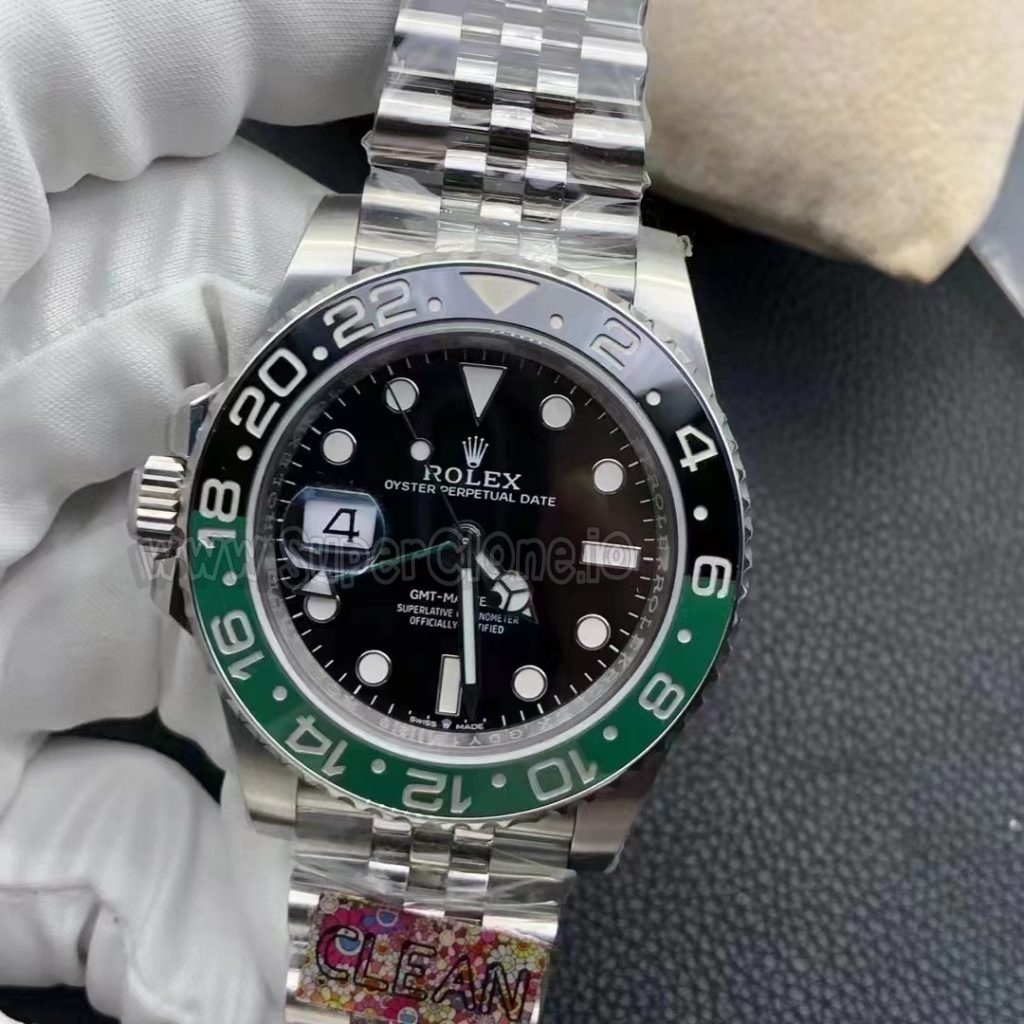
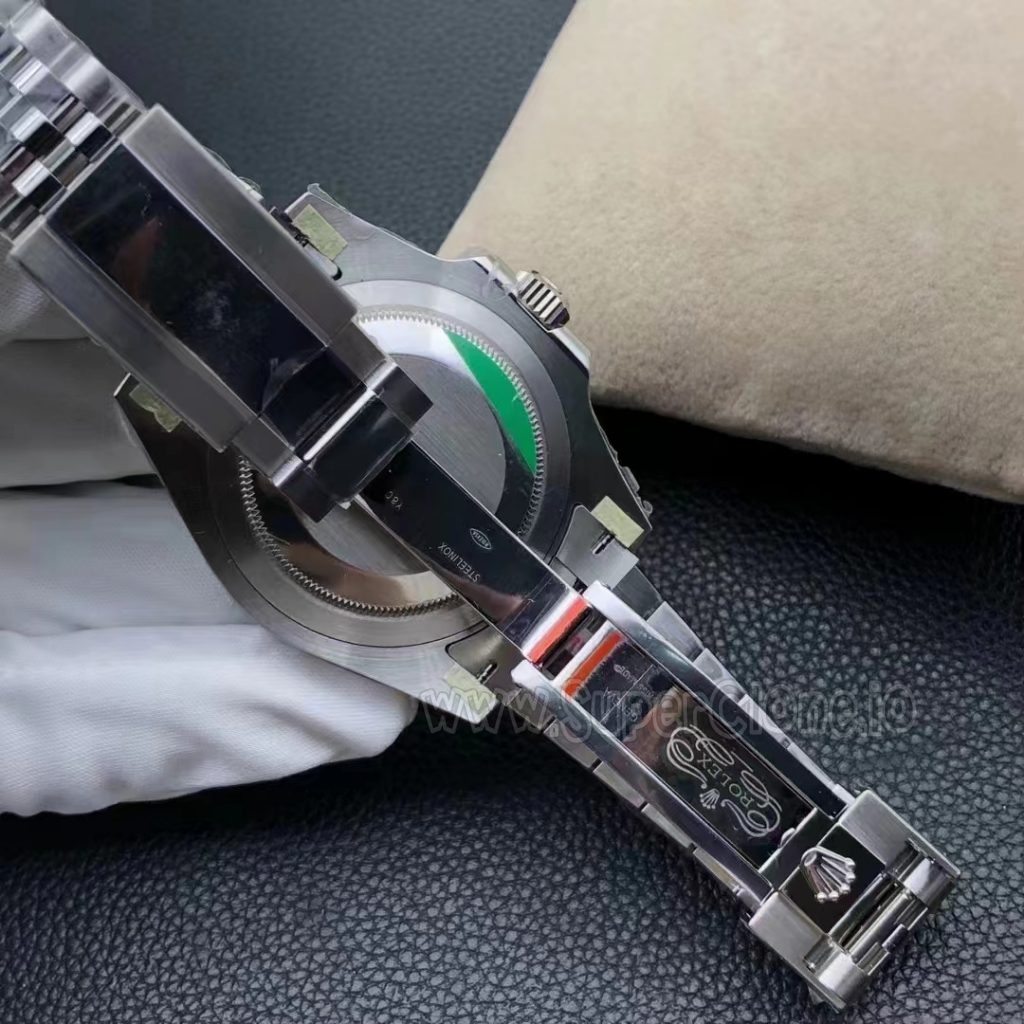
The core challenge of the Sprite insert rests on the green chemical compound’s tone and its exact boundary convergence with the black half. Having previously resolved the green color matching issues on the Submariner 116610LV “Hulk”, Clean maintains its edge here. The demarcation line between the 6 and 18 markers shows no bleeding or structural blurring under loupe inspection—a flaw that frequently ruins competitive batches. The 9 o’clock left-side crown layout provides an ergonomic benefit by preventing wrist bite, adapting a highly specific tool-watch asset into a contemporary design choice.
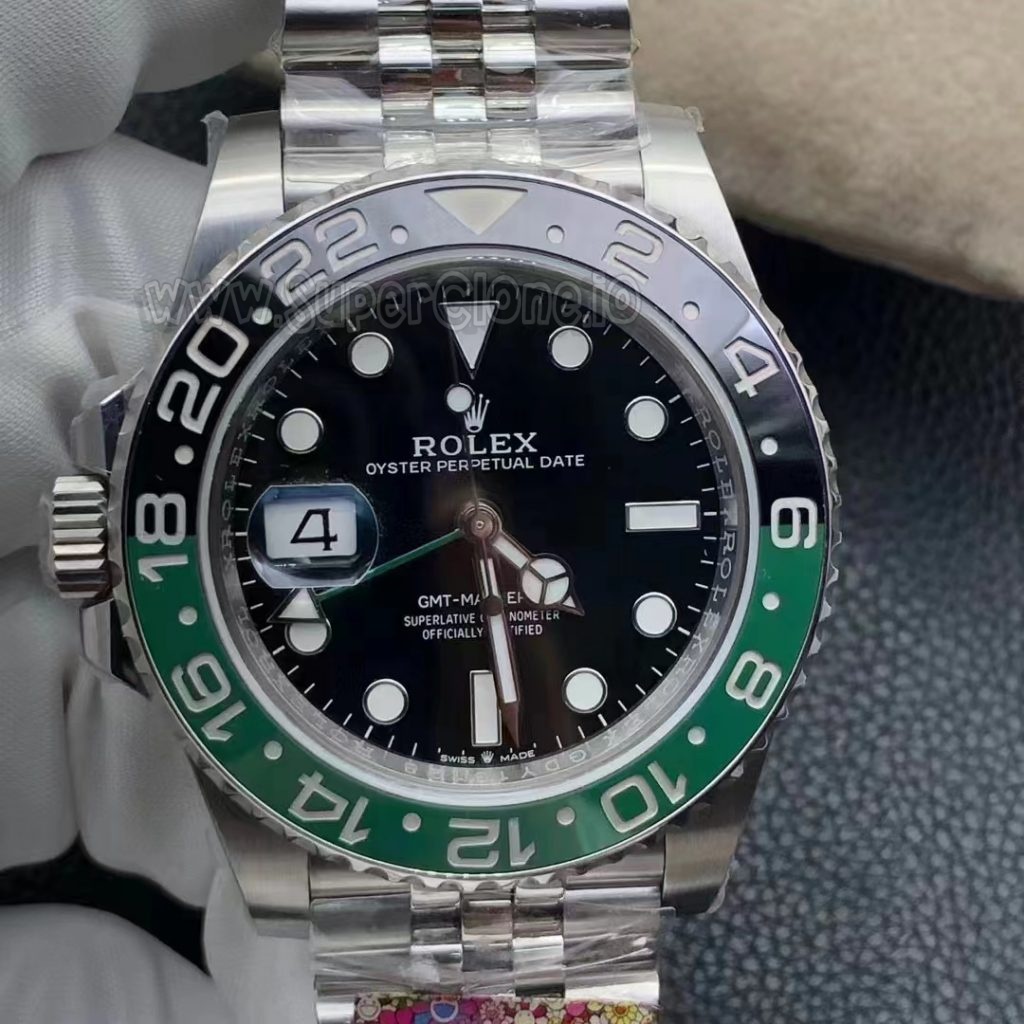
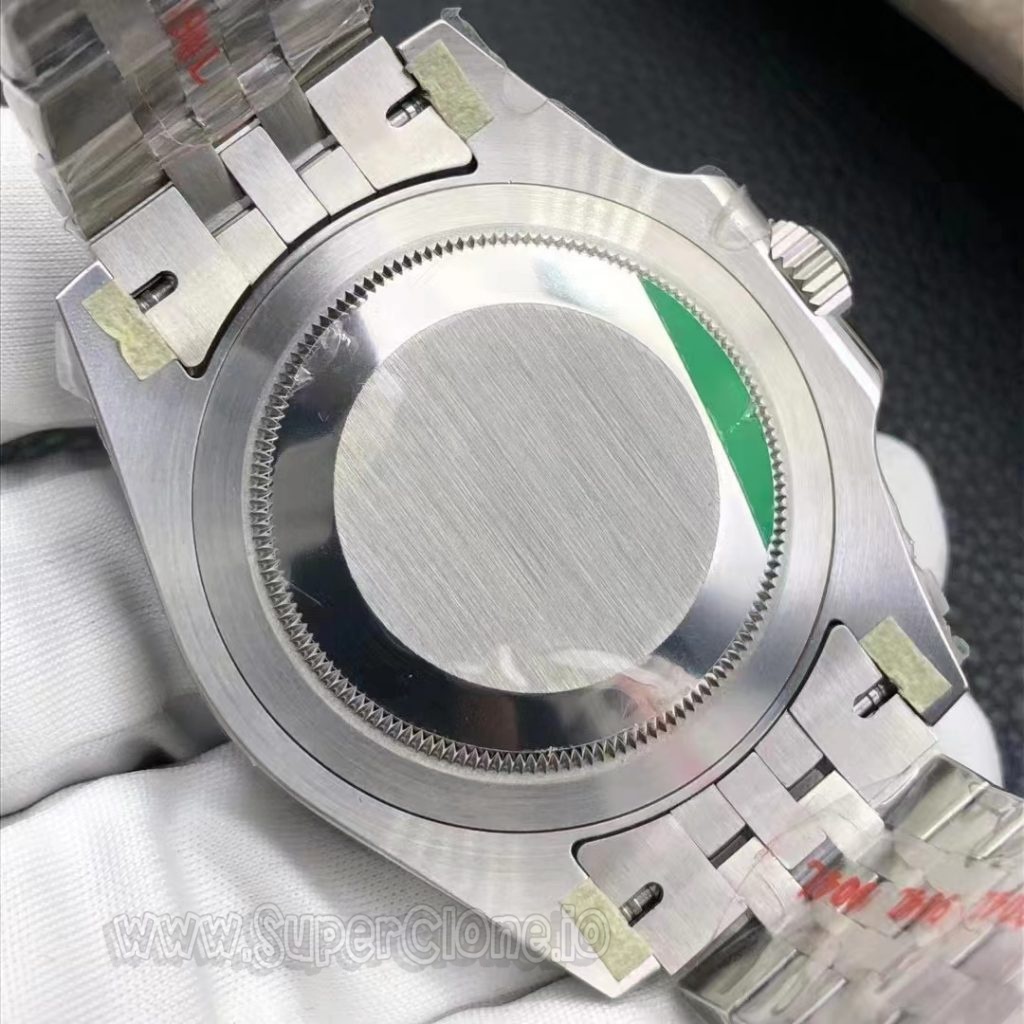
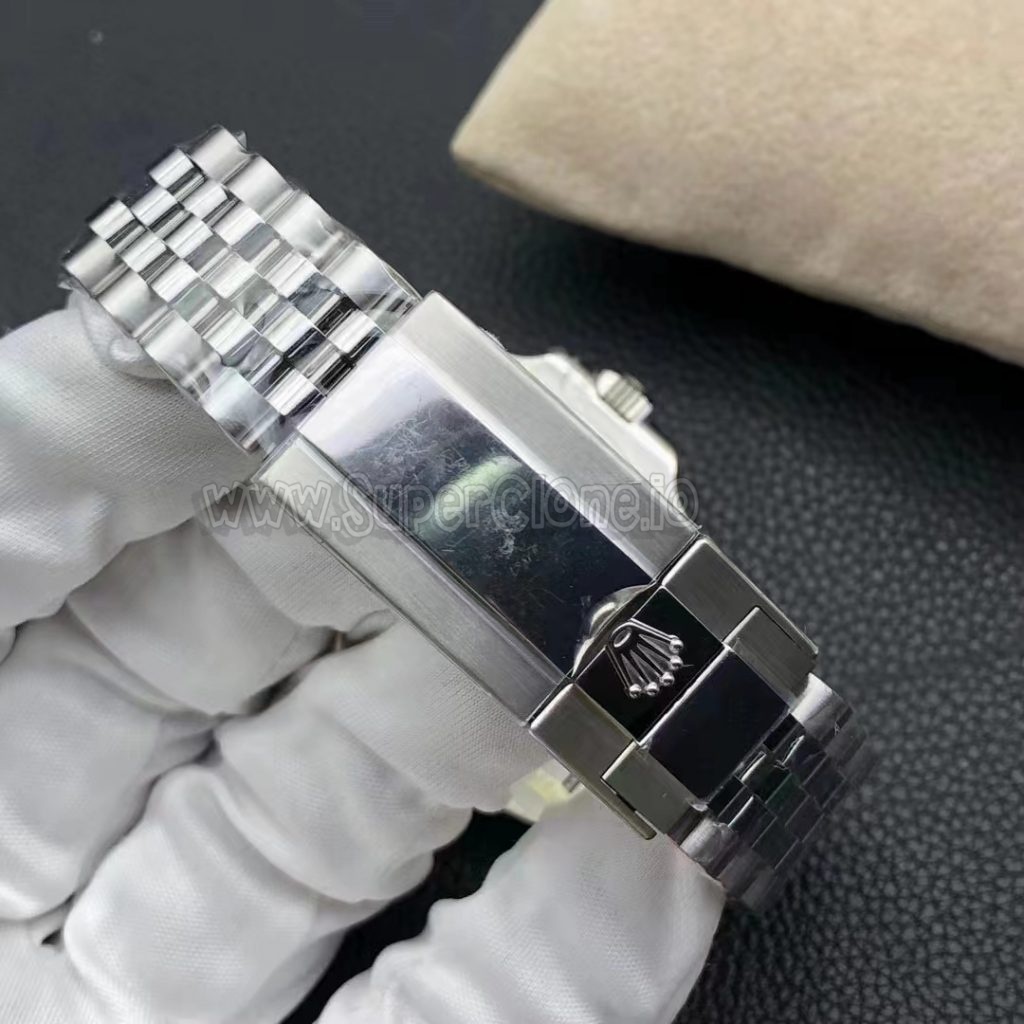
Constructed entirely from genuine 904L stainless steel, the 40mm case lines measure precisely 12.1mm in profile thickness. The black lacquer dial features correct modern generation markings, including the micro-printed coronet sitting centered between “SWISS” and “MADE” beneath the 6 o’clock index. True to form, a microscopic crown insignia is laser-etched directly into the sapphire base crystal at a specific 180-degree viewing angle.
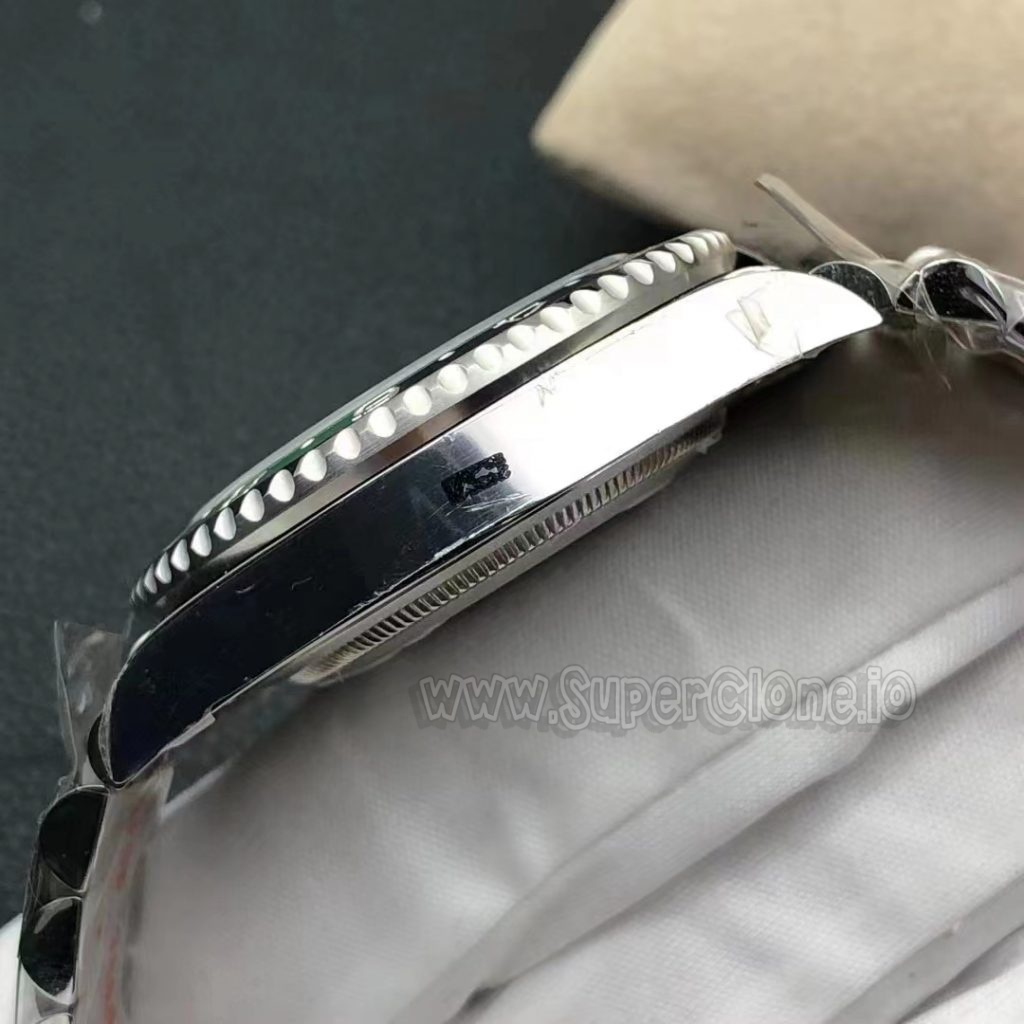
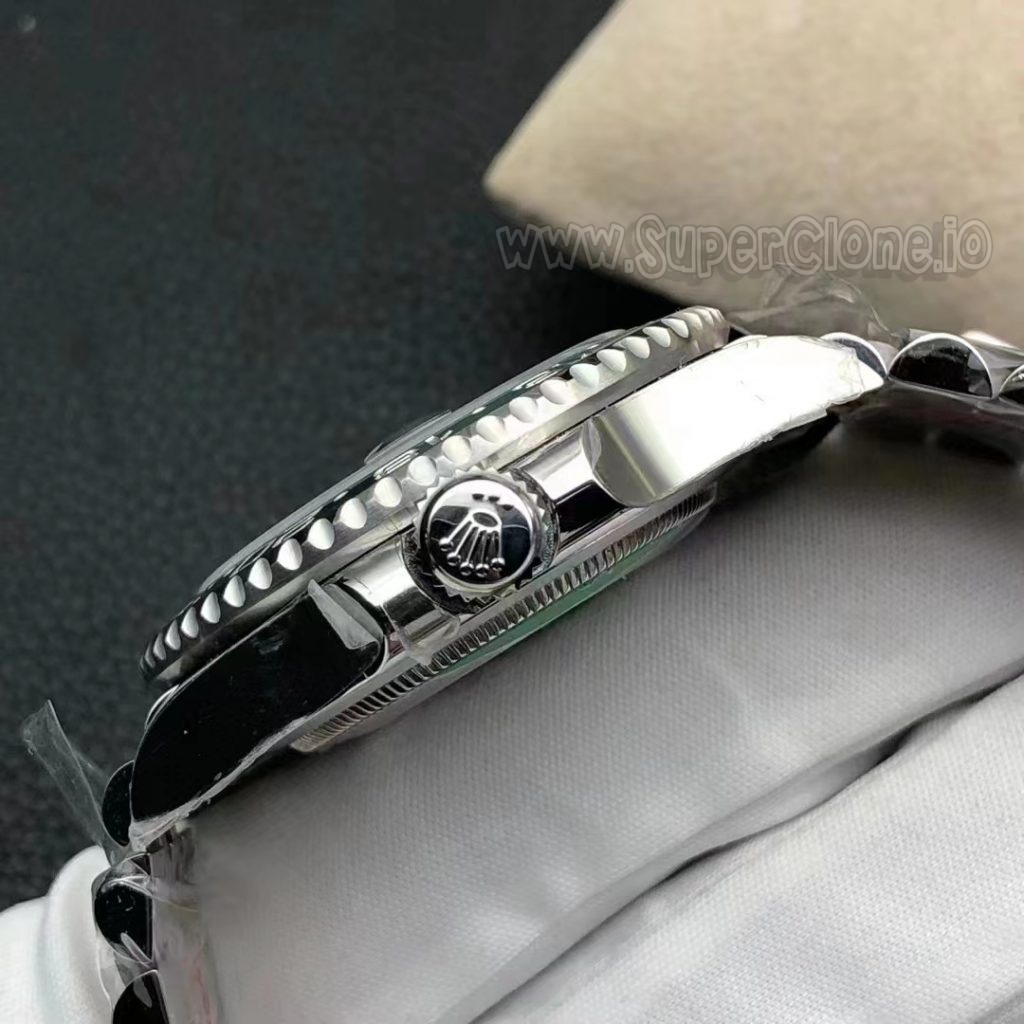
Internal propulsion relies on a modified automatic 3285 movement clone. The standout technical detail here is the calibrated hand stack: hour, GMT, minute, and second pinions are layered exactly to match original specifications. While standard catalog factories lack the R&D capitalization to machine a ground-up custom super-clone 3285 caliber with native long-term power storage reserves, this mechanism handles multi-time-zone tracking without structural gear slippage. Whispers from the supply chain indicate Clean and VS are vying to monopolize a fully custom-milled 3285 variation for their next-tier luxury sport rollouts.
The Openwork Barrier: Inside APS Factory’s Royal Oak 15407
While Clean Factory focuses on perfect exterior paint and tint adjustments, APS Factory operates on a fundamentally different manufacturing ethos. Famous for its custom-cloned 3120 movement inside the flagship Royal Oak 15400 series, APS relies heavily on its mechanical engineering credentials. However, shifting from standard tapisserie patterns to the stark transparency of the Royal Oak Double Balance Wheel Openwork (Ref. 15407) reveals a clear divide where their exterior case refinishing hits a ceiling.

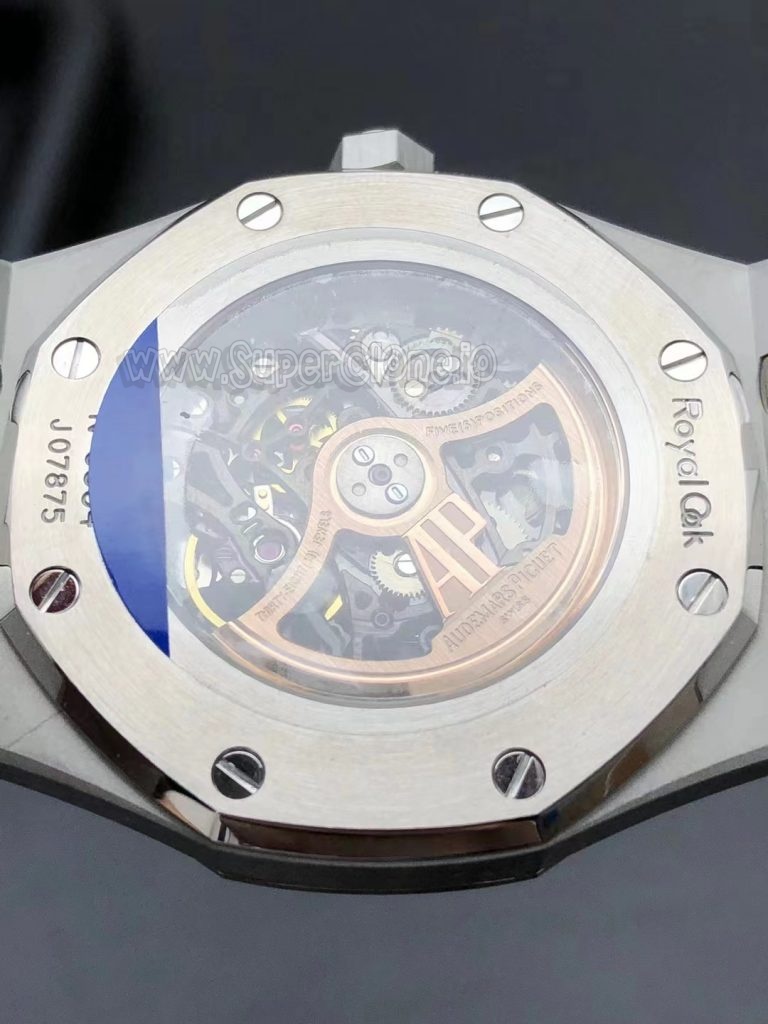
The 15407 rollout is split between a standard 316L stainless steel platform and a rose gold variant, both driving a fully visual skeleton architecture powered by a clone 3132 execution. Unlike closed-dial variations, an openwork design strips away the defense of a solid surface, turning structural bridge alignment, tooth counts, and wheel symmetry into primary visual components.

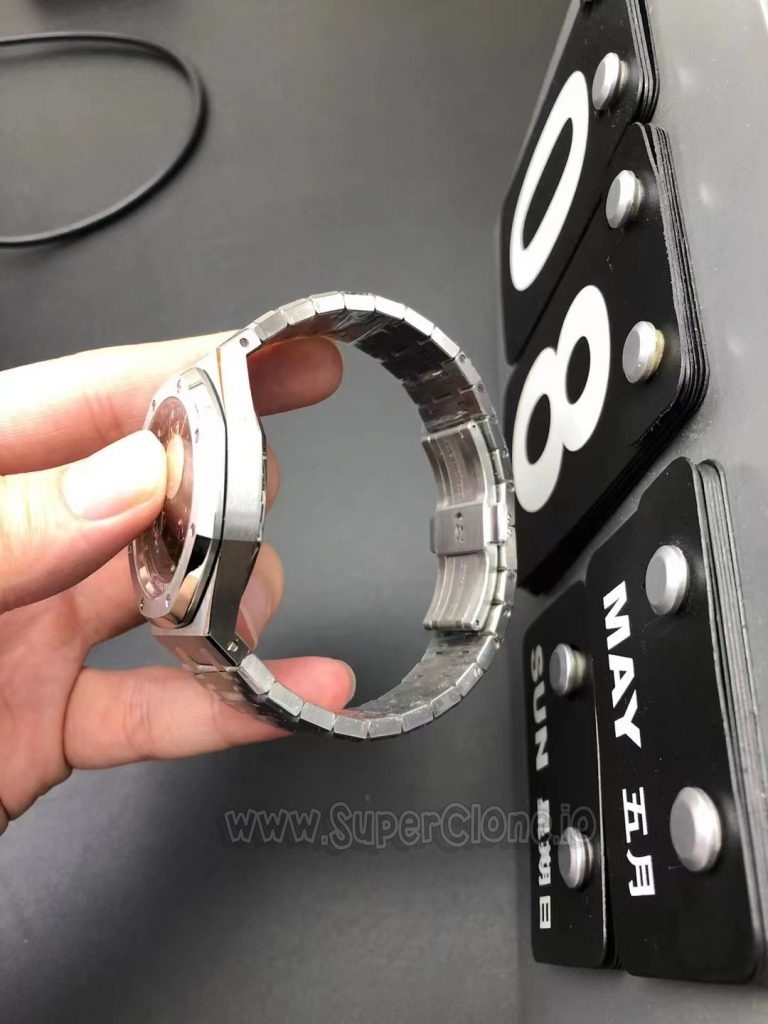
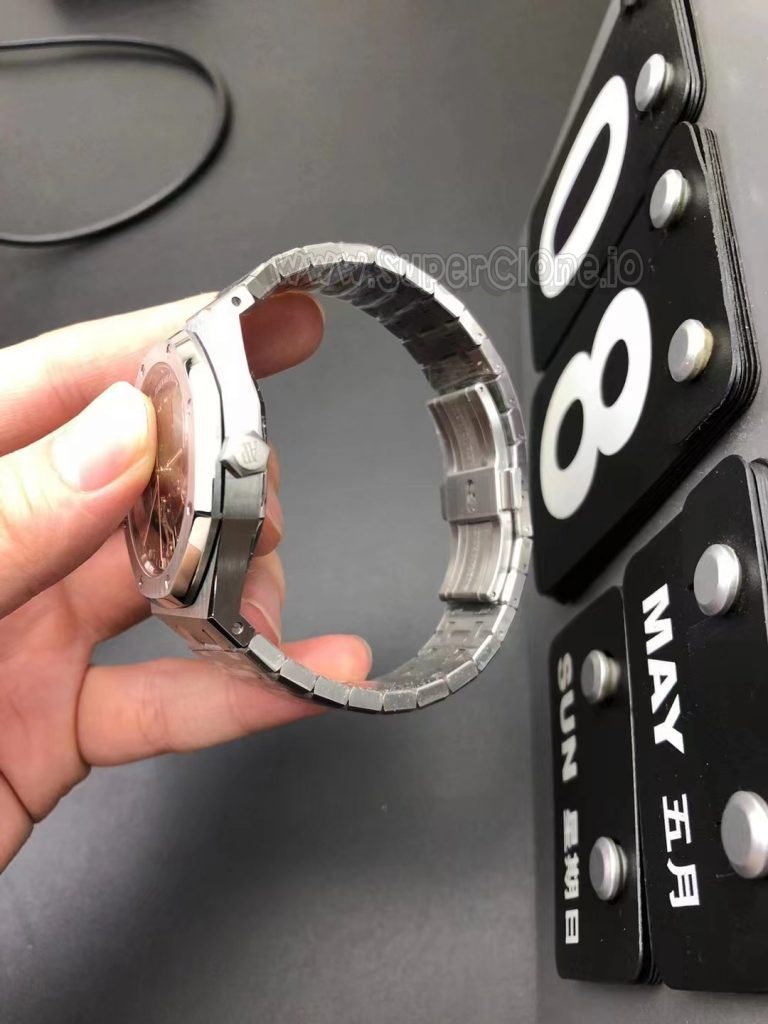
The steel variant adopts a 41mm case outline matching the original silhouette with a 10mm thickness profile. The top surfaces show a uniform vertical grain brush, paired with the iconic octagonal bezel whose high-polished corner bevels create a sharp contrast. Yet, close examination of the winding crown reveals why APS lags behind legacy giants like ZF or J12 in exterior refinement. The sandblasted relief inside the engraved “AP” logo feels shallow and lacks the crisp, punchy definition found on competitive toolings—a detail that demands immediate modification.
The visual payoff sits entirely in the layered complexity of the openwork layout. Machined gear trains, exposed balancing architecture, and hollowed-out bridges present a multi-dimensional metallic framework that captures light exceptionally well. While this technical aesthetic satisfies collectors chasing mechanical expression, its high density makes it a highly polarizing alternative to the traditional symmetry of the 15400 and 15500 lines.
Macro Constraints and Supply Chain Realignments
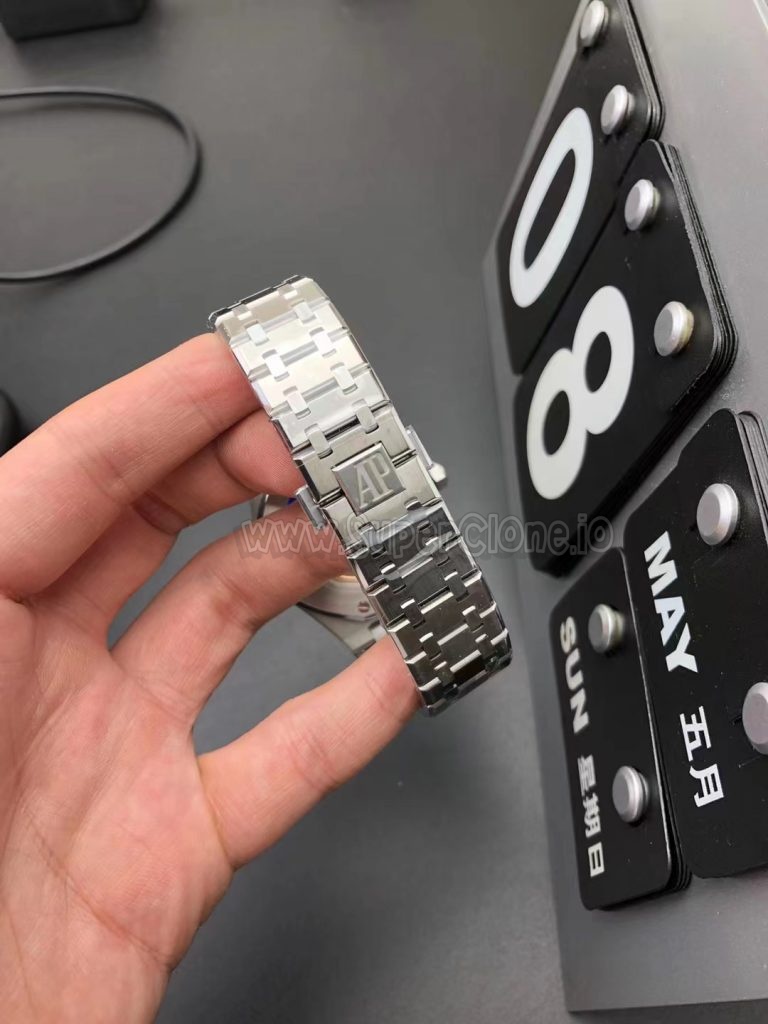
The integrated metal bracelet continues the classic Royal Oak taper, handling link transitions smoothly. However, under close hand feel, the internal link corners and edges lack the ultra-smooth, silk-like bevel treatment that specialized AP bracelet factories achieve. APS heavily prioritizes its internal mechanics over fine exterior casework, carving out a specific niche focused on mechanical presence.
This internal movement prioritization mirrors a massive reallocation across the entire supply chain. Collectors tracing the recent slowdown of 3K Factory’s Patek Philippe Nautilus and Aquanaut series have uncovered a major operational pivot. 3K has diverted its core high-precision CNC machinery to launch a high-end Rolex Daytona replica catalog under a separate premium division: BT (Better Factory). These BT Daytona variants carry premium price points but justify the cost by integrating the highly coveted super-clone 4130 integrated chronograph movement. This structural realignment proves that modern watch manufacturing centers are abandoning simple cosmetic upgrades to focus exclusively on internal caliber dominance.
